
?Are you looking for a single unit that can charge, start, maintain, recondition, and test a wide range of vehicle batteries without taking up half your garage?

Quick Take
You’ll find the Schumacher Electric Wheeled Automatic 6A Car Battery Charger and 200A Engine Starter, 6-in-1 Solution, Maintainer, 40A Boost, for 6V/12V Power Sport, Automotive, and Marine Batteries, SC1353 is built to handle a lot of battery-related tasks in one package. It’s purposefully designed so you can switch between engine start, boost charging, trickle maintenance, and reconditioning without needing separate tools for each job.
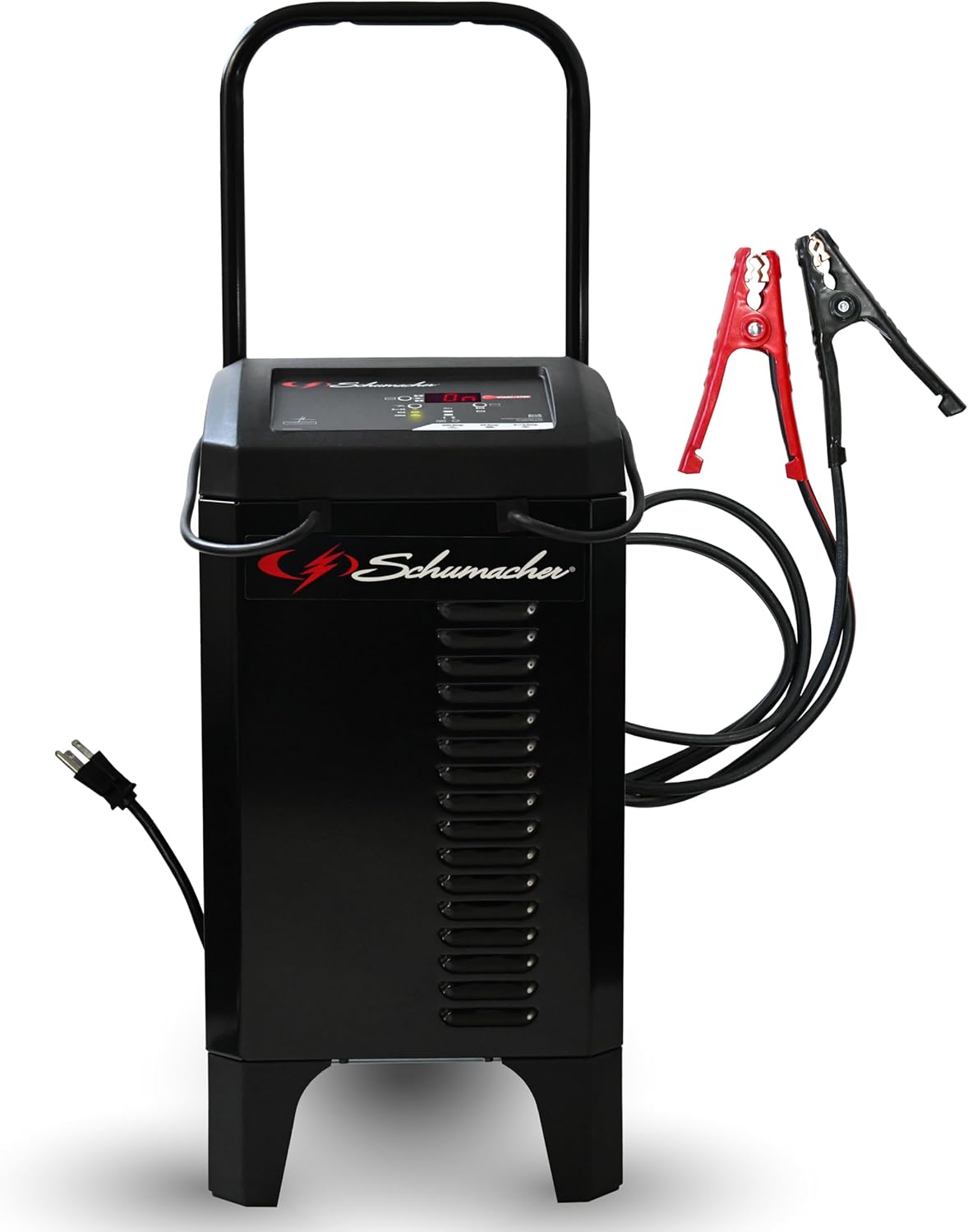
Schumacher Electric Wheeled Automatic 6A Car Battery Charger and 200A Engine Starter, 6-in-1 Solution, Maintainer, 40A Boost, for 6V/12V Power Sport, Automotive, and Marine Batteries, SC1353
Product Overview
You get a combination battery charger, engine starter, maintainer, reconditioner, and tester in a wheeled, AC-powered cart that’s intended for workshop and garage use. The unit delivers up to 200 amps for engine starts, 40 amps for boost charging, and adjustable charging at 6 amps down to 2 amps for maintenance, and it supports both 6V and 12V battery systems and multiple battery chemistries.
Design & Build
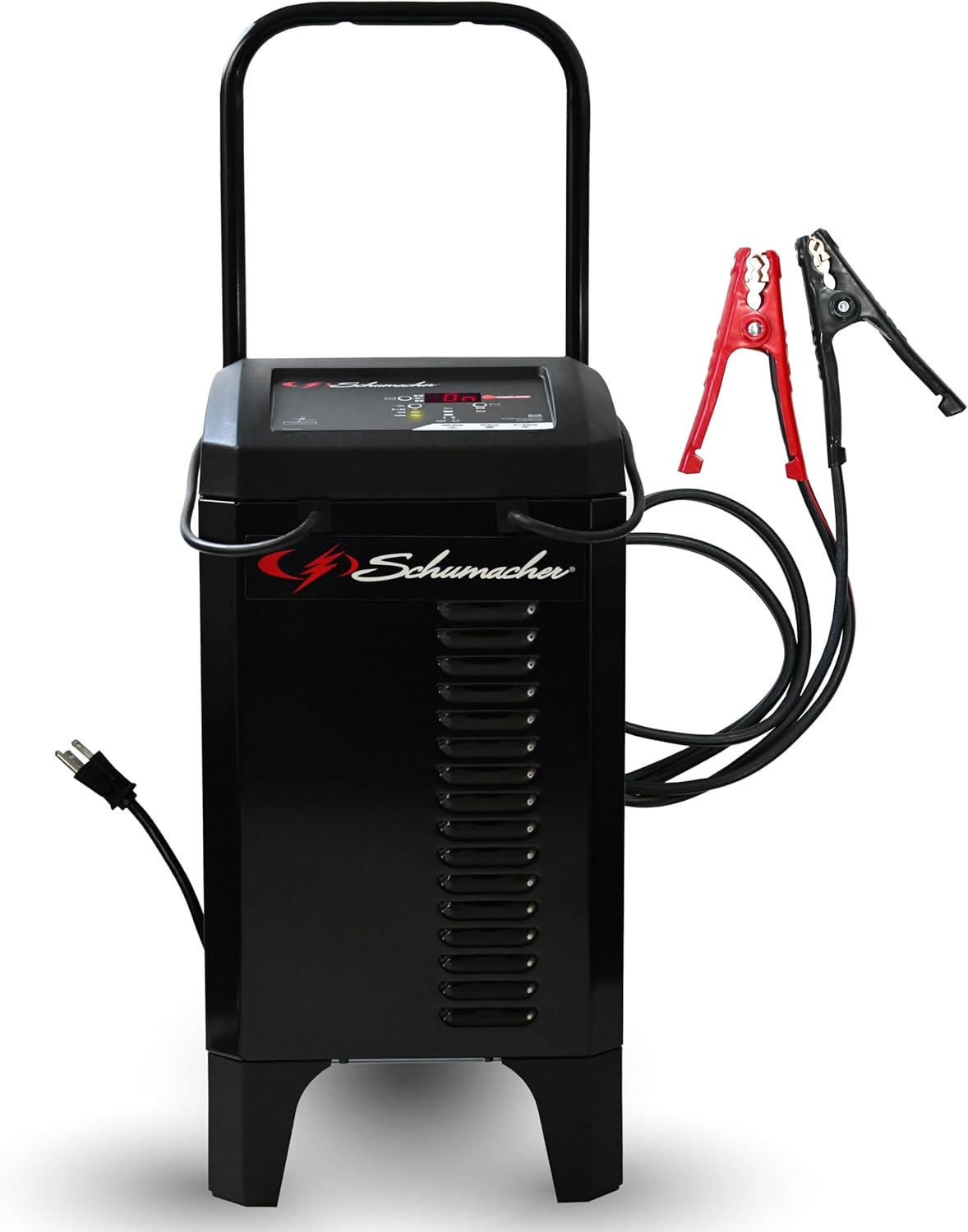
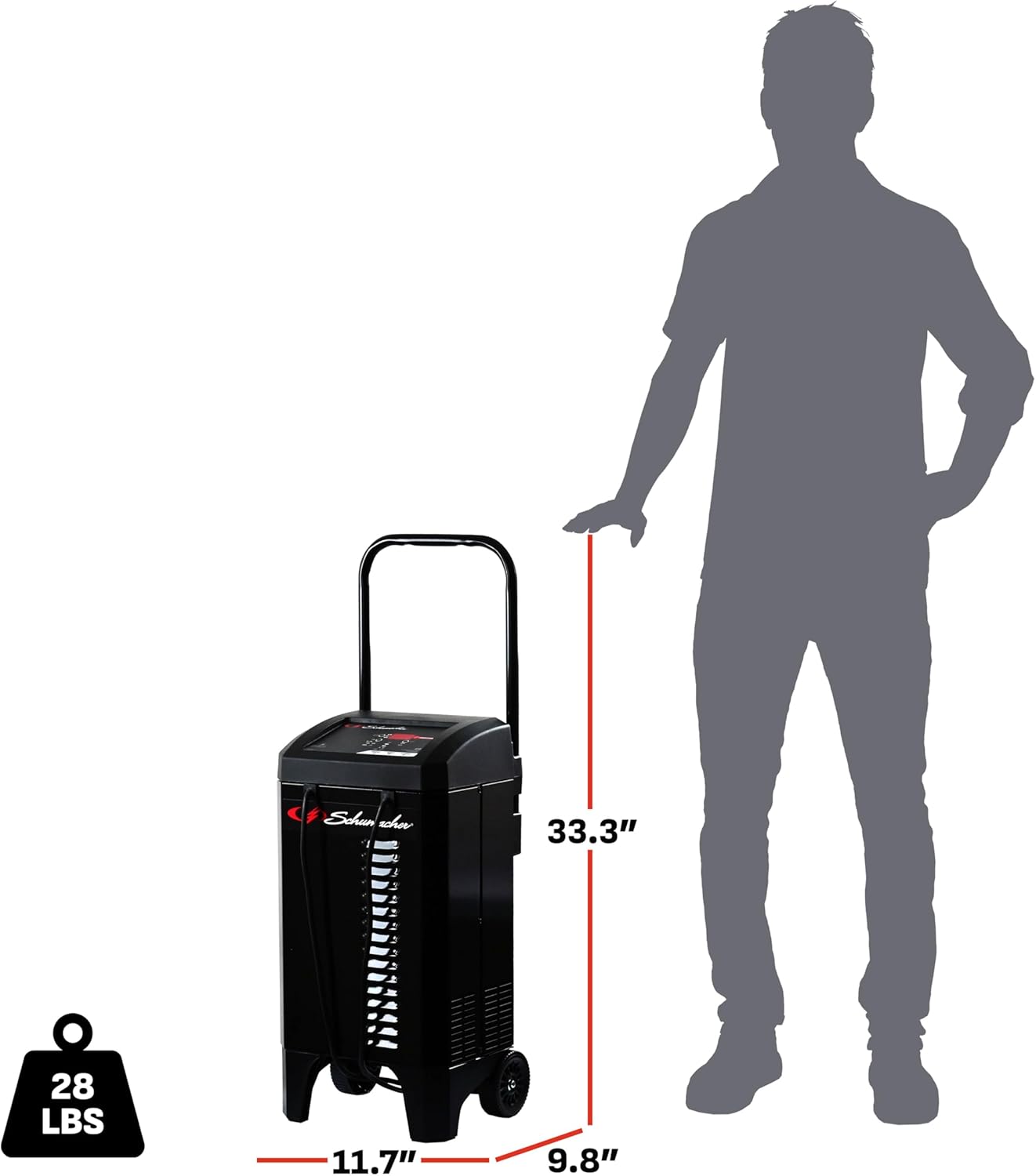
The SC1353 uses a wheeled cart form factor so you can roll it to vehicles instead of dragging cables. You’ll appreciate the sturdy handles and heavy-duty booster cables, and the six-foot power cord gives you decent reach from a nearby outlet.
Key Specs at a Glance
You’ll want a quick reference for the most important numbers and features before you decide where to store this unit or which jobs you’ll assign to it. Below is a compact breakdown you can scan to compare with other chargers or starters.
| Feature | Details | Why it matters to you |
|---|---|---|
| Peak Starting Power | 200 amps | Enough to start medium and larger engines in many gas/diesel vehicles |
| Boost Charge | 40 amps | Fast recharging for a drained battery without going straight to start mode |
| Charging / Maintenance | 6A adjustable to 2A | Allows both faster charging and safe long-term maintenance |
| Voltage Support | 6V / 12V | Works with older motorcycles and most modern vehicles |
| Battery Types | Standard, AGM, deep-cycle | You can use it on many battery chemistries without guessing |
| Reconditioning | Advanced desulfation mode | Helps restore sulfated batteries and extend lifespan |
| Protection | Reverse polarity protection | Prevents damage from clamp errors |
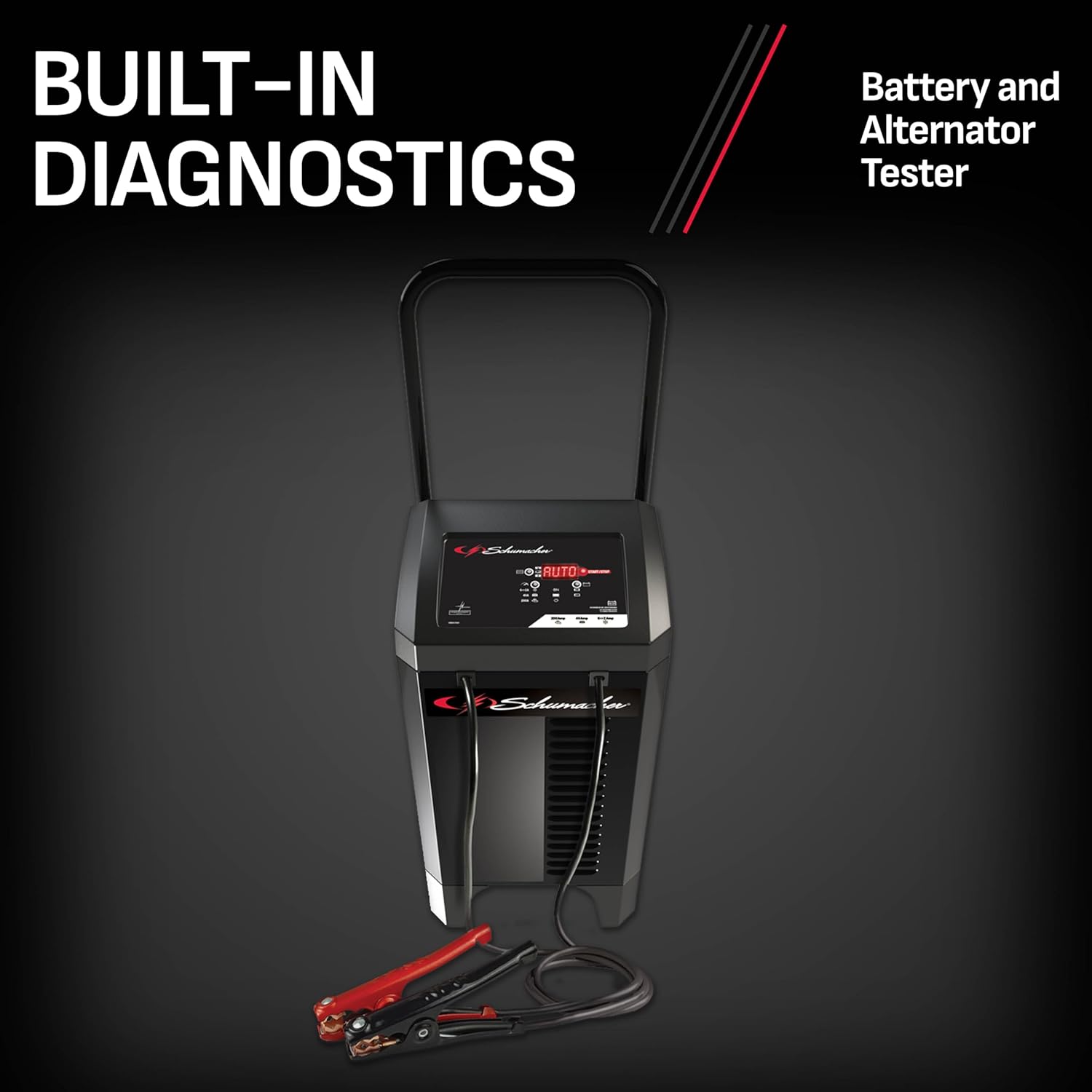
| Testing | Built-in battery and alternator tester | Quick diagnostics without extra tools |
| Power Source | AC-powered (plug-in) | Requires outlet during use, no internal battery |
Features Explained
You’ll benefit most when you understand what each major feature does and how it changes your workflow around battery care and vehicle starts. This section breaks down what each function means for you in practical terms.
200-Amp Engine Start
You can use the 200-amp engine start when a vehicle needs a strong burst of current to crank the engine. That kind of starting power is suitable for many cars, trucks, and SUVs, and it’s particularly useful for diesel engines or large-displacement gasoline engines that need a heavy cranking current.
40-Amp Boost Charge
When a battery is low but not completely dead, the 40-amp boost mode gives you a fast charge to bring the battery to a healthy voltage quickly. You’ll find this handy for getting a vehicle ready to drive after a prolonged period of inactivity or when you want to top up a battery after a hard start attempt.
6A to 2A Smart Trickle Charge
You’ll appreciate the smart trickle option for long-term maintenance of vehicles you store seasonally, like motorcycles, ATVs, or boats. The unit’s ability to switch to lower amperage charging helps prevent overcharging while keeping the battery at optimal capacity over time.
Battery Reconditioning (Desulfation)
You can use the reconditioning mode to break down lead-sulfate crystals that reduce battery effectiveness. This can bring marginal batteries back into usable condition and extend their life, potentially saving you the cost of premature replacement.
Built-In Battery and Alternator Testing
You don’t need a separate voltmeter or load tester to check battery health or alternator output. You’ll be able to quickly verify whether a battery can hold charge and whether the vehicle’s charging system is working properly before you commit to repair or replacement.
Reverse Polarity Protection
If you accidentally swap clamps, the unit protects the battery and vehicle from damage. This safeguard reduces the risk of sparks, blown fuses, or more serious electrical mishaps when you’re working quickly or under low light.
Wide Compatibility
You’ll find compatibility with gas and diesel vehicles and both 6V and 12V batteries useful if you own multiple vehicle types or work on others’ vehicles. It’s also compatible with different battery constructions—standard flooded, AGM, and deep-cycle—so you won’t have to guess compatibility.
AC Powered; Must Be Plugged In
You’ll need to use the SC1353 plugged into AC power during operation, so plan to keep it in a garage or shop with an accessible outlet. The six-foot cord gives reasonable mobility, but if your work area lacks nearby power you may need an extension rated for the load.
Performance in Real-World Use
You’ll want concrete expectations for how the unit performs on starts, charging, maintenance, and reconditioning in everyday scenarios. This section gives you realistic outcomes and tips for each mode.
Starting Cars, Trucks, and SUVs
You can expect the 200-amp start to crank most small to medium engines reliably. For very large diesels or trucks with extremely discharged batteries, you might still need a heavy-duty jump pack, but for most passenger vehicles this unit is more than adequate.
Boost Charging Effectiveness
In boost mode, the 40A setting will significantly reduce the time it takes to bring a moderately drained battery back to usable voltage. You’ll notice much quicker readiness compared to a low-amp trickle charger, which is especially valuable when you need a vehicle moved the same day.
Trickle Maintenance Over Months
When you store a vehicle for long periods, the smart trickle functionality provides safe maintenance charging. You’ll be able to leave the charger connected to keep battery voltage topped off without worrying about overcharging, as the unit adjusts to maintain safe levels.
Reconditioning Results
The desulfation mode can recover some batteries that would otherwise be tossed. You’ll see the best results on batteries that are sulfated but still structurally sound; batteries with internal plate damage or severe physical issues may not recover.
Diagnostic Accuracy
The onboard battery and alternator test give you quick actionable information. You’ll appreciate being able to determine whether an alternator is undercharging, overcharging, or operating normally before you replace parts unnecessarily.
Setup and Ease of Use
You’ll probably want to start using the unit the first day it arrives, and setup is designed to be straightforward. This section walks you through what you’ll do to get it ready and how user-friendly the controls are.
Unboxing and Initial Setup
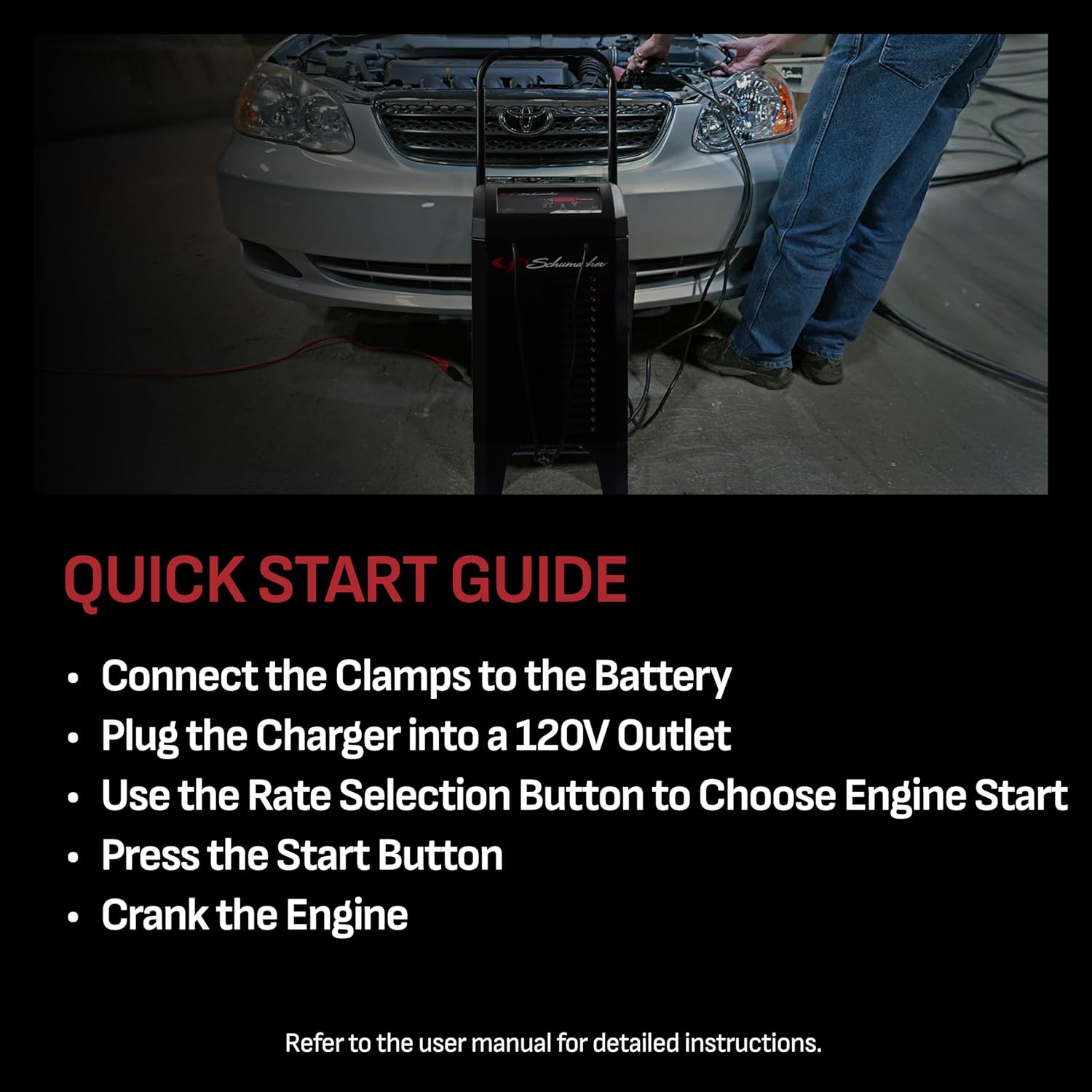
You’ll find the unit arrives mostly assembled with booster cables and a user manual included. Plug it in, connect the clamps to the battery (observing polarity), select the correct voltage and mode, and you’re ready to go.
Controls and Indicators
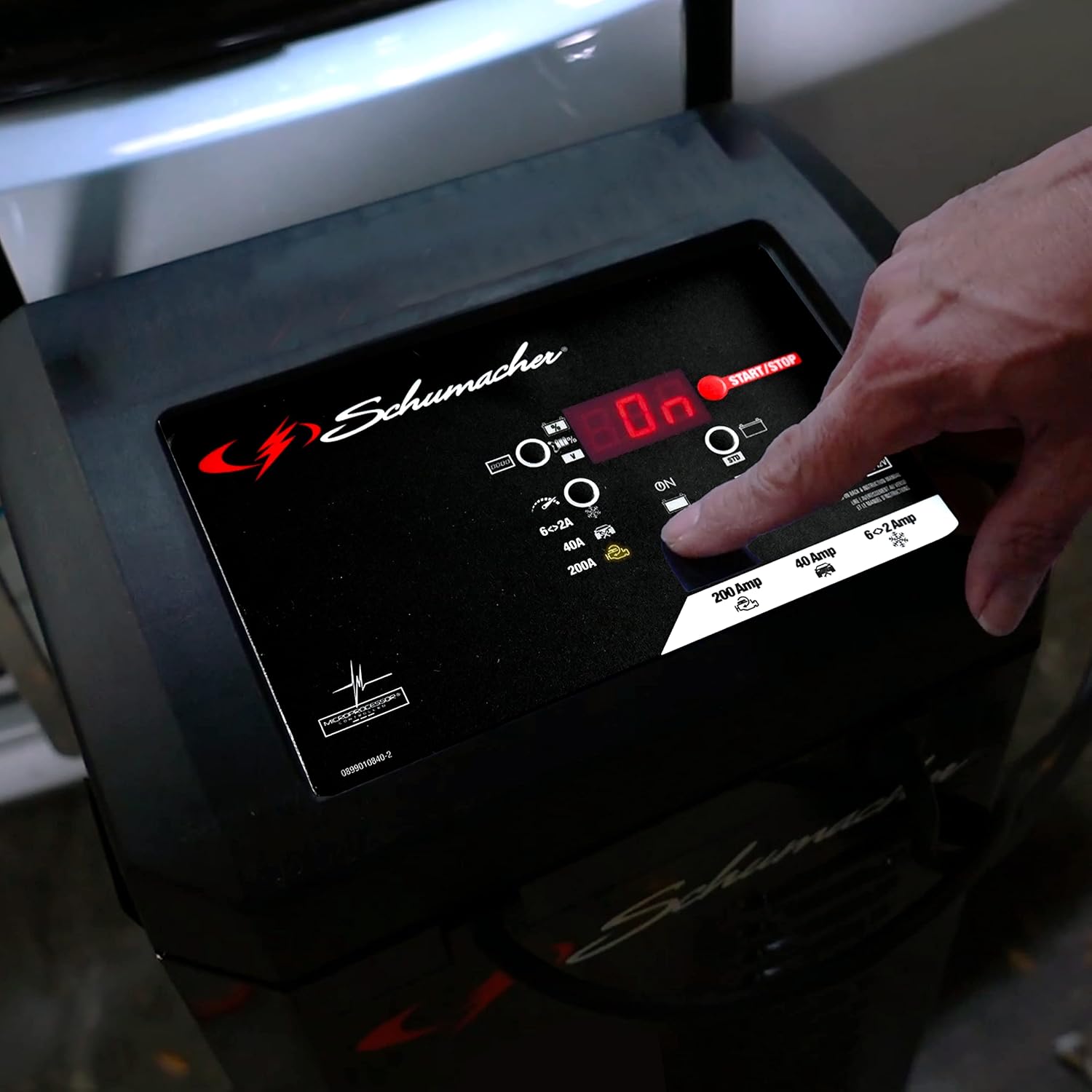
You’ll have clearly labeled mode selections and LED or analog indicators for status and diagnostics. The user interface is intended to be intuitive so you can switch between testing, charge modes, and starting with minimal fuss.
Mobility and Storage
The wheeled cart design makes any heavy lifting optional—just roll the unit to the vehicle. You’ll have an easier time working around larger vehicles or in tight spaces thanks to the mobility and the cable lengths provided.
Safety Features and Protections
You’ll want reassurances that the unit reduces the risk of user error and vehicle damage. The SC1353 includes multiple features designed to protect both you and the equipment.
Reverse Polarity Guard
If you attach clamps incorrectly, the charger stops before current flows and often triggers an alert. You’ll avoid costly mistakes because the unit prevents damage that can occur when clamps are reversed.
Overheat and Overcurrent Safeguards
You’ll benefit from internal protection circuits that reduce the chance of overheating during prolonged use. These features protect the unit and the battery, and they often extend the lifetime of the charger itself by preventing abusive operating conditions.
Spark Reduction on Connection
You’ll see minimized sparking when making connections due to design choices that control initial inrush current. This improves safety when connecting to weak or sulfated batteries that may be prone to producing sparks.
Compatibility and Typical Use Cases
You’ll want to know if the SC1353 fits your vehicle portfolio and the tasks you perform regularly. This section lists typical scenarios where the unit is especially useful.
Motorcycles and Power Sports
You’ll find the 6V and 12V support helpful if you have older bikes or smaller engines that use 6V systems. For modern motorcycles and ATVs, the maintenance and reconditioning modes are particularly useful during seasonal storage.
Cars and Light Trucks
You’ll use the 200A start for most passenger cars and many light trucks, and the 40A boost for fast turnarounds when a battery is low but not dead. The built-in tester is useful for diagnosing charging system faults on daily drivers.
Marine Batteries
You’ll appreciate the trickle maintenance and desulfation when maintaining boat batteries that sit unused for long stretches. You can keep deep-cycle marine batteries healthy and reduce the frequency of replacements.
Fleet and Workshop Use
If you manage multiple vehicles or run a small shop, you’ll save space and expense by having one tool that handles starting, charging, testing, and reconditioning. The wheeled form factor and the AC requirement suit workshop environments best.
Pros and Cons
You’ll want a straightforward list of advantages and drawbacks so you can weigh whether the unit fits your needs. This section gives balanced points to help with that decision.
Pros
- You’ll get multiple functions in one unit: starting, boost, charging, maintaining, reconditioning, and testing.
- You’ll benefit from 200A starting power that covers many practical situations.
- You’ll appreciate reverse polarity protection and built-in diagnostics for safe, confident use.
- You’ll enjoy the wheeled design for easy movement across a shop floor.
- You’ll find broad compatibility across battery voltages and chemistries useful if you work with diverse equipment.
Cons
- You’ll need access to AC power during all operations, which limits use in remote situations without outlets.
- You’ll find it relatively large compared with small handheld jump starters, so it’s best suited to a garage or shop.
- You’ll want to be cautious with very large commercial diesel engines that may require higher cranking amps than 200A.
Comparison with Similar Products
You’ll likely compare the SC1353 to compact jump packs, bench chargers, and other wheeled starters/chargers. Below are distinctions that should guide your assessment.
How it Compares to Handheld Jump Starters
You’ll notice far greater starting power and functionality over handheld jump packs, but you lose portability because the unit requires AC power. If you need roadside emergency use without access to AC, a handheld pack might be a better backup.
How it Compares to Bench Chargers
You’ll have more starting and boost capability than many bench chargers, plus added features like reconditioning and alternator testing. You’ll get an all-in-one tool that reduces the need for multiple dedicated bench devices.
How it Compares to High-End Shop Starters
You’ll find the SC1353 competes well for light-to-medium shop needs, though heavy-duty commercial shops that work on big rigs may prefer higher-amperage starters for very large engines.
Maintenance and Care
You’ll prolong the life of the SC1353 with straightforward maintenance and sensible usage habits. This section lists practical care tips to make the unit reliable for years.
Routine Cleaning and Inspection
You’ll want to keep the clamp faces and cable ends clean and free of corrosion for best conductivity. Check the wheels, handle, and housing periodically for loose fasteners or damage.
Storage Tips
You’ll store it indoors in a dry, ventilated area to avoid moisture and extreme temperatures. If you won’t use it for several months, unplug it and store the unit off the floor if possible to prevent dust accumulation and moisture exposure.
Cable and Clamp Care
You’ll maintain the booster cables by avoiding kinks and keeping the clamps clean. Replace any frayed or damaged cables before continued use to avoid hazards.
Troubleshooting Tips
You’ll meet occasional issues with any multifunction device, and this section helps you quickly identify and correct common problems so you don’t lose time.
Unit Doesn’t Power On
You’ll first verify the AC outlet is live and that the power cord is intact. If power is confirmed, check fuses and the manual for manufacturer troubleshooting steps.
No Start from 200A Mode
You’ll confirm clamps are tightly connected and polarity is correct, then verify battery voltage with the tester mode. If the battery is deeply discharged or sulfated, try the boost or reconditioning mode before assuming starter failure.
Charger Shows Error or Fault
You’ll note any indicator lights or messages and consult the manual for the exact meaning. If reverse polarity was attempted, correct the connection and allow any internal protection to reset before trying again.
Frequently Asked Questions
You’ll often have practical questions before you buy or while using the unit, and this FAQ addresses the most common ones with clear answers.
Is the SC1353 safe to leave connected for weeks or months?
You can safely leave the unit connected for extended periods when using the smart trickle or maintenance modes, as it’s designed to avoid overcharging. Still, periodically checking the battery and charger status is good practice to ensure everything is operating as expected.
Will it start my large diesel truck?
The 200-amp start handles many diesel applications but may not be sufficient for very large commercial diesel engines that require higher cranking amps. You’ll want to check your truck’s cold cranking requirements and compare them to the unit’s rating before relying solely on it.
Can I use it on AGM and deep-cycle batteries?
Yes, the SC1353 is compatible with standard flooded, AGM, and deep-cycle battery types, so you can use it across a range of vehicle and marine applications. You’ll still follow battery manufacturer guidelines for charging to ensure optimal results.
Do I need a dedicated outlet or special wiring?
You’ll generally use a standard grounded AC outlet; the unit does not require special wiring beyond adequate capacity for its load. If you plan frequent high-amperage charging in a remote shop, consult an electrician to confirm your outlet can handle prolonged use.
How effective is the reconditioning/desulfation function?
You’ll see the best results on batteries that are sulfated but not physically damaged. The desulfation mode can reverse early-stage sulfation and restore capacity, but it won’t fix severely damaged cells or internal shorts.
What should I do if the tester says the alternator is bad?
You’ll verify test results by measuring voltage at the battery with the engine running; an alternator typically should produce about 13.5–14.5 volts. If the charger’s alternator test and your measurements align, you’ll proceed with alternator repair or replacement.
Practical Tips for Best Results
You’ll get the most from the unit when you follow a few consistent practices that improve charging speed, safety, and battery life. These tips are designed to be simple but impactful.
Prep the Battery and Terminals
You’ll clean corrosion from terminals and ensure secure clamp contact for best current flow. This reduces charging time and prevents poor connections that can trigger warnings or poor performance.
Start with the Lowest Safe Setting
You’ll often be better off starting trickle or boost modes rather than straight to the highest setting, especially for older or smaller batteries. This reduces stress on the battery and gives you more controlled charging.
Use the Tester Before Replacing a Battery
You’ll avoid unnecessary battery purchases by testing both battery and alternator before assuming the battery is dead. This helps you find charging-system problems or parasitic drains that are the real cause of battery failures.
Final Verdict
You’ll find the Schumacher Electric Wheeled Automatic 6A Car Battery Charger and 200A Engine Starter, 6-in-1 Solution, Maintainer, 40A Boost, for 6V/12V Power Sport, Automotive, and Marine Batteries, SC1353 to be a solid multipurpose tool for home garages and small workshops. If you want a single device that replaces several chargers and testers, offers serious starting power for most passenger vehicles, and includes maintenance and reconditioning features, this unit is a practical, cost-effective choice.
You now have the detailed breakdown and guidance you need to decide whether this unit matches your usage patterns, power requirements, and workspace setup. If you want, tell me what vehicles or projects you have, and I can give a personalized recommendation for how this unit fits your needs.
Disclosure: As an Amazon Associate, I earn from qualifying purchases.