
Looking for a versatile EV charger that can handle both overnight charging at home and faster charging when you need it on the road?

Quick summary
This review walks you through the Flex-AC Level 2 EV Charger 9.6kW, 6-40 Amp, 120V/240V, NEMA 5-15 and NEMA 14-50 Plug, Indoor/Outdoor, WiFi Connection, CSA Tested, Energy Star, and FCC Certified, 22 feet Cable (White) so you can decide if it fits your daily routine. You’ll learn how it performs, how to set it up, what safety features it includes, and whether it’s worth the money compared with other options.
What this charger is
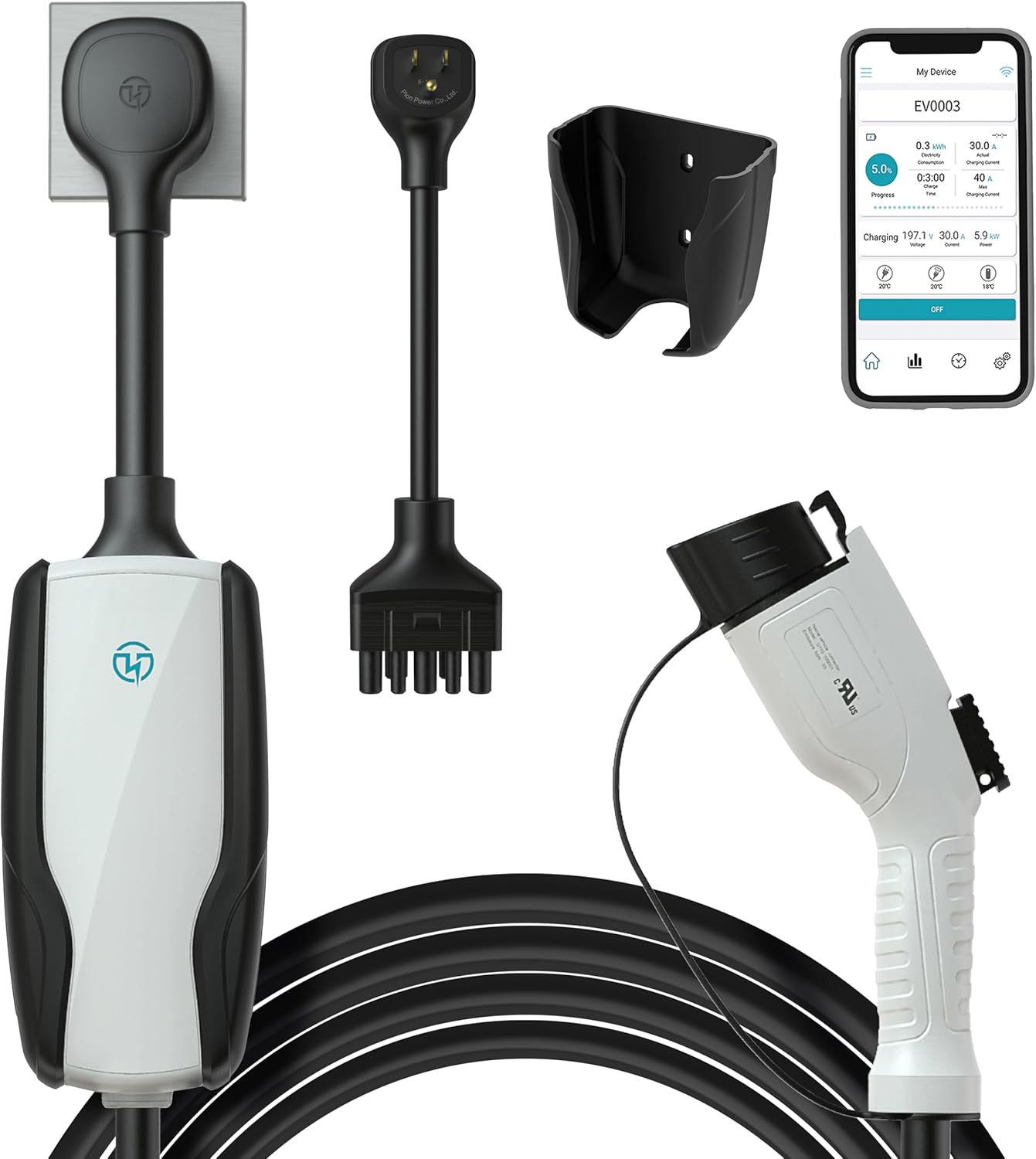
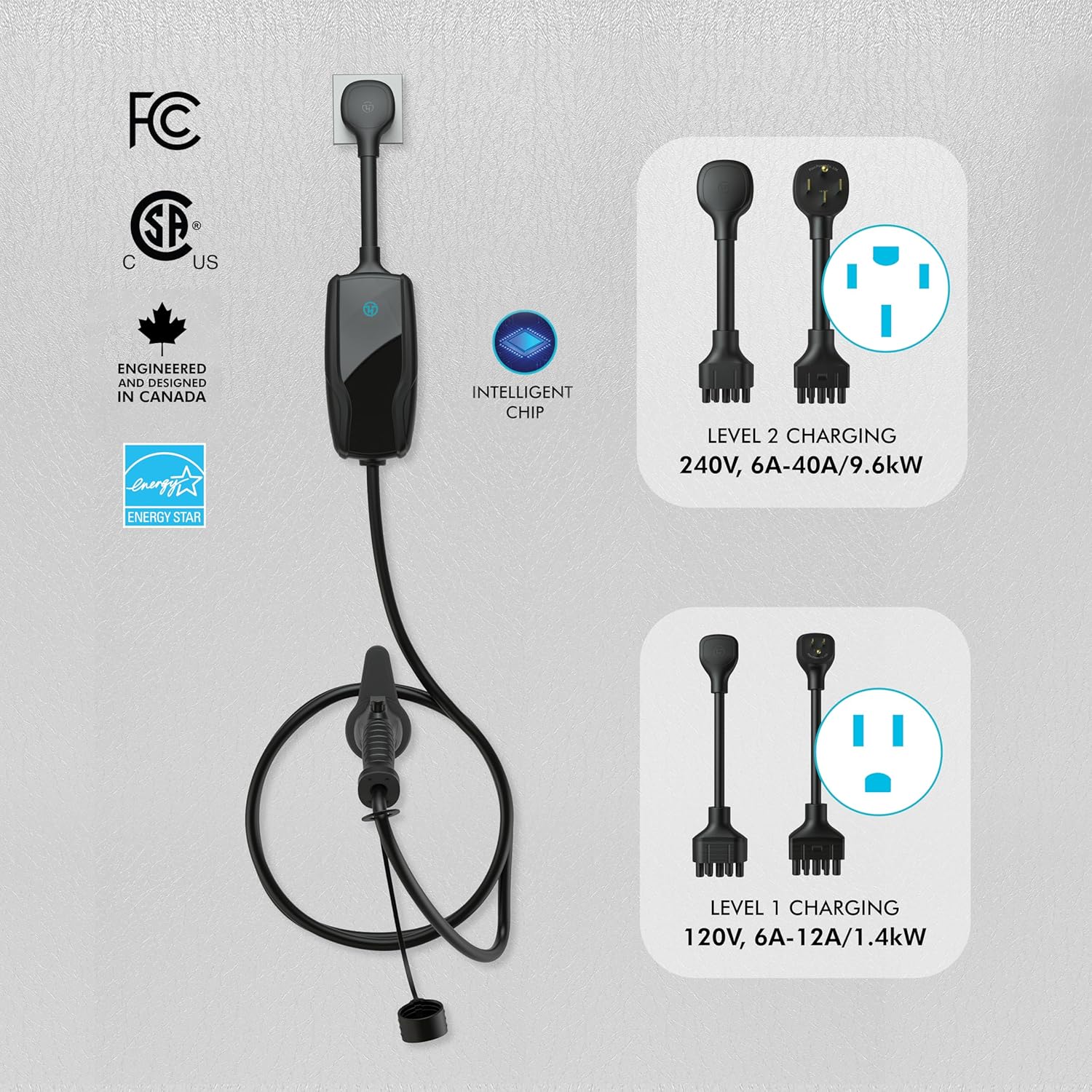
The Flex-AC is a portable smart EV charger that supports both Level 1 (120V) and Level 2 (240V) charging via included NEMA 5-15 and NEMA 14-50 adaptors. It delivers up to 40 amps (9.6 kW) on 240V, and lets you dial amperage down to 6 amps for compatibility and safety when needed. It’s designed to be lightweight and travel-friendly while offering a wall-mount option for regular use.
Who this is for
If you want a single unit that covers home charging, travel, and occasional fast charging without permanent hardwiring, this could be a solid pick. It suits homeowners with limited electrical work preferences, drivers of PHEVs and EVs in North America, and small fleet operators who need a flexible charging solution.

Flex-AC Level 2 EV Charger 9.6kW, 6-40 Amp, 120V/240V, NEMA 5-15 and NEMA 14-50 Plug, Indoor/Outdoor, WiFi Connection, CSA Tested, Energy Star, and FCC Certified, 22 feet Cable (White)
Key specifications
Below is a compact table summarizing the most useful technical specs so you can reference them quickly when comparing options.
| Specification | Detail |
|---|---|
| Product name | Flex-AC Level 2 EV Charger 9.6kW, 6-40 Amp, 120V/240V, NEMA 5-15 and NEMA 14-50 Plug, Indoor/Outdoor, WiFi Connection, CSA Tested, Energy Star, and FCC Certified, 22 feet Cable (White) |
| Max power | 9.6 kW |
| Max current | 40 A |
| Voltage | 120V / 240V |
| Amperage range | 6–40 A (adjustable) |
| Plugs/adaptors included | NEMA 5-15 (120V) & NEMA 14-50 (240V) |
| Charging connector | J1772 |
| Cable length | 22 feet |
| Certifications | CSA Tested, Energy Star, FCC Certified |
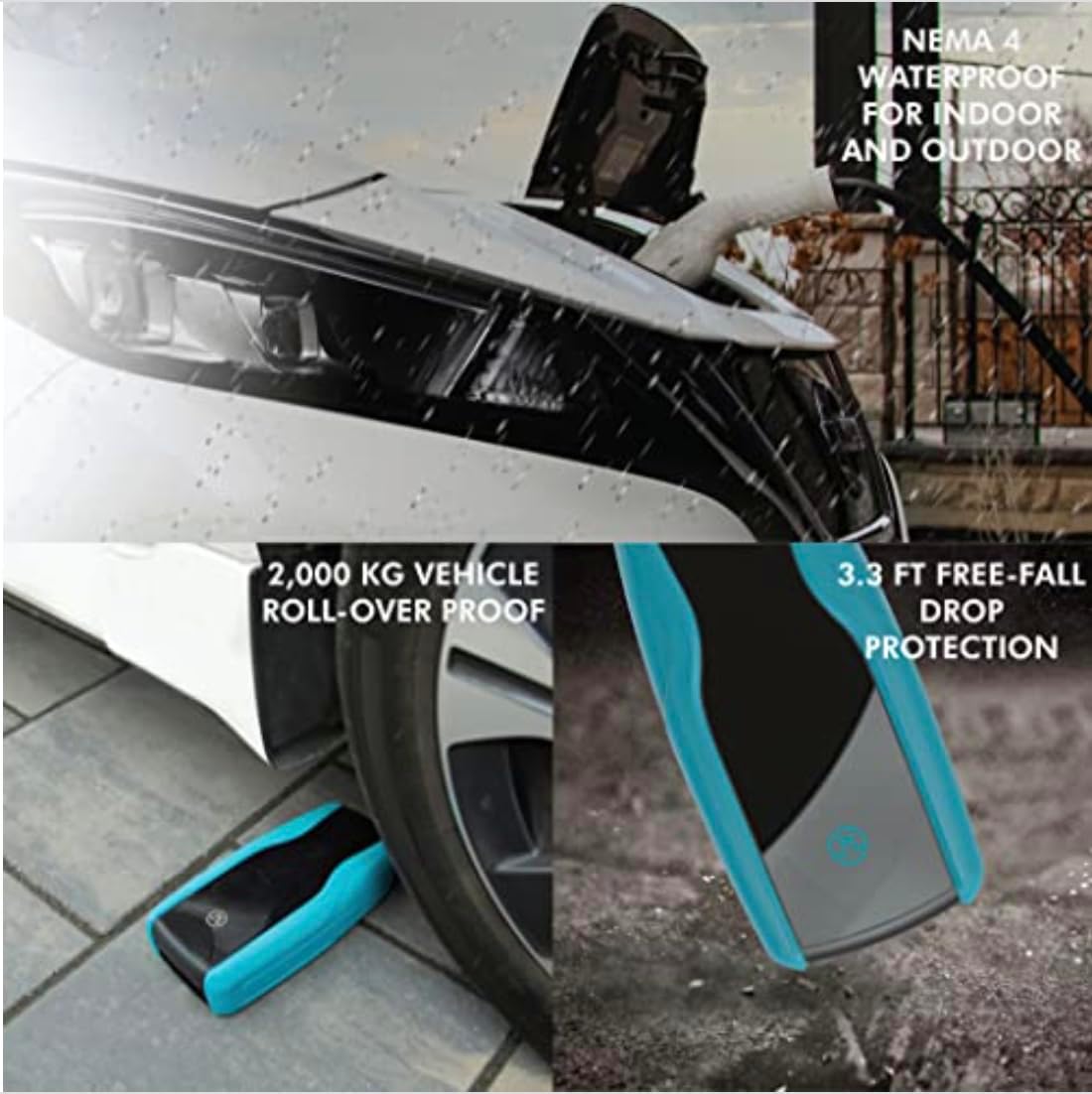
| Weather rating | NEMA 4 (indoor/outdoor) |
| Smart features | Built-in WiFi hotspot, remote start/stop, scheduling, real-time monitoring via app |
| Protections | Over-voltage, under-voltage, overheating, overcurrent, leakage, grounding, lightning, fire/flame |
| Weight / portability | Lightweight portable design (compact) |
| Compatibility | EVs & PHEVs in North America; works with Tesla using J1772-to-Tesla adapter |
Charging performance
You’ll want to know how quickly and reliably the charger fills your battery, and how flexible it is depending on available outlets.
Level 2 (240V) charging
When plugged into a 240V NEMA 14-50 outlet, the Flex-AC can provide up to 40 amps / 9.6 kW. That typically means most mainstream EVs can regain enough range for daily driving within a few hours, and many can be charged from near empty to full overnight. If you want near-max speed without upgrading home wiring, this is the typical everyday scenario you’ll use for fast home charging.
Level 1 (120V) charging
You can also use a standard 120V NEMA 5-15 outlet for Level 1 charging. This is the slowest option, but handy when you’re traveling, in a hotel, or at locations without a 240V outlet. It’s best for topping off or when you have plenty of time — think overnight at a friend’s house or while parked at work for many hours.
Adjustable amperage and real-world charging rates
Being able to dial amperage from 6 to 40 A is valuable. You can set lower amps to match circuit limitations or conserve energy, and higher amps when you have a robust 240V outlet. Real-world charging rates depend on vehicle acceptance and battery state of charge, but at 40 A you should see close to the advertised 9.6 kW on compatible vehicles. On 120V, expect roughly the typical 1.4 kW–1.9 kW range depending on amperage limit.
Setup and installation
One of the big benefits of this charger is that you don’t need a licensed electrician to hardwire it — but there are steps to remember for safe and reliable operation.
Using the included NEMA plugs and adaptors
The Flex-AC includes both NEMA 5-15 and NEMA 14-50 adaptors. To switch between Level 1 and Level 2, you simply change the adaptor. This makes it very convenient for travel. When using NEMA 14-50, confirm the outlet is correctly wired and on a dedicated 40 A circuit; when using NEMA 5-15, be sure the outlet can handle continuous load demands and isn’t overloaded by other devices.
Wall mounting and portability
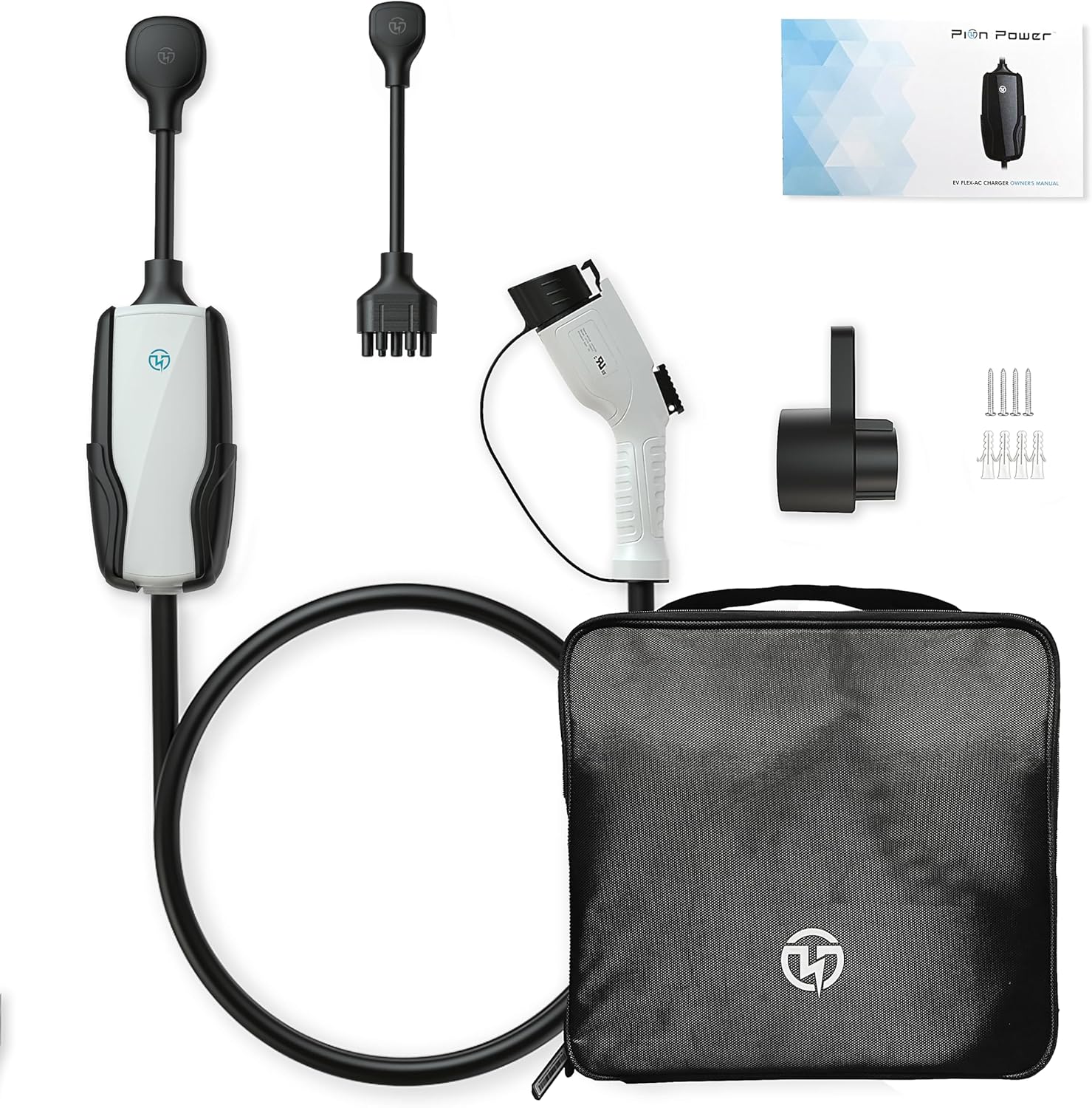
You can mount the unit on a wall for a tidy home installation or carry it in your trunk for travel. The charger’s lightweight, compact form factor is designed for both. If you mount it, choose a sheltered, easily accessible location and follow the manufacturer’s mounting instructions to maintain weather resistance and cable management.
Circuit and breaker considerations
When using Level 2 charging, you’ll want a dedicated 40 A breaker for full 40 A output. You can reduce the charging amperage via the app if your breaker or outlet rating is lower. If in doubt about outlet wiring or circuit capacity, consult an electrician. For frequent 40 A charging, a properly installed dedicated circuit is safer and more reliable.
Smart features and app functionality
The Flex-AC emphasizes smart functionality, which is increasingly important for electricity management and convenience.
WiFi connectivity and remote controls
This charger includes a built-in WiFi hotspot that lets you connect your phone or laptop directly to the unit. You can remotely start and stop charging and monitor charging status in real time. This is useful if you want to check a session while away from the car or confirm charging stopped after you finished.
Scheduling, energy monitoring, and control
Through the app, you can schedule charging sessions, set charging speed limits, and view real-time energy use. Scheduling helps you take advantage of off-peak electricity rates, while energy monitoring helps track costs and charging efficiency. You’ll appreciate the ability to set exact start/stop times and adjust amperage remotely.
Firmware updates and connectivity stability
Smart chargers rely on firmware updates for bug fixes and new features. The built-in WiFi allows remote updates, but you’ll want to make sure the unit is within a stable WiFi area for smooth operation. The hotspot option is a good fallback if home WiFi is unreliable, but for over-the-air updates and integration with home networks, a solid connection is preferred.
Build quality and weather resistance
Durability matters when you leave a charger plugged in, exposed to sun, rain, or snow. The Flex-AC addresses these concerns.
Materials, cable, and connector quality
The charging handle uses the standard J1772 connector, which is robust and compatible with many EVs. The 22-foot cable gives generous reach to parking positions and garage setups. The unit’s casing feels solid enough for regular handling, and the cable seems flexible even in cooler conditions, which you’ll appreciate when plugging and stowing.
NEMA 4 rating and outdoor use
The charger is rated NEMA 4 for water resistance, meaning it’s built to withstand splashing and exposure to dust and water from rain or snow when installed outdoors. You should still avoid submerging the unit or exposing cable connections for prolonged periods. But for everyday outdoor mounting or garage use, it’s designed to hold up reliably.
Safety and certifications
Safety and compliance are essential for any electrical device you’ll use regularly, especially one handling high continuous currents.
CSA Tested, Energy Star, and FCC certified
The charger is CSA tested, Energy Star certified for efficiency, and FCC certified for electronic emissions compliance. These certifications provide additional assurance that the charger meets recognized safety and efficiency standards. Energy Star certification also means the device meets certain power-efficiency benchmarks which can help reduce standby losses.
Comprehensive protection systems
The Flex-AC includes multiple protection mechanisms: over-voltage and under-voltage protection to prevent harmful supply conditions, overcurrent and overheating protections to avoid electrical faults, leakage and grounding protections to ensure user safety, and safeguards against lightning and fire risks. That range of protections reduces the chance of damage to your vehicle or property and improves personal safety during operation.
Portability and use cases
Flexibility is a major selling point for this model. You’ll find it useful in a range of real-world situations.
Homeowners
If you want a charger that can live on your wall but can also be taken on trips, this is a good fit. You can mount it permanently at home and still unplug and bring it if you need to charge elsewhere. It’s particularly appealing if you don’t want to commit to a hardwired EVSE or if you live in a rented property.
Business owners and fleet managers
For small fleets or business owners who need portable chargers for different vehicles or locations, this unit offers an easy-to-transport solution. It’s compact enough to move between vehicles and flexible enough to plug into available outlets on site, saving you from installing fixed charging stations for occasional use.
Road trips and travel
Because it supports both 120V and 240V with included adaptors, you can plan charging stops at homes, parks, or RV hookups that offer NEMA 14-50 outlets. The long 22-foot cable gives you options for parking positions at less-than-ideal locations, and the portability means you can keep a consistent charging experience even on the road.
Compatibility and vehicle support
Knowing whether your vehicle will charge properly and at what speed matters. The Flex-AC is designed with broad compatibility in mind.
J1772 connector and Tesla charging
The built-on J1772 charging handle works with all North American EVs that accept J1772, and you can use a J1772-to-Tesla adapter to charge Tesla vehicles. That makes this charger compatible with nearly every EV and PHEV sold in North America, so you won’t need a special port or bespoke cable.
PHEVs, EVs, and charging acceptance
Plug-in hybrids (PHEVs) often accept lower maximum amperage than full battery EVs. Because you can dial amperage down to 6 A, you can safely charge sensitive or low-capacity PHEV batteries without overstressing them. Full EVs that accept higher amperages will benefit from the 40 A capability when on 240V.
Pros and cons
Here’s a compact but candid breakdown so you can weigh the strong points against potential drawbacks.
Pros
- Extremely versatile: supports both Level 1 and Level 2 charging using included adaptors.
- High maximum output: up to 9.6 kW / 40 A for fast home charging.
- Adjustable amperage (6–40 A) for safety and circuit compatibility.
- Built-in WiFi for remote control, scheduling, and monitoring.
- Portable and lightweight: easy wall-mount plus travel-ready.
- NEMA 4 rating for reliable indoor/outdoor use.
- Multiple protections and certifications (CSA, Energy Star, FCC).
- 22-foot cable gives flexibility in parking positions.
Cons
- For continuous 40 A charging, a dedicated 40 A circuit is recommended (may require electrician).
- If you expect ultra-fast charging (above 9.6 kW), this charger won’t reach higher Level 2 rates available on some hardwired EVSEs.
- App and WiFi features depend on network stability and may require occasional firmware updates.
- Not hardwired out-of-the-box — if you prefer a permanently fixed, hardwired solution, you’ll need different hardware or modification.
Troubleshooting & practical tips
You’ll save time if you know the common issues and best practices in advance.
Common setup issues and fixes
- If the charger won’t start, confirm the adaptor is seated securely and the outlet is powered. A loose connection can cause error codes.
- If the app can’t find the charger, connect directly to the charger’s WiFi hotspot to configure network settings, then reconnect to your home WiFi.
- If current is limited unexpectedly, check the charger’s amperage setting in the app — it may be preset lower for safety.
Maximizing charging efficiency and longevity
- Use the highest safe amperage supported by your vehicle and circuit for faster sessions.
- Schedule charging during off-peak hours to reduce costs if your utility has time-of-use rates.
- Store the cable coiled loosely and avoid sharp bends to preserve insulation.
- Keep the charger and connectors clean and dry; while NEMA 4 rated, debris and grime can affect connections.
Price and value
You’ll weigh cost against flexibility, performance, and certifications. This charger often lands in the mid-range for portable Level 2 EVSEs with smart features. Considering it covers both 120V and 240V with included adaptors, offers adjustable amperage, WiFi connectivity, robust safety features, and a long cable, it presents strong value for drivers who want an all-in-one portable unit without hardwiring.
If you need maximum speed and are willing to pay more for a dedicated hardwired station that pushes higher sustained amperage, a hardwired EVSE might be the better fit. But for versatility, travel-readiness, and smart features, this charger gives a lot for its price point.
Alternatives to consider
Compare your daily needs against these alternatives before committing.
- Hardwired Level 2 EVSE (e.g., 48A–80A models): offers faster sustained charging but requires permanent installation and often a professional electrician.
- Other portable smart chargers: some competitors offer similar features but may differ in build quality, cable length, or charge management software. Look for units with comparable certifications and a similar amperage range.
- Dedicated commercial chargers: if you’re outfitting a public or semi-public charging location, consider commercial units with payment and access control features.
How it compares to hardwired units
You’ll trade off maximum continuous power for portability and convenience. Hardwired units can offer higher continuous currents (and sometimes better thermal performance) but require a permanent installation. The Flex-AC gives you the flexibility to plug in wherever there’s a compatible outlet and keeps your options open if you move or rent.
Maintenance and longevity
You won’t need much maintenance, but a few habits help prolong the charger’s life.
- Periodically inspect the cable and connectors for wear, cuts, or kinks.
- Keep the unit’s ventilation clear and avoid covering it during use.
- Store the unit indoors when not in use for extended periods, especially in severe climates, even though it’s NEMA 4 rated.
- Apply firmware updates via the app when available to ensure the latest protections and performance improvements.
Final verdict
If you want a single, flexible EV charger that covers both Level 1 and Level 2 charging, offers smart features and scheduling, and is safe for indoor and outdoor use, the Flex-AC Level 2 EV Charger 9.6kW, 6-40 Amp, 120V/240V, NEMA 5-15 and NEMA 14-50 Plug, Indoor/Outdoor, WiFi Connection, CSA Tested, Energy Star, and FCC Certified, 22 feet Cable (White) is a very practical choice. You’ll get strong performance for home charging, useful portability for travel, and the convenience of app-based control. If your main priority is the absolute fastest charging available and a fixed installation isn’t an issue, consider a higher-capacity hardwired unit instead. For most drivers and small fleets that value flexibility and cost-effectiveness, this charger hits a good balance.
Frequently asked questions (FAQ)
Will this charger work with my Tesla?
Yes. The Flex-AC uses a J1772 connector standard and will charge a Tesla when used with a J1772-to-Tesla adapter. You can adjust amperage via the app if you need to limit current.
Do I need an electrician to use this charger?
You don’t need an electrician to use it when plugging into existing NEMA 5-15 or NEMA 14-50 outlets. However, for continuous 40 A Level 2 charging you should ensure a dedicated 40 A circuit which typically requires a professional electrician to install properly.
Can I schedule charging during off-peak hours?
Yes. The smart app lets you schedule charging sessions so you can take advantage of off-peak electricity rates.
Is it safe to leave plugged in outside?
Yes, the unit carries a NEMA 4 rating for water and dust resistance. Still, avoid submersion and ensure connectors stay free of debris. Outdoor mounting under mild shelter is ideal.
What if the WiFi connection drops?
The charger has a built-in WiFi hotspot so you can connect directly to it if your home WiFi is unstable. Remote features will be limited without a network connection, but basic charging will continue.
How long is the cable and is that enough?
The cable is 22 feet, which is longer than many standard units and usually sufficient for garages and varied parking spots. If you need even more reach, look for extension options or reposition your outlet.
If you want, I can prepare a short checklist for installation or compare this unit side-by-side with two popular alternatives to help you choose. Which would help you most next?
Disclosure: As an Amazon Associate, I earn from qualifying purchases.