
Would this compact power station actually keep your devices running when you need them most?
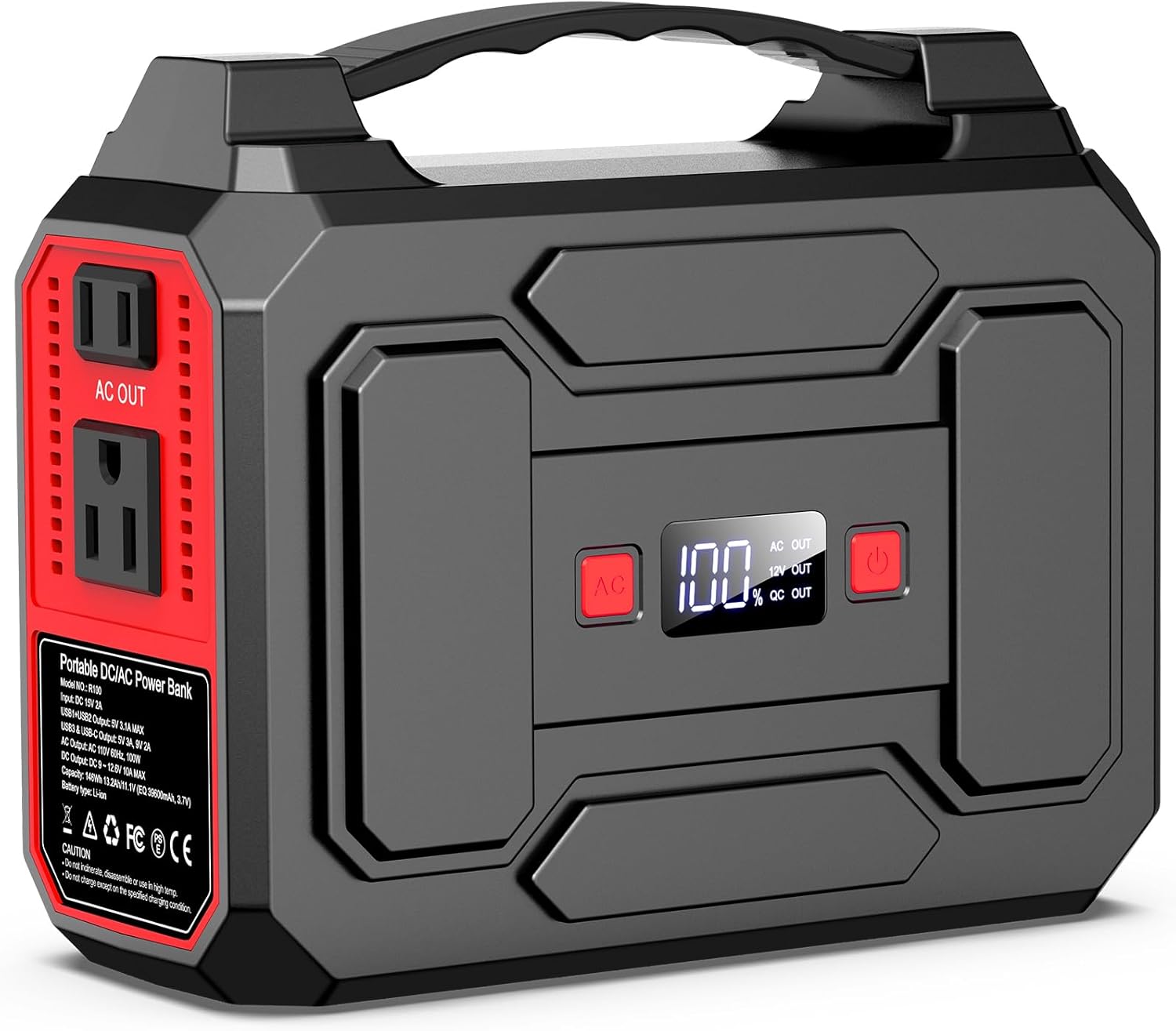

Product overview: Apowking Portable Power Station Bank 146Wh 200W Peak(100W Rated), Solar Powered Power Bank with AC Outlet 110V for Camping, Solar Charger Power Bank Battery Pack 39600mAh for Home Outdoor Emergency
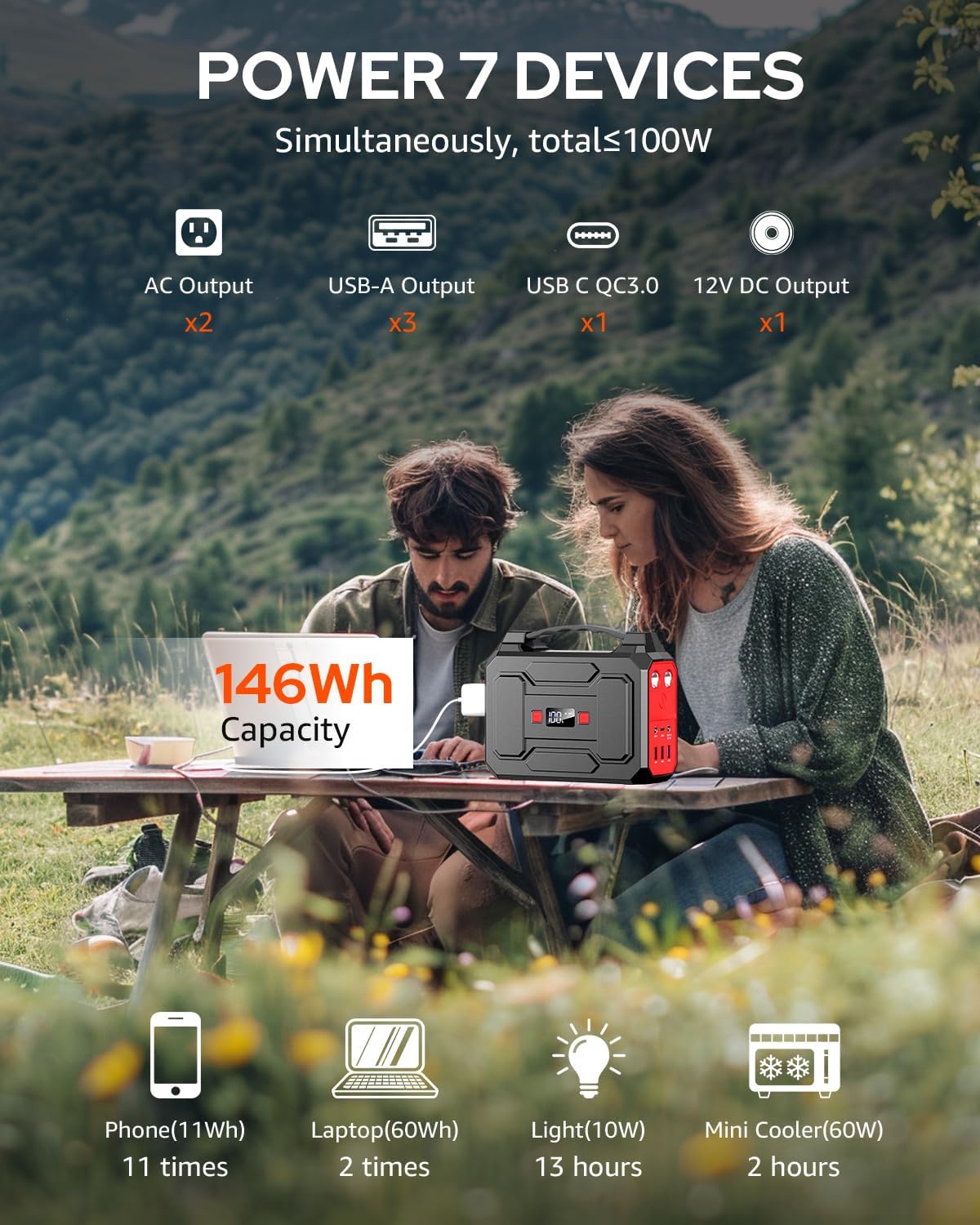
You’re looking at a lightweight, mid-capacity power station that’s designed to be easy to carry and versatile enough for many outdoor and emergency situations. It combines a 146Wh (39,600mAh) battery, a 100W continuous AC inverter (200W peak), multiple USB outputs, a DC output, and the option to recharge from solar panels.
Who this is for
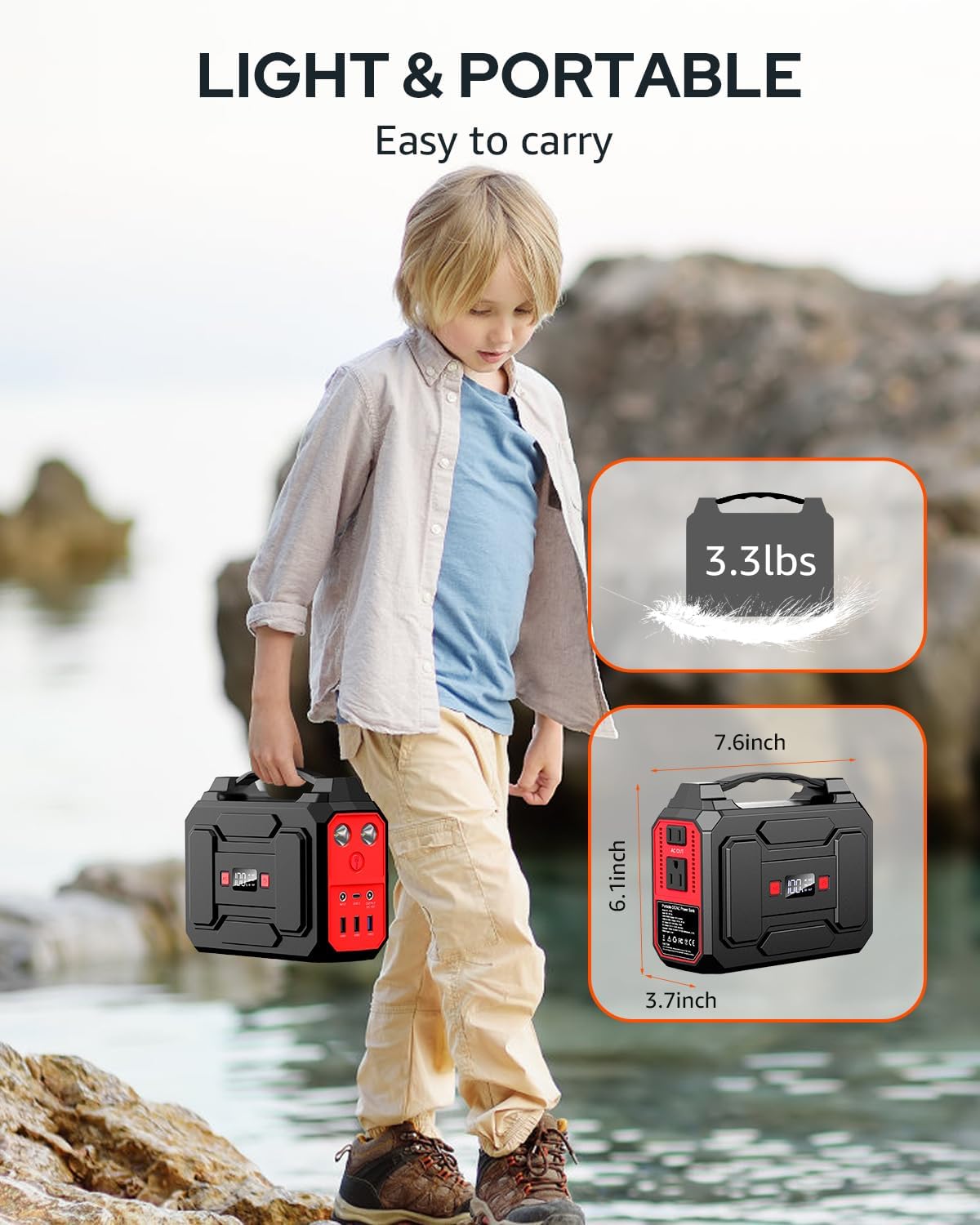
If you want a portable charger that can power phones, tablets, small laptops, lights, and low-wattage appliances during short trips or outages, this unit fits that role. You’ll appreciate the low weight (about 3.3 lb) if you pack light or hike with it.
What the product replaces
This unit isn’t meant to replace a full-sized home backup generator. Instead, it replaces a stack of individual power banks, USB chargers, and small battery packs, while adding an AC outlet so you can run devices that don’t charge via USB.

Apowking Portable Power Station Bank 146Wh 200W Peak(100W Rated), Solar Powered Power Bank with AC Outlet 110V for Camping, Solar Charger Power Bank Battery Pack 39600mAh for Home Outdoor Emergency
$79.99 In Stock
Key specifications at a glance
Below is a quick breakdown so you can scan the key specs and outputs before reading the deeper sections.
| Specification | Detail |
|---|---|
| Battery capacity | 146Wh (39,600mAh, nominal) |
| AC output | 2 × 110V AC outlets, 100W continuous, 200W peak |
| USB outputs | USB1 + USB2 (5V/3.1A combined) |
| Quick-charge ports | USB3 + USB-C QC 3.0 (5V/3A, 9V/2A) |
| DC output | 12V DC (9–12.6V / up to 10A) |
| Solar input | 13–23V (solar panel not included) |
| Weight | ~3.3 lb (1.5 kg) |
| LED flashlight | Dual LEDs with three modes: steady, strobe, SOS |
| Protection | Battery Management System (BMS) for voltage/temperature control |
| Accessories included | AC adapter, car charging cable, carport output cable, user manual |
| Warranty | 12 months |
Battery capacity and real-world run times
You’ll want to know how long this will actually power your devices. Nominal capacity is 146Wh; real usable energy will be lower after inverter and conversion losses.
How to interpret 146Wh
146Wh is a mid-range portable-station capacity. It’s enough to charge phones many times, top up tablets, run small laptops for a couple of hours, and power low-wattage appliances intermittently. You should plan for about 80–90% usable energy in ideal conditions; practical usable energy often sits closer to 70–85% depending on losses.
Example run-time estimates
Here are common devices and approximate run-times so you can plan. These estimates assume typical battery sizes and include conversion losses.
- Smartphone (≈12Wh battery): ~8–10 full charges.
- Tablet (≈30–40Wh): ~2–3 full charges.
- Small laptop (≈45–60Wh): ~1–2 full charges (or ~2–3 hours of use).
- Portable fan (10–20W): ~7–14 hours.
- LED light strip (5–10W): ~10–25 hours.
- DSLR camera (10–15Wh per battery): multiple recharges depending on camera battery size.
Remember, the AC outlet is limited to 100W continuous, so any device drawing more than that will either not run or will trigger overload protection.
AC output and what you can run
The presence of two 110V AC outlets makes the unit more flexible than USB-only power banks, but the 100W continuous rating is the limiter.
What 100W continuous means for you
You can run things like small laptops, chargers, LED lamps, small fans, and camera battery chargers. You will not be able to run high-power appliances like hair dryers, microwaves, space heaters, or most full-size refrigerators.
Peak power of 200W
The 200W peak helps with short surge demands like the startup of some small motors, but it only lasts briefly. If a device needs a sustained draw above 100W, the station will shut down or refuse to power it.
Ports and charging options
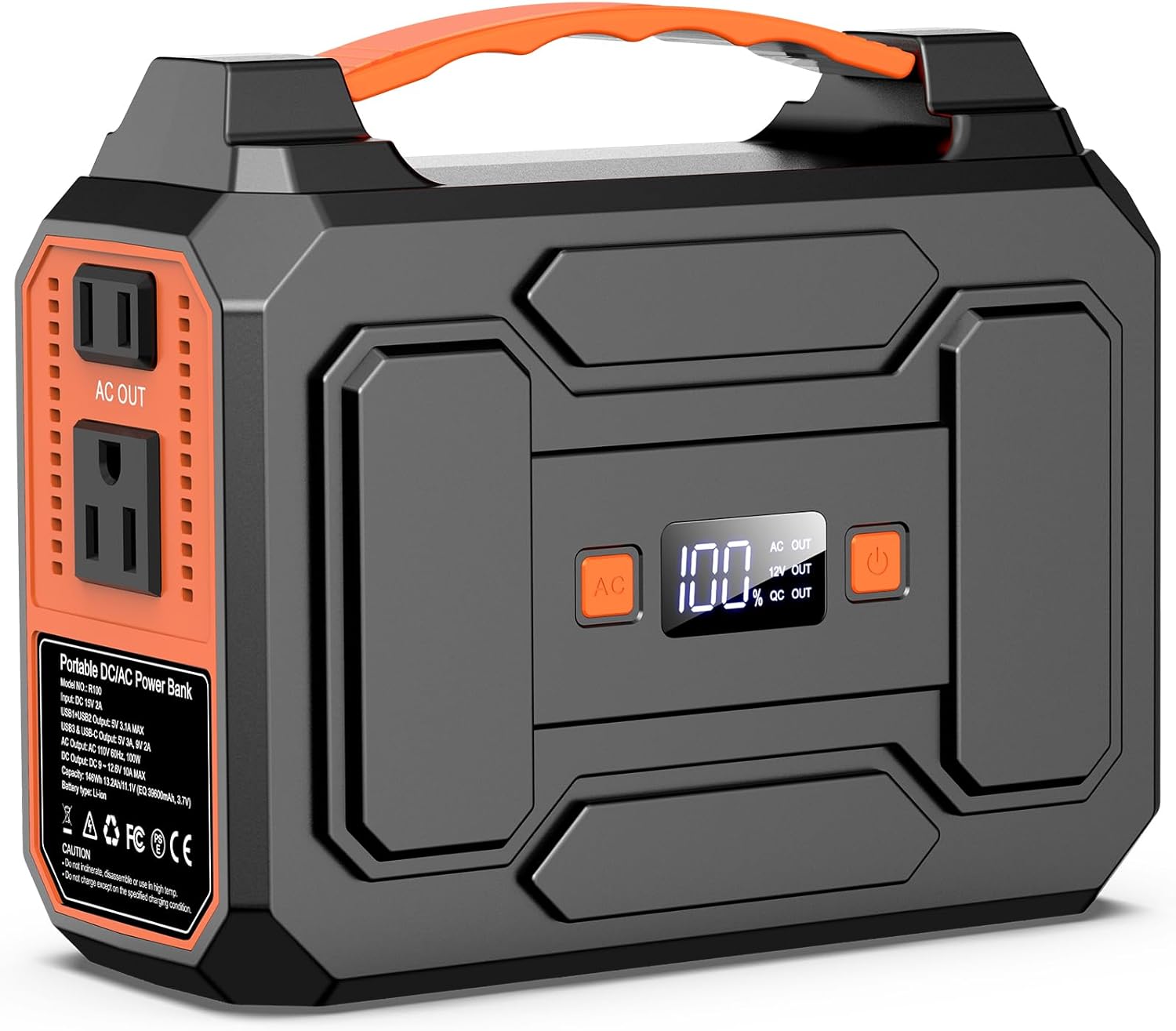
The mix of ports gives you flexibility for charging multiple devices at once.
USB and quick-charge ports
You get two standard USB ports that combine to 5V/3.1A and one pair of QC 3.0-style ports (including a USB-C) that support up to 5V/3A or 9V/2A. That means fast charging for phones and compatible tablets, and some smaller devices can be charged more quickly via USB-C.
DC output and car compatibility
A dedicated 12V DC output (9–12.6V, up to 10A) allows you to power car accessories like inflators, small car vacuums, or 12V camping gear. That output is handy if you’ve got devices that aren’t USB or AC-powered but are built for 12V cigarette-lighter sockets.
Charging the station: AC, car, or solar
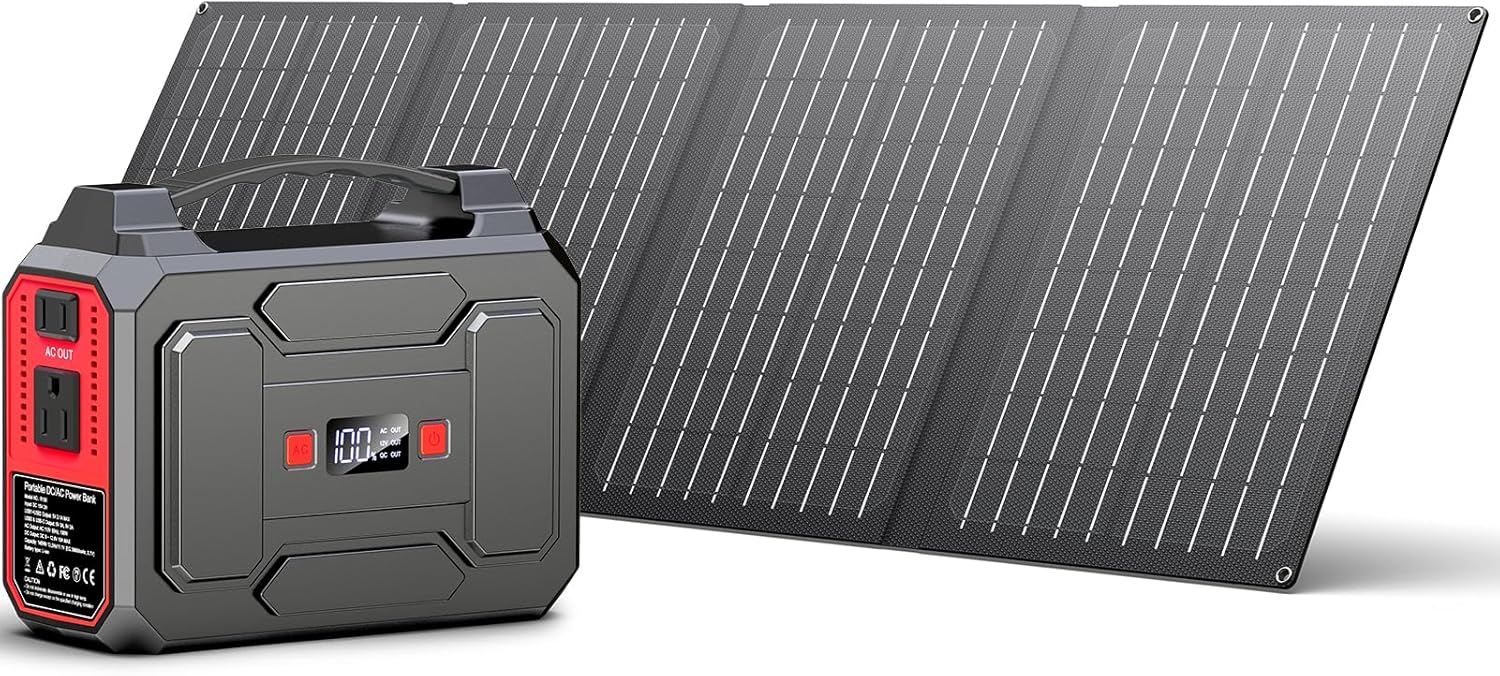
You can recharge the unit with the included AC adapter, by plugging into a car outlet via the provided cable, or by using a compatible solar panel (13–23V input). Solar panels are not included, so you’ll need to buy one that matches the input range and connector.
Solar charging: what to expect
Solar charging capability turns the unit into a solar generator when paired with a panel, which is excellent for extended off-grid trips.
Choosing a solar panel
Pick a panel that outputs between 13 and 23V. Optimal wattage depends on how quickly you want to recharge: a 100W panel will charge faster than a 50W panel, but actual charging speed depends on sunlight intensity, panel quality, and angle.
Estimated solar charge times
Under ideal conditions, a 100W solar panel might recharge 146Wh in roughly 2–3 hours of peak sun; realistically expect longer—2.5–6 hours—because real-world solar output varies. With a 50W panel, expect significantly longer recharge times, possibly a full day of good sun or more.
Design and portability
This unit is designed to be highly portable and user-friendly.
Size and weight
At about 3.3 pounds, you can comfortably carry this in a backpack or suitcase. Its compact dimensions make it suitable for day hikes, car camping, and as a grab-and-go emergency solution for your home.
Build and handling
The housing feels solid for the price point. Buttons and ports are logically placed and labeled so you can plug things in and check the screen quickly. There’s no heavy industrial casing, so treat it like a consumer electronic rather than a rugged survival tool.
Display and usability
You’ll find a small digital display that shows remaining battery and output status.
What the display tells you
The screen shows remaining power (as a percentage or estimated Wh), and indicates when AC/DC outputs are active. This helps you decide whether to use the AC outlet or conserve energy for critical USB charges.
Flashlight function
Dual LED flashlights with steady, strobe, and SOS modes are built in. They’re handy in low-light situations or for signaling, but they’re not a substitute for a dedicated high-lumen torch.
Safety and battery management
Safety features are important for any battery-powered system, and this unit includes a Battery Management System (BMS).
BMS protections
The BMS manages voltage, temperature, and current to prevent overcharge, over-discharge, short circuits, and overheating. You’ll have peace of mind knowing the unit will shut down or limit outputs if it detects unsafe conditions.
Thermal behavior
The unit is designed with heat-resistant components and chips to keep operating temperatures stable. Still, avoid leaving it in direct sun for prolonged periods while charging via solar to minimize thermal stress.
Practical use cases
You’ll find many practical scenarios where this unit is useful.
Camping and weekend trips
For camping, the power station can charge phones, GPS, headlamps, lighting, and a small portable speaker. If you have a small fan or micro-heater (within 100W), you can use those briefly as well.
Home emergency backup
During short power outages, you can keep essentials running: charge phones and tablets, power a small router, or run LED lights. It won’t run a full household load, but it provides crucial short-term power for communication and lighting.
Road trips and car backup
It’s convenient for road trips—you can operate a small cooler, power cameras, or use the DC port for 12V accessories. The car charger cable makes it simple to top up while driving.
Photography and drones
If you shoot on location, the AC outlet is handy for charging camera batteries and laptop editing gear. USB-C fast charging also helps keep phones and lightweight accessories topped up.
Setup and first-time charging
Getting started is simple and straightforward.
Out-of-the-box steps
- Unpack and inspect the unit and accessories.
- Fully charge the station using the included AC adapter before first use for best battery health.
- Familiarize yourself with the display and the locations of the AC, USB, and DC ports.
- If you plan to use solar, test the solar panel with the unit in bright sun to check connectivity and charge rate.
Tips for first charge
Charge to 100% before long-term storage and repeat a full charge/discharge cycle every few months if you store the unit unused for long periods. This keeps the battery healthy.
Maintenance and storage
Taking simple steps will help keep the station reliable.
Storage recommendations
Store the station in a cool, dry place with a partial charge (around 40–60% recommended for lithium batteries) if you won’t use it for a while. Avoid extreme temperatures.
Cleaning and care
Keep ports free of dust and debris. Wipe the exterior with a dry or slightly damp cloth. Use charging cables and accessories that match the manufacturer’s specs.
What’s in the box
You’ll get the essentials to get started right away.
- Apowking 146Wh portable power station/power bank × 1
- AC power adapter × 1
- Car charging cable × 1
- Carport output cable (for DC output only) × 1
- User manual × 1
The unit is covered by a 12-month warranty, and you should contact customer service if any issues arise.
Pros and cons
Here’s a quick summary so you can weigh the strengths and limitations.
Pros
- Lightweight and very portable for 146Wh capacity.
- Two AC outlets for greater flexibility.
- Multiple USB ports including QC 3.0/USB-C for faster charging.
- Solar input option for off-grid charging.
- Built-in flashlight with SOS and strobe modes.
- BMS for improved safety.
- Affordable mid-range option with good accessories included.
Cons
- 100W continuous AC limit restricts what you can run.
- Solar panel not included; you must buy a compatible solar panel separately.
- Not suitable for long-term whole-house backup or high-wattage appliances.
- Real-world usable capacity is lower than nominal due to conversion losses.
Tips to maximize runtime
You’ll get the best performance if you use a few practical strategies.
- Use the DC and USB ports when possible rather than the AC output; they’re more efficient.
- Turn off devices when not in use to prevent phantom drain.
- Reduce screen brightness on phones and tablets while charging.
- Avoid very high temperatures and charge in shade when using solar panels to keep efficiency stable.
- Keep the battery between 20–80% for daily use to extend its lifecycle.
Frequently asked questions
Here are answers to common questions you might have before buying.
Can this jump-start a car?
No. This is a portable power station for electronics and small appliances. It’s not designed for engine starting.
Can it run a fridge or a microwave?
No. Typical household fridges and microwaves require much more than 100W continuous. You’ll need a larger inverter and battery capacity for those appliances.
Is the battery replaceable?
This unit is a sealed consumer product. Battery replacement isn’t designed as a user serviceable procedure. Contact customer service and the manufacturer for repair or replacement options.
Can it run a CPAP?
It might run some CPAP machines depending on their power draw and whether you use DC or AC adapters. Check your CPAP’s wattage. If it’s under 100W and you have battery capacity to match your required runtime, it can work for short durations. Always test before relying on it for medical needs.
How long does the battery hold charge in storage?
If stored correctly at a partial charge and in a cool environment, the battery can retain charge for months. However, perform periodic checks every few months and recharge to a partial level if needed.
Safety and legal notes
Always observe safe practices when using portable power stations.
- Do not disassemble the unit.
- Keep away from water and flammable materials.
- Charge only with recommended adapters and compatible solar panels.
- Follow airline rules if you plan to travel with it—some airlines restrict battery capacities over certain Wh thresholds. At 146Wh, it may be allowed as carry-on on many airlines, but always check airline policies first.
Final recommendation
If you want a friendly, lightweight, and versatile mid-capacity power station that’s easy to carry and can handle phones, tablets, small laptops, low-wattage appliances, and 12V accessories, you’ll find a lot to like about the Apowking Portable Power Station Bank 146Wh 200W Peak(100W Rated), Solar Powered Power Bank with AC Outlet 110V for Camping, Solar Charger Power Bank Battery Pack 39600mAh for Home Outdoor Emergency. It’s especially useful for weekend campers, photographers on location, road-trippers, and people who want a reliable portable backup for short outages.
You should not expect it to run high-wattage appliances or serve as a full home backup. But for its size, weight, and price point, it’s a highly practical option that brings flexibility and peace of mind when you need portable power.
Disclosure: As an Amazon Associate, I earn from qualifying purchases.