
Have you ever been caught off-guard with a dead battery and wished you had a reliable all-in-one tool at your fingertips?

Quick overview
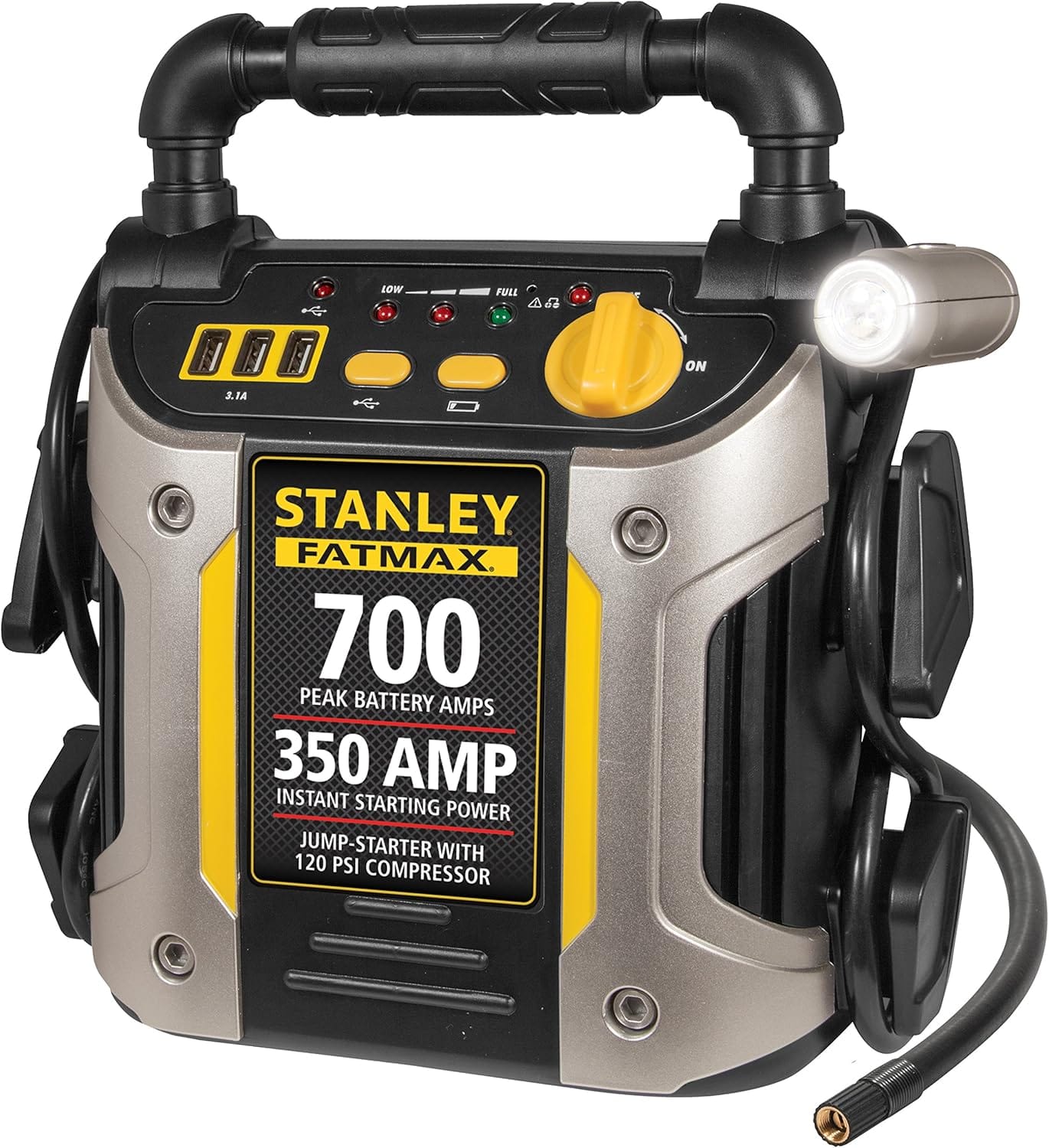
You’re looking at the Stanley FATMAX J7CS Portable Power Station Jump Starter 700 Peak Amp Battery Booster, 120 PSI Air Compressor, 3.1A USB Ports, Battery Clamps as a compact emergency-ready solution for vehicles and small outdoor tasks. It combines a high-current jump starter, a built-in air compressor, and multiple USB charging ports so you don’t have to keep separate devices cluttering your trunk.
Why this product might matter to you
If you want one device that handles dead batteries, inflates tires, and tops up your phone, this product aims to fill that role. It’s geared toward drivers, outdoor enthusiasts, and anyone who prefers to be prepared without juggling multiple gadgets.
What’s in the box?
You’ll find the jump starter unit, a set of battery clamps, an air hose, a charging cord for the unit, and likely a user manual or quick-start guide. The included accessories are designed to get you started right away, and the clamp and hose storage on the unit helps keep things tidy.
Accessories and immediate readiness
Because the unit includes the essential attachments, you won’t need to buy extra items for typical use. Still, you should check that the unit is charged before you store it in your vehicle so it’s ready when you need it.
Key specifications
Below is an easy-to-read breakdown of the main specs so you can quickly compare features and capacity.
| Feature | Specification |
|---|---|
| Peak Amps | 700 peak amps |
| Instant Starting Amps | 350 instant starting amps |
| Air Compressor | 120 PSI max |
| USB Ports | Three 15W / 3.1A ports (total output) |
| Safety Feature | Reverse polarity alarm |
| Compressor Auto Shutoff | 10-minute auto shutoff |
| Fit Type | Universal |
| Primary Uses | Jump starting, tire inflation, device charging |
| Included | Battery clamps, air hose, charging cord, manual |
How to read these specs
The peak amp value tells you the maximum short burst of power the unit can provide. The compressor rating indicates how much pressure it can generate, and the USB ports help you keep phones and accessories charged while you’re on the go.

First impressions and build quality
When you pick up the Stanley FATMAX J7CS, you’ll notice it feels solid and purpose-built for roadside use. The casing is designed to resist bumps and the handle makes it easy to move between your trunk and the roadside.
Materials and ergonomics
The combination of hard plastic housing and rubberized areas gives the unit a durable feel without being excessively heavy. The layout of buttons, ports, and clamp storage is intuitive, which means less fumbling when you’re in an emergency.
Jump starter performance
You want dependable power to start your vehicle, and that’s the core job of this device. With 700 peak amps and 350 instant starting amps, it’s suitable for most gasoline cars and many small trucks.
Starting different types of vehicles
If you’re starting a typical passenger car, you should find it reliable and fast; for larger trucks with high-displacement engines, expect that it might work for many models but you should check compatibility. Motorcycles and small engines will start very easily due to the ample burst power the unit provides.
Peak amps vs instant starting amps
It helps to understand the difference between peak amps and instant starting amps so you know what to expect. Peak amps represent the highest short surge the unit can put out right when clamps make contact; instant starting amps are a more realistic measure of continuous starting power.
Real-world meaning for you
In practice, the 350 instant amps is what will actually get your engine cranking consistently, while the 700 peak indicates how much extra burst the unit can produce to handle tough starts. If your car is modern and has a larger battery, you may still want to keep an eye on temperature and repeated start attempts.
Air compressor performance
A big benefit here is the 120 PSI air compressor built into the same unit, which makes inflating tires and inflatables straightforward without bringing a separate pump.
Tire inflation speed and auto shutoff
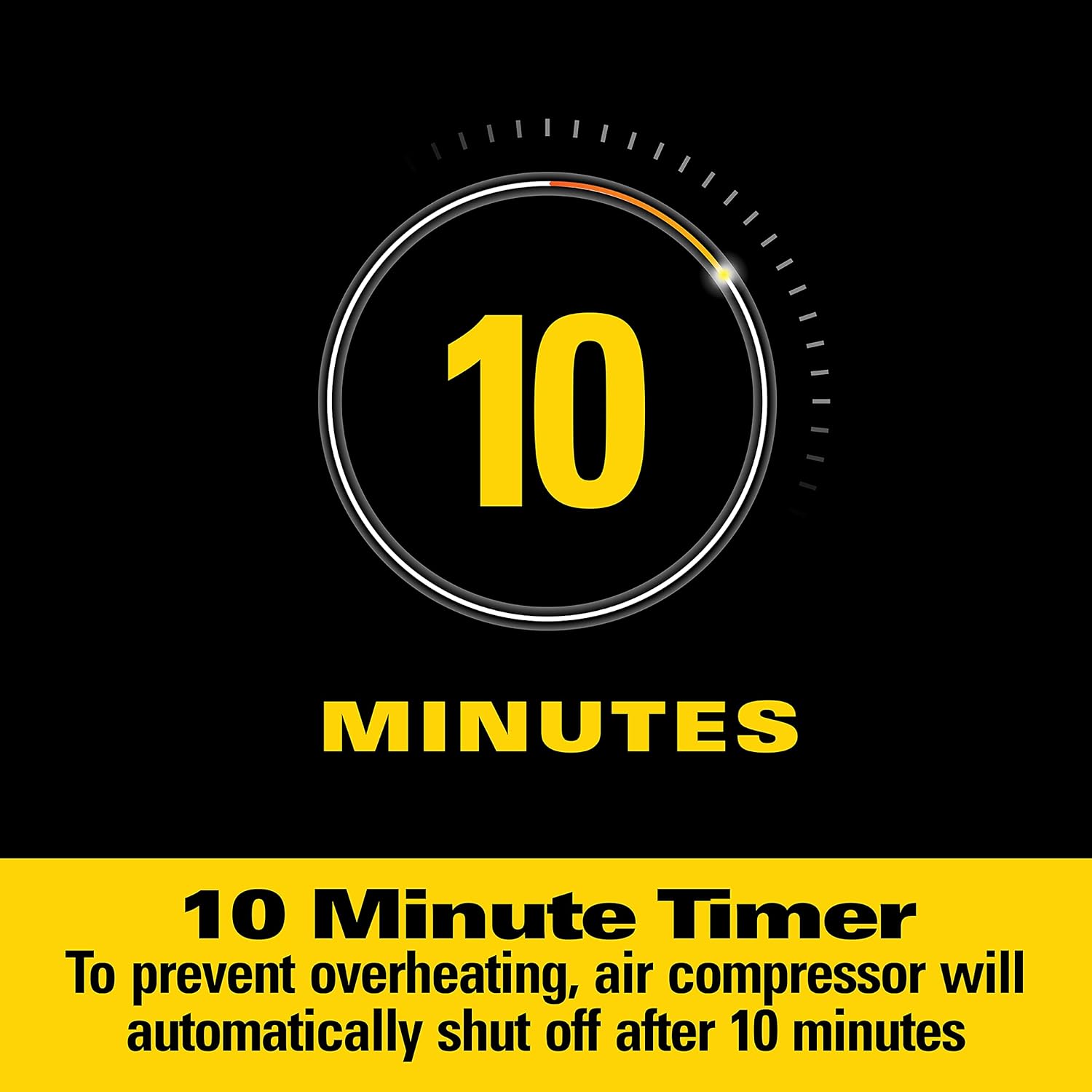
The compressor will quickly bring a moderately deflated car tire up to pressure; expect inflation times in the range of several minutes per tire depending on how flat it is. The new 10-minute Auto Shut Off timer helps prevent overheating or damage if the compressor is accidentally left running.
Using the compressor for sports equipment and smaller tires
You’ll be able to inflate bike tires, scooter tires, and sports balls without issue. For very small inflatables, you’ll need to watch pressure carefully as the pump is strong and might overfill if you’re not monitoring the gauge while inflating.
Tips for best compressor results
Attach the hose snugly to prevent air leakage, set a clear target PSI before you start, and use the 10-minute timer as a safety measure rather than a substitute for monitoring. If the compressor gets hot after extended use, let it cool down before the next session.
USB charging and power output
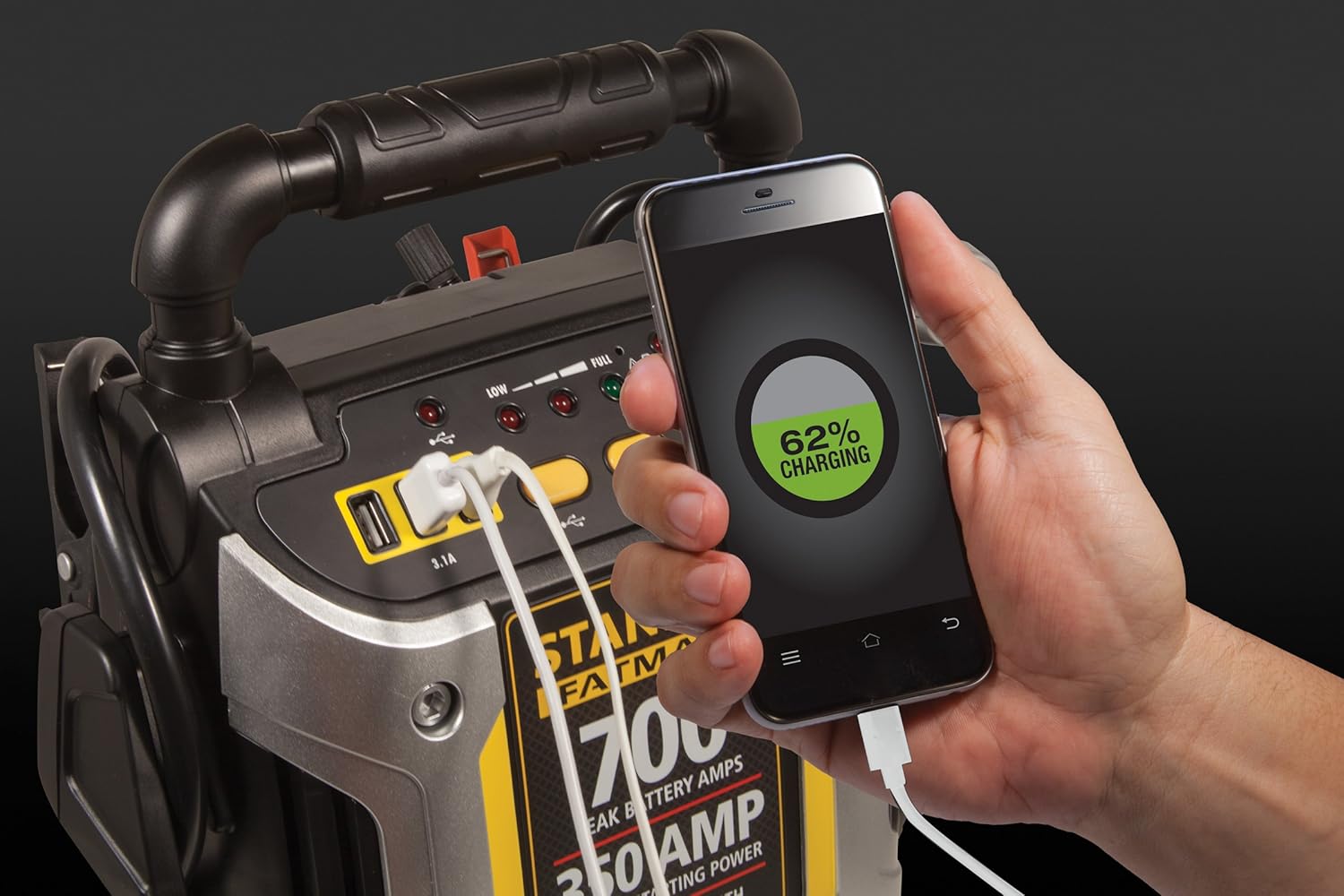
The three 15W/3.1A USB ports let you charge phones, tablets, and small accessories while you’re on the road or waiting for help. This is handy when you’re using the unit as a mini power bank during roadside emergencies.
Real-world USB charging situations
If you’re charging a smartphone, you’ll get a useful top-up that could help maintain battery life while you coordinate roadside assistance. Charging multiple devices simultaneously is possible but may lengthen total charge times because port output is shared.

Safety features
Safety is crucial when working with high-current devices, and this unit includes several protections to keep you and your vehicle safe. The reverse polarity alarm is a standout feature that helps prevent dangerous connections.
Reverse polarity alarm and electrical protections
If you accidentally hook the clamps up backwards, the reverse polarity alarm alerts you immediately so you can correct the connection before power flows. Additional internal protections guard against overcurrent, short circuits, and overcharging.
Thermal protection and compressor auto shutoff
The compressor’s 10-minute auto shutoff prevents prolonged overheating, and the unit will usually incorporate thermal cutoffs in other areas to protect the internal battery and electronics from excessive heat. These protections extend the lifespan of the device and reduce risk during stressful use.
Why these protections matter to you
If you’re in a hurry or distracted, these features can prevent accidents and damage. They give you an added margin of safety so that an error or forgetfulness doesn’t result in expensive repairs.
Using the clamps and connections correctly
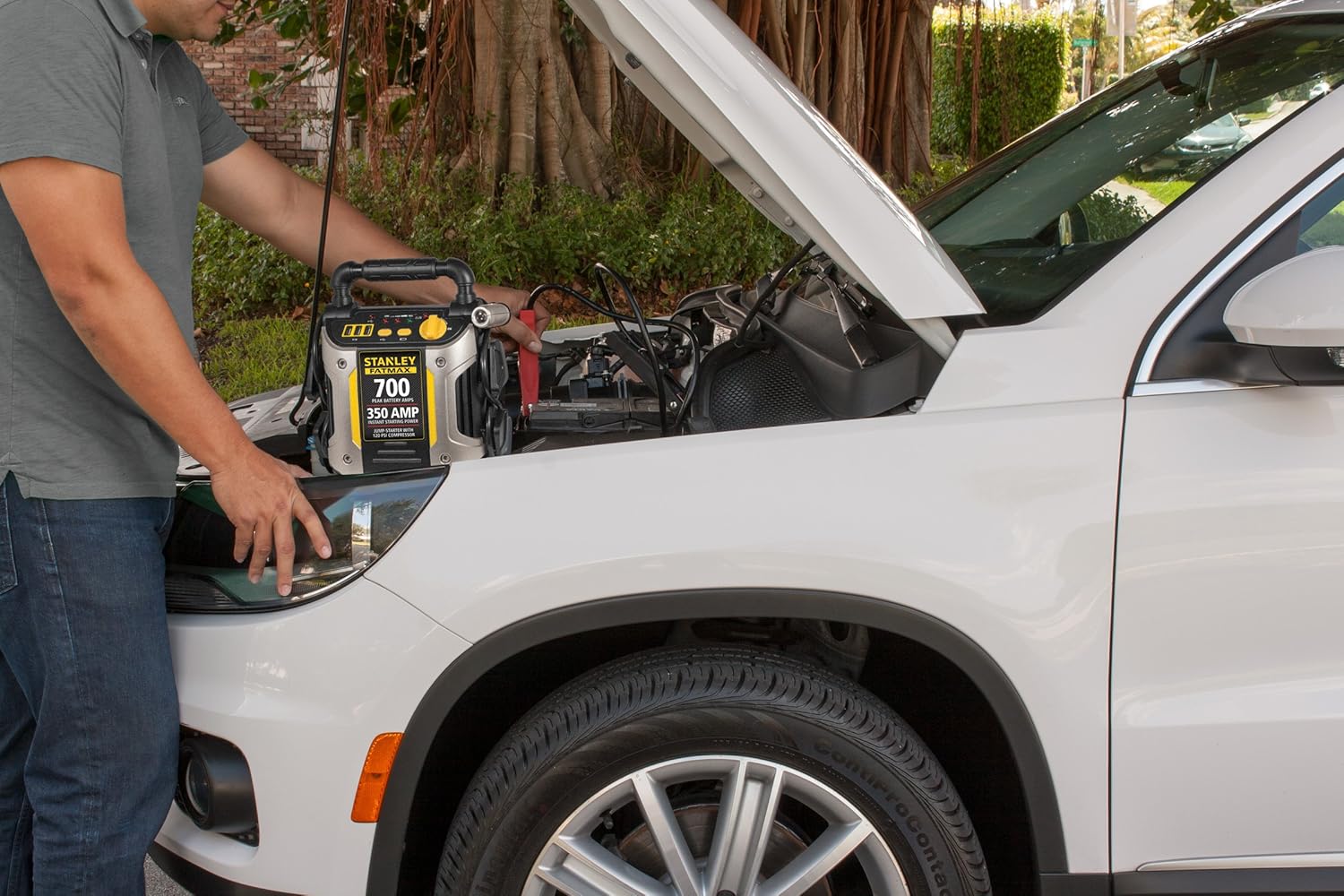
Using the battery clamps correctly is essential for safe and effective jump starting. You connect the clamps to the battery, turn on the switch, and then start your vehicle.
Step-by-step clamp protocol
Attach the red clamp to the positive terminal and the black clamp to the negative or a grounded metal surface. Ensure the connection is secure, turn on the unit, and attempt starting the vehicle. If the reverse polarity alarm sounds, stop and correct the clamps immediately.
Common mistakes to avoid with clamps
Don’t attempt to jump-start a battery that’s visibly leaking or frozen, and avoid connecting clamps to corroded terminals without cleaning them first. Also, be cautious with the clamp placement to prevent metal-on-metal contact that could cause sparks.
Clamp maintenance tips
Keep the clamp surfaces clean and dry, and stow them properly on the unit after use to prevent corrosion. If the clamps show wear or damage, replace them rather than risking a failure during use.
Battery and charging the power station
To keep the unit ready, you should charge it regularly and store it in a place where battery life won’t be compromised. The specific charge time depends on the provided charger and the state of the internal battery.
How often to charge and storage recommendations
If you keep the unit in your vehicle, check and top it up every few months to maintain charge. In very cold temperatures, battery capacity drops, so store it in a warmer location if possible and charge more frequently.
Runtime expectations
Because the primary function is providing high current bursts for jump starting, the internal battery is optimized for peak delivery rather than extended deep-cycle use. For repeated jumps or long compressor operation, you’ll want to monitor the battery state and recharge as needed.
What to expect when you need multiple jumps
If you need to start several vehicles in succession or perform long inflation tasks, allow some recharge time between demanding uses and avoid consecutive heavy loads to reduce heat buildup.
Portability and design
The Stanley FATMAX J7CS is designed to be portable enough to store in a trunk while still being powerful for its size. The carrying handle, organized clamp storage, and integrated hose attachments make for convenient transport.
Weight and practicality for daily drivers
While not as light as a small handheld starter, it balances power with portability, so you won’t hesitate to move it when needed. The footprint is compact enough to tuck into a trunk corner, under a seat, or in a garage cupboard.
Real-world tests and scenarios
Putting the unit through real-world situations helps you understand its strengths and limits. From emergency jump starts to inflating a flat tire while on a road trip, the unit aims to reduce downtime and stress.
Roadside emergency workflow
When you’re stalled with a dead battery, you can get the unit out, connect the clamps, and be ready to start in minutes if the battery condition isn’t catastrophic. At the same time, you can use the USB ports to keep your phone alive for calls or navigation.
Camping and outdoor uses
If you’re camping, the compressor and USB ports are useful for small tasks like keeping inflatables firm and charging devices off-grid. Keep in mind that the unit isn’t intended to power large appliances for extended periods.
Comparison with competitors
Comparing the Stanley FATMAX J7CS to other brands helps you decide if its trade-offs match your needs. It lands in the mid-range segment where integrated air compressor and jump starter combos are less common.
Strengths versus similar products
Its built-in 120 PSI compressor and 700 peak amp rating give it a multi-function edge over some jump starters that only provide cranking power. The reverse polarity alarm and three USB ports also add convenience that some rivals don’t include.
Potential limitations compared to higher-end models
Higher-end dedicated jump starters may offer greater peak amps and faster recharge or come with built-in air pressure gauges and more refined battery management systems. If you need professional-level repeated use, a larger unit might be better suited.
Pros and cons summary
Laying out the main positives and negatives helps you quickly weigh purchase decisions.
Pros
- Multi-function: jump starter, air compressor, USB charging in one unit.
- 700 peak amps, 350 instant amps suitable for most passenger vehicles.
- 120 PSI compressor with 10-minute auto shutoff for safer operation.
- Reverse polarity alarm reduces user error risk.
- Compact, durable design for trunk storage and roadside use.
Cons
- May struggle with very large diesel engines or heavy trucks.
- Compressor can heat up with extended use; auto shutoff limits continuous operation.
- USB charging is useful but not a replacement for larger portable power stations.
- You’ll need to monitor battery charge if the unit sits unused for long periods.
Maintenance and care
Regular maintenance will extend the life of your unit and ensure it’s ready when you need it. Simple upkeep is often sufficient.
Routine checks and cleaning
Inspect clamps and cables for corrosion, charge the unit periodically, and clean the outer shell. Replace any damaged parts immediately and keep the stopper seals on the compressor attachments dry and free of debris.
Cold-weather considerations
At low temperatures, battery performance drops, so the effective starting capacity may decrease. Store the unit indoors or keep it warm before use in very cold climates.
What to do before winter trips
Charge the unit fully before leaving, consider keeping it in a climate-controlled compartment if available, and test it at home to confirm functionality before you depend on it.
Troubleshooting common issues
If the unit doesn’t start, the compressor won’t run, or the clamps don’t power up, there are a few common checks you can perform before contacting support.
If the unit won’t power on
Make sure the internal battery is charged and the charger is functioning. Check for blown fuses if applicable, and ensure the unit’s main switch is in the correct position.
If the compressor fails to build pressure
Confirm the hose connections are secure and the valve is not clogged. Let the unit cool if it had been used for an extended period—the auto shutoff may have engaged.
If clamps don’t deliver power
Verify clamp connections, clean contact surfaces, and confirm you aren’t triggering the reverse polarity alarm. A faulty clamp or internal connection may need manufacturer service.
Tips and best practices
Small habits will give you much better long-term reliability and reduce the stress if and when you have to use the device.
Keep it charged and easily accessible
Check the charge every one to three months, depending on how often you use it. Store it where you can easily access it, not buried deep under luggage.
Read the manual and familiarize yourself
Take five to ten minutes at home to practice connecting clamps and using the compressor so that in a real emergency you’ll move confidently and safely. Familiarity with the controls reduces user error and speeds response time during stressful moments.
Warranty and customer support
Stanley usually backs their products with a warranty and customer support channels that help you if something fails. Make sure you register the product if required and keep purchase records.
What to look for regarding warranty
Check the warranty period for the specific model and what behaviors or damages are excluded. For example, misuse or unauthorized modifications can void the warranty, so follow the manufacturer’s guidance.
Where this product fits in your toolkit
If you want a single, trunk-friendly solution for common roadside emergencies, the Stanley FATMAX J7CS is a good match. It’s designed for drivers who value compact versatility over raw industrial power.
Ideal user profiles
You’ll appreciate this unit if you drive a daily sedan, SUV, or light truck, enjoy weekend camping trips, or often transport bikes and sports gear. It’s also a practical gift for new drivers who should have basic emergency gear.
Final verdict
If you want the convenience of one unit that handles jump starts, inflations, and device charging without taking up too much trunk space, this model delivers strong value. The combination of 700 peak amps, a 120 PSI compressor, reverse polarity alarm, and three USB ports makes it versatile enough for typical emergencies and daily convenience tasks.
Recommendation summary
You should consider the Stanley FATMAX J7CS if you want a reliable multi-purpose roadside tool that balances safety features and real-world capability. If your needs include repeated starts for heavy-duty diesels or professional-grade continuous compressor work, you may want to look at larger, specialized units instead.
Frequently asked questions (FAQ)
Below are answers to common questions you might have before buying or using the unit.
How many times can I jump-start a car on a single charge?
It depends on battery size, vehicle condition, and temperature; typically several starts for a standard passenger car, but repeated heavy use will drain the internal battery and require a recharge more quickly.
Can this start diesel engines?
It may start smaller diesel engines, but it’s primarily optimized for gasoline engines and smaller trucks. For heavy-duty diesel engines, a higher-amp starter is recommended.
Is the compressor suitable for inflating a flat car tire?
Yes, it will inflate a flat car tire, though a very-flat tire will take several minutes and you should monitor the unit to avoid overheating. The 10-minute auto shutoff helps protect it from prolonged use.
Does it have a built-in gauge for the compressor?
Some packages include a gauge or have pressure indicators; check the specific product details or manual for the exact configuration. If a gauge is not integrated, consider using a separate tire pressure gauge to confirm target PSI.
What should I do if the reverse polarity alarm sounds?
Stop immediately, disconnect the clamps, swap the clamp positions so they match positive-to-positive and negative-to-negative (or negative-to-ground), and then try again.
If you’re ready to simplify your emergency kit and reduce the number of separate devices you carry, this Stanley FATMAX J7CS Portable Power Station Jump Starter 700 Peak Amp Battery Booster, 120 PSI Air Compressor, 3.1A USB Ports, Battery Clamps offers a practical, user-friendly package that’s well-suited to everyday drivers and weekend adventurers.
Disclosure: As an Amazon Associate, I earn from qualifying purchases.