
Looking for a compact power station that can keep your essentials running during outages, on trips, or while you’re working off-grid?

First impression and overview
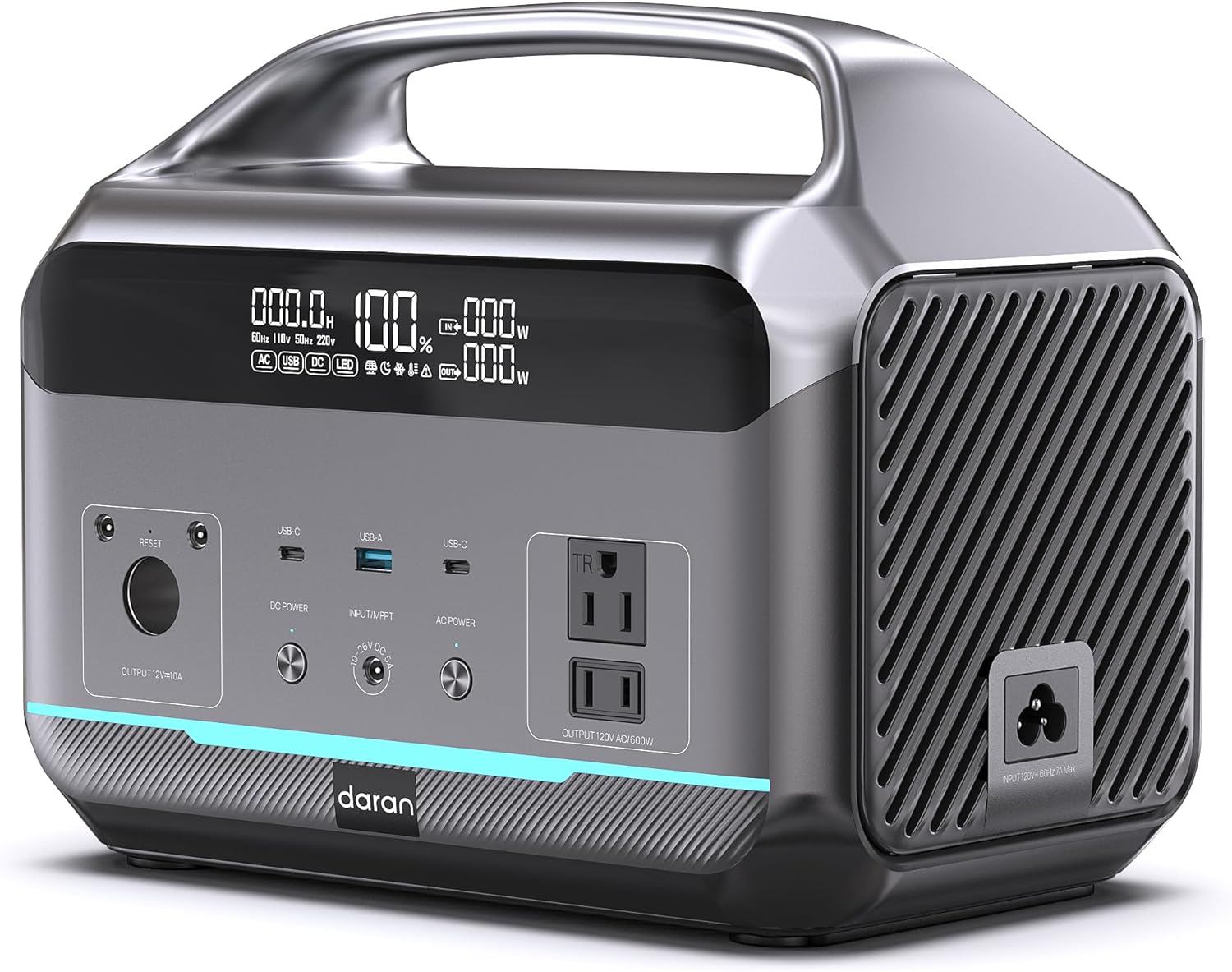
You’ll notice this Portable Power Station 600W(1200W Surge), 288Wh(90,000mAh) Solar Generator LiFePO4 Battery with AC Outlets, 1.7H Fast Charging for Home & Emergency, Hurricane, CPAP is built to be practical and straightforward. It balances usable capacity, fast AC recharging, and a long-life LiFePO4 chemistry in a package that’s light enough to carry to the car or stash in a closet. If you want dependable short-term backup and portable power for multiple devices, this unit aims to be a versatile choice.
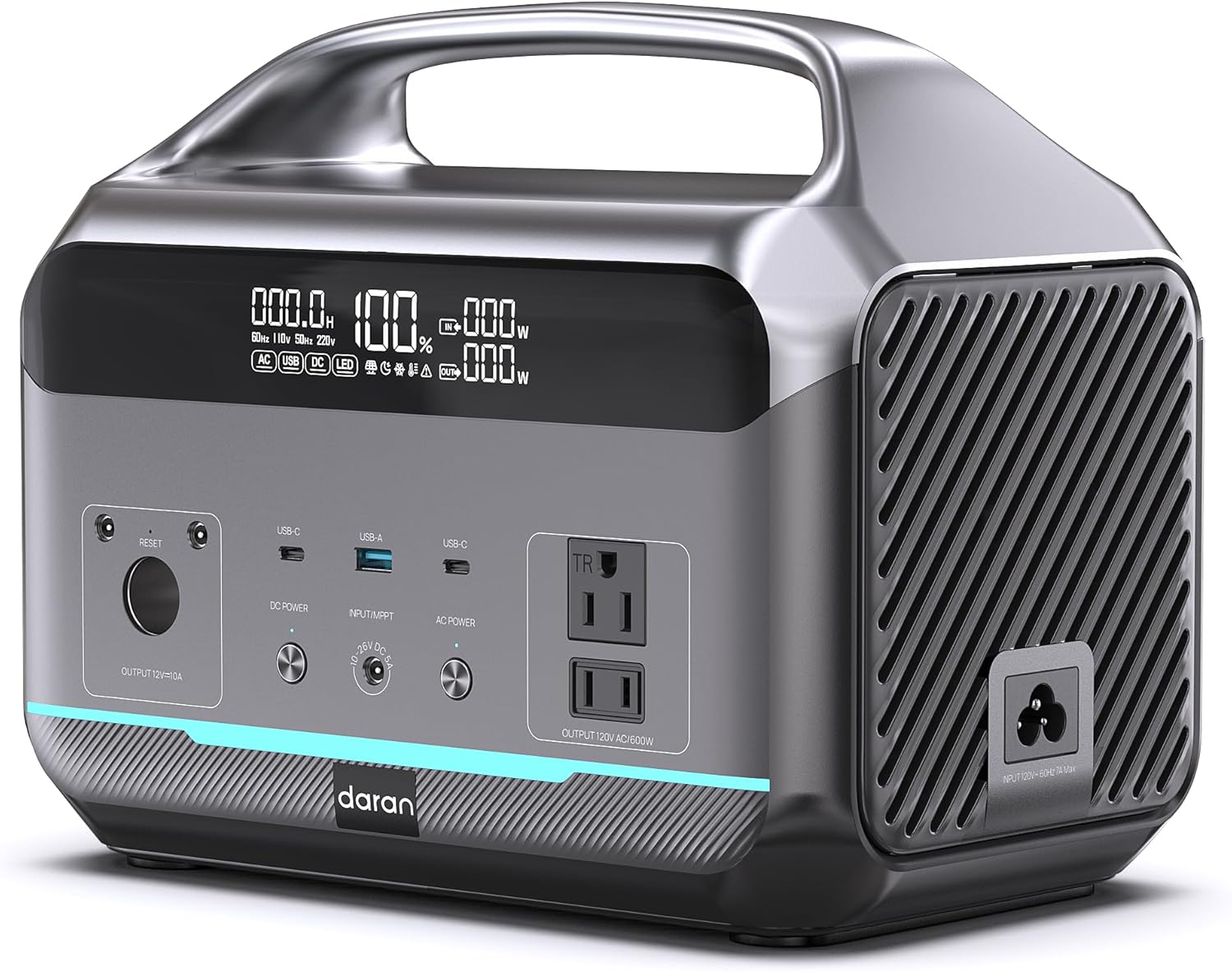
Portable Power Station 600W(1200W Surge), 288Wh(90,000mAh) Solar Generator LiFePO4 Battery with AC Outlets, 1.7H Fast Charging for Home & Emergency, Hurricane, CPAP
$189.99 In Stock
Key specifications at a glance
This quick table helps you see the most important numbers before you dig deeper into how those specs translate to real use.
| Specification | Value |
|---|---|
| Model name | Portable Power Station 600W (1200W Surge), 288Wh (90,000mAh) |
| Battery capacity | 288Wh (rated) |
| Battery chemistry | LiFePO4 |
| Cycle life | 3500+ cycles |
| Continuous output | 600W |
| Surge output | 1200W |
| AC input (fast charge) | 170W |
| DC input (car/solar) | 100W |
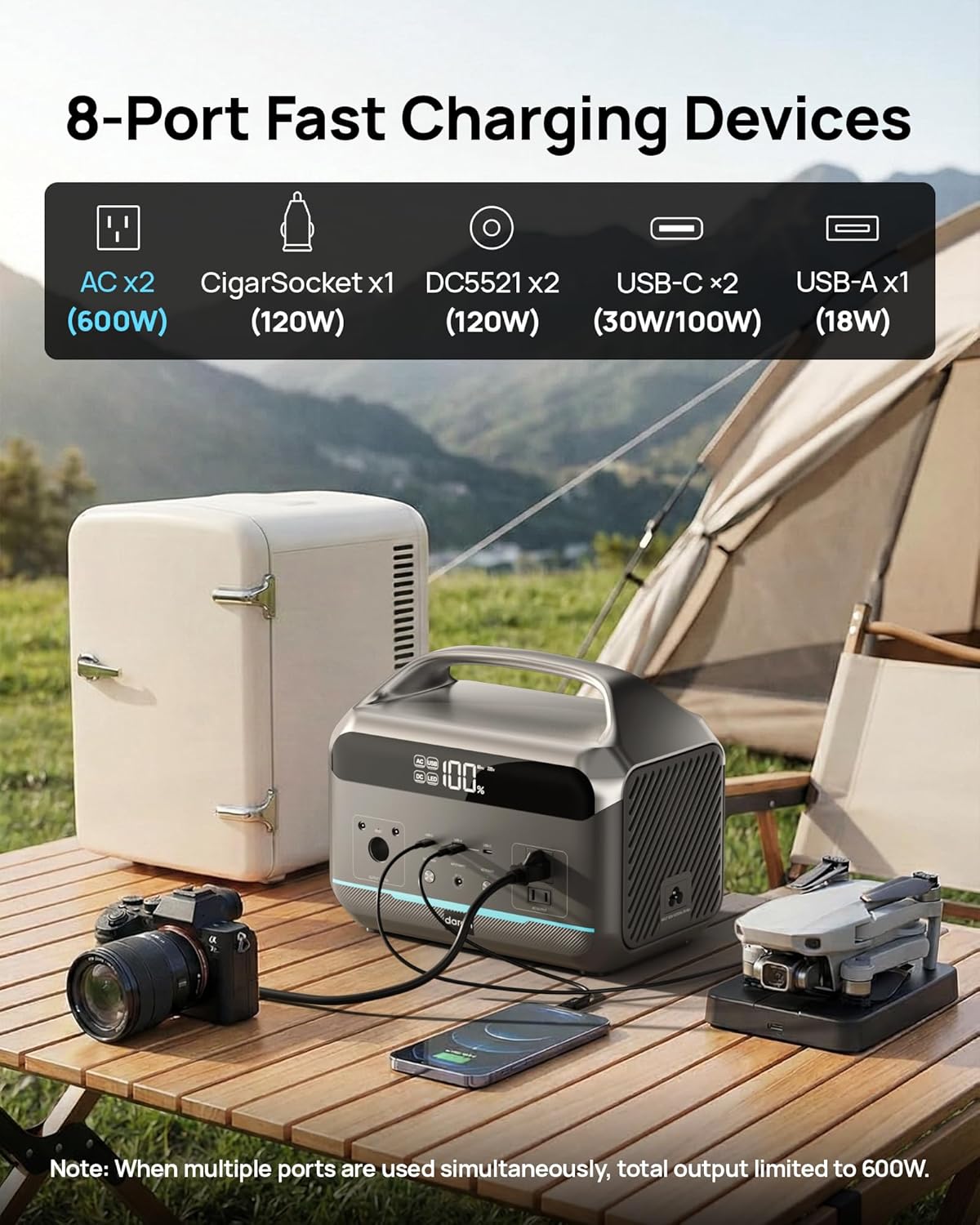
| AC outlets | 2 |
| USB outputs | 100W USB-C PD, 30W USB-C, 18W USB-A |
| DC outputs | 2 × DC5521 (120W combined) |
| Car socket | 120W (12V) |
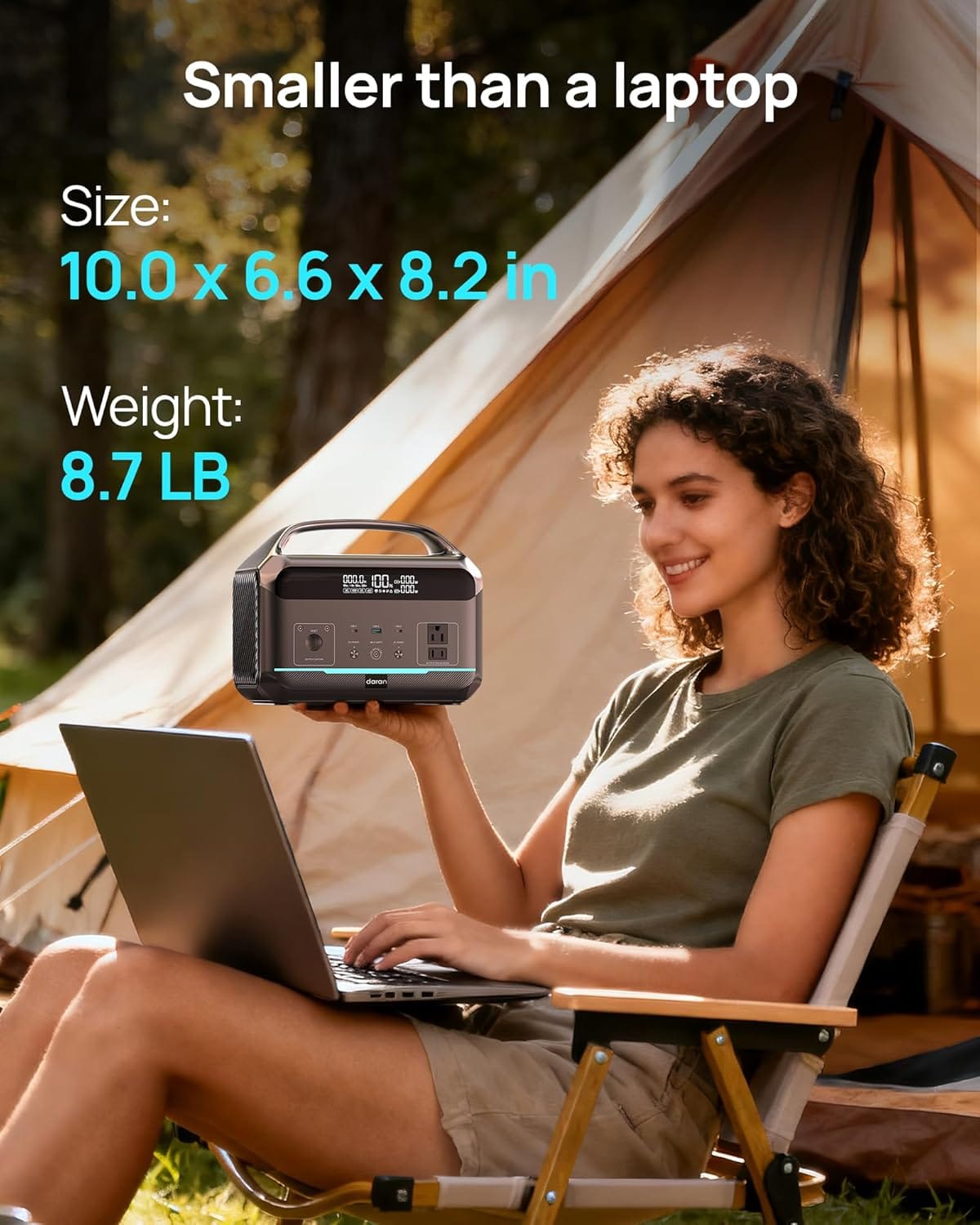
| Dimensions | 10.0 × 6.6 × 8.2 inches |
| Weight | 8.7 lb |
| Estimated AC recharge | ~80% in 1–1.5 hours (170W AC) |
| Solar & car charging | Supports 100W DC input (sold separately) |
Design and portability
The unit’s relatively small footprint and 8.7 lb weight make it easy for you to lift and move. It’s compact enough to fit in a trunk, RV storage, or a closet at home. The molded handle and rectangular shape are practical for transport and storage. You’ll find it simple to grab and take with you for short trips or to place near your bed or CPAP machine during outages.
Battery chemistry and longevity
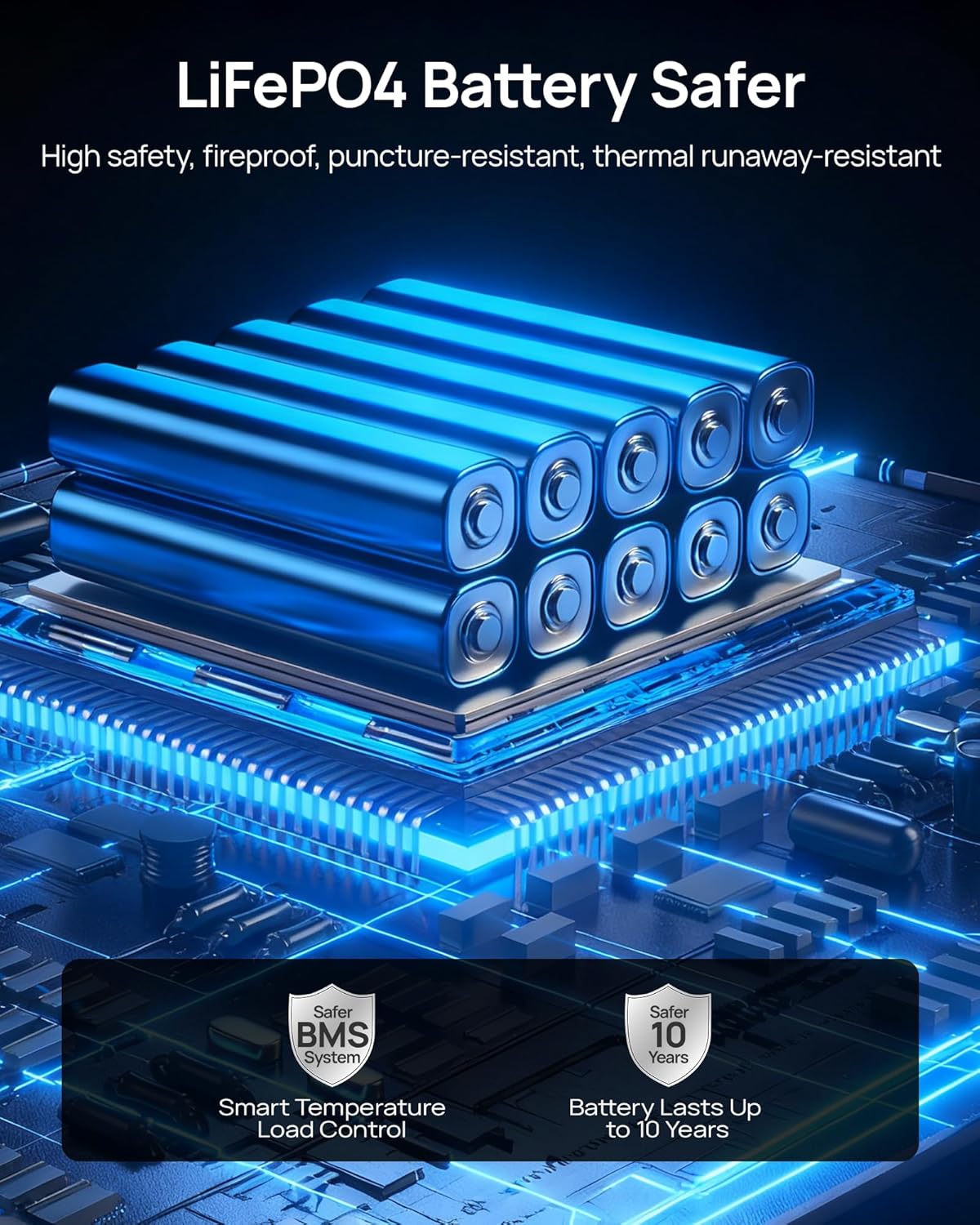
Because the power station uses a LiFePO4 battery, you get a chemistry known for safety and long cycle life. The 3500+ cycle rating means if you charge it every day, you’re looking at many years of use—far longer than typical lithium-ion packs. That means lower long-term replacement cost and more reliable capacity retention over time. You’ll also benefit from a Battery Management System (BMS) that protects against overheating, overcurrent, and short circuits, which is important if you plan to use it indoors or overnight.
Charging options and speeds
You can recharge the unit in multiple ways depending on what’s available:
- AC fast charging: The unit supports up to 170W AC input, letting you recharge to roughly 80% in about 1–1.5 hours and reach a full charge in roughly 1.5–2 hours under normal conditions. That’s unusually fast for a compact 288Wh battery and makes it convenient when power returns briefly after an outage.
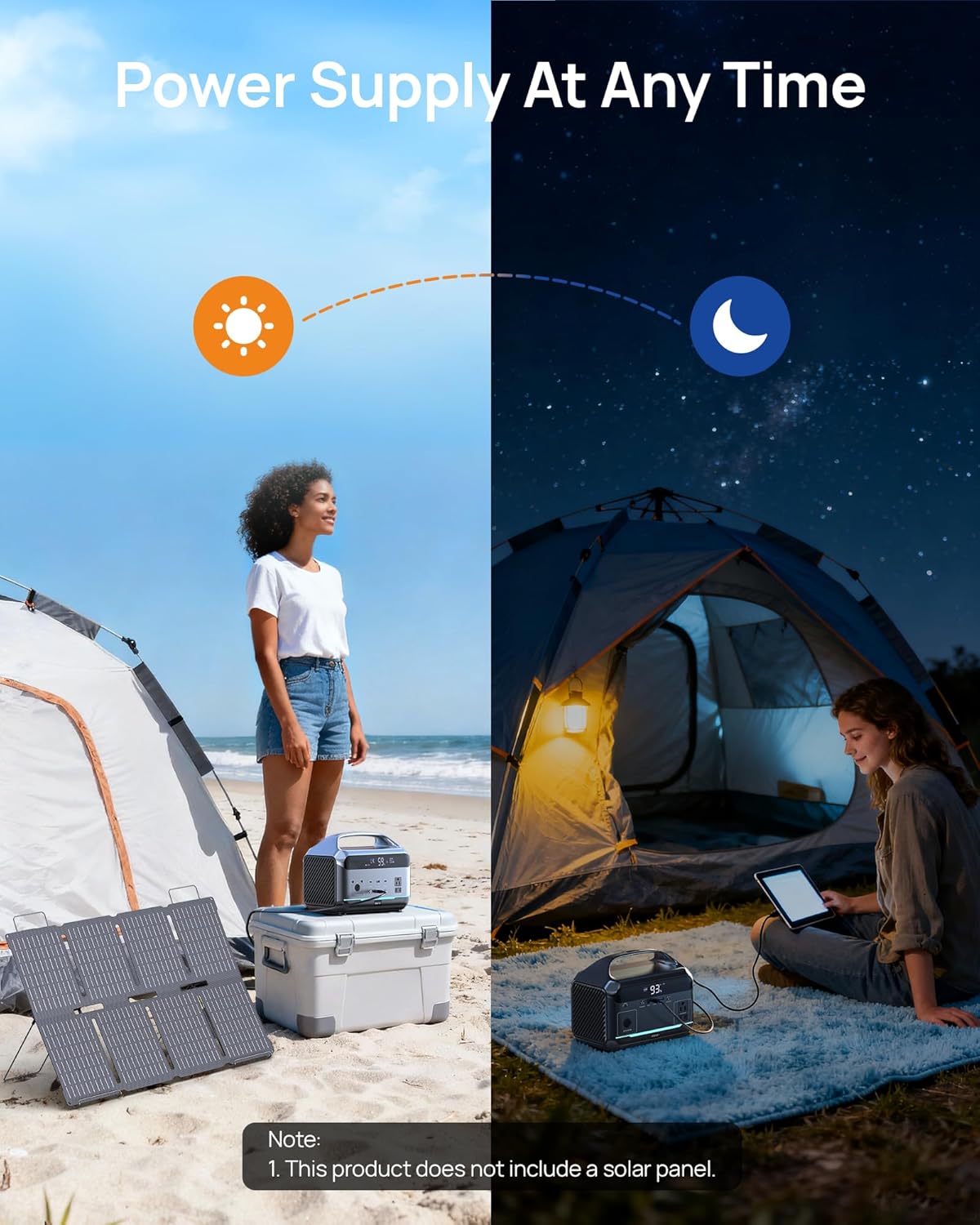
- DC input (car/solar): It supports up to 100W DC input for car charging or solar panels. A 100W solar panel in ideal conditions can recharge the unit in roughly 3–4 hours; in real-world conditions it will likely take longer due to panel orientation and sun conditions. Car charging via a suitable DC cable is convenient when you’re driving but is slower than AC.
- Simultaneous charging: The manufacturer details dual input support, but simultaneous charging behavior (whether AC + DC speeds combine) can vary by unit. If you need the absolute fastest recharge, check the manual or ask for confirmation from the seller before relying on any combined-charge claims.
Ports and practical output options
You get a versatile set of ports that let you power many device types simultaneously:
- 2 AC outlets: For laptops, small appliances, chargers, and medical devices that stay below 600W continuous.
- 100W USB-C PD: Ideal for fast-charging laptops and phones that support USB-C PD.
- 30W USB-C and 18W USB-A: For phones, tablets, cameras, and accessories.
- 2 DC5521 ports (120W total): Good for certain DC devices or converters.
- 120W car socket (12V): Handy for car accessories and some mini-fridges.
This configuration means you can charge many devices at once—phones, a laptop, camera batteries, lights, and even a small fridge—without needing to swap plugs constantly.
Real-world runtimes and examples
The capacity is 288Wh, so use the following estimates as general guidance. Real runtime will vary with device efficiency, age, and actual power draw. In these examples, assume some conversion loss when using the AC inverter—plan on a roughly 10–15% efficiency hit depending on the device.
- Phone (15 Wh per full charge): roughly 15–18 full phone charges.
- Laptop (60W draw): about 3.5–4.5 hours of runtime, or several partial charges depending on laptop battery size.
- Car refrigerator (60W average): about 4–5 hours continuous run (matches manufacturer estimate).
- CPAP (30–60W, depending on model and humidifier use): roughly 4–8 hours depending on the exact wattage and whether you use heated humidification.
- Small TV (30–50W): approximately 5–8 hours.
- LED lights (10W total): many hours—think overnight camping or several nights of lighting.
Remember: high-power devices like microwaves, large coffee makers, or full-size refrigerators typically exceed the 600W continuous limit and may not be supported despite the 1200W surge rating.
Surge capacity and what it does for you
The 1200W surge rating helps handle short startup currents from motors and compressors. If you’re running a device with a motor (small fridge, sump pump, or some power tools), the brief surge it needs to start might be manageable even if its running wattage is below 600W. However, check the startup surge of any motorized appliance you want to run—many bigger appliances require larger surges or higher continuous power than this unit can provide. You should keep the total connected load under 600W continuously, or you risk tripping the inverter protection.
Safety features and indoor use
You can feel comfortable using the station indoors because it’s a battery-powered, fuel-free device and doesn’t generate exhaust. The BMS provides protection against common problems: over-temperature, over-current, over-voltage, and short circuits. Because the battery is LiFePO4, the chemistry is more thermally stable than many lithium-ion chemistries, which reduces fire risk in normal operation. Nonetheless, avoid exposing it to extreme heat or water and follow the manufacturer’s guidance for charging and storage.
Noise and emissions
The unit is essentially silent during normal operation because it uses a battery and inverter. If there’s a cooling fan, it will be far quieter than a gas generator. That makes it a much better option for night use near sleeping areas, for camping close to other people, or for powering things in your home without the noise and fumes of a gas generator.
Durability and maintenance
LiFePO4 cells are robust and generally require minimal maintenance. Store the unit in a cool, dry place and avoid letting it sit at 0% charge for long periods. If you plan to store it for months, check the manual for recommended storage state—typically storing at around 40–60% charge and topping up every few months preserves battery health. The casing looks rugged enough for normal outdoor use, but treat the unit as an electronic device: avoid drops, prolonged exposure to weather, and crushed storage spaces.
Practical scenarios where this unit shines
- Short-term home backup during outages: You can keep phones, lights, a router, laptop, and essential medical devices running for hours.
- Camping and RVing: You can recharge phones, cameras, and small appliances and run a small fridge for several hours. The compact size fits well in a car or RV storage.
- CPAP use: If your CPAP draws under the unit’s limits and you avoid heated humidification, you can get a night or more of power—but check your CPAP’s wattage to confirm.
- Outdoor photography or videography: Fast USB-C PD output makes it easy to quickly recharge camera batteries and laptops on location.
- Emergency kit for storms and hurricanes: The fast AC recharge and long battery life make it useful when power is intermittent.
What it won’t do well
- Power high-wattage appliances: Microwaves, full-size refrigerators, ovens, larger sump pumps, and well pumps often need more than 600W continuous. Even with the 1200W surge, many appliances require higher surges or sustained power that exceed this unit’s limits.
- Long-term whole-house backup: With 288Wh, this is a short-duration solution. For running a few essentials for multiple days without recharging, you’ll need a larger capacity system or multiple units.
- Heavy-duty power tools: Corded power tools often need sustained high wattage. You might be able to run small tools briefly, but most will be out of range.
Recommended accessories and solar tips
To make the most of this power station, consider adding:
- A 100W (or multiple panels if regulated by a compatible MPPT input) solar panel for daytime recharging. Keep in mind solar output varies with sun position, weather, and panel quality.
- A 12V car charging cable for topping up while driving—useful for long trips.
- A power strip with surge protection for managing multiple AC devices.
- A set of charging cables and adapters for your laptop, phone, and camera to reduce the need to swap connectors.
- A small battery health monitor or simple watt-meter if you want to measure draw and estimate runtime more precisely.
When planning solar charging, factor in average sun hours, panel angle and orientation, and potential shading. A single 100W panel in perfect sun can theoretically supply a full charge in roughly 3 hours (288Wh / 100W = 2.88 hours), but real-world conditions, charging losses, and panel performance mean 3–6 hours on a bright sunny day is a safer estimate.
Setup tips and everyday use advice
- Keep the total connected load under 600W continuous. If you want to run multiple devices, add up their wattage first.
- For CPAP use: check the device’s power draw on full settings (with humidifier) and test at home with the station before relying on it during travel or outages.
- Recharge when you can: because LiFePO4 tolerates many cycles, frequent partial charging is fine. Fast AC charging makes it convenient to top up when power is available.
- Avoid charging from a car while the engine is off for extended periods—this can drain the car battery if your vehicle doesn’t support accessory power for long durations.
- Keep the unit on a stable surface free from moisture and direct sun while in use or charging.
Pros and cons
Here’s a clear summary so you can weigh the tradeoffs.
Pros
- Fast AC recharge (170W) that gets to ~80% quickly.
- LiFePO4 battery with 3500+ cycles for long-term use.
- Lightweight and compact—easy to transport and store.
- Good mix of ports including 100W USB-C PD for fast laptop charging.
- Quiet and fuel-free operation—safe for indoor use.
- 1200W surge for handling startup currents on small motors.
Cons
- 288Wh capacity limits runtime for high-draw devices and whole-house backup.
- 600W continuous output prevents use of larger appliances.
- Solar/DC input limited to 100W—solar recharge is slower than AC and requires panels sold separately.
- Manufacturer details may not clarify pass-through charging or simultaneous charging behaviors—verify if you plan to use while charging.
Safety considerations and compliance
Because this unit uses LiFePO4 chemistry and includes BMS protections, it’s inherently safer than many alternatives. Still, follow basic safety:
- Don’t expose it to water or extreme temperatures.
- Don’t attempt to open or tamper with the battery pack.
- Use manufacturer-recommended cables and adapters.
- If you plan to power medical devices like a CPAP overnight, do a dry run to ensure the unit meets your device’s needs and follow any medical device manufacturer guidance.
Comparisons and alternatives (what to consider)
If you’re comparing this unit to others, here are the main things to weigh:
- Capacity vs. weight: Some units give you more watt-hours but weigh more. This unit sacrifices some capacity for portability and fast recharge.
- Battery chemistry: LiFePO4 offers superior cycle life and safety compared to most lithium-ion packs—expect longer service life.
- Output wattage: If you need to run heavier loads, look for higher continuous watt ratings (1000W+).
- Recharge speed: Few small units recharge to 80% in under 1.5 hours—if fast recharge is important, this one is competitive.
- Port selection: If you need more AC outlets or specific DC ports, check other models; some provide dedicated 12V regulated ports or multiple AC outlets.
Frequently asked questions (quick answers)
Can it power a full-size refrigerator?
- No. Full-size refrigerators usually require significant continuous power and higher startup surges. This unit is better for small car fridges or mini-fridges.
Will it run a CPAP all night?
- Possibly. If your CPAP consumes 30–60W without heated humidification, you can expect one night of use. If your CPAP uses heated humidification or higher settings, runtime will be reduced. Test at home first.
Can you use it while it’s charging?
- The product information highlights dual input support but doesn’t explicitly confirm pass-through charging. If you need guaranteed simultaneous use and charging, check the manual or ask the seller for confirmation.
How many times can you charge a phone?
- Roughly 15–18 full smartphone charges depending on phone battery size and charging losses.
Does it support fast charging for laptops?
- Yes. The 100W USB-C PD port supports fast charging for many laptops and phones that accept USB-C PD.
Who should buy this
You should consider this power station if:
- You want a lightweight, portable backup for immediate essential needs during outages.
- You value long battery cycle life and safer LiFePO4 chemistry.
- You need fast AC recharge so the unit is ready again quickly.
- You want a compact solution for camping, RV trips, short-term emergency use, or to power a CPAP for one or two nights (after confirming power draw).
- You’re charging lots of smaller devices and occasionally running low-wattage appliances like car fridges.
Who should look elsewhere
Consider larger-capacity or higher-wattage systems if:
- You need whole-house backup or multi-day power without recharging.
- You must run large appliances (microwave, full-size fridge, air conditioner, electric stove).
- You prefer extensive solar integration with higher input wattage for full-day solar recharge.
Final thoughts and recommendation
You’ll get a well-balanced portable power station that emphasizes reliability, long-term value, and fast recharging. The LiFePO4 battery gives you years of useful cycles, and the 170W AC input is great when you need a quick refuel. It’s a solid choice for campers, RVers, short-term home backup, and anyone who needs a compact, quiet, and safe power source for phones, laptops, lights, and small appliances.
If you primarily need power for short bursts or essential devices during outages and you value longevity, this unit is a practical and friendly companion. If you need to run larger household systems for extended periods, pair this with additional capacity or consider a higher-capacity solution.
If you want, you can tell me which devices you plan to power and how long you need them to run—I’ll estimate runtimes and advise on whether this unit will meet your needs or if you should consider a different configuration.
Disclosure: As an Amazon Associate, I earn from qualifying purchases.