
Want a compact, reliable power source that will keep your devices running during camping trips, travel, or a home blackout?

Quick Summary
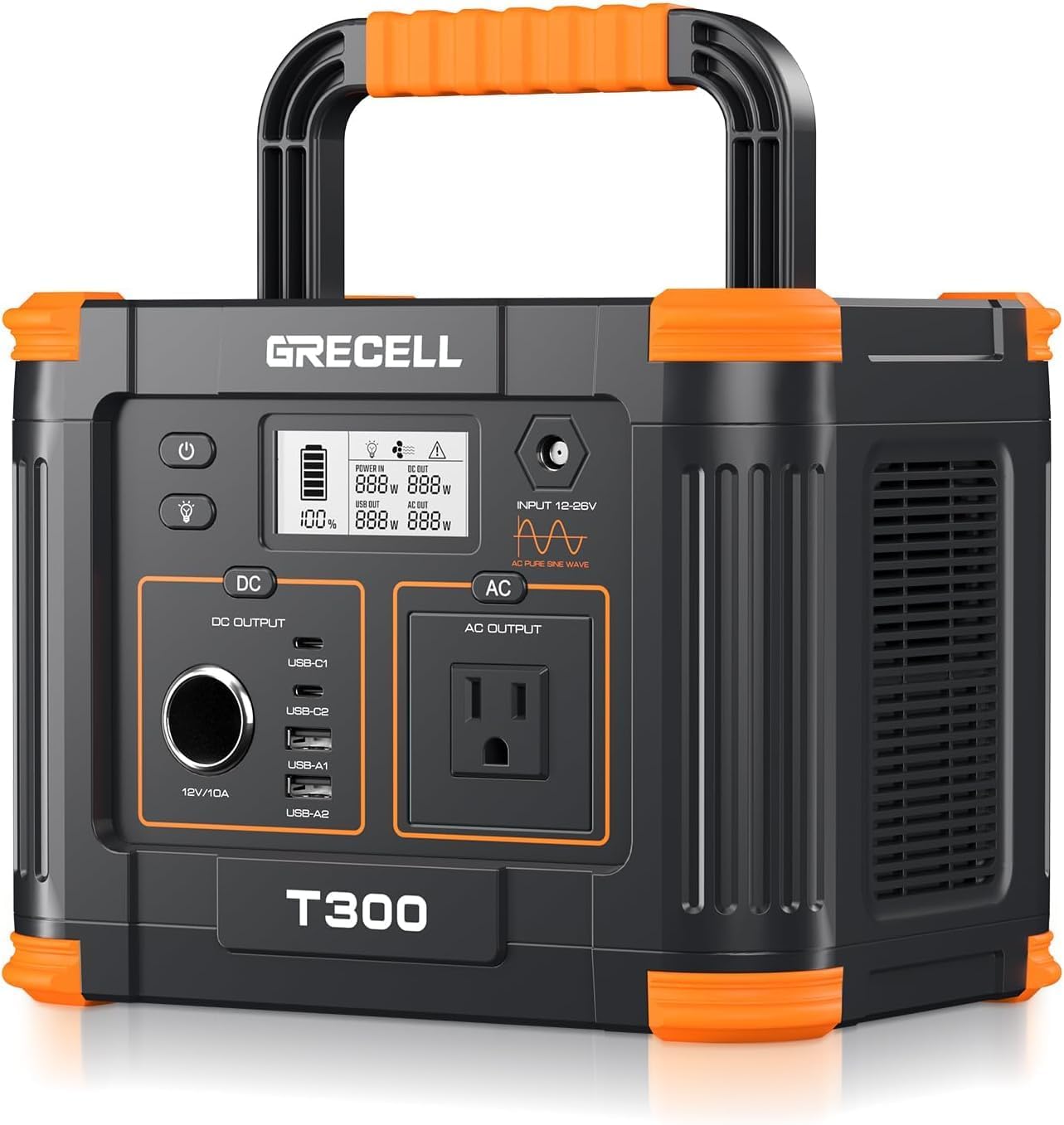
You’ll find the Portable Power Station 300W, GRECELL 230.88Wh Solar Generator is designed to be a lightweight, versatile backup power option for everyday portable needs. It pairs a modest 230.88Wh battery capacity with a 330W continuous pure sine wave inverter (600W surge), offering a good balance of portability and usable output for small appliances and electronics.
Product Overview: Portable Power Station 300W, GRECELL 230.88Wh Solar Generator with 60W USB-C PD Output, 110V Pure Sine Wave AC Outlet Backup Lithium Battery for Outdoors Camping Travel Home Blackout
This product name sums up the main selling points: portability, a pure sine wave AC outlet, and a 60W USB-C PD fast charge. You’ll get a compact station intended for camping, car trips, and emergency home backup that supports a number of consumer electronics and essential devices.
What’s included and marketed benefits
You’ll get the power station itself and the advertised ability to charge via AC, solar, or car outlet, with a built-in MPPT controller for more efficient solar charging. The listing also highlights an upgraded Battery Management System (BMS) and dual silent cooling fans to manage safety and temperature.

Key Specifications
You’ll want a clear snapshot of the most important numbers before you commit. Below is a breakdown of the core specs that matter when sizing a power station for your needs.
| Specification | Detail |
|---|---|
| Battery Capacity | 230.88Wh (watt-hours) |
| Continuous AC Output | 330W pure sine wave |
| Surge Output | 600W peak surge |
| AC Outlet | 1 × 110V pure sine wave outlet |
| USB-C PD | 1 × 60W, 1 × 18W (secondary) |
| USB-A | 2 × Quick Charge ports (advertised 18W; some descriptions show 15W) |
| Car Port | 1 × 12V car outlet |
| Solar Input | Supports 40W solar panel with built-in MPPT controller |
| Charging Methods | AC wall, solar panel, car cigarette port |
| Safety Features | BMS with overload, overcharge (auto-stop), short-circuit protection |
| Cooling | Dual built-in silent cooling fans |
| Weight & Size | Marketed as compact and light, ideal for outdoor use (exact weight not specified in product details) |
You’ll notice the table keeps the essentials front and center so you can compare this unit to others or judge if its output meets your device needs.
Design and Portability
You’ll appreciate the compact form factor for trips and power outages where you don’t want to haul a heavy generator. The unit is pitched as light and compact, making it an easy grab-and-go option for family outings or a car trunk emergency kit.
Build quality and finish
You’ll notice the housing is designed for practical handling rather than ruggedized extreme outdoor abuse; it’s meant to be portable and everyday-usable. The finish and layout prioritize accessible ports and a simple control interface so you can plug in devices quickly.
Power and Performance
You’ll be able to run laptops, phones, lights, fans, small projectors, TVs, mini-fridges (within 330W rated power), and medical devices like CPAP machines that fall under the continuous output rating. The pure sine wave inverter is important because it provides cleaner power for sensitive electronics compared with modified sine wave inverters.
Inverter behavior and surge handling
You’ll get a reliable continuous output of 330W with headroom for short surges up to 600W, which helps with devices that draw a higher wattage at startup (motors, compressors). For appliances with larger startup draws (for example larger fridges, heavy-duty power tools), you’ll need to check the device’s startup current and may find this unit insufficient.
Battery Management and Safety
You’ll benefit from the upgraded Battery Management System (BMS) that GRECELL advertises. It’s designed to include protections against overload, overcharge (automatic stop when full), and short circuits, which are the safety basics you should expect.
Thermal control and cooling
You’ll find dual built-in silent cooling fans that manage the station’s temperature during charging and heavy discharging. In practice, this helps prolong battery life and keeps charging more stable without loud fan noise that can annoy you at camp.
Charging Options and Speeds
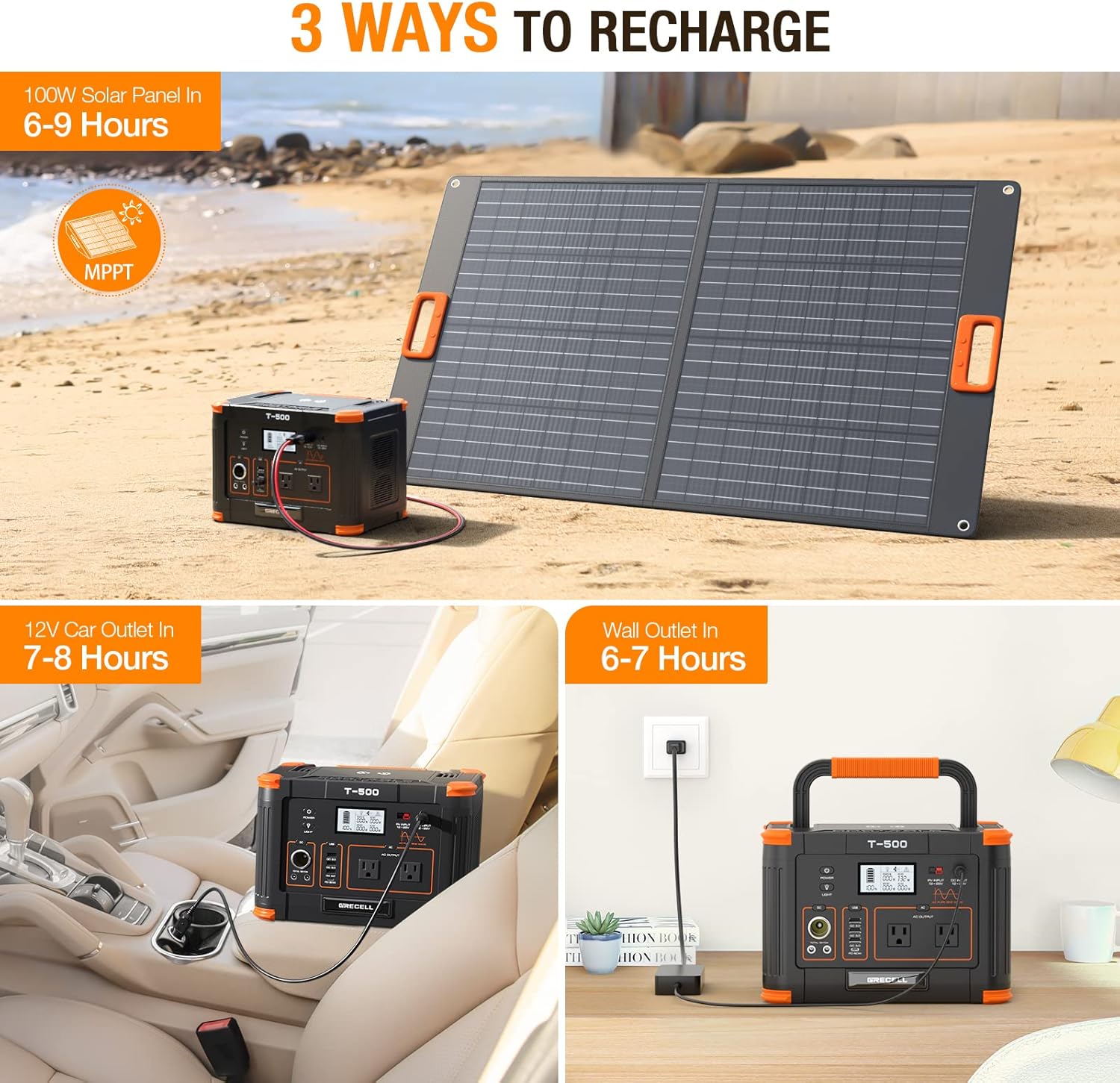
You’ll enjoy flexibility with three main charging methods: AC wall outlet, solar panel (with MPPT), and car outlet. The presence of a built-in MPPT (Maximum Power Point Tracking) controller is a meaningful inclusion because it improves how effectively the unit draws power from solar panels under variable conditions.
AC charging
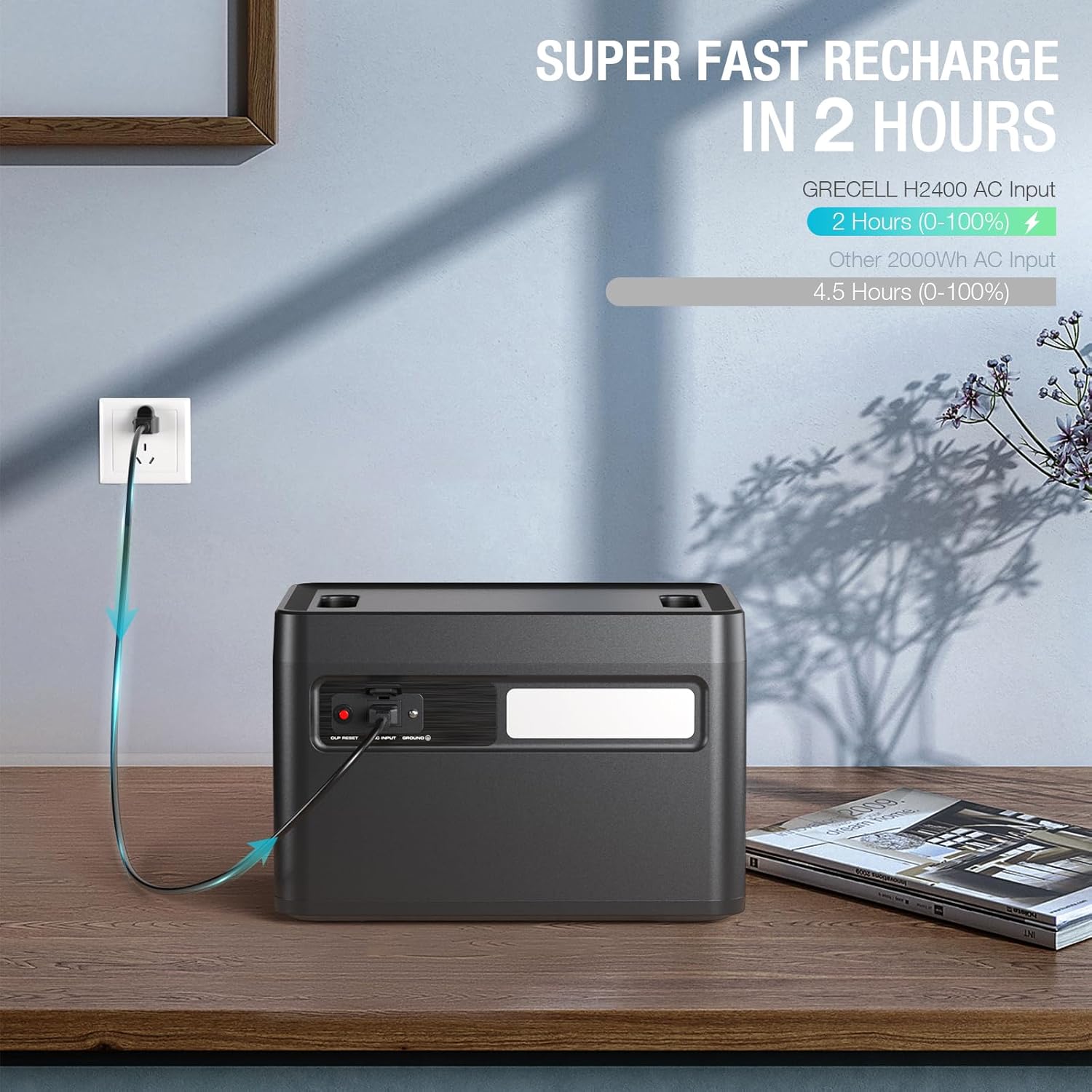
You’ll typically get the fastest recharge through an AC wall outlet. Exact recharge times depend on input power and battery condition; expect faster charging than using solar alone but slower than larger, more powerful stations with higher input rates.
Solar charging with built-in MPPT
You’ll be able to charge from the 40W solar panel advertised with the system, and MPPT helps you get more efficient charging than a basic charge controller. On good sun days you’ll get reasonable recharge times for the 230.88Wh capacity, but remember that solar recharge is slower compared to AC input and depends heavily on sunlight availability and panel positioning.
Car charging
You’ll be able to top up the battery from a vehicle’s 12V outlet, which is convenient on road trips although slower than AC and dependent on the car’s available output.
Ports and Practical Layout
You’ll find the station offers a straightforward port array: one AC outlet, two USB-C (60W and 18W), two USB-A Quick Charge ports, and one car port. This lets you charge multiple devices simultaneously—phones, a laptop via 60W USB-C PD, some small appliances on the AC outlet, and a camera or speaker via USB-A ports.
Simultaneous charging behavior
You’ll be able to charge up to six devices at once according to the marketing details: 1x AC, 1x USB-C PD 60W, 1x USB-C PD 18W, 2x USB-A QC, and the car port. You’ll want to be aware that running many devices at once will split the battery capacity and reduce individual runtimes, so monitor your loads for longer operation.
Run Time Estimates and Real-World Examples
You’ll find runtime depends on device power draw. Below is a table with typical device examples and estimated runtimes to help set expectations for what a 230.88Wh battery and 330W inverter can do.
| Device | Typical Power Draw (W) | Estimated Runtime on 230.88Wh |
|---|---|---|
| Smartphone (charging) | 5-10W | 20–40+ full charges (approx) |
| Laptop (USB-C PD) | 30–60W | 3–7 hours, depending on draw |
| LED Light (5–10W) | 5–10W | 20–40 hours |
| Small 12V Fridge (compressor running intermittently) | 40–60W avg | 3–5 hours (intermittent on/off cycles affect estimate) |
| CPAP (with humidifier off) | 30–60W | 3–7 hours depending on pressure and model |
| Mini Projector | 30–80W | 3–7 hours depending on model |
You’ll notice these are estimates and real-world run times vary depending on device efficiency, power draw peaks, and how you configure things like display brightness, heater/humidifier use on CPAP, or compressor cycle on a fridge.
Noise and Thermal Performance
You’ll appreciate the “silent” fan claim, which suggests relatively quiet operation during normal use. In practice, you should expect occasional fan activity under heavy loads or during charging; it should be quieter than most gas generators and suitable for campsites.
How heat affects performance
You’ll want to keep the unit ventilated and not block air intakes to prevent thermal throttling or excessive fan noise. If you’re charging via solar in hot conditions while also drawing heavy loads, you might notice higher fan activity, and charging rates could slow to protect the battery.
Solar Panel and MPPT Details
You’ll get a 40W solar panel option that pairs with the built-in MPPT controller to optimize solar input. MPPT helps adjust to changing sunlight and panel conditions to maximize the power the station draws from the panel.
Expected solar performance
You’ll see useful charging in good sunlight, but the 40W panel is moderate in size; a full recharge of 230.88Wh will take several hours of strong sun and may be slower than AC charging. MPPT improves the yield versus non-MPPT setups, but you should plan solar as a topping method or for slow replenishment during multi-day outdoor use.
Practical Use Cases
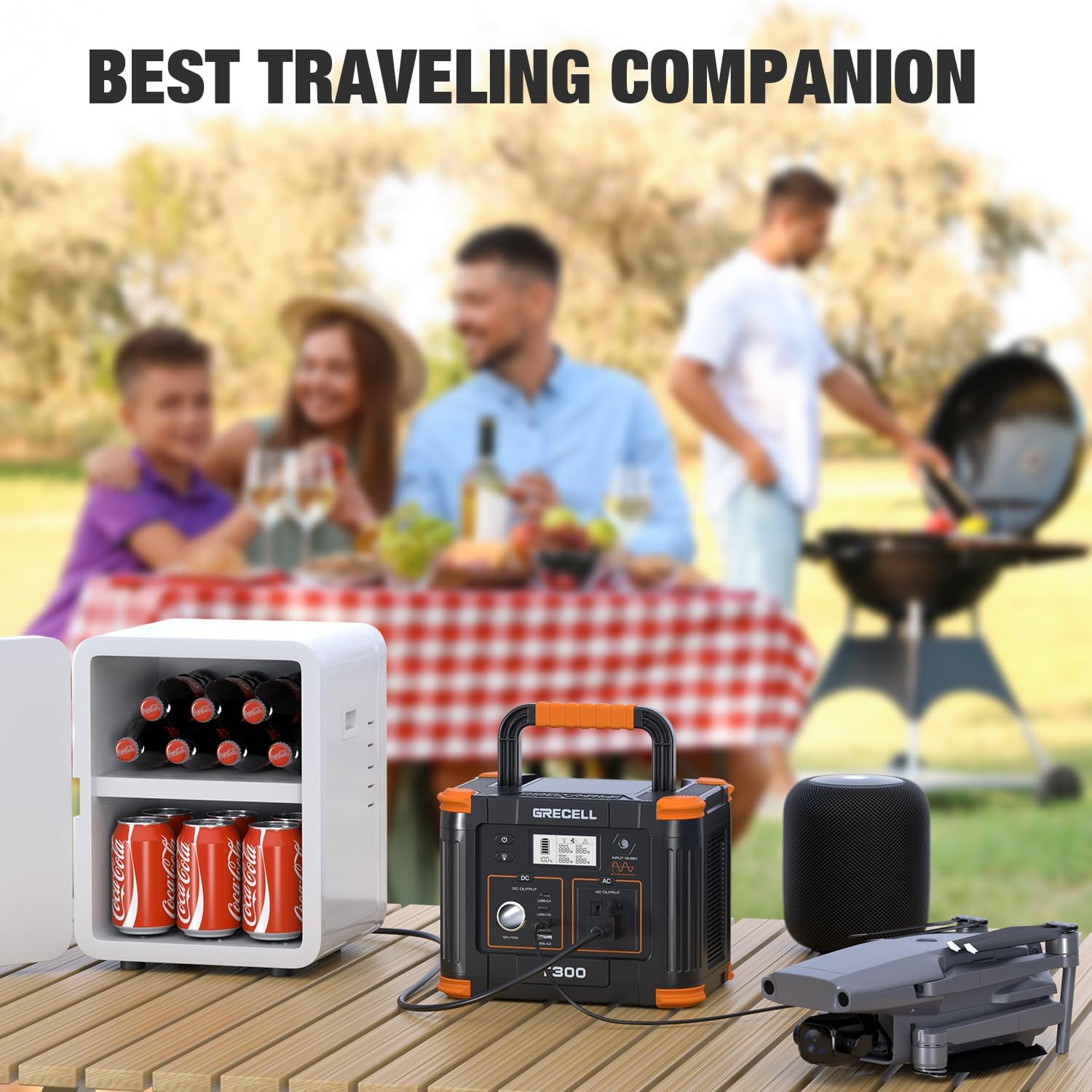
You’ll find the unit useful for short camping trips, day-long outdoor events, tailgating, RV/van day use, and emergency backup for small home devices during blackouts. It’s not intended as a whole-house backup, but it will keep essential electronics and smaller appliances operational.
When this is a great fit
You’ll want this if you need portability and relatively quiet operation with a mix of USB and AC power for phones, laptops, lights, small fridges, and medical devices like CPAP machines. It’s particularly convenient when you need a 60W USB-C PD port for fast laptop charging on the go.
When you might need something bigger
You’ll want to consider a larger unit if you plan to run multiple high-draw appliances for extended periods (full-size refrigerators, electric kettles, microwaves, power tools). For continuous, high-wattage demands, the 330W continuous limit will be restrictive.
Pros and Cons
You’ll want a concise list of strengths and trade-offs to decide whether this unit fits your priorities. Below are the main pros and cons based on the specifications and expected real-world use.
| Pros | Cons |
|---|---|
| Compact and lightweight for 230.88Wh capacity | Not suitable for high-wattage appliances above 330W continuous |
| Pure sine wave inverter safe for sensitive electronics | Single AC outlet limits simultaneous AC device use |
| 60W USB-C PD for fast laptop charging | Solar panel is modest at 40W—longer solar recharge times |
| Built-in MPPT and multiple charging options | Exact weight/dimensions not clearly specified in product details |
| BMS protections and silent cooling fans | Limited capacity for extended multi-day off-grid use unless you bring extra panels or charging sources |
You’ll find that the decision often boils down to whether you prioritize portability and fast USB-C PD charging over raw capacity.
Comparison with Similar Portable Power Stations
You’ll see the GRECELL unit compare favorably for its 60W USB-C PD and pure sine wave inverter in its class. Many competing stations offer similar battery sizes but might differ in port count, inverter output, or solar input limits.
How it stacks up on a few common points
You’ll typically get better portability versus larger 500Wh–1000Wh units but less runtime. If your use case emphasizes laptop and phone charging with occasional small AC loads, this unit can be a smart choice compared with heavier, more expensive alternatives that you don’t need.
Setup and First-Time Use
You’ll find initial setup straightforward: charge via AC before first use, learn the button interface, and test the load thresholds with your devices. It’s a good idea to run a full charge-discharge cycle early to get comfortable with expected run times for your devices.
Maintenance and storage tips
You’ll want to store the unit in a cool, dry place and recharge it periodically if not in frequent use to protect battery health. BMS will protect against overcharge and deep discharge, but maintaining a partial charge during long-term storage is recommended for lithium batteries.
Safety Notes and Considerations
You’ll appreciate the built-in protections, but you should still follow common-sense safety steps: don’t expose to water, avoid extreme temperatures, and ensure proper ventilation while charging or discharging. Also, verify your device wattage before plugging into the AC outlet to avoid overloading the inverter.
Medical device users
You’ll find that the unit supports many CPAP devices, but you should verify your CPAP’s power draw and consult the manufacturer if you rely on battery backups for life-sustaining therapy. Some CPAP machines have higher peaks or require DC adapters, so check compatibility.
Frequently Asked Questions (FAQs)
How long will the battery last for my laptop?
You’ll typically get several hours depending on your laptop’s power draw. A 30–60W laptop could run roughly 3–7 hours on a full charge, with exact times varying by model, usage, and screen brightness.
Can it run a mini-fridge or small compressor fridge?
You’ll be able to run many mini-fridges and small compressor fridges as long as their running wattage stays under the 330W continuous limit and their startup surge doesn’t exceed the 600W peak. For larger fridges or frequent cycles, monitor run time and consider a larger battery or additional charging sources.
How fast does the 60W USB-C PD charge a laptop?
You’ll see noticeably faster charging than standard 5–20W USB outputs. A 60W PD output will charge many modern laptops more quickly and can even keep some laptops topped up during use, though extremely power-hungry laptops may still draw power from both battery and station.
Can I charge it with other solar panels?
You’ll be able to use compatible solar panels that match the input range and connector type; the built-in MPPT will help optimize input. Confirm the panel’s voltage and connector compatibility before connecting to avoid damage.
Is it safe to leave charging overnight?
You’ll find the BMS and auto-stop overcharge protections increase safety when leaving charging unattended. Still, follow usual caution: keep in a ventilated space and avoid charging in very hot environments or directly in rain.
Practical Tips to Get the Most from This Unit
You’ll get better performance and longevity if you follow a few simple practices: manage loads, use the 60W PD port for efficient laptop charging, and combine solar charging with AC when you can. Also keep an eye on battery percentage and avoid deep discharge whenever possible to maximize cycle life.
Tips for solar setups
You’ll increase solar yield by orienting the panel perpendicular to the sun, avoiding partial shading, and using MPPT to get closer to the panel’s peak performance. Consider additional or higher-wattage panels if you plan frequent off-grid multi-day use.
Final Verdict
You’ll find the Portable Power Station 300W, GRECELL 230.88Wh Solar Generator to be a practical, portable choice if your primary needs are charging laptops (via 60W USB-C PD), phones, lights, and small appliances. It’s well suited for short trips, day outings, and emergency home backup for essential electronics, though you’ll want a larger capacity unit if you need extended runtimes or higher continuous power for big appliances.
Who should buy this
You’ll want this if you prioritize portability, quiet operation, and fast USB-C PD charging for laptops and phones, and you only need occasional AC power for small devices. If you need a compact and flexible power source for travel and short-term emergencies, this unit is a solid contender.
Who should look elsewhere
You’ll need a bigger station if you require extended off-grid capability, power for larger household appliances, or multiple continuous high-wattage devices. In that case, aim for higher-capacity units with stronger inverters and larger solar input capability.
You’ve now got the details, practical run-time estimates, safety notes, and real-world use guidance to decide if this GRECELL 230.88Wh unit fits your portable power needs.
Disclosure: As an Amazon Associate, I earn from qualifying purchases.