
Looking for a compact, reliable power backup that actually fits in your bag and handles real-world needs?

Quick impression
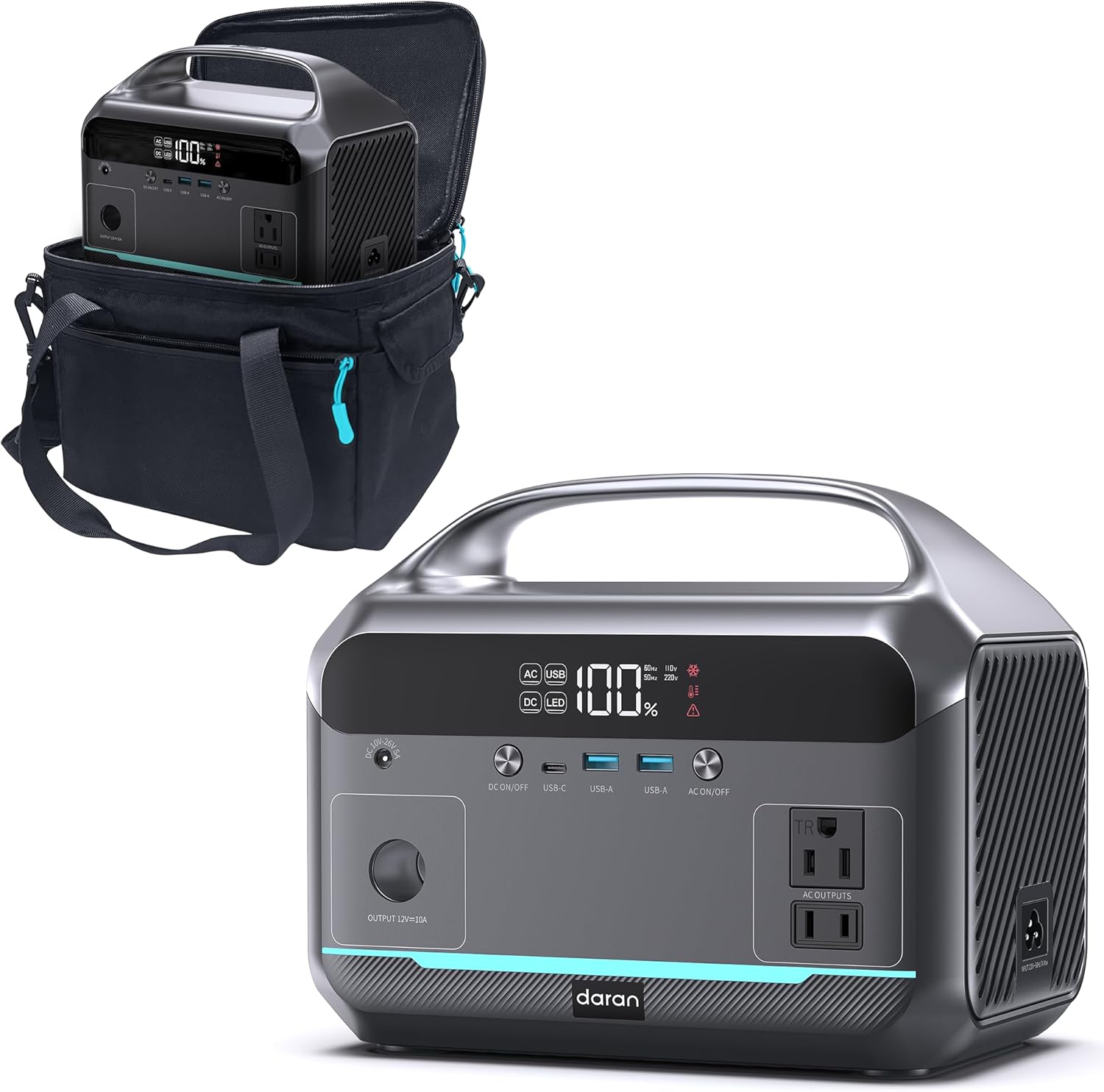
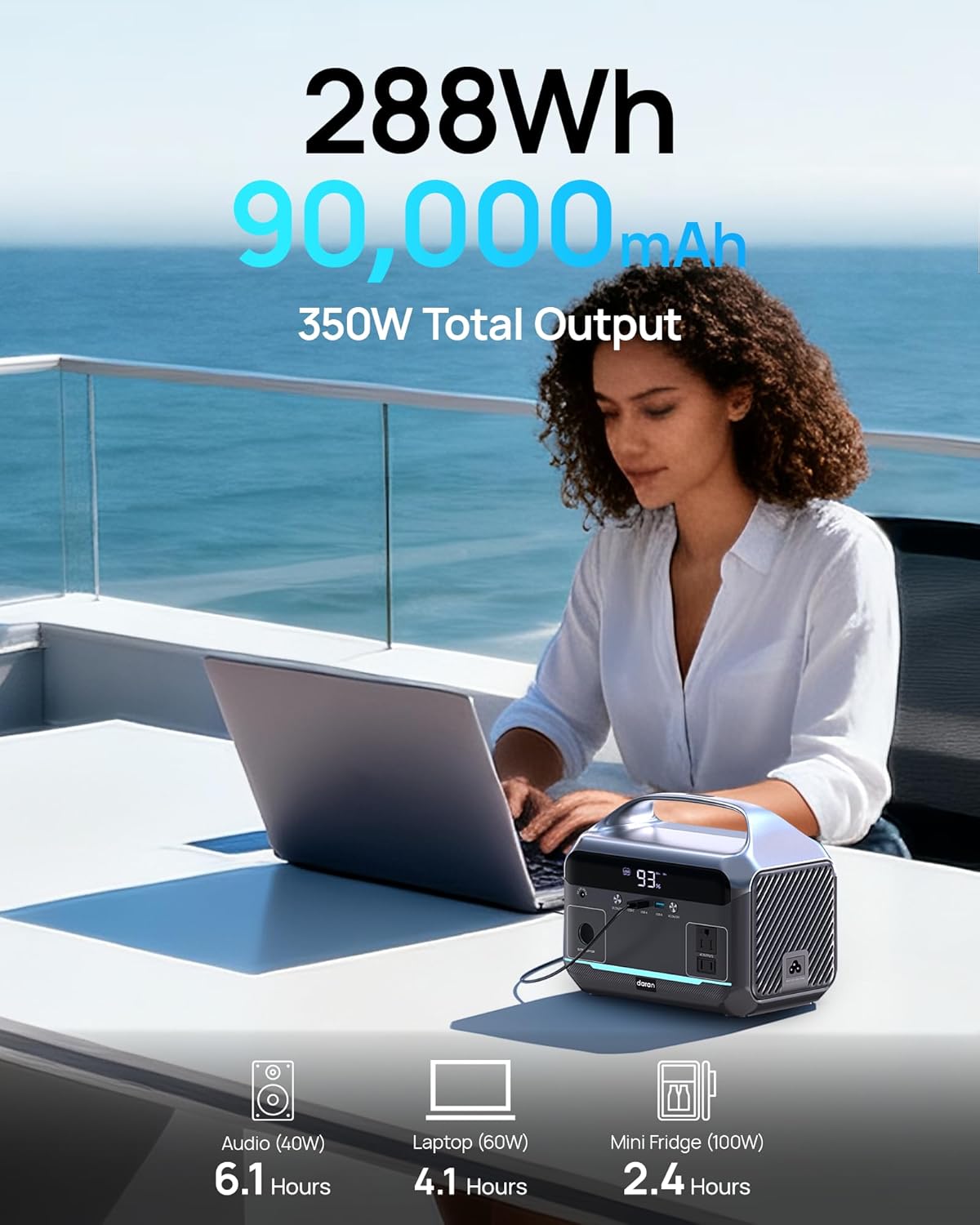
You’ll notice right away that this Portable Power Station, 288Wh (90,000mAh) LiFePO4 Battery, 350W (600W Peak) Power Bank with AC Outlet, Mini Solar Generator 7-Port Design, 2.1Hrs Fast Charing for Emergency, Hurricane (Solar Optional) packs a lot into a small frame. It’s light enough to carry, smart enough to protect itself, and powerful enough to keep critical devices running during trips, blackouts, or roadside stops. In short, it’s designed to be a practical, everyday backup rather than a heavy-duty home generator.
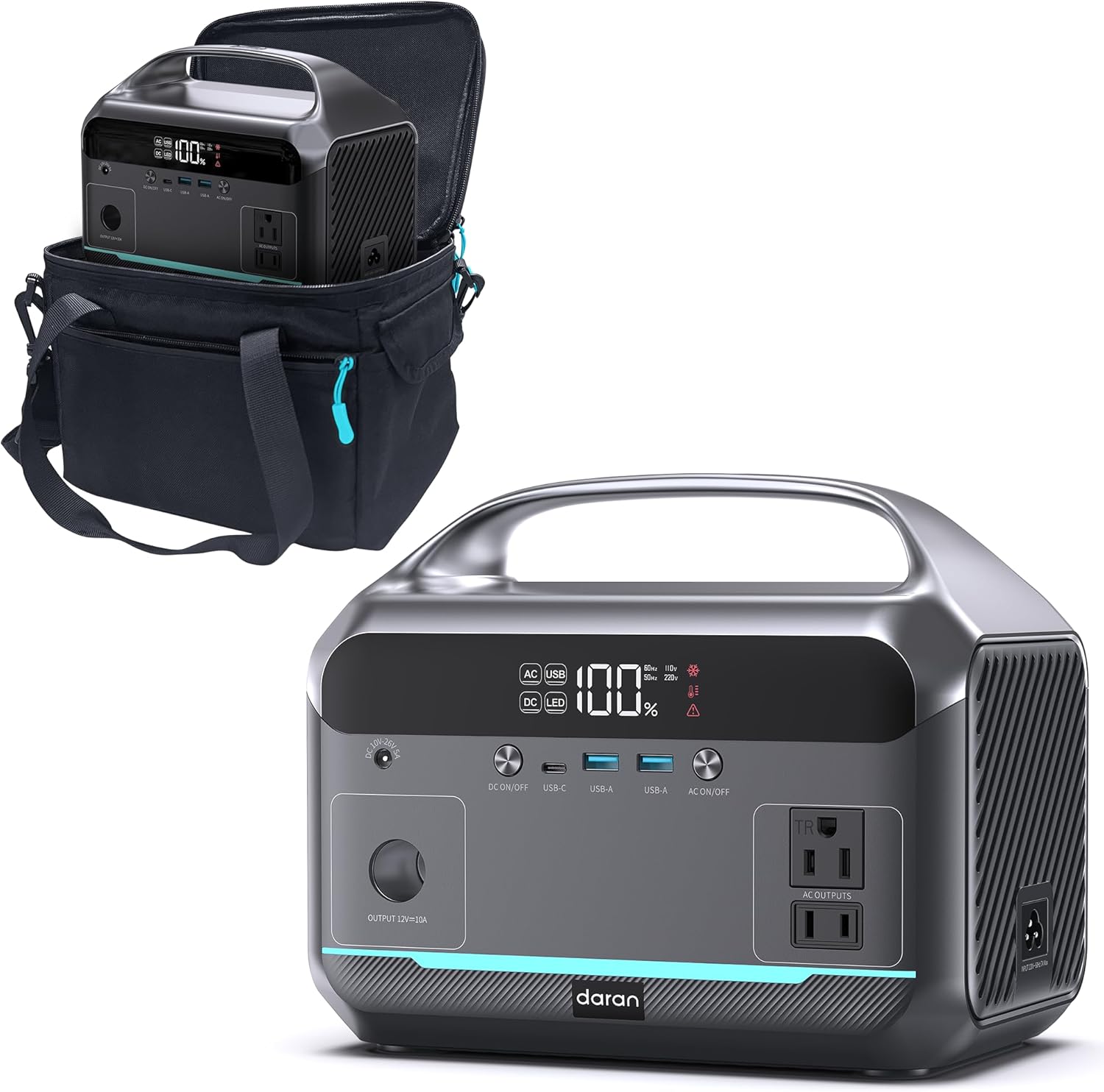
Portable Power Station, 288Wh (90,000mAh) LiFePO4 Battery, 350W (600W Peak) Power Bank with AC Outlet, Mini Solar Generator 7-Port Design, 2.1Hrs Fast Charing for Emergency, Hurricane (Solar Optional)
$135.34 In Stock
What this unit is good for
You can use it for emergency power during storms, to run a CPAP overnight, to keep a mini fridge or projector going on a camping trip, or to stay charged during RV travel. The 288Wh capacity combined with a 350W continuous output (600W surge) covers most small electronics and several medium-draw devices at once. If you need portable, safe, and repeatable power without the weight of larger systems, this is a strong contender.
Key specifications at a glance
You want the facts fast. Below are the headline specs you’ll refer to most:
- Battery: LiFePO4, 288Wh (90,000mAh)
- Rated AC output: 350W continuous
- Surge (peak) output: 600W
- Conversion/efficiency (stated): 0.85 (85%)
- Ports: 2 AC outlets, 1 × 60W PD USB-C, 2 × 18W USB-A, 1 DC I/O (total 7-port design)
- Weight: 8.2 lb
- Size: 10.0 × 6.6 × 8.2 in
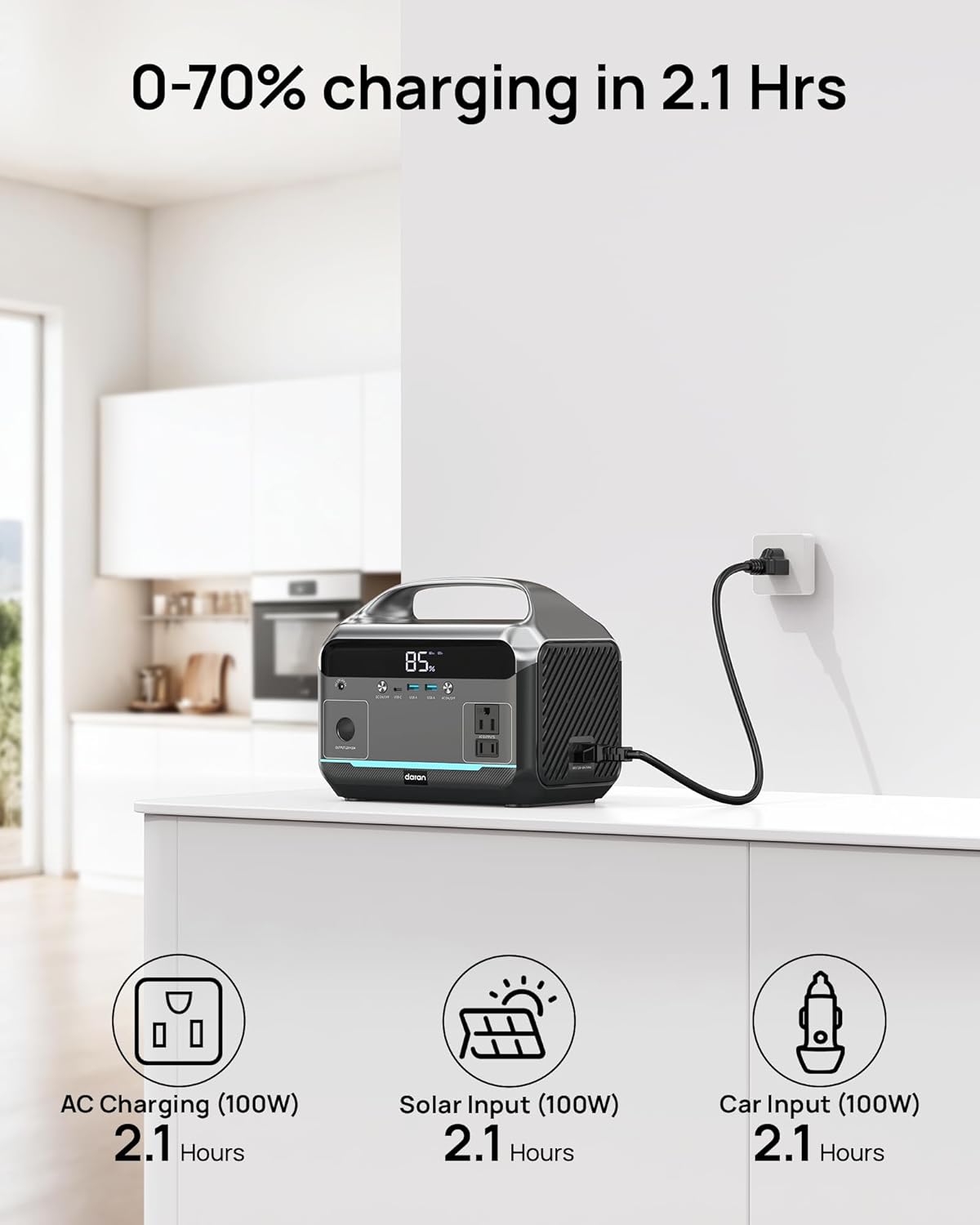
- Charging time (fast charge): ~2.1 hours (AC)
- Battery protection: BMS for overcharge, over-discharge, short-circuit, temperature, cell balancing
- Included: Unit, storage bag, AC charging cable, user manual, 1-year service & customer support
How the 85% conversion rate matters
The 85% conversion rate is used to calculate useful energy when powering devices through the AC inverter. That means the effective usable energy for AC/DC loads is about 288Wh × 0.85 = 244.8Wh. When you see runtime estimates below, they’re based on that usable energy, which gives more realistic expectations than just quoting raw capacity.
Ports and output — what you can plug in
You’ll like how many ways you can charge devices at once. The seven-port design is practical for families or small groups.
- 2 AC outlets (shared 350W continuous, 600W surge): Great for laptops, small kitchen appliances, small TVs, projectors, and many medical devices.
- 1 × 60W PD USB-C: Ideal for modern laptops, tablets, and fast-charging phones.
- 2 × 18W USB-A: Good for phones, small power banks, cameras.
- 1 × DC I/O: Useful for certain lights, small 12V devices, or specialty chargers.
- Rear LED light with steady, strobe & SOS modes: Helpful for emergencies and outdoor use.
Be mindful that the two AC outlets typically share the 350W rated total; you won’t get 350W on both simultaneously. Also check startup surge demands of motor-driven appliances (like compressor fridges) — the 600W surge will help many startups, but very large compressors could exceed the limit.
Real-world runtime table
A visual breakdown helps you set expectations. The runtimes below use 244.8Wh usable energy (288Wh × 0.85). These are estimates — actual runtimes vary by device model, battery age, and usage patterns.
| Device / Load | Typical Wattage (W) | Estimated Runtime (hrs) |
|---|---|---|
| Smart phone (charging) | 10 W | ~24.5 hrs |
| Tablet / small device | 18 W | ~13.6 hrs |
| Laptop (USB-C, 60W) | 60 W | ~4.1 hrs |
| LED light strip (5W) | 5 W | ~49.0 hrs |
| Mini fridge (average) | 40 W | ~6.1 hrs |
| 30W CPAP machine | 30 W | ~8.16 hrs |
| Projector (70W) | 70 W | ~3.5 hrs |
| 100W electric stew pot | 100 W | ~2.45 hrs |
| Camera battery charger (15W) | 15 W | ~16.3 hrs |
You’ll notice phones and small devices can run for a very long time, while higher-draw appliances shorten the window quickly. The CPAP example (30W → ~8.16 hrs) is useful: if you rely on a CPAP, this unit can typically get you through one night and sometimes more depending on your machine’s power draw.
How to interpret the numbers
The table assumes continuous constant power draw. Many devices (like fridges or pumps) cycle on and off, which can extend real runtime beyond these estimates. Conversely, using accessories like heated CPAP hoses or running devices at peak performance will shorten runtime.
Charging methods and estimated recharge times
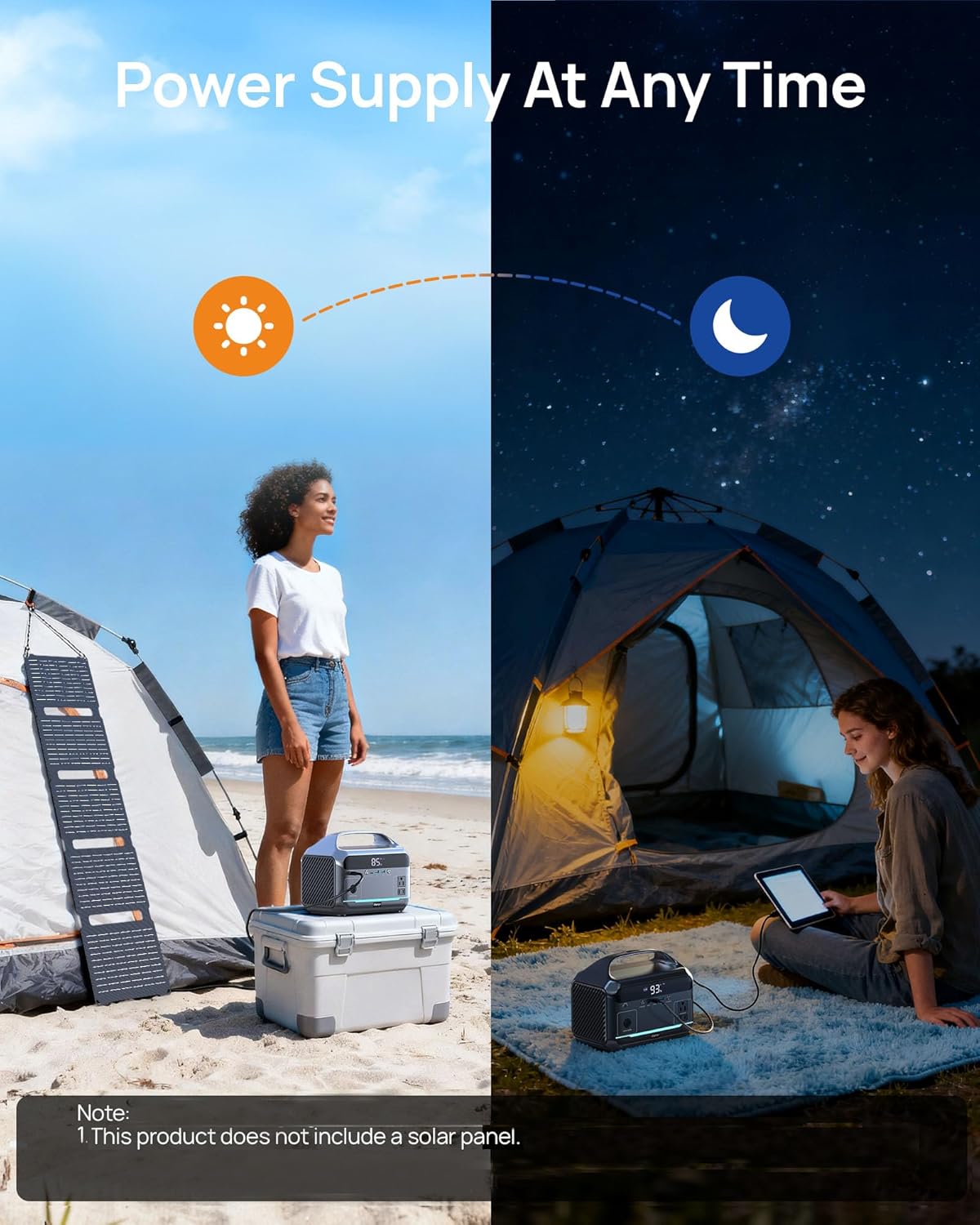
You’ve got flexibility in how you top up this station: wall AC, car 12V, or solar input (panel sold separately). Each method has different speeds and trade-offs.
- Wall AC (included AC cable): The product lists “2.1Hrs Fast Charging.” That likely refers to a dedicated AC input with higher wattage to refill the 288Wh battery quickly. Expect roughly ~2.1 hours to full from empty using the wall charger.
- Car 12V: Car charging speed depends on the car’s DC output and the station’s DC input limit. If you use a typical 12V cigarette adapter that supplies 8–10A (roughly 96–120W), theoretical recharge can be between ~3–4 hours under ideal conditions. Real-world charging may vary, and car charging cables may be sold separately.
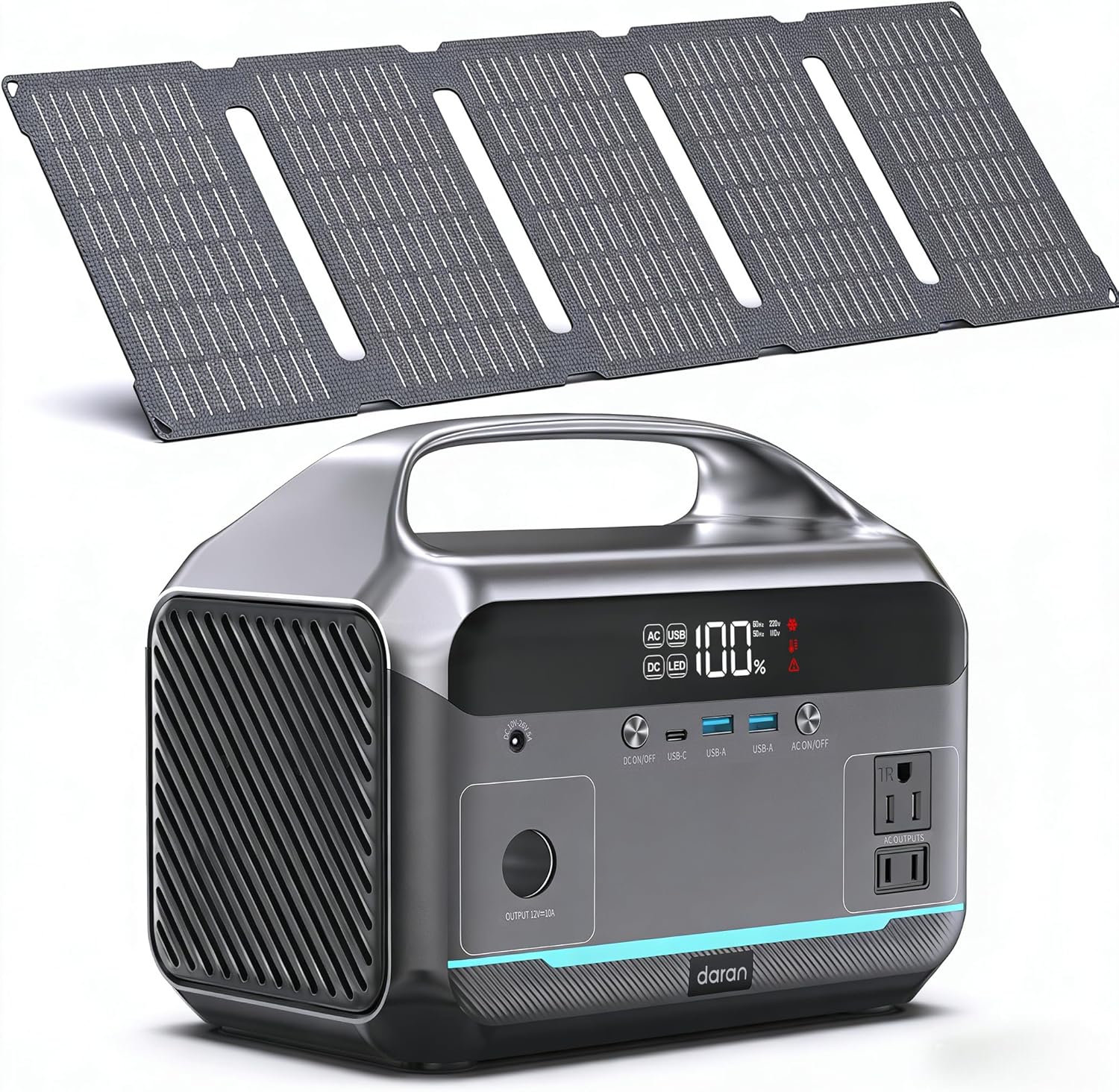
- Solar: Solar charge time depends on panel wattage and sun conditions. Use the formula: Time (hrs) ≈ 288Wh / (PanelW × 0.85). That gives rough times like:
- 60W panel: ~5.7 hrs (ideal sun)
- 100W panel: ~3.4 hrs (ideal sun)
- 200W panel: ~1.7 hrs (ideal sun) Real conditions (angle, cloud cover) typically increase these times by 20–50%. So plan for longer in partial sun or bad weather.
Charging tips
- For fastest AC recharges, use the included AC cable and a standard wall outlet.
- If you plan to use solar, choose a panel and charge controller that match the station’s solar input specs and expect variable times depending on location and time of day.
- Use car charging as a backup or top-up during travel, but don’t expect it to be as fast as AC wall charging.
LiFePO4 battery chemistry — what it means for you
You get a LiFePO4 (Lithium Iron Phosphate) cell configuration, and that’s a big plus in several ways.
- Longevity: LiFePO4 typically offers many more cycles than other chemistries. While exact cycle counts vary, you can expect significantly longer usable life, making it a cost-effective long-term option.
- Safety: LiFePO4 chemistry is more thermally stable and less prone to thermal runaway than higher energy-density chemistries, reducing risk during heavy use or in warm environments.
- Capacity retention: It tends to hold capacity better over many cycles, so after months or years of use you’ll still have a useful battery.
What that means day-to-day
You won’t have to baby the battery as much. It tolerates frequent shallow cycles and generally requires less careful charging behavior than other chemistries. Still, follow the product advice like performing two initial full charge-discharge cycles and periodically charging during long-term storage.
Safety features and reliability
You’ll appreciate the built-in protections and monitoring that make it safe for home and travel.
- BMS protections: Overcharge, over-discharge, short-circuit, temperature monitoring, and cell balancing help keep the battery and connected devices safe.
- Smart ventilation: Designed to maintain stable temperature under load.
- LCD display: Shows real-time power and state-of-charge so you always know how much energy you have left.
- Rear LED light with modes: Adds practical emergency signaling and illumination.
Practical safety recommendations
- Don’t exceed the 350W continuous output rating. Devices rated above 350W should not be used.
- Check surge requirements for compressor-based devices; while the 600W surge helps, very large compressors or startup currents could still exceed the peak.
- Keep the station in a ventilated area during heavy loads and avoid sealed or very hot environments.
Portability & build — carry it or stash it
Weighing 8.2 lb with compact dimensions, this station is genuinely portable. You can stash it in a car trunk, slip it into a camping pack, or keep it in a home emergency kit without taking up much room.
Practical usage notes
- The included storage bag is handy for transport and for keeping cables together.
- The slim profile makes it easy to fit on a shelf or in an RV compartment.
- The handle and light weight mean you’ll actually carry it to where you need it.
What’s in the box and extras you might need
You receive:
- 1 × NEO300L Power Station
- 1 × Storage Bag
- 1 × AC Charging Cable
- 1 × User Manual
- Friendly customer support & 1-year service
What you might still want:
- Car charging cable (sold separately) if you plan frequent vehicle charges.
- Solar panel (sold separately) for off-grid recharging.
- Extra AC or DC cables if you have many devices that need dedicated connectors.
Pros — why you might choose this unit
- Compact and lightweight — easy to transport.
- LiFePO4 battery for longer cycle life and improved safety.
- Fast AC charging (~2.1 hours), which is rare at this capacity.
- Useful suite of ports (USB-C PD 60W is particularly valuable).
- 350W continuous with 600W surge covers many common devices.
- Practical features like LCD, BMS protections, and LED light.
Cons — what to watch for
- 288Wh is still limited for heavy or prolonged loads (space heater, large microwave, full-size fridge).
- Car charging cable and solar panels are not included; they add to cost if you need them.
- If you need continuous power for high-wattage heaters or large compressors for long periods, you’ll need a larger unit.
- Two AC outlets likely share the 350W limit; you can’t draw 350W out of each simultaneously.
Comparison guidance — who should consider alternatives
You should look at larger capacity stations if:
- You need to run high-wattage appliances for hours (space heaters, full-size refrigerators, microwaves).
- You plan to power multiple medium-draw devices simultaneously for extended periods. If you want ultra-light weight and only phone/tablet charging, smaller power banks might be cheaper. This unit sits in the middle: portable but capable.
Practical scenarios and sample setups
Here are realistic ways you might use the station and what to expect.
Home blackout kit
Run a CPAP (check your CPAP wattage), charge phones, power LED lights, and run a small fan or radio. The station can cover one or two essential needs overnight, and the fast recharge means you can top it up during the day if you have power.
Weekend camping trip
Power a projector for movie night, charge cameras and phones, and run a small 12V fridge for a day or two. Use solar to top off during daytime if you have a suitable panel.
Road trip and RV backup
Use the USB-C 60W PD to charge laptops and phones while on the road, and use the AC outlets to power small appliances at campsites. Car charging helps top up the station while driving.
Emergency medical backup
For a CPAP or other small medical device rated under 350W, this station gives you hours of runtime and the peace of mind of LiFePO4 safety and BMS protection. Always check device specifications and consult medical professionals for critical medical device requirements.
Maintenance and long-term storage
You’ll want to keep the battery healthy over months or years.
- Initial conditioning: Complete 2 full charge-discharge cycles on first use for optimal performance.
- Long-term storage: Fully charge every 1–2 months to maintain battery health.
- Keep out of extreme heat and freezing conditions.
- If unused for long periods, check the LCD status monthly and recharge as needed.
Troubleshooting common questions
- Unit won’t power on: Ensure it’s charged and the power button is activated. Check the LCD for error codes and consult the manual.
- Device keeps shutting off: Check combined draw of connected devices; you might be exceeding the 350W continuous rating.
- Charging is slow: Confirm you’re using the included AC cable for the fastest charge. Solar and car inputs are typically slower and depend on external factors.
Who should buy this product
You should consider this power station if you want a portable, safe, and reasonably powerful backup for small appliances and electronics. It’s ideal if you:
- Need reliable overnight CPAP backup
- Want a compact power source for camping or road trips
- Want LiFePO4 safety and longevity without heavy weight
- Need fast AC recharge and versatile USB-C PD charging
Who might not be satisfied
You may want something bigger if you:
- Need to power space heaters, large microwaves, or full-size fridges for extended periods
- Expect to run many high-draw devices concurrently for hours
- Prefer a solar kit that includes panels and cables out of the box
Price and value considerations
For what it offers — LiFePO4 battery, 350W output, 60W PD, 2.1-hour fast charging, and the lightweight package — this station represents solid value if you need a dependable, long-lasting portable power solution. Factor in additional costs for solar panels or a car-charging cable if you plan off-grid or travel use.
Final thoughts and recommendation
You’ll find this Portable Power Station a versatile, user-friendly option for daily backup and outdoor use. Its combination of LiFePO4 durability, practical port selection (including 60W PD), fast recharge, and manageable weight makes it a great mid-sized choice for people who want dependable power without hauling large generators. If your needs center on phones, laptops, lights, CPAPs, projectors, and small fridges, this unit will likely meet your expectations. If you need extended high-wattage support, consider stepping up to a higher-capacity inverter/battery.
If you want, I can:
- Help estimate runtime for a specific list of devices you plan to bring
- Compare this unit directly to other portable power stations in the same class
- Suggest solar panel and accessory options that pair well with this model
Which would you prefer next?
Disclosure: As an Amazon Associate, I earn from qualifying purchases.