
Looking for a portable EV charger that gives you more speed without complicating your life?

Product Overview
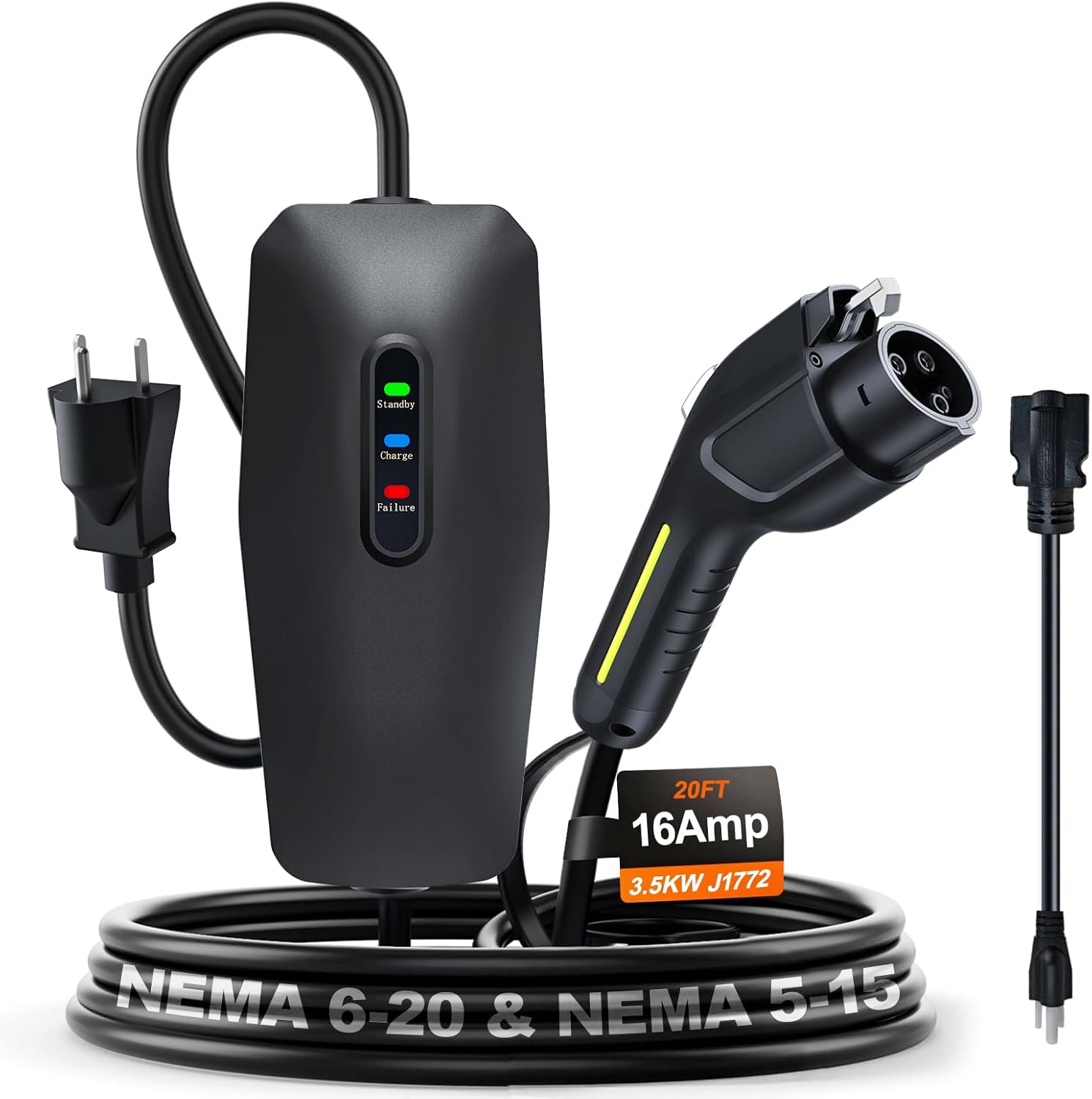
You get a compact, portable EV charger designed to work as both a Level 1 and Level 2 solution. The Level 1&2 EV Charger 2026 Upgraded 16A 3.5KW – 20FT Cable & Dual NEMA Adapter (5-15/6-20) – 110V-240V Portable Electric Car Charger for All SAE J1772 EVs aims to balance charging acceleration and affordability while keeping safety and convenience front and center. This review breaks down what it does, how it performs, and whether it’s right for your needs.
What this charger is
This is a portable SAE J1772-compatible EV charger that supports both 110–120V household outlets and 240V NEMA 6-20 outlets via the included adapters. It’s designed to give you faster-than-standard Level 1 charging using a 240V, 16A mode that can deliver up to 3.5 kW. The unit includes a 20-foot cable and a compact control box with LED status indicators.
Who this is for
If you want more charging speed than a typical 110V Level 1 cordset but don’t want the expense or permanence of a hardwired Level 2 wall box, this unit targets you. It also makes sense if you travel, stay in different homes, or need a portable, weather-resistant unit for occasional public or workplace use. You’ll appreciate it if convenience, portability, and improved charging time matter more than full 7–11 kW Level 2 performance.

Level 1&2 EV Charger 2026 Upgraded 16A 3.5KW - 20FT Cable & Dual NEMA Adapter (5-15/6-20) - 110V-240V Portable Electric Car Charger for All SAE J1772 EVs
$109 In Stock
Key Specifications
You’ll want a clear snapshot of the hardware and ratings before deciding. Below is a concise table to help you quickly compare the core specs at a glance.
| Feature | Specification |
|---|---|
| Product Name | Level 1&2 EV Charger 2026 Upgraded 16A 3.5KW – 20FT Cable & Dual NEMA Adapter (5-15/6-20) |
| Connector Type | SAE J1772 (standard for most EVs in North America) |
| Voltage Range | 110–240 V AC |
| Max Output Power | 3.5 kW |
| Max Current | 16 A (240V), 12 A via 5-15 adapter (110V) |
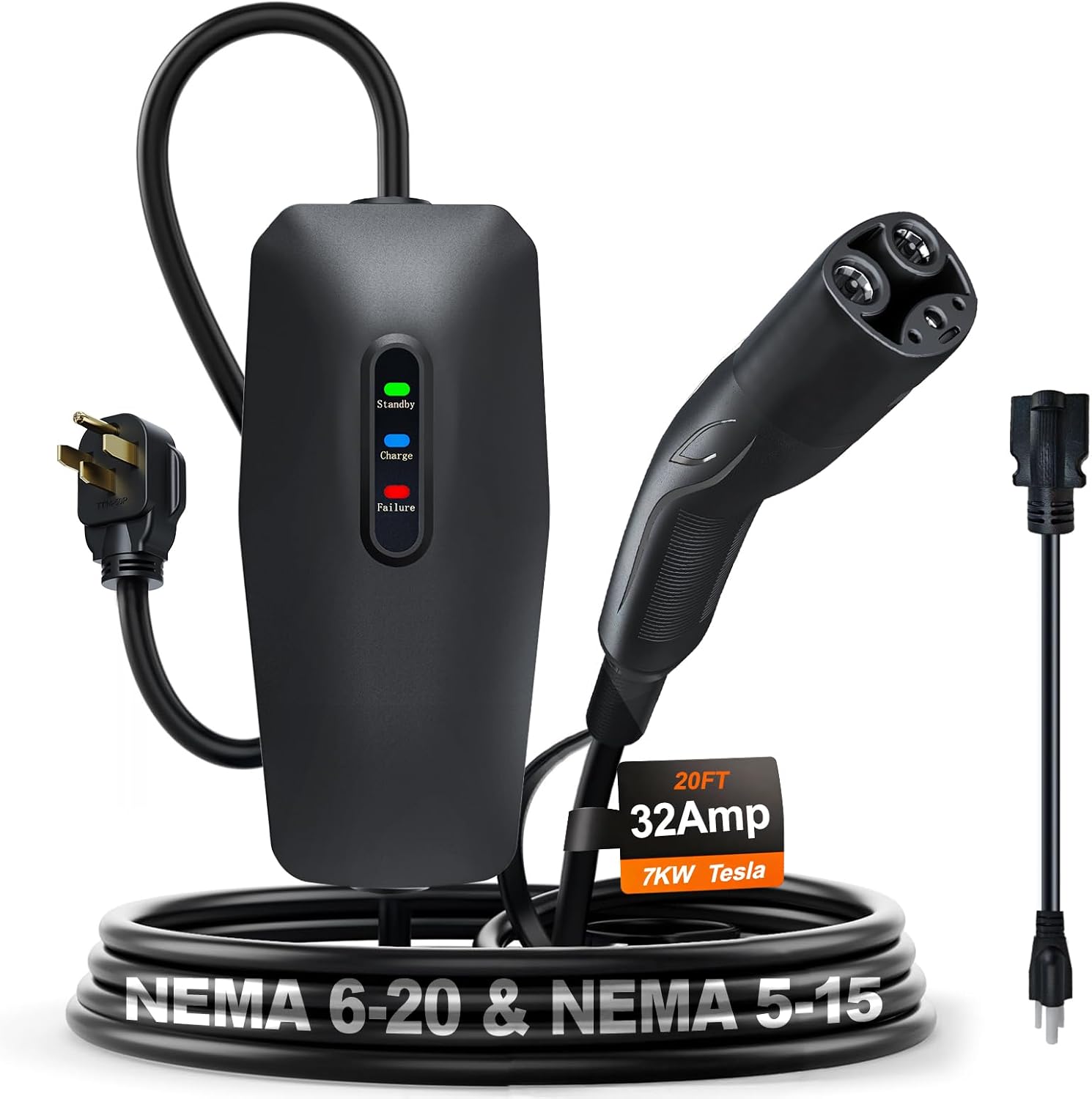
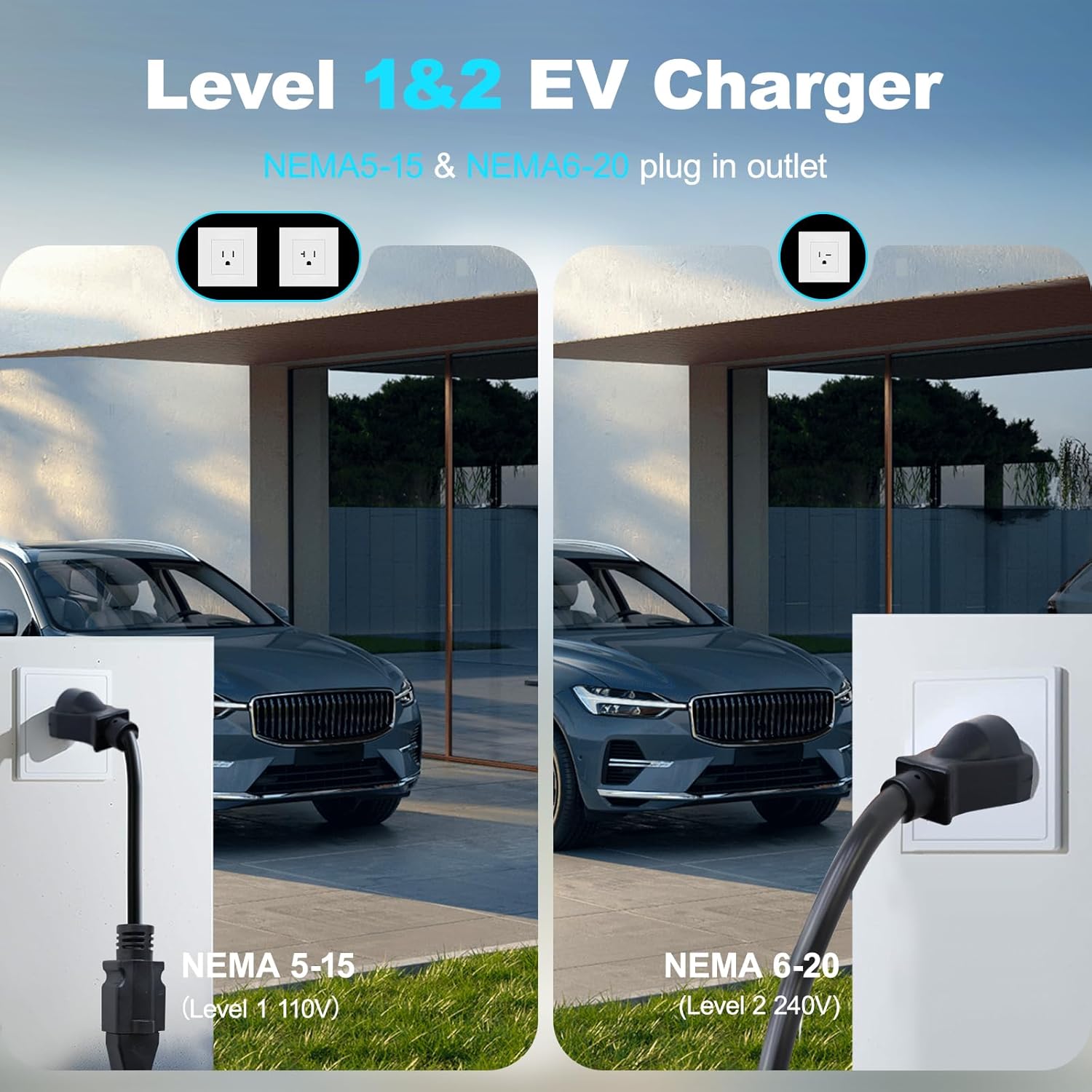
| Plugs/Adapters Included | NEMA 6-20 (240V, 16A), NEMA 5-15 adapter (110V, 12A) |
| Cable Length | 20 feet |
| Protection/Monitoring | Intelligent monitoring chip, lightning and leakage protection |
| Control Box Rating | IP65 (waterproof and dustproof) |
| Certifications | FCC certified |
| Compatibility | All SAE J1772 EVs (with third-party Tesla adapter for Tesla vehicles) |
| Weight | Lightweight and portable (manufacturer description) |
Charging Performance
You care about how quickly your battery will top up and whether the charger behaves predictably. This unit focuses on steady, efficient charging rather than maximized amperage.
Level 2 (240V, 16A, 3.5 kW)
When you plug into a NEMA 6-20 outlet, the charger runs at up to 16 amps and can provide up to 3.5 kW. That typically results in charging speeds roughly 3–4 times faster than a common 110V Level 1 cordset. You’ll see significantly faster replenishment compared with standard household charging and a much more usable charge rate for daily top-ups.
Level 1 (110V, 12A via adapter)
Using the included NEMA 5-15 adapter converts the unit to run on standard 110–120V household outlets at up to 12A. That makes it a reliable fallback when 240V is not available, and it’s an easy way to keep charging accessible at friends’ houses, hotels, or older garages. Expect much slower charging than 240V mode, but you’ll still maintain steady overnight charging.
Real-world charging speeds and added range
Actual range per hour depends on your vehicle’s efficiency. As rough examples, if your EV uses ~3–4 miles per kWh:
- At 3.5 kW (240V mode) you might add around 10–14 miles of range per hour.
- At ~1.3 kW (110V/12A mode) you might add around 4–5 miles per hour.
These are estimates and will vary based on climate, onboard charging efficiency, battery state, and vehicle-specific limitations. The charger can’t force a car to accept more current than its onboard charger allows, so your vehicle’s charging hardware and settings also determine actual rates.
Design and Build Quality
You want something that feels dependable and stands up to regular use. This charger is built with portability and durability in mind, and the details support that intention.
Cable length and flexibility (20 feet)
The supplied 20-foot cable provides generous reach for most parking and driveway setups. You’ll find the length helpful for reaching awkwardly positioned outlet locations and for parking a bit farther away from the wall. The cable is designed to be tangle-resistant and easy to coil for trunk storage.
Control box and IP65 rating
The control box houses the charger’s intelligent monitoring electronics and status LEDs. With an IP65 rating, the box resists dust and water jets, which means it’s safe for outdoor use in rain or dusty conditions. You should still avoid prolonged immersion or constant direct spray, but the rating gives you confidence for everyday outdoor tasks.
Materials and durability
The housing and plug components appear robust and are engineered to survive normal handling, road trips, and repeated plugging and unplugging. The product description notes premium materials and FCC certification, which indicates a focus on reliability and electromagnetic compliance.
Safety and Certifications
Your safety and that of your vehicle are top priorities. This charger addresses common electrical risks through monitoring and protection systems.
Intelligent monitoring and protections
The charger’s control box includes a monitoring chip that tracks charging status in real time and delivers protections such as lightning prevention and leakage detection. Those features lower the risk of electrical damage from transients and ground faults and help the unit shut down safely if an issue arises. You’ll appreciate automated protection that acts without you needing to understand complex electrical data.
FCC certification and what it means
FCC certification indicates that the device meets electromagnetic interference standards and should not cause or be overly susceptible to electronic interference in typical environments. While not the same as UL or ETL safety labels, FCC certification is useful for electronic reliability and reduced interference risk.
Ground fault, overcurrent, and thermal protections
The unit is built to stop charging if it detects leakage (ground fault), overcurrent, or unsafe temperature conditions. Those protections are common on well-designed EV chargers and prevent many common electrical hazards. You should still follow safe installation practices and avoid adding extension cords or using damaged outlets.
Usability and Setup
You want the charging experience to be effortless most of the time. This charger emphasizes simple, straightforward operation.
Plug-and-play experience
Setup is intentionally minimal: plug the selected adapter into an appropriate outlet, connect the J1772 end to your EV, and charging begins. There are no complicated configuration menus or software installs. This straightforward approach keeps you focused on travel and charging rather than fiddling with settings.
LED indicators and feedback
Clear LED lights give you immediate feedback on the charging state and alert you to errors. The indication system is designed to replace confusing numerical parameters with easy-to-understand colors and statuses so you can see at-a-glance whether charging is proceeding normally. That’s especially convenient if you regularly plug and unplug in dim garages or quick stops.
Adapters and switching between outlets
The included NEMA 6-20 plug and NEMA 5-15 adapter let you switch between 240V Level 2 and 110V Level 1 outlets. The adapter approach is convenient but requires you to plug in the correct adapter for the outlet type. You’ll appreciate the flexibility when traveling or using a mix of industrial and home sockets.
Compatibility
You need to know whether this charger fits your vehicle and charging ecosystem. It’s widely compatible but has practical limits.
SAE J1772 vehicles
The charger uses the SAE J1772 standard connector, which covers most non-Tesla EVs in North America. You can confidently use it with EVs and PHEVs from manufacturers like Chevrolet, Nissan, Ford, Hyundai, Kia, BMW, Volkswagen, and others that use J1772.
Using with Tesla vehicles
If you own a Tesla, you can use the charger with a Tesla-specific adapter (sold separately) that converts the Tesla charge port to J1772. The charger itself does not come with a Tesla adapter, so you’ll need that additional accessory to connect to Tesla vehicles.
Portability and Travel Use
Mobility is one of the core selling points. You should be able to stash the charger in your trunk without hassle.
Trunk storage and weight
The unit is described as lightweight and compact, and the 20-foot cable coils up without taking excessive space. You’ll be able to keep it in your trunk or back seat area for regular road trips without sacrificing much cargo room. That portability makes it an ideal companion for vacation drives and weekend getaways.
Road trips and charging at friends’ houses
Plugging into a 240V outlet at a friend’s house or a campsite with appropriate power becomes simple. If you primarily plan to charge at stops where 240V is available, you’ll enjoy far faster replenishment than relying on standard household outlets alone. When only a 110V outlet is present, the included adapter keeps you covered for low-and-slow overnight charging.
Installation and Electrical Considerations
Even though the unit is plug-and-play, you should consider the electrical setup of the outlets you plan to use. Proper outlet and breaker compatibility ensures safe and reliable operation.
Circuit compatibility and breaker requirements
For safe 240V 16A charging via a NEMA 6-20 outlet, you should ensure the outlet is installed on an appropriately rated circuit—typically a 20A breaker with correctly sized wiring. For 110V 12A charging using a standard NEMA 5-15 outlet, the outlet should be on a 15A circuit in good condition. If you’re unsure or the outlet wiring seems old or fragile, consult an electrician to verify compatibility and safety.
Using in public parking, garages, and workplaces
The charger is portable enough to use in varied locations, but you should avoid extension cords, power strips, or makeshift outlet adapters. These practices increase heat buildup and safety risks. Wherever possible, plug directly into a properly rated outlet or use a professionally installed 240V outlet intended for EV charging.
Pros and Cons
You want a balanced look at strengths and limitations so you can weigh whether this charger meets your priorities.
Pros
- You get faster charging than standard Level 1 units without hardwiring or a permanent Level 2 station. This means more usable daily range with minimal installation.
- Portability and a 20-foot cable make this a convenient travel companion for road trips and overnight stays.
- Intelligent monitoring with multiple protections improves safety and peace of mind.
- IP65-rated control box allows outdoor use in many weather conditions without worrying about dust or rain.
- Plug-and-play design and clear LED indicators make charging simple for everyday use.
Cons
- 3.5 kW is faster than Level 1, but substantially slower than many fixed Level 2 home chargers (typically 6.6 kW or higher). If you need rapid home charging, a 32A or higher hardwired or wall-mounted unit is still superior.
- No Tesla adapter included; you’ll need to buy one separately if you own a Tesla.
- FCC certification is helpful, but you may prefer UL/ETL safety listings for home charging stations—those specific certifications are not mentioned.
- The included 5-15 adapter limits 110V mode to 12A, which still yields slow charging for larger EV batteries.
Comparison with Other Chargers
You should know how this unit fits into the broader landscape of EV charging options so you can align it with your lifestyle and budget.
Versus a standard Level 1 cordset
Compared with a typical 110V, 8–12A Level 1 cordset, this upgraded model delivers noticeably faster charging when using 240V. If your daily driving and access to 240V outlets make a difference, this charger is a clear improvement over basic Level 1 cords.
Versus dedicated Level 2 wallboxes
Wallboxes commonly provide 6.6 kW (30A) to 11 kW (48A) or more, delivering significantly faster fills. Those units require installation and higher up-front costs. If you want maximum home speed and you’re staying in one place long-term, a professional Level 2 wallbox remains the best solution. However, if you prioritize portability, flexible use, and lower cost, this 3.5 kW portable charger hits a sweet spot.
Versus portable 32A/240V chargers
Some portable chargers provide 240V at 24–32A for 5.7–7.7 kW. Those units offer faster charging but are generally bulkier, heavier, and require stronger circuits/outlets. The 16A 3.5 kW unit is lighter, easier to use with a broader range of outlets, and better suited for lighter daily needs and travel flexibility.
Maintenance and Care
You’ll want your charger to last, and simple care extends its life.
Cleaning and storage
Keep the cable and connector clean and dry before storing them in your trunk. Wipe the housing with a damp cloth to remove dirt and salt. Avoid chemical solvents that could degrade gaskets or plastic parts. Proper coiling and storing the cable in a protective bag or dedicated compartment will reduce wear.
Weather and outdoor usage
The IP65 rating means the control box is protected against water jets and dust, but you should avoid submerging it or leaving it exposed to prolonged heavy rain or snow. If possible, shelter the plug connections and keep the control box elevated from puddles. Disconnect and stow the charger during extreme storms or when you won’t be using it for extended periods.
Common Questions (FAQs)
You probably have practical questions about everyday use. Here are answers to frequently asked items.
Will this charger work with my electric car?
If your car uses the SAE J1772 inlet (standard on most North American EVs except Tesla), it will connect directly. Tesla owners will need a J1772-to-Tesla adapter to make the connection.
Can I use this charger on a regular 15A home outlet?
Yes, you can use the included NEMA 5-15 adapter for standard 110–120V outlets, but charging will be slower and limited to around 12A. Avoid running the charger on old, damaged, or overloaded circuits.
Do I need a permit or electrician to use this charger?
For simply plugging into existing outlets, no permit or electrician is required. If you plan to install a new NEMA 6-20 outlet for consistent 240V use, hire a licensed electrician to ensure code-compliant installation and correct breaker sizing.
Is it safe to leave this plugged in all night?
Yes, the intelligent monitoring and protective features are designed for unattended overnight charging. However, always ensure the outlet and wiring are in good condition and avoid extension cords or multi-outlet adaptors.
Can I leave it outdoors permanently?
While IP65 gives good protection, long-term outdoor exposure can accelerate wear. You’ll get the best life expectancy by storing it in a dry place when not in use and only using it outdoors when needed.
Troubleshooting Tips
You’ll be glad to have a few quick fixes for common hiccups so you don’t lose time.
- If charging doesn’t start, check the outlet and breaker first. A tripped breaker or loose outlet connection is a common cause. Reset the breaker and try again after ensuring nothing is damaged.
- If LEDs show an error, unplug both ends, wait 30 seconds, and reconnect. If the error persists, try a different outlet or inspect the cable and plug for damage.
- If charging is slower than expected, confirm the vehicle’s onboard charger limit in its manual and ensure you’re in 240V mode if you expect the 3.5 kW rate.
Who Should Buy This Charger
You should consider this charger if you value portability and flexible charging options. It’s best for owners who:
- Need faster-than-Level-1 charging without permanent installation.
- Frequently travel or park at places with 240V outlets.
- Want a compact, weather-resistant unit for occasional outdoor use.
- Don’t require the fastest Level 2 speeds and prefer a cost-effective solution.
You might opt for a different product if you:
- Want the fastest home charging available (look at 32A+ Level 2 chargers).
- Require UL/ETL-listed hardwired home chargers for home resale or local code preferences.
- Prefer a wall-mounted, permanently installed solution.
Final Verdict
This Level 1&2 EV Charger 2026 Upgraded 16A 3.5KW unit is a solid, practical option if you want a portable, safer, and somewhat faster alternative to a standard Level 1 cordset. It’s thoughtful for travelers and those who want the flexibility of plugging into home, work, or friend outlets while enjoying a meaningful boost in charging speed when 240V is available. The IP65 control box, intelligent monitoring, and clear LED feedback make it convenient and reassuring for regular use. If your daily needs don’t demand top-tier Level 2 power and you prize portability and simplicity, this charger should serve you well.
If you want, I can summarize this review into a one-page buying checklist or compare this charger directly to two competing models so you can see side-by-side differences. Which would you prefer?
Disclosure: As an Amazon Associate, I earn from qualifying purchases.