
Ever had your plans derailed by a dead battery or a flat tire when you needed to be somewhere fast?

Product overview
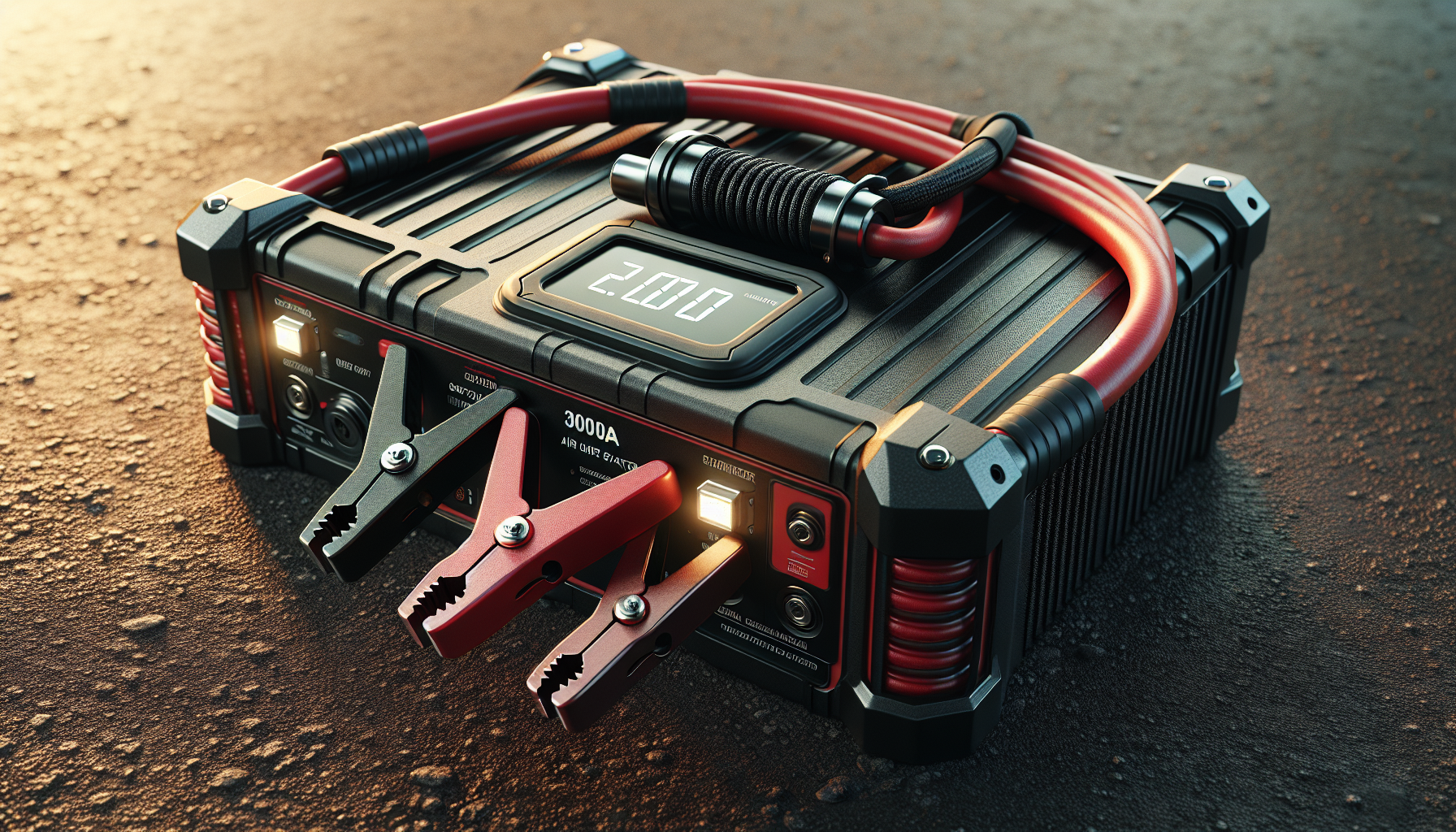
You’re looking at the Jump Starter with Air Compressor, 3000A Car Battery Jump Starter (9.0L Gas or 8.5L Diesel Engines) with 150PSI Digital Tire Inflator, 12V Portable Jump Box with LCD Screen, Emergency Light. This unit pairs a high-current jump starter with a digital inflator and emergency lighting, so you get a multi-purpose roadside tool that aims to cover several common vehicle emergencies.
What’s in the box
You’ll typically find the jump starter unit itself, a set of heavy-duty jumper clamps, an air hose with three nozzles for different inflation tasks, and a user manual. The package may also include charging cables for the unit and possibly a storage bag depending on the seller, so check what’s included before you buy.
Key specifications
Below you’ll see a concise breakdown of the main specs so you can quickly understand the core capabilities. These specs reflect the product’s advertised strengths and the items you’ll rely on most in daily and emergency situations.
| Feature | Detail |
|---|---|
| Peak Current | 3000A |
| Engine Start Capability | Up to 9.0L gasoline or 8.5L diesel |
| Tire Inflator Max Pressure | 150 PSI |
| Inflator Features | Digital pressure preset with auto shutoff, air hose, 3 nozzles |
| Operating Temperature | 4°F to 140°F (-15°C to 60°C) |
| Light Modes | Normal, Strobe, SOS |
| Display | LCD screen (status/pressure/charging info) |
| Portable Power | Acts as power bank for phones and small devices |
| Safety | 10 built-in protection technologies |
| Notes / Cautions | Avoid long continuous air pump use; cool down if hot; charge every 3 months when unused |
Jump starting performance
You want a jump starter that works reliably the first time, and this 3000A unit is built to deliver a strong peak current for quick engine starts. The high peak current rating makes it suitable for large engines and situations where the battery is severely discharged.
How it handles gas vs diesel engines
For gasoline engines it advertises capability up to 9.0L, which covers most passenger vehicles, trucks, and SUVs you’re likely to encounter. For diesel engines it supports up to 8.5L, so it’s useful for many light- to medium-duty diesel trucks but may not be intended for very large commercial diesels.
Jump starting procedure
You’ll connect the heavy-duty clamps to the vehicle battery following the polarity markings, then power on the unit and attempt the start; it’s as simple as that when conditions are normal. Always follow safety steps: attach clamps to the battery (positive to positive, negative to chassis if instructed), ensure clamps don’t touch, and confirm the LCD indicates ready status before cranking.
Air compressor and tire inflator
You’ll appreciate having a built-in tire inflator that supports up to 150 PSI and includes automatic pressure detection and shutoff. That means you can preset the pressure you want and let the unit stop itself when it reaches the target, making inflation simpler and less stressful.
Using preset pressure and auto shutoff
Set the desired PSI on the digital display, attach the nozzle to the tire valve, and start the compressor; the tool will pump air until the preset is reached and then shut off. This is handy when you need the right pressure quickly and when you don’t want to babysit the inflator during the process.
Inflator tips and warnings
You should avoid using the air pump function continuously for long periods; the product warns that extended use can cause heating and requires cooling before continuing. Also note that the air hose may become hot after use, so wait a moment before handling the hose or disconnecting it.
Multiple protection and safety features
Safety is a major focus for portable power devices, and this product claims 10 built-in protection technologies to help prevent common risks. Those protections are designed to reduce the chance of reverse polarity, short circuits, and other electrical hazards while you’re operating the unit.
Built-in protections explained
Typical protections you can expect include reverse polarity protection, short-circuit prevention, overcurrent and overvoltage safeguards, overcharge and over-discharge protection, temperature protection, and spark-proof design. These features work together so you can perform jump starts and inflation with greater confidence, especially if you’re working alone roadside.
Emergency light and portable power bank
You’ll have a versatile LED emergency light built into the unit with Normal, Strobe, and SOS modes that help in different roadside scenarios and signaling needs. Beyond lighting, the unit doubles as a portable power bank to recharge phones, small laptops, watches, and other digital devices when you’re away from a wall outlet.
Light modes and when to use them
The Normal mode gives steady illumination for tasks like inspecting under the hood or making glove-compartment repairs at night. The Strobe and SOS modes are ideal when you need to warn approaching drivers of a stopped vehicle or signal for help in low-visibility situations.
Charging devices and ports
You can charge digital products from the jump starter’s battery pack, which typically provides 12V output and USB outputs suitable for phones and tablets. For larger devices like laptops, check the device’s power requirements and the included ports to confirm compatibility before relying on it as your main power source.
LCD screen and controls
You’ll find an LCD screen on the unit that displays important information such as battery status, inflator pressure, and error messages, which helps you use the device accurately. Clear readouts reduce guesswork and help you avoid overinflation or attempting a jump when the unit isn’t sufficiently charged.
What the LCD shows and how to read it
The LCD typically shows current battery level, selected pressure settings for the inflator, and potentially fault indicators if protections activate. You’ll want to glance at the screen before each use to confirm settings and to make sure the unit is ready for the task you’re about to perform.
Real-world performance and testing notes
When you use a combo tool like this in the field, results depend on battery condition, ambient temperature, and repeated usage patterns; this unit’s 3000A peak rating gives you a robust safety margin. In practice, the jump starter handles most passenger vehicles and many trucks comfortably, and the inflator is quick for typical tire sizes.
Cold weather and extreme temps
The product is rated to operate from 4°F to 140°F, so you’ll still be able to use it in many winter conditions, but extreme cold can reduce battery output. If you frequently operate in sub-freezing temperatures, store the unit in a warmer place when possible and keep it charged because cold reduces available amperage.
Repeated use and heat management
You’ll notice the inflator and the unit can get warm with continuous or multiple uses, which is why the manufacturer advises cooling periods. If you need to inflate multiple items or jump multiple vehicles, plan for breaks and monitor the unit’s temperature to avoid tripping thermal protection or damaging components.
How to perform a safe jump start — step-by-step
You want a reliable routine for using the device safely, so here’s a clear, step-by-step workflow. Follow these steps each time to reduce risk and increase your chances of a successful engine start.
- Ensure both the jump starter and the vehicle are off, and the vehicle’s ignition is in the off position.
- Attach the red clamp to the positive (+) terminal of the dead battery.
- Attach the black clamp to a grounded metal part of the vehicle chassis (or negative terminal if manual specifies).
- Confirm the clamps are secure and not touching each other, then turn on the jump starter.
- Check the LCD to ensure the unit reports ready or shows no error.
- Start the vehicle; if it doesn’t start within a few attempts, wait a moment between tries.
- Once started, remove the clamps in reverse order and let the vehicle run for a few minutes to recharge the battery.
Maintenance and storage
You’ll get the most life from the jump starter by following a few simple maintenance rules and storing it properly when it’s not in use. Treating the unit as routine maintenance equipment will keep it reliable when you need it.
Charging schedule and long-term storage
If you don’t use the jump starter frequently, charge it at least once every three months to maintain battery health and ensure it has enough charge when an emergency occurs. Leaving lithium batteries discharged for long periods can reduce capacity and reliability, so set a calendar reminder to top it up periodically.
Cleaning and physical care
Clean the clamps and connection points occasionally to remove corrosion or dirt, and store the unit in a dry, cool place away from direct sunlight. Avoid exposing the unit to moisture and don’t store it where it can freeze solid or be left in extreme heat.
Troubleshooting common issues
You’ll sometimes run into minor issues, and knowing quick fixes will save you time and worry. Below are common problems and practical solutions you can try yourself before contacting support.
- Unit won’t power on: Make sure the internal battery is charged, and try charging the unit fully before attempting a jump.
- Clamps show a polarity error: Double-check clamp connections; reverse polarity protections should prevent damage but correct the connection immediately.
- Inflator not building pressure: Check the nozzle connection to the valve for leaks and ensure the air hose is seated properly.
- Unit is hot and stops working: Allow the device to cool for several minutes and follow the cooling recommendations before reusing.
- Device won’t hold charge over long periods: If you’ve kept it unused for more than three months, charge the unit and monitor capacity; repeated deep discharge can affect long-term battery life.
Pros and cons
You want a balanced view to decide if the device meets your needs, so here’s a straightforward list of benefits and drawbacks based on the product’s features and typical user expectations. This helps you quickly assess fit for your vehicle and lifestyle.
Pros:
- Powerful 3000A peak current for strong jump-start performance.
- Inflator with 150 PSI max and auto shutoff makes pressure control simple.
- Multiple protections increase safety during use.
- LED emergency light with multiple modes adds versatility.
- Acts as a portable power bank for charging devices.
Cons:
- Inflator should not be used continuously for long periods; it requires cooling downtime.
- May be heavier than single-purpose jump starters due to added compressor and battery.
- If you need to jump large commercial diesel engines beyond 8.5L, this unit may not be sufficient.
Who is this for?
You’ll find this product especially useful if you drive large passenger vehicles, trucks, or work in environments where both jump-starts and quick inflation are practical needs. It’s also a good fit if you want an all-in-one emergency tool to keep in the trunk for weekend trips, work sites, or seasonal travel.
Best use cases
Keep it in the vehicle as part of an emergency kit for family road trips or daily commuting, and use the inflator for on-the-go tire adjustments. Mechanics, delivery drivers, and off-road enthusiasts will also value having both jump-start capability and an inflator in a single portable package.
Comparison to similar products
You’ll notice other jump starters might offer similar peak currents or inflators, but the convenience factor here is the combined functionality and the digital control. Compared to single-purpose units, the added air compressor and LED modes make this a more versatile option, though at slightly more weight and cost.
How it measures up on value
If you frequently face both battery and tire-related issues, this unit can replace two separate devices and save trunk space. If you only need occasional jump-starting, a smaller and lighter dedicated starter might be a better fit for budget-conscious buyers.
Warranty, support, and attention items
You’ll want to know how to get help if anything goes wrong, and the manufacturer recommends contacting support promptly for assistance with product issues. The product also includes key attention items you should follow to keep the unit working safely and to comply with warranty terms.
Important usage notes
Do not use the air pump continuously for long stretches; if the unit heats up severely, let it cool down for a few minutes before resuming. Additionally, if the jump starter is not used for a long time, you should charge it once every three months to maintain battery health.

Final verdict
You want a dependable, multi-use tool for roadside emergencies, and this Jump Starter with Air Compressor, 3000A Car Battery Jump Starter (9.0L Gas or 8.5L Diesel Engines) with 150PSI Digital Tire Inflator, 12V Portable Jump Box with LCD Screen, Emergency Light is designed to meet that need. It combines robust jump-start capability, a smart inflator with auto shutoff, strong safety features, and emergency lighting into one compact package that’s well-suited for most drivers.
Frequently asked questions
You’ll have questions before you buy or while using the unit, so these FAQs cover common concerns and practical answers. Each brief Q&A below helps you evaluate real-world usability and maintenance.
Can the unit start a completely dead battery?
Yes, the 3000A peak current is designed to start heavily discharged batteries for engines up to 9.0L gasoline or 8.5L diesel. However, if the battery is physically damaged or the alternator is failing, a jump start may be temporary and further repair will be needed.
How long does the built-in battery take to charge?
Charge times vary depending on the supplied charger and battery state, but a full recharge typically takes a few hours with the included charger. Always use the manufacturer-recommended charger and follow the user manual instructions to preserve battery life.
Is the inflator suitable for large truck tires?
The inflator’s 150 PSI max is high enough for many vehicle and truck tire applications, but inflating very large or heavy-duty commercial tires could take longer and generate heat. Use intermittent cycles and allow cooldown periods if you’re inflating multiple or very large tires.
What kind of maintenance does it need?
You should keep the unit charged if unused, check clamps and cables for corrosion, and store it in a dry place away from extreme temperatures. Charge it every three months when not in regular use and clean the connectors periodically.
Can it charge laptops and larger electronics?
The unit functions as a power bank for phones and small electronics, but check the output specifications and your laptop’s power needs before relying on it as the main charger. Some laptops require specific voltage levels or an inverter, so confirm compatibility first.
What should I do if the unit displays an error?
If the LCD shows an error, consult the user manual for the specific code and recommended action; many errors are resolved by checking connections, letting the unit cool down, or ensuring it is fully charged. If problems persist, contact customer support for further help and potential warranty service.
Is it safe to leave the clamps on a battery for long?
No, you should only attach clamps as long as needed to perform the jump start and follow the recommended removal sequence. Leaving clamps connected increases the chance of accidental short circuits or battery drain.
Will extreme cold or heat damage the unit?
Operating outside the specified 4°F to 140°F range can reduce performance or potentially harm the battery. Store the unit within the recommended temperature range and avoid leaving it in extremely cold or hot vehicles long-term.
How portable is the jump starter?
It’s designed to be portable enough for trunk storage and roadside use, but because it includes a compressor and a robust battery, it will weigh more than compact jump starters. You’ll trade some portability for the added convenience of multiple functions.
What do I do if the inflator hose becomes hot?
Allow the hose to cool down before handling or disconnecting it; the product warns that the hose can become hot after inflation. Avoid continuous long runs and give the unit rest periods to manage heat buildup safely.
If you’d like, I can format this review into a printable checklist for the jump-start procedure and inflator use, or create a comparison chart against specific competitor models you’re considering. Which would you prefer?
Disclosure: As an Amazon Associate, I earn from qualifying purchases.