
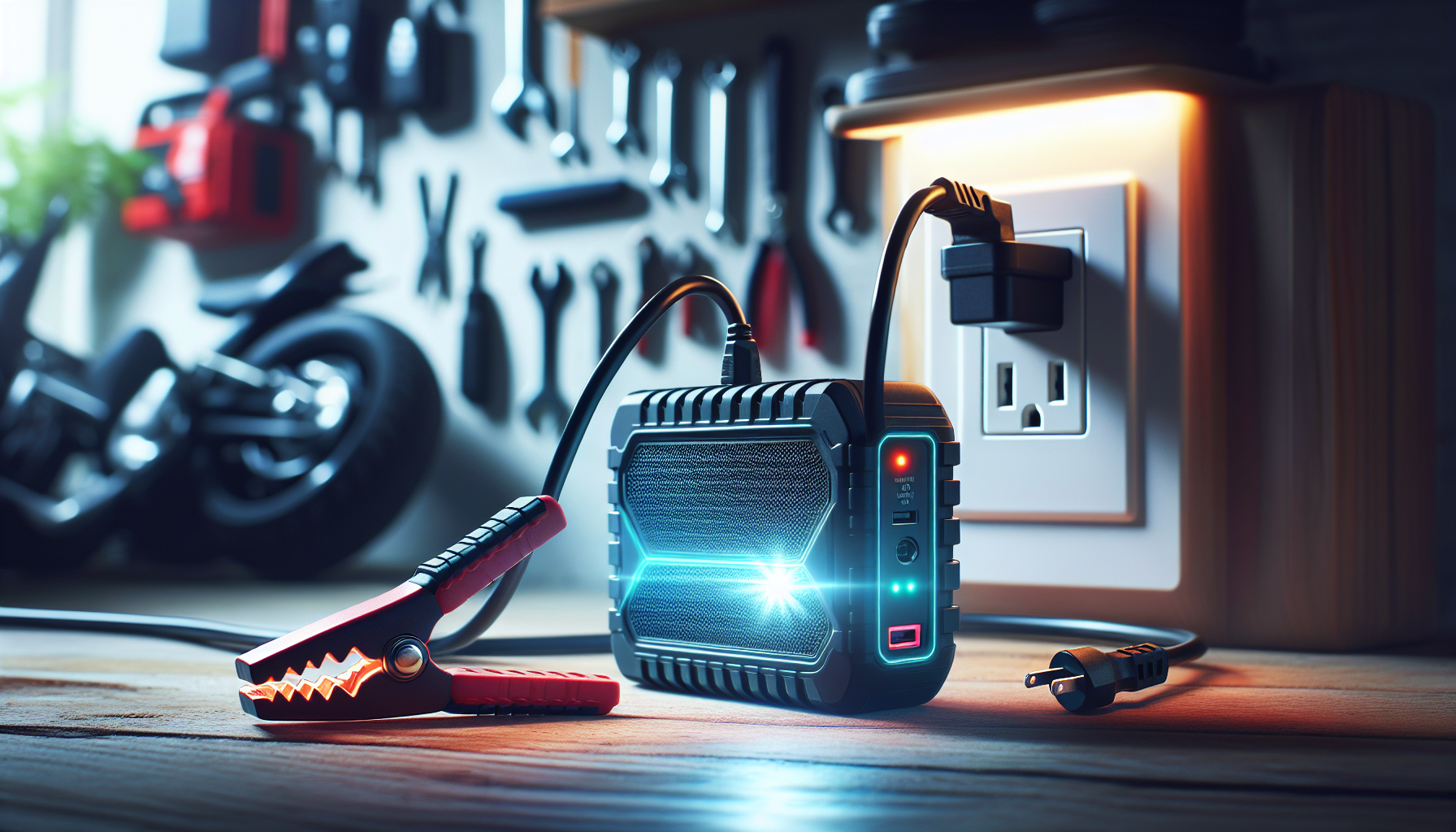
Have you ever found yourself in a situation where your car won’t start, and you wish you had a little backup in the form of a portable jump starter? If so, you’re not alone. Knowing how to recharge a portable jump starter effectively ensures you’re ready for those unexpected moments. Let’s explore how to keep your jump starter ready when you need it most.

Understanding Portable Jump Starters
Portable jump starters are compact devices that provide a quick power boost to your vehicle’s battery. They’re a lifesaver for anyone who has experienced a dead battery, especially when you don’t have another vehicle around to lend a hand. Before we get into the nitty-gritty of recharging, let’s cover some basics.
How Do They Work?
These jump starters contain a lithium-ion battery that stores energy. When you connect the jump starter to your car’s battery, it delivers a surge of power, enabling the vehicle to start. This means you’re not only carrying a compact power source but also a safety net for those moments when you need it the most.
Types of Jump Starters
It’s essential to know that portable jump starters come in various types and with different features. Some are equipped with USB ports to charge your devices, while others may include built-in air compressors or LED lights. Understanding the particular model you have is crucial for optimal performance.
Steps to Recharge a Portable Jump Starter
Recharging your jump starter should be a straightforward process, but it does require some attention to detail. Here’s how to do it effectively.
Gather Your Supplies
Before starting, gather all the necessary supplies. You’ll need:
- Your portable jump starter
- The manufacturer’s charger (some models come with a car charger, while others include a wall charger)
- Access to a power outlet or your vehicle if using the car charger
Locate the Charging Port
Find the charging port on your jump starter. Typically, this is clearly labeled and located near the controls. It’s crucial to charge your jump starter through the correct port to avoid damaging the unit.
Plug in and Power Up
Once you’ve located the charging port, plug in the charger. If you’re connected to a wall outlet, ensure it’s functional. If you’re using the car charger, make sure the vehicle is running while charging, otherwise, you might drain your car’s battery. Charging via the wall outlet is usually more efficient.
Check the Indicator Lights
Many jump starters feature indicator lights that show the charging status. These lights can tell you whether the device is charging or fully charged. It usually takes just a few hours to reach a full charge, but this can vary based on your specific model. Always consult your user manual for precise information.
Disconnect When Fully Charged
Once fully charged, be sure to disconnect the charger from the jump starter. Leaving the charger connected for extended periods may shorten the battery’s lifespan. If you’re using a wall charger, make it a point to unplug it from the outlet as well.


How Long Does It Take to Recharge?
The time it takes to recharge your portable jump starter can vary greatly depending on the battery’s capacity and the charger used.
Typical Charging Times
Here’s a breakdown of the average charging times based on the capacity of the jump starter:
| Battery Capacity (Amperes) | Charging Time (Hours) |
|---|---|
| 400-800 Amps | 3-5 |
| 800-1200 Amps | 5-7 |
| 1200+ Amps | 7-12 |
As you can see, smaller capacity jump starters tend to charge quicker than their larger counterparts. It’s beneficial to familiarize yourself with your model’s specifications to manage your expectations.
Best Practices for Maintaining Your Jump Starter
Proper maintenance can significantly extend the life of your jump starter. Here are some friendly tips to ensure you keep it in top condition.
Charge Regularly
To prevent your jump starter from losing capacity, charge it every 1-3 months if not in regular use. An idle jump starter can lose charge over time, and you don’t want to be caught off guard!
Store Properly
Store your jump starter in a cool, dry place away from direct sunlight or extreme temperatures. The ideal storage temperature is typically between 50°F and 86°F (10°C to 30°C). Storing it in a car trunk or glove compartment exposes it to temperature extremes, which can damage the battery
Keep Connections Clean
Regularly check the cables and clamps for any corrosion or dirt. Clean connections ensure a solid link between the jump starter and the vehicle’s battery. Always ensure the clamps are free of rust or residue, as dirty connections can impede performance.
Use it Periodically
Every few months, it’s wise to use your jump starter to boost a battery, even if it’s not necessary. This practice keeps the battery in check and ensures everything is functioning correctly.
Follow Manufacturer Instructions
Always adhere to the manufacturer’s guidelines provided in the user manual. Following specific recommendations ensures safety and longevity, and you can avoid doing anything that might void the warranty.

Troubleshooting Common Issues
Even the best devices can run into trouble. If you notice that your jump starter isn’t performing as expected, here are a few troubleshooting steps you can take.
Insufficient Charge
If your jump starter isn’t holding a charge, it may be time to troubleshoot. Check the following:
- Ensure the charger is connected properly.
- Verify the outlet or vehicle power source is functioning.
- If the indicator light shows it’s charged but it isn’t working, the battery could be faulty.
Overheating
If your jump starter gets excessively hot during charging or usage, disconnect it immediately. Let it cool down. Overheating can lead to a decline in battery health. If problems persist, consult the manufacturer.
Damage to Clamps or Cables
Inspect the clamps and cables for any signs of wear and tear, such as fraying or breaks. Damaged components can affect performance and could be a hazard. If you notice issues, replacement parts may be necessary.
Inconsistent Performance
If your jump starter works inconsistently, it might be time to look at its age. After years of use, batteries can lose their ability to hold charge efficiently. If your jump starter frequently fails to start the vehicle, replacing it is often the best option.
Conclusion
Keeping your portable jump starter charged and maintained is essential for ensuring you’re always prepared for that unexpected dead battery. By following the steps outlined in this guide, you can recharge effectively while adhering to best practices for overall maintenance. Remember, a well-maintained jump starter is a reliable jump starter, and your preparedness can always save the day. So go ahead; take care of that little lifesaver, and it’ll always be ready to help you when the times get tough!