
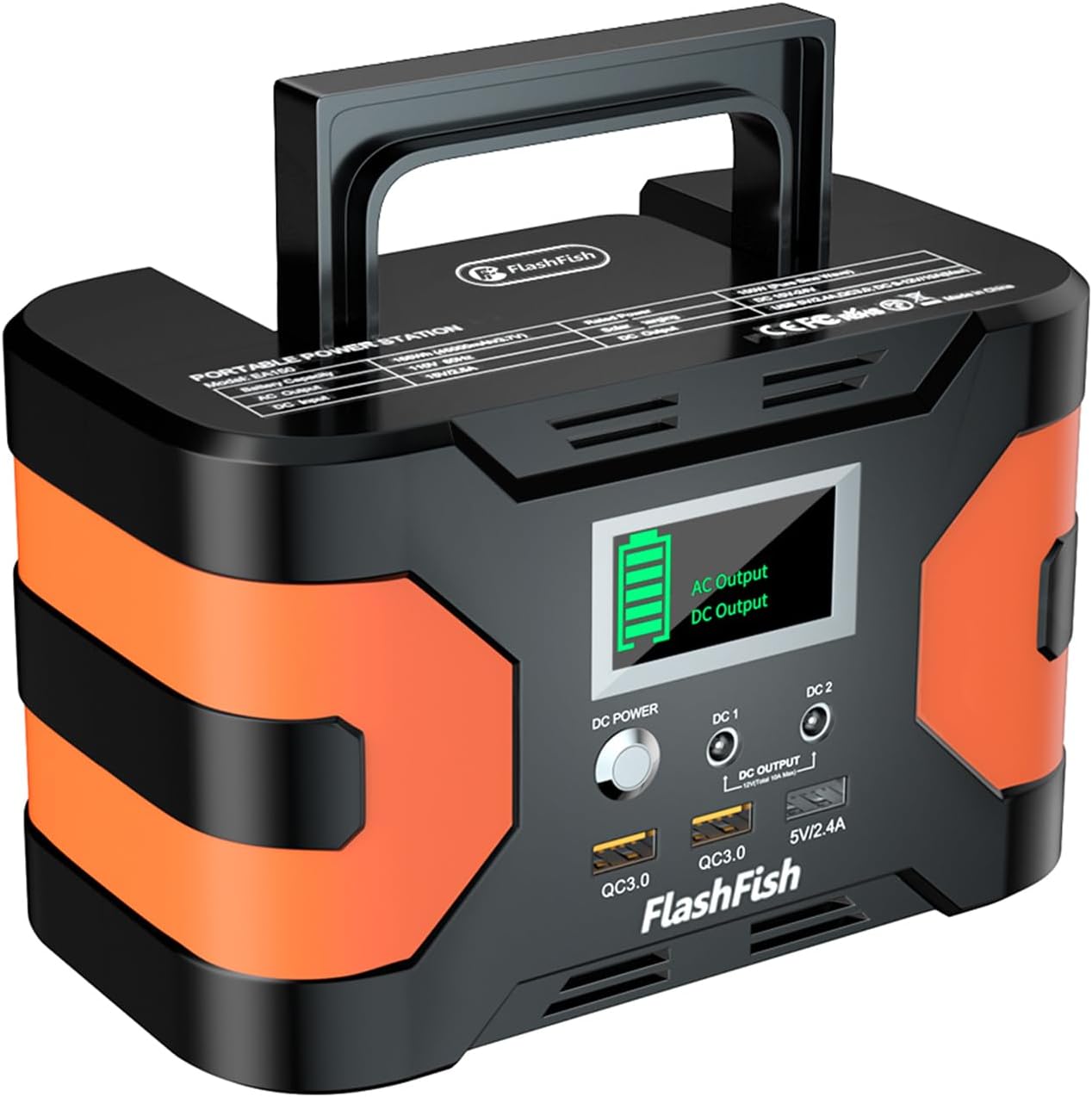
Have you been wondering whether the Flashfish 150W Portable Power Station 166Wh, 300W Peak Solar Generator with 2 Ac Outlets, 2 DcPorts & 3 USB Ports, Backup Battery Pack for Camping, Outdoor Emergency, Home Power Supply is the right portable power solution for your trips and emergencies?
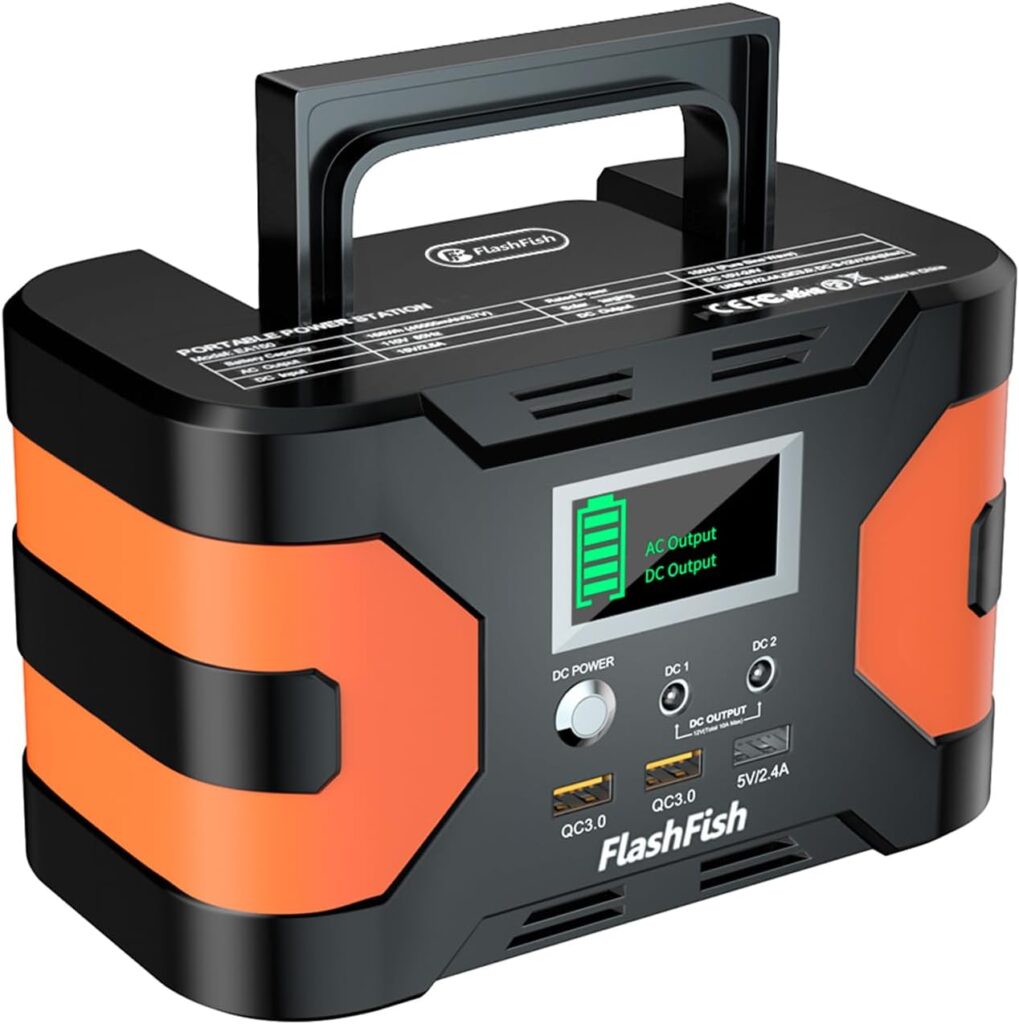

Quick verdict
You’ll get a compact, user-friendly portable power station that’s best for short trips, charging small devices, and emergency backup for essential electronics. It’s lightweight and convenient, and it offers enough output for phones, laptops, small fans, cameras, and CPAP machines for limited durations.
Who this is for
If you need a lightweight power source for day trips, weekend camping, or to keep key devices running during short power outages, this unit will likely fit your needs. If you depend on heavy-duty tools or long-term off-grid power, you’ll find its capacity limiting.
Product snapshot
This section gives you a clear look at the basics so you can quickly decide whether you want to read further. Below you’ll find the most important specs and what they mean for real-world use.
| Feature | Specification | What it means for you |
|---|---|---|
| Battery Capacity | 166Wh (45000mAh listed) | Enough to recharge phones multiple times and power small devices for several hours. Not for extended off-grid needs. |
| Continuous AC Output | 150W | Can run laptops, small fans, CPAP machines (with low-wattage models), and other light appliances. |
| Peak/Surge Output | 200W (product details) / 300W (product title) | Manufacturer listing is inconsistent; expect around 150–200W sustained and a short surge handling capability—verify heavy loads first. |
| AC Outlets | 2 x 110V AC | Plug in two small appliances or devices simultaneously. |
| DC Ports | 2 DC ports | Good for vehicle tools or compatible DC-powered accessories. |
| USB Ports | 3 USB (2 fast-charge) | Charge phones, tablets, GPS units quickly; two fast-charge ports speed up compatible devices. |
| Weight | 4.5 lb | Very portable — you can carry it comfortably for short hikes or car-camping. |
| Recharging Methods | Wall outlet, 12V car socket, solar panel (not included) | Flexible recharging; solar works if you have a panel. |
| Safety Protections | Overheat, short-circuit, low-voltage, lock-on, over-voltage, over-current | Multiple protections to keep your devices and the unit safe. |
| Output Waveform | Pure sine wave | Cleaner power for sensitive electronics like laptops and CPAP machines. |
| Notable limitation | Cannot charge and discharge simultaneously | You’ll need to plan recharging times; it won’t power devices while being charged. |

Design and build
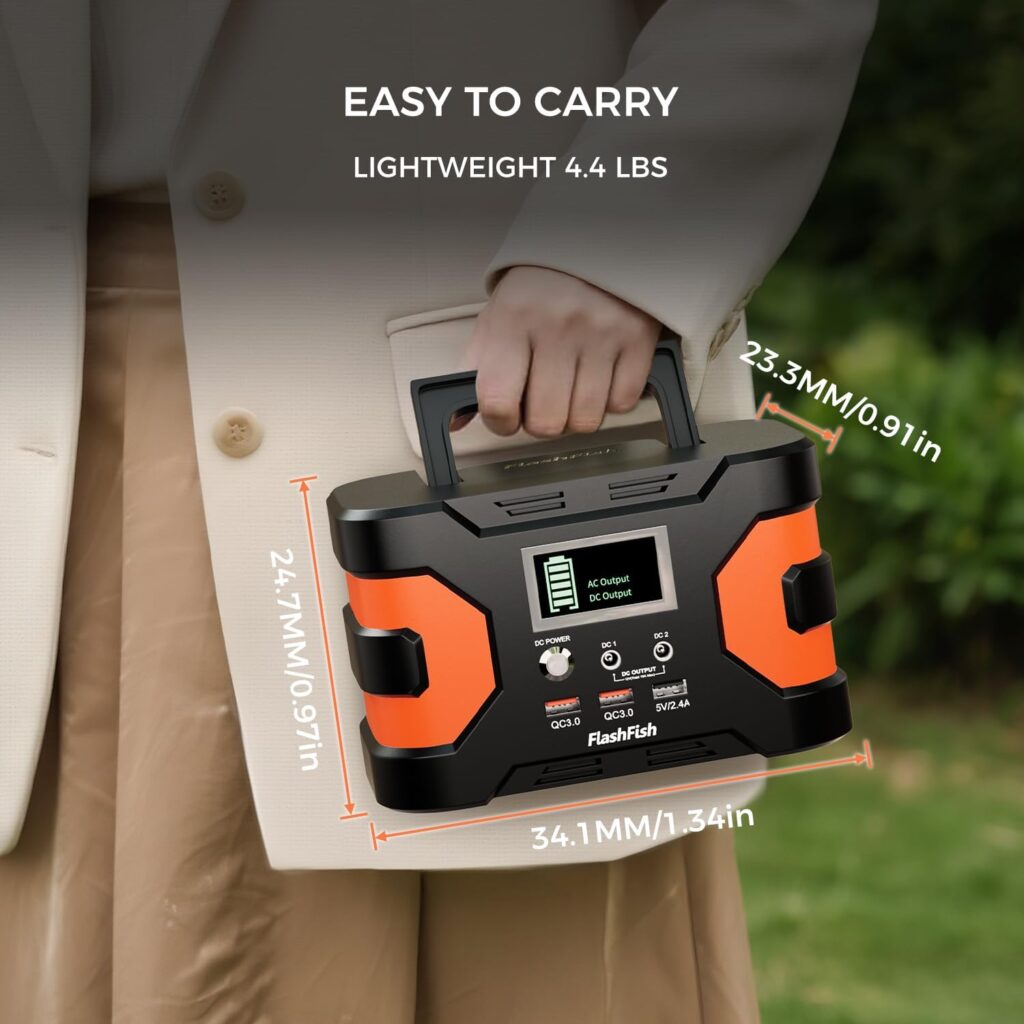
You can expect a compact, practical design built for portability and simple use. The unit weighs about 4.5 lb, so you won’t be strapped down by weight when you carry it to your campsite or stash it in the trunk.
Layout and ease of use
The control layout is straightforward with a central power button that turns the unit on and off without any fuss. Ports are grouped together in a logical way, and the lightweight shell feels solid enough for casual outdoor use.
Aesthetic and materials
It’s designed with a functional aesthetic more than a luxury finish—durable plastics and a molded handle make it easy to grab and move. If you’re rough on gear, you should still treat it carefully and avoid dropping or exposing it to heavy moisture.
Power and performance
You’ll get pure sine wave output and stable power for sensitive electronics, which is a major plus for laptops, cameras, and medical devices. However, keep in mind the 150W continuous limit when planning what to run.
Real-world output expectations
In practice, you’ll be able to charge smartphones many times, power a laptop for a few hours, and run a small CPAP machine for a limited period (depending on the machine’s power needs). Large devices, space heaters, or power tools will exceed the output limits quickly.
Surge handling and the listing discrepancy
The product title lists a 300W peak, while the detailed specs describe a 200W peak. When you’re using appliances with motors or electronic starters, expect some short surge capability but don’t count on sustained high-wattage performance. If you have a device that needs a larger startup surge, test cautiously or consult the manufacturer.
Battery capacity and what 166Wh means
Understanding watt-hours helps you figure out how long a device will run. A 166Wh battery stores a moderate amount of energy suitable for many portable electronics and short power needs.
Example runtimes
Here are some estimated runtimes to give you a realistic idea of expectations. Actual times depend on device efficiency, battery condition, and environmental factors.
- Smartphone (15Wh): ~10 full charges
- Laptop (50W draw): ~3 hours
- Portable fan (10–20W): ~8–15 hours
- Small CPAP (30–60W depending on settings): ~2–5 hours
- DSLR camera battery charger (10–20W): several full charges
These are approximate and will vary. Devices that draw close to the 150W continuous limit will deplete the battery much faster than smaller gadgets.
Ports and connectivity
You’ll appreciate the variety of ports for mixed-device charging during travel or emergencies. The arrangement fits typical needs for camping and minor household outages.
AC outlets
Two 110V AC outlets let you plug in small appliances, chargers, and other devices. Since the unit provides pure sine wave output, sensitive devices like laptops and CPAP machines are safer to run.
USB and DC outputs
Three USB ports, including two quick-charge ports, help you top off phones, tablets, and other USB-powered gadgets fast. Two DC ports are useful for vehicle-related tools and accessories, though you’ll want to check compatibility and voltage limits before connecting.
Charging options and times
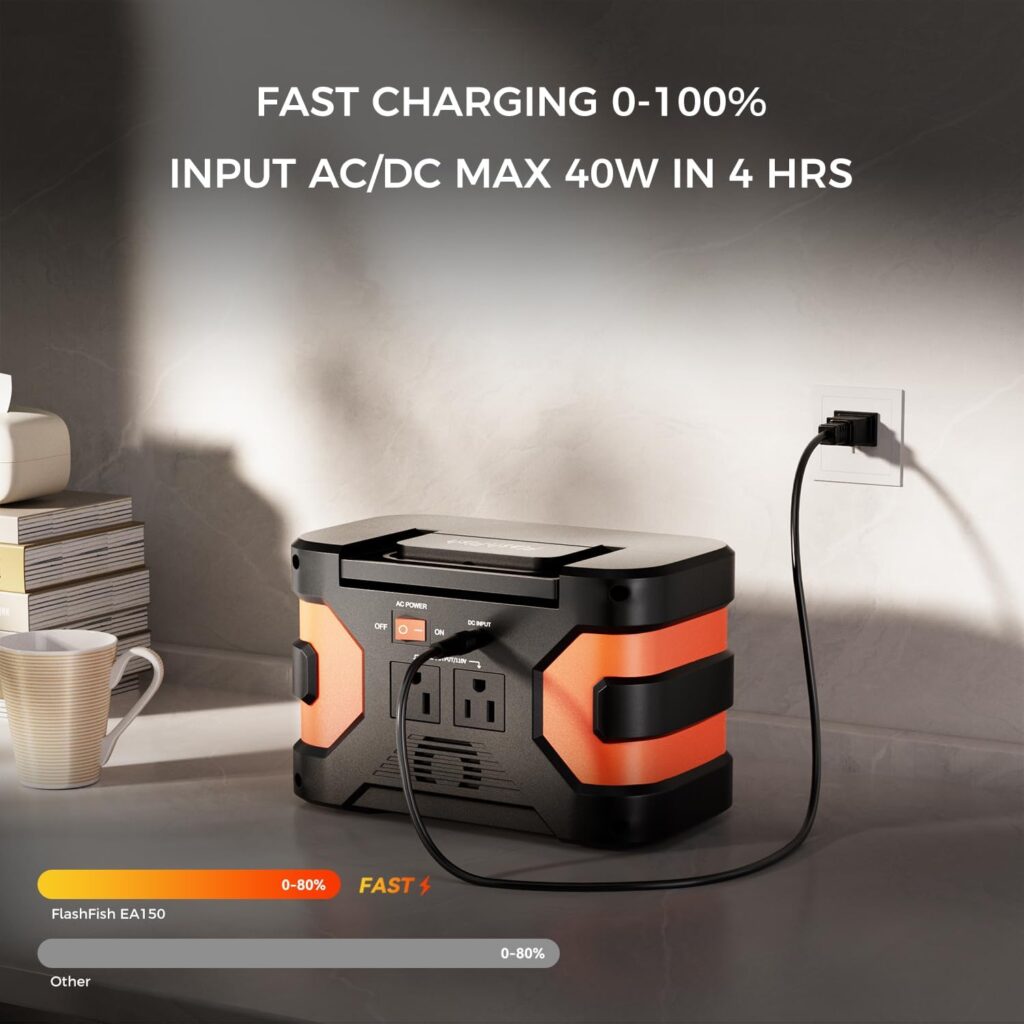
You have three main ways to recharge: wall outlet, 12V car socket, and solar panel (not included). Each option has practical considerations based on speed and availability.
Wall outlet charging
Charging via the included AC adapter is usually the fastest and most reliable. Expect typical charge times in the 3–6 hour range depending on adapter output and battery state. Your mileage will vary, but a full recharge in a half-day or overnight is typical with a decent wall adapter.
Car charging (12V)
You can recharge from your vehicle using the cigarette lighter adapter. This method is slower than wall charging and tends to be best as a backup or while traveling. Expect longer charge times (often several hours to overnight) because car output is usually lower.
Solar charging
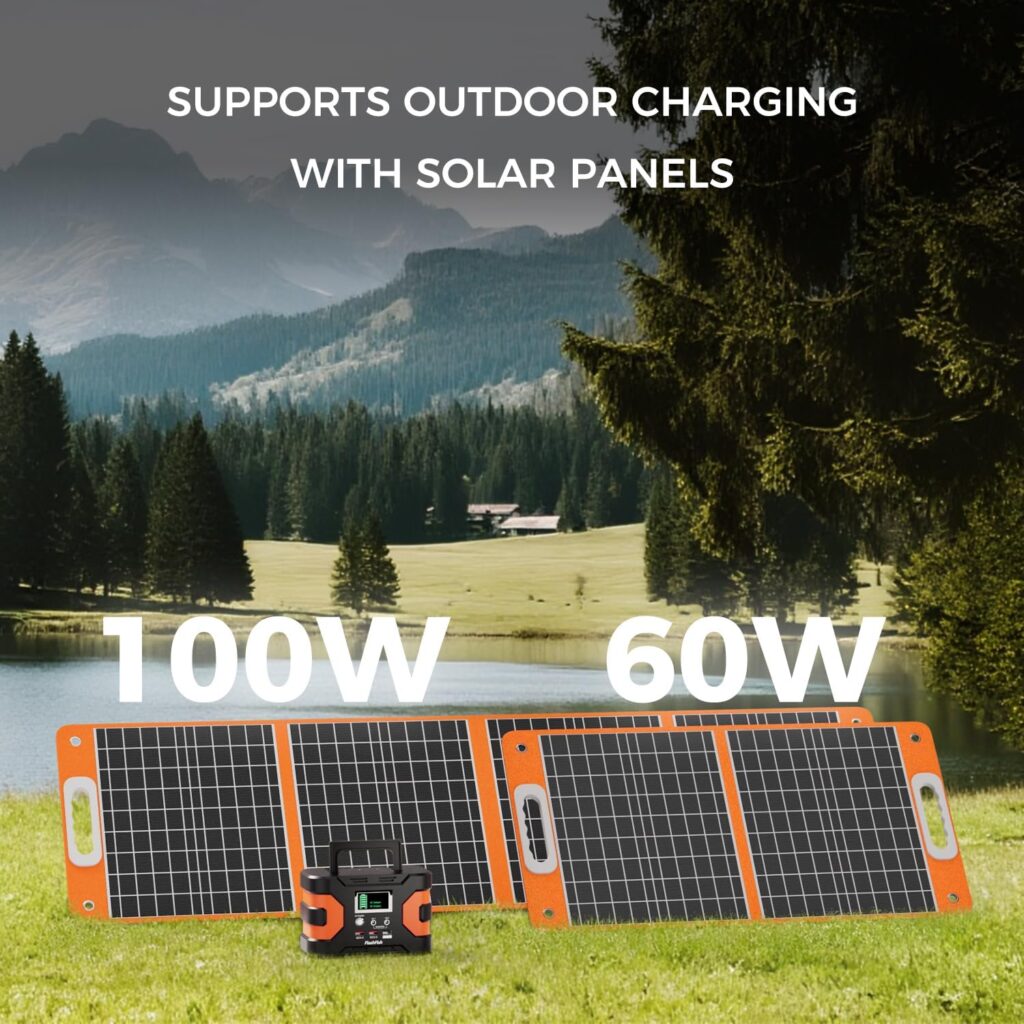
Solar charging gives you independence from grid power, but you’ll need to buy a compatible solar panel separately. Charging time via solar depends on panel wattage and sunlight conditions. With a 100W panel under ideal sun, expect a few hours to partially recharge; under typical conditions it could take most of a day. Also remember the unit cannot be charged and used simultaneously, so plan accordingly.
Safety features and protections
You’ll find multiple safety layers built in to protect both the power station and your devices. These protections are particularly valuable when you’re charging sensitive electronics outdoors or during emergencies.
Built-in protections
The unit includes overheat protection, short-circuit protection, low-voltage protection, lock-on protection, over-voltage protection, and over-current protection. These features reduce risk from misuse, unexpected power draws, or faults in connected devices.
Pure sine wave output importance
Because it produces pure sine wave output, your devices receive clean power more closely matching household electricity. This reduces the chance of interference or damage to sensitive equipment such as CPAP machines, laptops, and some medical devices.
Portability and carrying
At roughly 4.5 lb and with a simple handle, this is a genuinely portable power station you can bring on most trips without stress. That makes it useful for car camping, day outings, and emergency kits.
Practical portability tips
You’ll want to keep the unit in a dry, padded compartment when traveling to avoid knocks and scratches. It fits easily in backpacks intended for weekend gear, though you’ll want to balance other equipment so it doesn’t sit at the bottom of a heavy load.
Everyday use scenarios
You can keep this unit in your trunk for road trips or store it at home for power outages. Below are common scenarios and what you can realistically expect it to handle.
Camping and outdoor trips
You can charge phones, run LED lights, power a small fan, and top off cameras and drones. If you run multiple devices at once, monitor the combined wattage to avoid overloading the 150W continuous limit.
Medical and CPAP support
Because it provides pure sine wave output and has multiple safety protections, this station is an option for powering CPAP machines during short outages. Confirm your CPAP model’s power draw and battery needs in advance, and prepare for limited runtime.
Emergency backup at home
For brief outages, you can keep essential devices alive—phones, router, small lights, and a laptop to stay connected. This station is not designed to replace whole-home backup systems, but it’s excellent for keeping critical items functional in the short term.
Pros and cons
This section helps you weigh the strengths and weaknesses so you can decide if it suits your needs.
Pros
- Lightweight and easily portable at 4.5 lb.
- Pure sine wave output for safer, cleaner power.
- Multiple ports (2 AC, 2 DC, 3 USB) for versatile charging.
- Several recharging options including solar compatibility.
- Good safety protections to minimize risk to devices.
- Simple, user-friendly controls.
Cons
- 166Wh capacity limits run time for medium- to high-draw devices.
- Continuous 150W limit means many appliances aren’t supported.
- Listing inconsistency between 200W and 300W peak ratings—clarify with seller.
- Cannot be charged and used at the same time, which limits simultaneous operation while recharging.
- Solar panel not included; you must purchase separately if you want off-grid charging.
Charging while using — an important limitation
You need to plan because this model cannot be charged and used simultaneously. That means when you’re charging the unit, you cannot have it powering devices at the same time.
How this affects your plans
If you expect long-term off-grid use, you’ll need extra power banks or a larger station that supports pass-through (charge while discharging). For short trips and day use, you can cycle devices—charge the station fully, then use it until depleted, then recharge.
Maintenance and storage
Keeping your battery healthy takes some basic, consistent care. You’ll want to follow a few straightforward tips to prolong lifespan.
Best practices
Store the unit in a cool, dry place and avoid extreme temperatures. If you won’t use it for a while, charge it to about 50–70% and top it up every few months. Don’t let it sit at zero for extended periods because that can degrade the battery.
Cleaning and handling
Use a damp cloth to wipe exterior surfaces and keep ports free of debris. Avoid getting the unit wet or exposing it to heavy dust and dirt. If a port looks damaged or loose, stop using the device and contact support.
Comparison to other small power stations
If you’re considering alternatives, it helps to compare general categories rather than relying on one spec. You’ll find other 150–200Wh units that trade off ports, weight, and price differently.
Where this unit stands
This Flashfish model prioritizes portability and simplicity. It’s lighter than many similar-capacity units and gives you a useful port mix. Other brands may offer higher continuous wattage, pass-through charging, or included solar panels but often at higher weight or cost.
Choosing based on priorities
- If you prioritize weight and simple usage: this Flashfish model is a good choice.
- If you need longer runtime or to power high-wattage appliances: you’ll want a 500Wh+ unit.
- If you want simultaneous charging and discharging (pass-through): look for a unit that explicitly supports that feature.
Practical tips for getting the most out of it
You’ll extend useful runtime and avoid problems if you plan device usage and charging cycles carefully. A few smart habits go a long way.
Tips for maximizing runtime
- Charge high-capacity devices from wall power when available, and use the station for smaller devices.
- Turn off devices when not in use (airplane mode on phones, sleep settings on laptops).
- Use efficient chargers and lower power settings on devices to save watt-hours.
- Keep the unit at moderate temperature; heat reduces battery efficiency.
Tips for travel and emergencies
- Keep the included wall and car charging adapters with the unit at all times to avoid searching for them when needed.
- Label port usage with a small tag or note so you don’t forget which cable does what.
- Pair the station with a compact solar panel if you plan longer trips away from power sources.
How to use safely
Safety is straightforward if you pay attention to a few important points. These will protect both your gear and the station itself.
Safety checklist
- Verify the combined wattage of your devices doesn’t exceed 150W continuous output.
- Use the correct cables and adapters provided or rated for the station.
- Avoid exposing the unit to water or extreme temperatures.
- Do not attempt to open or modify the unit; internal repairs should be done by authorized technicians or returned under warranty.
Warranty and support
Check the current warranty details and customer support options from the seller or manufacturer. Warranty terms change, so confirm coverage before purchase or right after receiving the unit.
What to look for when buying
You should verify warranty length, what it covers (battery, electronics, connectors), and how to reach support. Keep your purchase receipt and register the device if registration is offered to streamline any future claims.
Final recommendation
If you want a lightweight, portable power station for short trips, day camping, or to keep your essential devices running during brief outages, this Flashfish 150W Portable Power Station 166Wh, 300W Peak Solar Generator with 2 Ac Outlets, 2 DcPorts & 3 USB Ports, Backup Battery Pack for Camping, Outdoor Emergency, Home Power Supply is a practical, user-friendly pick. It’s easy to carry, offers a useful variety of ports, and includes important safety features and pure sine wave output for sensitive electronics.
When to consider alternatives
If you regularly need long runtimes, want to power high-wattage appliances, or require pass-through charging, you should consider a larger-capacity station or a different model that explicitly supports simultaneous charge and discharge. Also, clarify the true peak wattage if you plan to use devices that require higher startup power.
You now have a detailed overview and practical guidance to decide whether this unit fits your needs. If you want, tell me which devices you plan to run and I’ll estimate expected runtimes and recommend whether this model meets your specific needs.
Disclosure: As an Amazon Associate, I earn from qualifying purchases.