
?Are you trying to find a reliable, heavy-duty Level 2 EV charger that can handle two vehicles without expensive electrical upgrades?
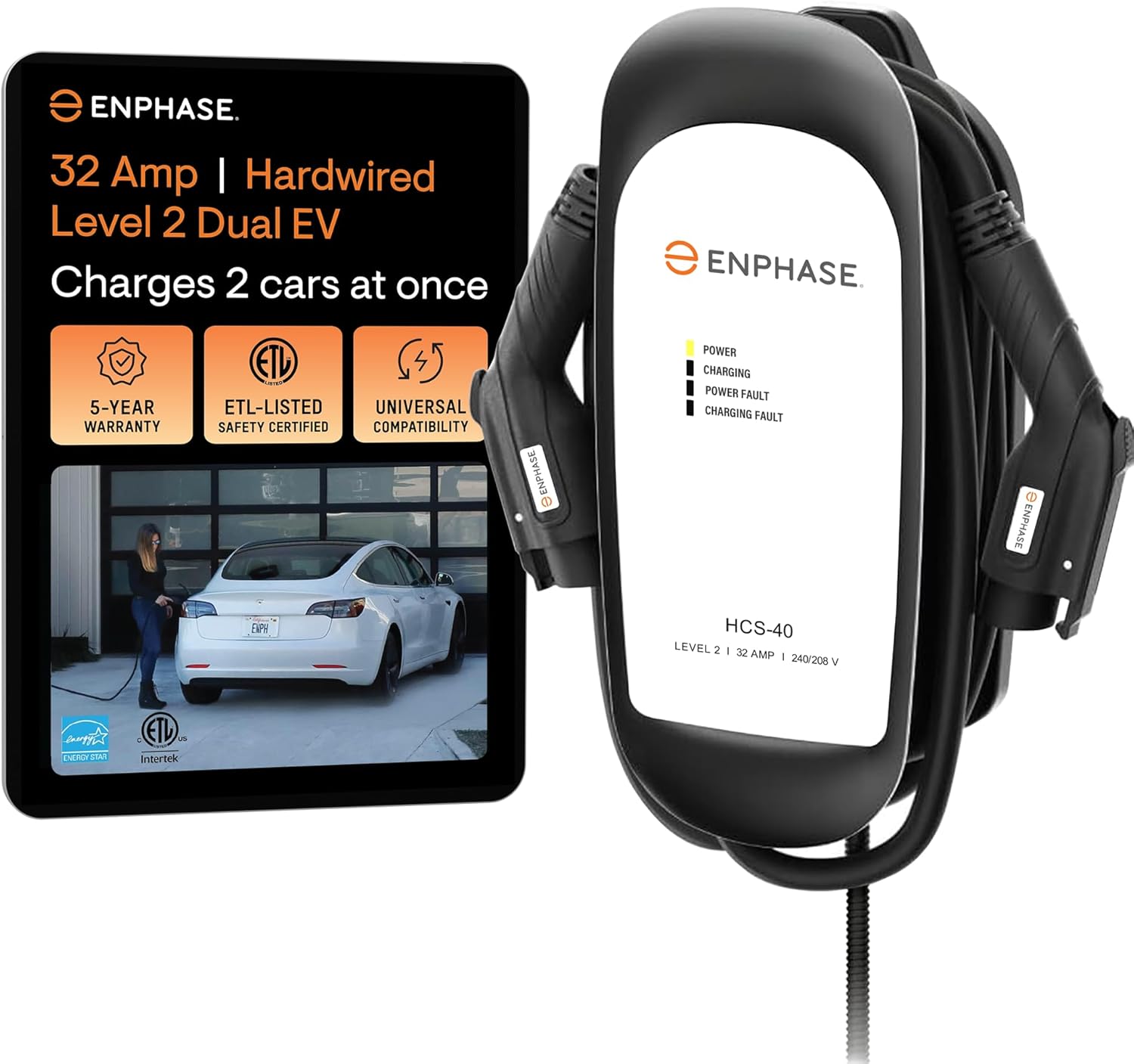

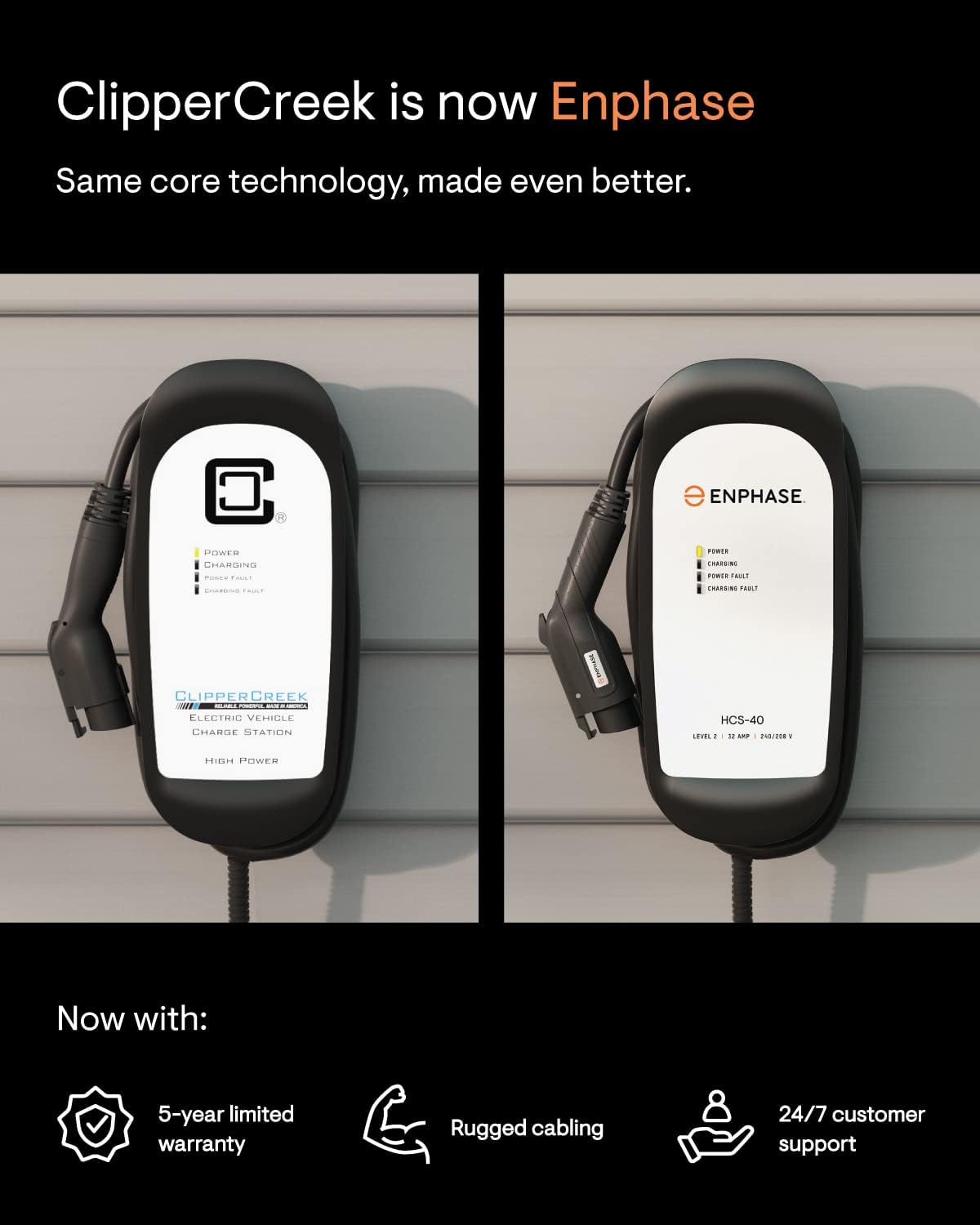
Product Overview: Enphase Level 2 Dual EV Charger, Safety Certified, 32 Amp, 240v, Hardwired, 25ft Cables, J1772, Compatible with US Electric Vehicles, HCS-D40 Home Electric Car Charging Station – formerly ClipperCreek
You’ll want to know what this charger actually does for your daily routine. The Enphase Level 2 Dual EV Charger (HCS-D40) is built to charge two EVs on one circuit, provide rugged commercial-grade durability, and keep working in extreme weather while remaining hardwired and safety certified.
What this product is best for
This model is ideal if you have two EVs in your household, run a small commercial lot, or manage a residential building where reliable, long-lasting charging matters. You’ll appreciate its ability to reduce the need for costly electrical upgrades and provide dependable uptime for high-traffic use.
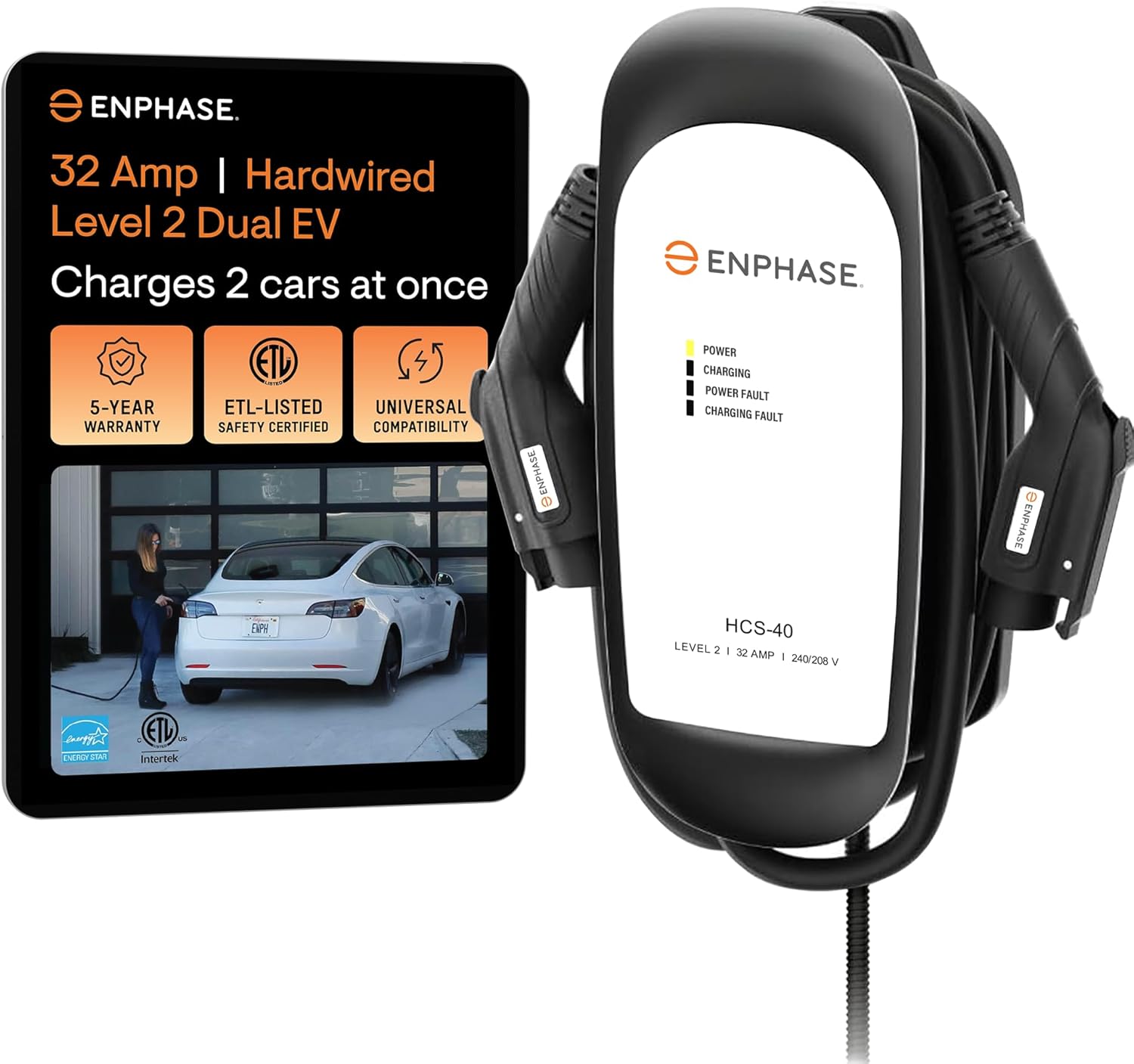
Enphase Level 2 Dual EV Charger, Safety Certified, 32 Amp, 240v, Hardwired, 25ft Cables, J1772, Compatible with US Electric Vehicles, HCS-D40 Home Electric Car Charging Station - formerly ClipperCreek
Key Specifications and Quick Facts
You should be able to scan the main specs quickly to decide if this unit fits your electrical setup. Below is a compact breakdown that pulls together the most important technical details at a glance.
| Attribute | Details |
|---|---|
| Product Name | Enphase Level 2 Dual EV Charger HCS-D40 (formerly ClipperCreek) |
| Output | 32 Amps to one vehicle; 16 Amps to two vehicles simultaneously |
| Voltage | 240v |
| Power | Up to 7.7 kW (vehicle acceptance dependent) |
| Connector | J1772 (standard for US EVs) |
| Cable Length | 25 ft cables |
| Installation | Hardwired |
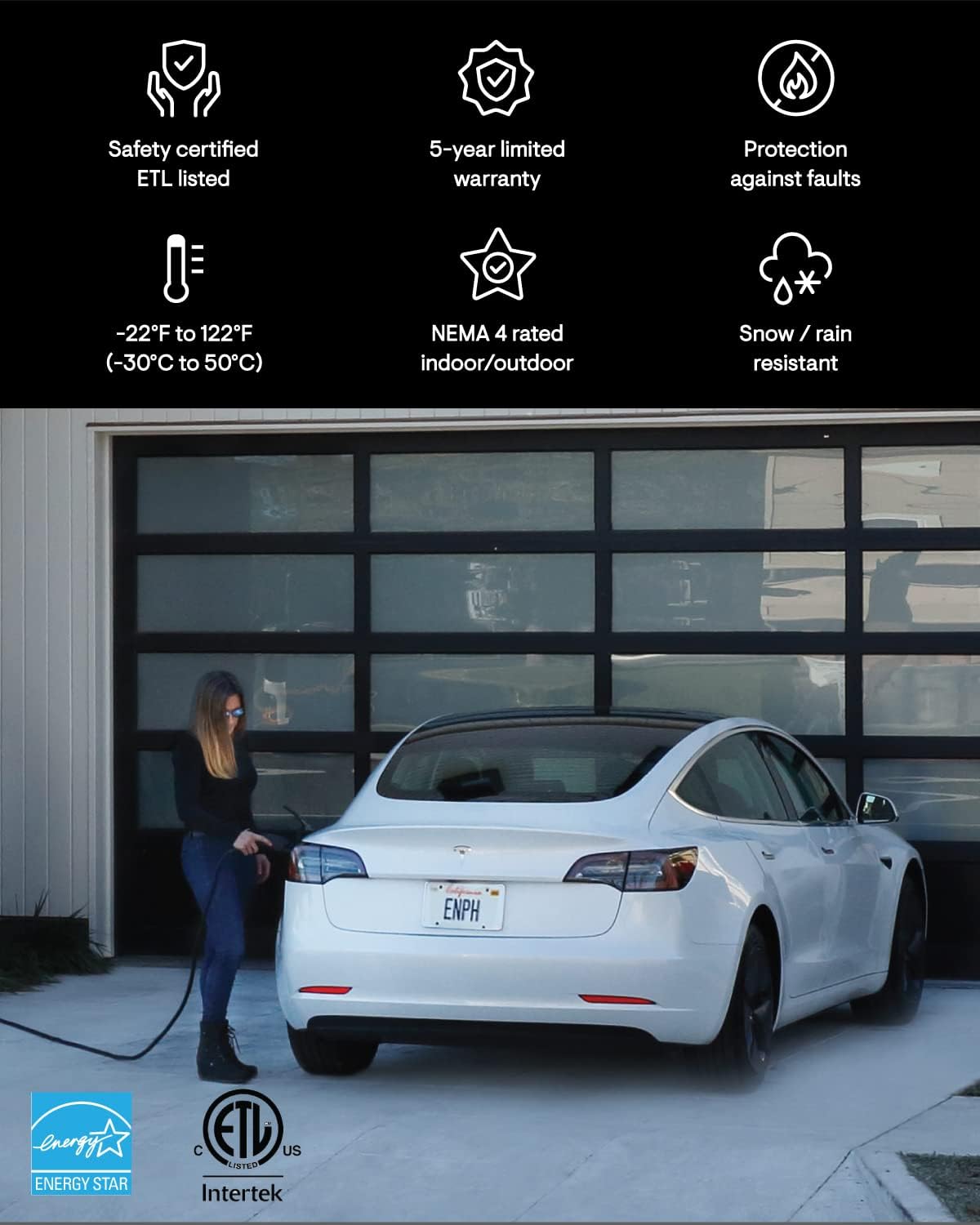
| Enclosure Rating | NEMA 4 |
| Operating Temperature | Rated for extreme cold and heat (flexible cable) |
| Safety Certification | UL 2594 |
| Warranty | 5-year limited warranty |
| Use Case | Residential, commercial, fleet, high-traffic installations |
Why these specs matter
You’ll find these details important because they tell you how much energy the charger can deliver, how it handles two vehicles, and whether it will survive outdoor conditions. The 25 ft cables give you installation flexibility, and UL safety certification means it meets recognized safety guidelines.
Design and Build Quality
The physical construction of the HCS-D40 is made to last and to resist the kinds of abuse you might expect in public or private high-traffic locations. You’ll notice a heavy-duty feel and components designed for longevity.
Enclosure and connector durability
The NEMA 4-rated enclosure protects the unit from water and dust, while the rugged connector is built to handle drops and rollovers. If you’re placing the charger outdoors or in a garage where gear might get bumped, this construction reduces worry about damage affecting reliability.
Cable management and installation footprint
You’ll appreciate the 25-foot cable length for flexible parking arrangements, and the hardwired installation keeps the unit secure and tamper-resistant. The overall footprint is designed to fit on standard pedestals or wall mounts, so you can configure the charger where it makes the most sense.
Charging Performance and Speed
Charging speed is one of your top concerns when evaluating an EV charger, especially if you need two vehicles charged in a limited window. This model balances power and practicality for many common real-world needs.
Single-vehicle charging
When you charge a single vehicle, you’ll get the full 32 Amps to the car, which can provide up to about 31 miles of range per hour depending on your vehicle’s onboard acceptance. If you drive daily and need a quick top-up after work, this speed covers most needs for commuter cars.
Dual-vehicle charging
When two vehicles are plugged in simultaneously, the charger splits the circuit and delivers 16 Amps to each vehicle. You’ll get slower charge rates compared to single-vehicle mode, but this setup is extremely useful for households with two EVs or for workplace scenarios where you want to serve multiple drivers without installing a second circuit.
Installation and Electrical Requirements
You’ll need to know what setup and electrical work are required before you buy. The HCS-D40 is hardwired, which affects installation planning but also increases durability and security.
Hardwired vs. plug-in options
Hardwired installation means the unit is directly connected into your electrical panel rather than using a plug. You’ll get a neater, more permanent installation that’s less likely to be tampered with. However, this will typically require a licensed electrician and potentially a panel or breaker upgrade depending on your existing setup.
Circuit and breaker requirements
You’ll typically need an appropriately sized 240v circuit for the maximum amperage use. Because the charger can share a circuit for two ports, you might avoid upgrading to a second dedicated 240v line, saving you time and money. Your electrician can confirm the proper breaker size and any local permitting requirements.
Weather Resistance and All-Season Reliability
If you plan to install the charger outdoors or in a partially protected area, durability in the elements is crucial. You’ll want a unit that performs the same in subzero temperatures as it does during summer heat.
NEMA 4 enclosure benefits
The NEMA 4 rating provides protection against windblown dust and rain, splashing water, and hose-directed water, which means it’s a good fit for outdoor canopies, garage exteriors, and coastal installations. You’ll have peace of mind even during heavy weather.
Cable flexibility in cold climates
You’ll notice the cable remains flexible in extreme cold, which prevents cracking or stiff handling that can make daily use frustrating. That flexibility preserves both convenience and safety, particularly in northern climates.
Safety, Certifications, and Warranty
Safety should be non-negotiable for EV charging equipment. You’ll want a charger that’s certified, predictable, and supported if something goes wrong.
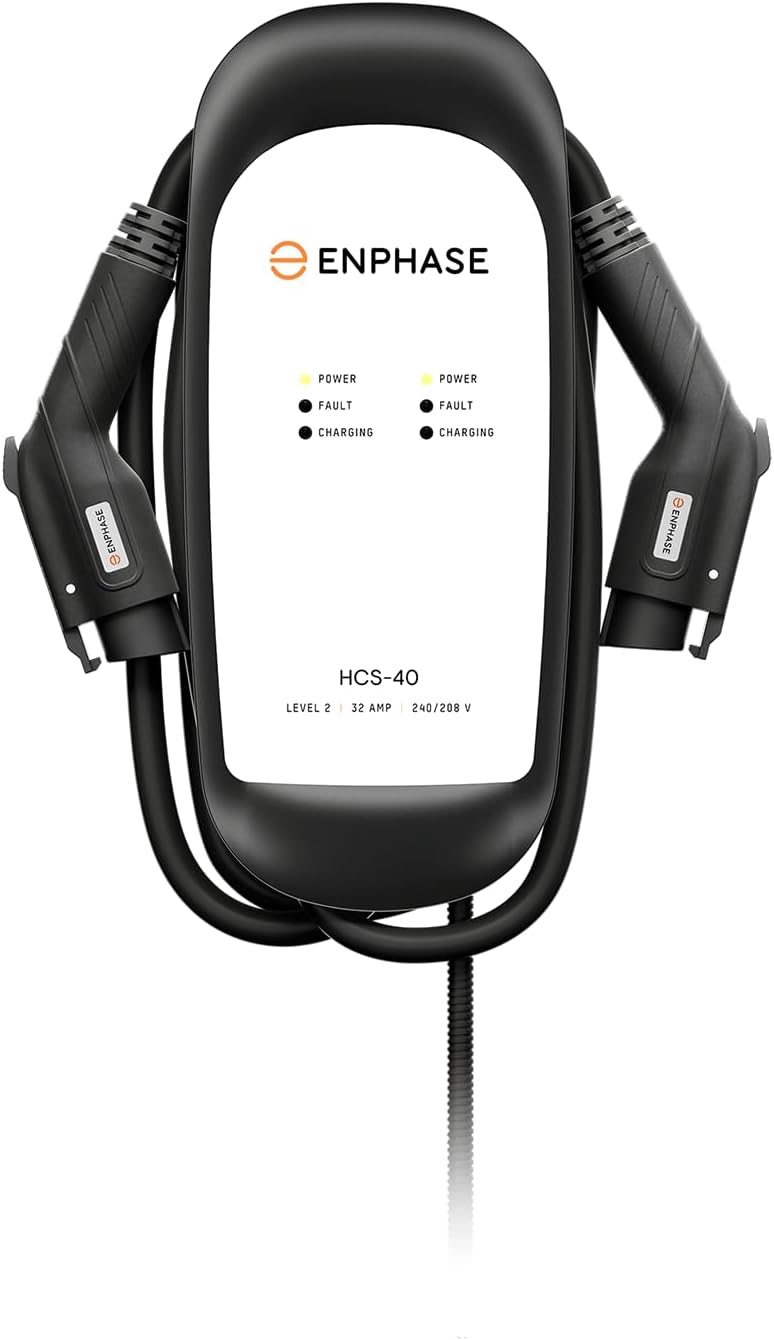
UL 2594 certification
The HCS-D40 meets UL 2594 standards for electric vehicle charging systems. You’ll benefit from the testing protocols and safety benchmarks that UL certification implies, which often simplifies permitting and inspection processes.
Warranty and support considerations
You’ll receive a 5-year limited warranty, which gives you a substantial period of coverage for defects or premature failures. If you use the unit in a commercial context, a supplier with good technical support will be valuable when you need troubleshooting or replacement parts.
Use Cases: Where this Charger Fits Best
This charger was built for flexibility. You’ll find it useful across multiple scenarios where you need dependable, multi-vehicle charging.
Homeowners with multiple EVs
If you live in a two-EV household, you’ll appreciate the ability to charge both cars off a single circuit. You’ll save on installation costs compared to installing two separate chargers and still get sufficient overnight charging for daily use.
Small businesses and residential complexes
You’ll find the unit suitable for small commercial lots, employee parking, or multi-unit residential buildings. Its commercial-grade components make it appropriate for frequent use, and the dual-port design lets you serve more drivers with less infrastructure.
Compatibility with Electric Vehicles
Compatibility can be a worry if you or your guests drive different EV brands. You’ll typically be covered with this charger.
J1772 connector standard
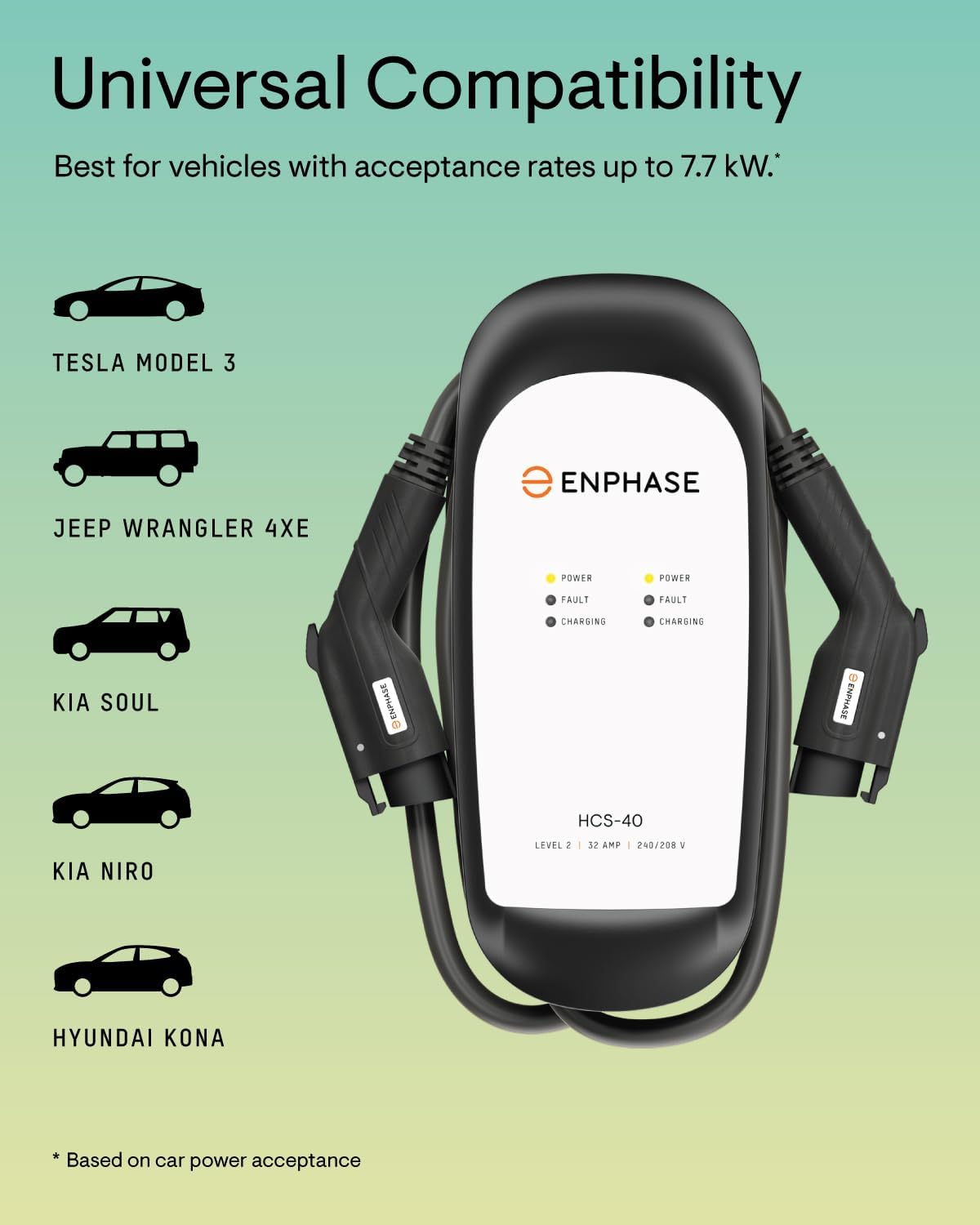
The HCS-D40 uses the J1772 connector, which is the US standard for Level 1 and Level 2 charging and works with almost all electric cars sold in the United States. You’ll only need an adapter for Tesla vehicles if you want to plug directly into a Tesla without an adapter.
Vehicle acceptance rates
You’ll want to match the car’s maximum acceptance rate to get the most out of the charger. Many modern EVs accept up to 7.7 kW or more, and this charger’s 32 Amp single-vehicle mode is well-aligned with that range.
Pros and Cons — What You’ll Like and What to Consider
It helps to weigh the strengths and limitations so you can decide whether this charger is the right fit for your situation.
Pros
- Dual-port charging lets you serve two vehicles without a second circuit.
- Commercial-grade durability with rugged connector design suitable for heavy use.
- NEMA 4 enclosure and cold-flexible cable ensure reliable outdoor performance.
- Hardwired installation reduces tampering and increases permanence.
- UL 2594 safety certification and 5-year limited warranty provide assurance.
Cons
- When charging two vehicles simultaneously, each vehicle only gets 16 Amps, which is slower.
- Hardwired installation requires an electrician and potential permitting.
- Lacks smart features like Wi-Fi scheduling, cost monitoring, or load management found on some networked chargers (this is by design — it’s focused on durability and reliability rather than connectivity).
- If you need very high-power single-vehicle charging (beyond 32 Amps), this model might not meet that requirement.
Comparison to Other Dual Chargers
You’ll find other dual-port options on the market, typically trading off between power levels, connectivity, and ruggedness.
How it stands out
Compared to many residential dual chargers, the HCS-D40 emphasizes mechanical durability and weatherproofing rather than app-based features. You’ll get a more “industrial” approach: less to go wrong in terms of electronics, and more focus on continuous service life.
When another charger might be better
If you prioritize smart features—remote control, energy scheduling, user-level billing for shared parking, or higher amperage options—you might consider alternative models. Those products may be better suited to complex energy management setups.
Installation Tips and Best Practices
You’ll reduce headaches by planning a good installation strategy that matches how you actually use the chargers.
Preparing for installation
Have a licensed electrician assess your service panel, labeling, and conduit routing. You’ll need to confirm breaker sizing and whether you’ll reuse existing wiring or need a new dedicated run.
Mounting and placement
Place the charger where the incoming vehicles naturally park to minimize cable stretch and tripping hazards. You’ll want the 25 ft cables to reach both charging ports comfortably without creating clutter or safety risks.
Maintenance and Troubleshooting
Routine care keeps your charger working reliably over time, and knowing basic troubleshooting steps saves you from unnecessary calls.
Routine maintenance
You’ll want to inspect the enclosure seals, cable jackets, and connector pins periodically for wear and debris. Light cleaning and ensuring the unit remains mounted securely will prolong the unit’s life and keep use safe.
Common issues and fixes
If a vehicle won’t charge, check the breaker and wiring first, then verify the connector is fully seated. You’ll also want to confirm the vehicle’s charging settings and check any error codes on the vehicle side. For persistent faults, contact authorized support or your installer.
Security and Theft Prevention
Because this unit is hardwired and built for commercial environments, you’ll get some inherent theft and tamper resistance.
Hardwired permanence
You’ll find that hardwiring makes the unit less of a theft target compared to plug-in chargers. It’s a fixed asset that integrates with building electrical systems and typically requires tools and time to remove.
Additional security ideas
You’ll increase security by installing the unit in visible, well-lit areas, using bolted mounts, and adding surveillance if it’s in a public or semi-public location. Labeling for ownership and contact info can discourage misuse.
Who Should Buy the HCS-D40
This charger suits certain buyer profiles very well. You’ll want to match your priorities with what the charger offers.
Ideal buyers
- You own or manage properties with multiple EV users who need dependable, continuous charging.
- You prefer robust, low-maintenance hardware over networked smart chargers.
- You need a unit that works reliably in harsh weather conditions.
- You’re looking to avoid the cost of installing two separate 240v circuits.
Less ideal buyers
- You need integrated smart energy management, user-level access controls, or app-based billing.
- You require more than 32 Amp single-vehicle charging for faster top-ups.
- You want a plug-in unit that can be moved around instead of hardwired permanence.
Practical Scenarios and Examples
You’ll benefit from seeing how the HCS-D40 performs in real situations that resemble your daily life or business needs.
Family driveway with two EVs
You’ll be able to plug both vehicles in overnight and wake up with charged cars. If one car needs a quicker charge, plan plug-in priority or schedule charging so one car receives the 32 Amp feed when necessary.
Small office parking area
You’ll be able to offer employees or customers reliable charging without network subscription fees. The tough connector and enclosure make it suitable for an unmonitored lot.
Condo or multifamily property
You’ll reduce infrastructure costs by serving multiple residents from the same circuit, and you’ll appreciate the durability for shared use.
Purchasing and Cost Considerations
Upfront cost isn’t the only number that matters; consider installation, long-term maintenance, and your energy costs.
Installation costs
You’ll likely pay for a licensed electrician and possibly for a panel or breaker upgrade. Because the HCS-D40 can serve two vehicles on one circuit, you may save money overall compared to installing two separate chargers.
Total cost of ownership
You’ll save on ongoing maintenance due to the unit’s ruggedness, and the lack of subscription fees or cloud service costs means predictable ownership expenses. Factor in electricity rates and any demand charges if your site has them.
Final Recommendation and Buying Tips
If you want a dependable, long-lasting charger that handles two vehicles without extra circuit work, the Enphase Level 2 Dual EV Charger HCS-D40 is a strong contender. You’ll get a robust, weatherproof, and safety-certified solution that’s well-suited to both residential and commercial needs.
Final considerations before purchase
Confirm your panel capacity and whether your local code requires additional equipment or permits. You’ll also want to think about whether you need smart features; if you do, pair this unit with a separate energy management system or look into chargers that include networking.
Quick checklist for purchase
- Verify available panel capacity and breaker sizing.
- Plan for a licensed electrician to perform the hardwired install.
- Check vehicle charging acceptance rates to set expectations.
- Consider the physical location and cable reach for convenient use.
- Confirm local permitting or inspection requirements.
Wrap-up: What you’ll gain
You’ll gain a dependable charging solution that emphasizes reliability, durability, and practical dual-vehicle support. The Enphase Level 2 Dual EV Charger HCS-D40 gives you rugged construction, all-weather operation, and the convenience of charging two EVs without costly infrastructure expansion, making it an excellent choice for many homeowners and small commercial operators.
Disclosure: As an Amazon Associate, I earn from qualifying purchases.