
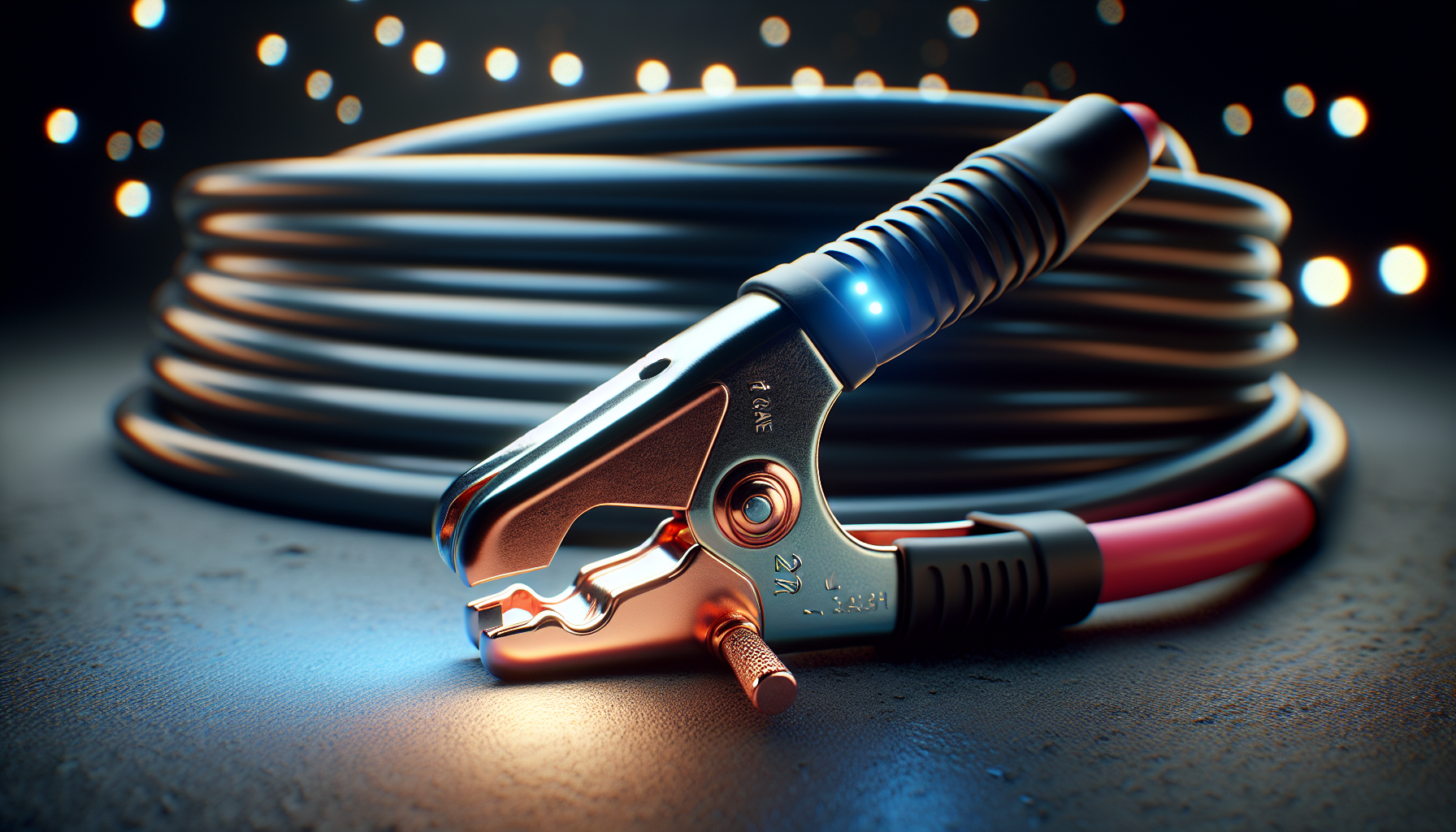
Have you ever been stuck with a dead battery at night and wished you had a reliable, easy-to-use solution on hand?

Product Overview
You’re looking at the Energizer Jumper Cables for Car Battery with Built-in LED Lights, Heavy Duty Automotive Booster Cables for Jump Starting Dead or Weak Batteries – Carrying Bag Included (16-Feet (4-Gauge)). This product is designed to give you confidence when a battery fails, offering extra reach, sturdy construction, and integrated lighting to make night-time jump starts less stressful.
What it is
This is a set of 4-gauge, 16-foot booster jumper cables with copper-clad aluminum cores, thick vinyl insulation, and built-in LED lights embedded in the alligator clamp housings. You get a carrying bag for organization and the combination of length and gauge aims to balance portability with sufficient amperage for most cars, SUVs, and light trucks.
Who it’s for
If you drive a full-size car, mid-size car, SUV, or light truck and want a set of jumper cables that’s easy to use in low-light conditions, these cables are tailored for you. They also fit well for drivers who keep emergency gear in their vehicles but prefer lighter, more flexible cables than heavy 2-gauge alternatives.
Key Features
You’ll want to know what sets these jumper cables apart from cheaper, basic sets; the Energizer package packs a few smart features meant to improve usability and longevity. Below are the core elements that you’re getting and why they matter.
4-Gauge, 16-Foot Length
The 4-gauge thickness gives adequate current-carrying capacity for most passenger vehicles without being as heavy and bulky as 2-gauge options. The 16-foot length is long enough to connect many vehicles without awkward positioning, giving you practical reach in roadside situations.
Thick Vinyl Coating and Handles
The alligator clamps include a strong spring and comfortable handle to help you secure them easily and keep grip while connecting or removing. The thick vinyl coating protects against rust and corrosion while offering additional electrical insulation for safer handling.
Built-in LED Lights with Replaceable Battery
Each clamp houses an LED light that automatically illuminates when the clamp opens, which helps immensely when you’re working in the dark or under poor lighting. The LEDs run on replaceable batteries, so you can keep the lights working for years without needing to replace the whole cable assembly.
Copper-Clad Aluminum Cables (CCA) and Flexibility
The cable cores are copper-clad aluminum, which keeps weight down and maintains flexibility even in very low temperatures. That flexibility is especially useful if you need to handle cables in cold weather or store them in tight spaces.
Tangle-Free Design and Carrying Bag
At 16 feet, the cables are long enough to avoid awkward stretching but still manageable for storage, and the included carrying bag keeps them organized and protected. The design aims to be tangle-resistant so you can get the job done faster and with less frustration.
Specifications
This table gives a clear snapshot of the most important technical details so you can quickly compare features and know what to expect.
| Specification | Detail |
|---|---|
| Product Name | Energizer Jumper Cables for Car Battery with Built-in LED Lights, Heavy Duty Automotive Booster Cables for Jump Starting Dead or Weak Batteries – Carrying Bag Included (16-Feet (4-Gauge)) |
| Gauge | 4 AWG |
| Length | 16 feet |
| Conductor Material | Copper-clad aluminum (CCA) |
| Insulation | Thick vinyl coating |
| Clamps | Alligator clamps with strong springs and comfortable handles |
| Special Feature | Built-in LED lights (replaceable battery) |
| Temperature Flexibility | Remains flexible to -40°C (manufacturer claim) |
| Included | Carrying bag |
| Intended Vehicles | Cars, mid-size cars, full-size cars, SUVs, light trucks |
This breakdown helps you confirm the specs match your needs and gives you a quick reference for how the cables are built and intended to be used.
Performance and Reliability
You’ll want cables that actually perform when called on, not just look good on the shelf. Below you’ll find what to expect when you use these cables in typical and tougher situations.
Jump Starting Power
The 4-gauge thickness provides enough current flow to jump start most modern passenger vehicles and many SUVs without severe voltage drop. If you’re dealing with a typical dead battery, these cables should transfer sufficient amperage to crank the engine and restore power.
Durability and Corrosion Resistance
The thick vinyl coating offers protection from road salt, moisture, and other corrosive elements that wear on cables over time. The clamp springs and handles are built to provide secure contact and reduce the risk of poor connections caused by wear.
Cold-Weather Performance
Because the conductors remain flexible down to very low temperatures, you won’t be wrestling with stiff cables in freezing weather. Flexibility in cold conditions also reduces the risk of insulation cracking and makes the cables more user-friendly during winter emergencies.
Safety Features and Usage Tips
Safety matters with jumper cables because power and metal clamps can be dangerous if misused. These details will help you use the cables with confidence and reduce risk.
Proper Jump-Starting Steps
Always connect the positive clamps to the positive terminals first and remove them last, and connect the negative clamp to a grounded metal point on the disabled vehicle instead of the negative battery terminal when possible. Following the correct sequence minimizes sparks and lowers the chance of short circuits, ensuring a safer jump-start.
Clamp Design and Safety
The strong spring clamp design ensures a solid grip on terminals while the vinyl coating reduces the risk of accidental metal-to-metal contact that could cause a short. The comfortable handles make it easier to hold clamps steady, which is especially helpful in stressful or poorly-lit scenarios.
LED Light Safety and Battery Replacement
The LED lights are intended to help illumination, not to be used as a primary worklight for extended periods; their replaceable battery lets you keep them functional over time. Always replace the LED batteries with the recommended type and remove them if the cables will be stored for long periods in extreme heat to avoid battery leaks.
Real-World Use Cases
These cables aren’t just for theory—they’re designed for situations you’re likely to face. Here are common scenarios where these cables stand out.
Cars, SUVs, Trucks
You can use these cables on compact cars all the way up to many light trucks and SUVs thanks to the 4-gauge size and 16-foot length. They won’t match the raw amperage of heavy-duty 2-gauge cables for large trucks, but they handle day-to-day vehicle rescue tasks well.
Emergency Nighttime Rescues
If you’re stranded at night, the built-in LED lights are extremely helpful for locating battery posts and making safe clamp connections. The automatic illumination when clamps are opened gives you immediate hands-free light exactly where you need it.
Roadside Assistance and DIYers
If you perform basic roadside assistance for friends or family, these cables are compact, flexible, and easy to store, making them a practical addition to your emergency kit. They’re also suitable for DIYers who prefer something lighter than professional-grade heavy cables but more capable than the flimsy sets sold at discount stores.
Pros and Cons
You should weigh the advantages and trade-offs so you can decide whether this product fits your priorities. Below is a balanced look at strengths and potential drawbacks.
Pros
You’ll appreciate the built-in LED lights, the comfortable clamps, and the included carrying bag for convenient storage. The 16-foot length and flexible copper-clad aluminum construction make these cables practical for many real-world situations without being overly heavy.
Cons
If you regularly work on very large trucks or need the absolute highest cranking amps for commercial vehicles, a thicker 2-gauge cable may be a better fit. The CCA conductor is lighter and more flexible but doesn’t conduct as efficiently as pure copper, so higher-resistance scenarios can be a limitation.
How It Compares to Alternatives
Comparing to other options helps you understand where these Energizer cables shine and where other products might be more appropriate.
Versus Thinner Gauges and Shorter Cables
Compared to thin, short jumper cables, the Energizer 4-gauge 16-foot set provides more reach and better current capacity, which reduces voltage drop and increases the chance of a successful jump. You’ll find them easier to use and more reliable than bargain-basement cables.
Versus Heavy-Duty 2-Gauge Cables
Compared to stiff 2-gauge cables, the Energizer set is lighter and more manageable for everyday users, but 2-gauge cables deliver higher amperage and are better for heavy-duty applications or larger engines. If you need commercial-level performance, you might opt for 2-gauge, but for most drivers this 4-gauge set is a practical compromise.
Versus Portable Jump Starters
A portable jump starter provides self-contained power and doesn’t require a donor vehicle, which is convenient for solo drivers. However, portable starters require battery maintenance and charging; the Energizer cables rely on another vehicle but are a low-maintenance, cost-effective solution for many people.
Maintenance and Storage
Taking care of your cables extends their life and keeps them reliable when you need them most. These simple practices will help.
Cleaning and Corrosion Prevention
After use, wipe down clamps and cables to remove grime, salt, and moisture, and apply a light coating of dielectric grease or anti-corrosion spray to the clamps if you live in a salty or humid environment. Keeping terminals and clamp jaws clean reduces resistance and improves connection reliability.
Storing the Cables and LED Care
Roll the cables neatly and place them in the provided carrying bag to prevent tangles and accidental damage. Check or replace the LED batteries periodically, especially before winter or long trips, so your lights are ready when you need them.
Troubleshooting
Even with quality cables, you might encounter issues; here’s how to troubleshoot common problems so you’re not left guessing.
If the Cables Won’t Jump Start
If a jump start fails, first verify that connections are clean, tight, and correct (positive-to-positive, negative-to-ground). Also confirm the donor vehicle’s engine is running and that both vehicles have compatible battery voltages; if problems persist, the dead battery may be too far gone or there may be an electrical fault in the vehicle.
If the LED Lights Don’t Turn On
If the LEDs don’t light, check and replace the small batteries inside the clamp housings and inspect the light compartment for corrosion or loose contacts. If new batteries don’t solve the issue, the wiring to the LED could be damaged—at that point you may still use the cables normally, but the light function would be unavailable.
Frequently Asked Questions
Below are common questions you’re likely to ask about these jumper cables, answered clearly so you can make an informed decision.
Are 4-gauge cables good enough for my SUV?
For most SUVs and standard passenger vehicles, 4-gauge cables provide sufficient current for successful jump-starting under normal conditions. If you have a very large engine or use your vehicle commercially, consider heavier-gauge cables instead.
How do the built-in LED lights work?
The LED lights automatically illuminate when the clamp jaws open, giving immediate localized light where you need it to attach the clamps. They run on replaceable batteries, which you should check periodically and replace as needed to keep the lights functional.
Can I use these cables on diesel trucks?
Light-duty diesel trucks may be compatible with 4-gauge cables, but many larger diesel engines require higher cranking amps and are better served by 2-gauge or 1-gauge cables. Verify your vehicle’s starting requirements before relying solely on 4-gauge cables.
Are copper-clad aluminum cables as good as pure copper?
Copper-clad aluminum offers a balance of lower weight and reasonable conductivity, but it doesn’t conduct as well as pure copper. You’ll get better performance for heavy-duty use from pure copper cables, but CCA is a practical compromise for everyday drivers.
How should I store the cables in my car?
Coil them neatly and place them in the included carrying bag to avoid tangles and protect the clamps and insulation. Store them in an accessible part of your trunk so you can retrieve them quickly in an emergency.
Do the clamps fit all battery terminals?
The clamps are designed to fit most standard battery terminals and post sizes, and the strong spring provides a snug connection on most posts. If you have oversized terminals or a unique battery setup, check for compatibility before purchase.
What do I do if a clamp is corroded?
If you find corrosion on a clamp, clean it with a wire brush and baking soda solution to remove buildup, rinse, and dry thoroughly before use. If the clamp is heavily corroded or the jaw integrity is compromised, replace the cables to avoid poor connections.
Buying and Value Considerations
You’ll want to assess whether the product’s features match the price and your needs, so consider these value factors before buying.
Cost vs. Feature Set
The integrated LED lights and carrying bag add real utility without the cost and weight of the heaviest-duty cables, making it a good middle-ground choice. If you want a portable, user-friendly kit with lighting for nighttime use, you’re likely to find good value here.
Longevity Expectations
With proper storage and occasional maintenance, these cables should serve you for several years of emergency use. That said, regular heavy use or exposure to corrosive conditions will shorten their life compared to commercial-grade options.
Environmental and Practical Considerations
You’ll face different conditions on the road, so it’s useful to understand how these cables behave in various scenarios and how environmentally conscious choices can extend their life.
Weather Exposure
The vinyl coating helps shield the cables from moisture and road salt, while the flexibility-to-cold rating makes them practical for winter emergencies. Still, long-term exposure to extreme UV or heat can degrade insulation, so store them out of direct sun when possible.
Disposal and Recycling
If the cables eventually wear out, check local recycling options for metal and plastic components—copper-clad aluminum can be recycled in many programs. Dispose of used LED batteries according to local battery recycling guidelines to reduce environmental impact.

User Tips You’ll Appreciate
Small tricks can make using these cables less stressful and more effective; these practical tips come from typical roadside experience.
Keep a Pair of Gloves and Eye Protection
Protect your hands and eyes when connecting and disconnecting clamps, especially in bad weather or cramped engine bays. Gloves also give you better grip and protect you from cold metal when temperatures are low.
Practice at Home
If you’ve never used jumper cables before, practice the connection sequence at home with a friend or family member so you’ll be confidently prepared in an emergency. Familiarity with the clamps, order of connection, and where to attach the grounding clamp will reduce mistakes in stressful situations.
Check Batteries Before Long Trips
Inspect the LED batteries and ensure cables are properly stowed before long trips or during season changes to avoid surprises when you need them most. Confirm the carrying bag is intact and the cables are coiled neatly to avoid wear.
Final Recommendation
If you want a practical, reliable, and user-friendly set of jumper cables that makes night-time jump-starts easier, the Energizer Jumper Cables for Car Battery with Built-in LED Lights, Heavy Duty Automotive Booster Cables for Jump Starting Dead or Weak Batteries – Carrying Bag Included (16-Feet (4-Gauge)) are a solid choice. You’ll gain useful features like integrated lighting, flexible cables for cold weather, and a manageable length that fits most roadside scenarios, making them a smart addition to your vehicle emergency kit.

Disclosure: As an Amazon Associate, I earn from qualifying purchases.