
Looking for a reliable jump starter that can handle cars, trucks, and repeated jump jobs without fuss?

First Impressions
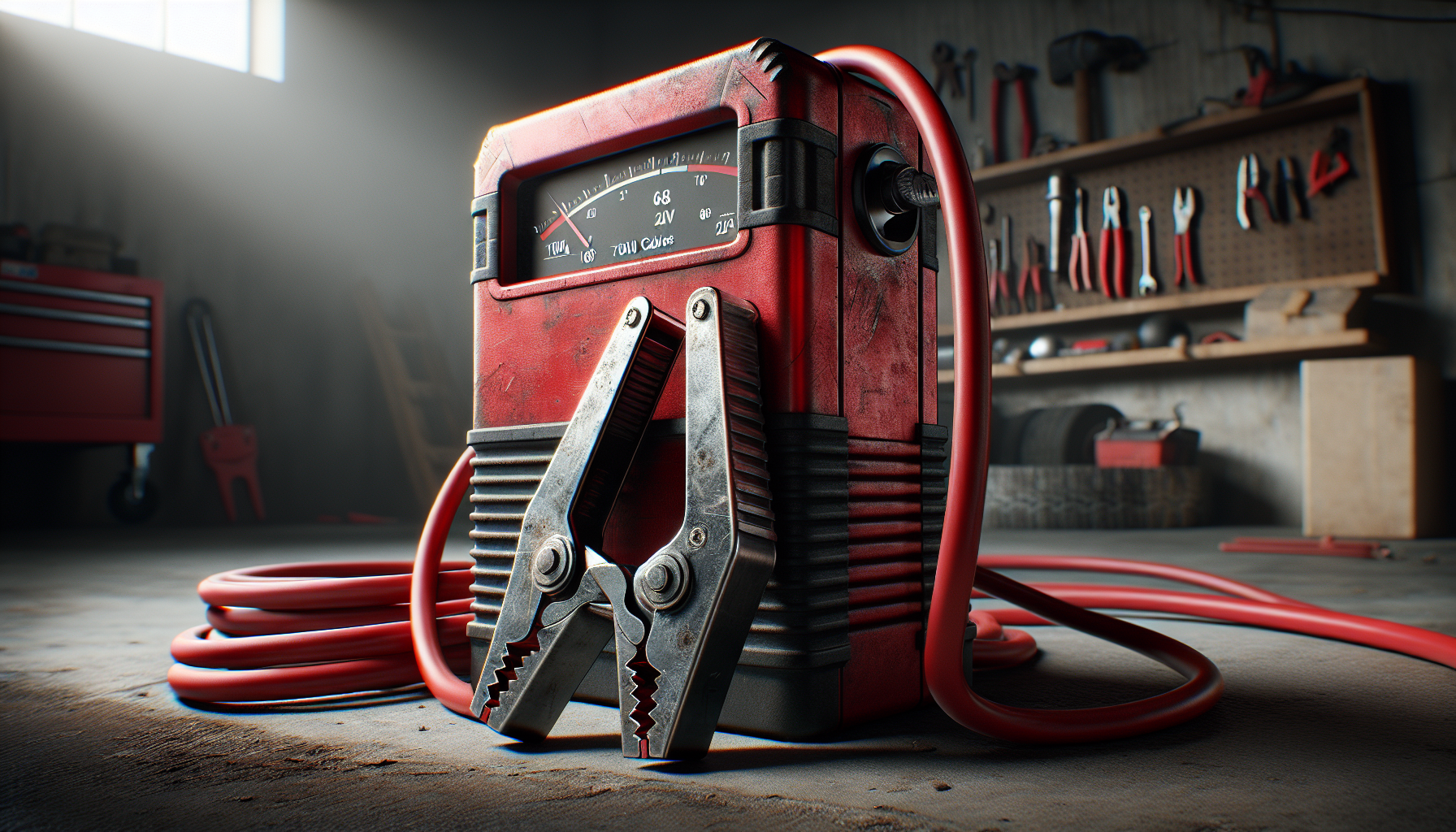
When you pick up the Clore Automotive Jump-N-Carry JNC770R 1700 Peak Amp Premium 12 Volt Jump Starter – Red, the first thing you’ll notice is the heavy-duty build and reassuring weight. You’ll immediately feel that this is meant for serious use, not a novelty gadget, and the red finish makes it easy to spot in a trunk or garage.
Key Features
This jump starter brings together high peak amps, a proven battery platform, heavy-gauge cables, and a built-in charger to give you a complete package for emergency starts. You’ll appreciate how each feature contributes to faster, safer, and more reliable jump-starts across a variety of vehicles and conditions.
Power and Performance
You get 1,700 peak amps and 425 cranking amps, which means you’ll have the muscle to start most gasoline engines and many diesels depending on displacement and conditions. You’ll find this level of power especially helpful when you need multiple jumps in a single outing or when dealing with lower battery states.
Battery Technology
The unit uses Clore PROFORMER battery technology, designed to provide stable, prolonged cranking power and improved durability over standard lead-acid batteries. You’ll notice more dependable performance cycle after cycle, and the battery’s design helps maintain readiness even if the unit sits unused for a while.
Cable and Clamps
The Clore JNC770R includes 68″ 2 AWG welding cable leads and heavy-duty PowerJaw clamps, which give you both reach and a secure connection to battery terminals. You’ll benefit from reduced voltage drop and less heat build-up during heavy cranking thanks to the thick, low-resistance cable.
Charging and Controls
A built-in 3A automatic charger keeps the internal battery topped up and ready to go, and the master ON/OFF switch lets you control when the unit is active. You’ll find the included charging cord (Model no. JNC350) convenient for keeping the unit charged when it’s sitting unused between emergencies.
Portability and Build
While the unit is heavier than compact lithium jump starters, the solid handle, durable housing, and balanced design make it manageable to carry and store. You’ll trade some portability for high power and durability, which is a practical compromise if you need a robust, workshop-grade starter.
Specifications at a Glance
Below is a concise breakdown of the main specifications so you can quickly scan what matters most for your use case. You’ll find the tables helpful when comparing this model to others or when deciding if it matches your vehicle needs.
| Specification | Detail |
|---|---|
| Product Name | Clore Automotive Jump-N-Carry JNC770R 1700 Peak Amp Premium 12 Volt Jump Starter – Red |
| Peak Amps | 1,700 Peak Amps |
| Cranking Amps | 425 Cranking Amps |
| Battery Technology | Clore PROFORMER Battery Technology |
| Cable Length | 68 inches |
| Cable Gauge | 2 AWG Welding Cable Leads |
| Clamps | Heavy Duty PowerJaw Clamps |
| Built-in Charger | 3A Automatic Charger |
| Switch | Master ON/OFF Switch |
| Charging Cord | Included (Model no. JNC350) |
| Voltage | 12 Volt |
| Color | Red |
How to Use
When you use the JNC770R, the steps are straightforward but it’s important that you follow safe practices to avoid sparks or mistakes. You’ll find that the heavy-gauge cables and clamp design make making a secure connection quick and reliable.
Preparing the Unit
Before you start, ensure the jump starter is charged and the master switch is OFF while you make all the cable connections. You’ll also want to verify that the vehicle’s ignition is off and that both vehicles (if using a donor vehicle) are in park or neutral with parking brakes set.
Jump-Starting a Vehicle
Attach the heavy-duty PowerJaw clamps to the battery: positive clamp to the positive terminal, negative clamp to a solid ground on the vehicle chassis away from the battery. You’ll then turn the master switch ON, start the vehicle, and once running allow it to idle for a minute before removing clamps in reverse order.
Charging the Jump Starter
Plug the included charging cord into the unit and an appropriate outlet, and let the 3A automatic charger replenish the internal battery until it indicates full charge. You’ll appreciate the auto-charge function because it manages the charging cycle so you don’t have to babysit it, keeping the jump starter maintenance-friendly.
Safety Tips
Safety matters when you’re working with a device that delivers high amps. You’ll want to follow simple precautions to protect yourself, the equipment, and the vehicle’s electronics.
Before You Start
Always check for damage to cables, clamps, and the unit housing before operation, and wear eye protection if available. You’ll avoid preventable hazards by confirming everything is in good condition and that there are no fuel leaks or flammable vapors near the battery.
While Jump-Starting
Keep hands and tools away from moving engine parts, and avoid leaning over the battery during the procedure. You’ll minimize risk by standing to the side and making sure connections are secure before turning the master switch ON.
After Use
Turn the master switch OFF and stow the cables neatly, allowing the clamps and cables to cool if they are warm. You’ll also want to recharge the jump starter promptly if you used it for a high-current start or multiple starts, ensuring it’s ready for the next time.
Maintenance and Storage
To keep your JNC770R performing well, regular maintenance and smart storage habits will extend the life of the battery and hardware. You’ll save time and money by attending to basic upkeep instead of facing a dead starter when you need it most.
- Keep the unit charged: Use the built-in 3A charger periodically if the unit sits unused for long periods.
- Inspect cables and clamps: Look for fraying insulation, exposed copper, or clamp jaw wear and replace parts if compromised.
- Store in a dry, cool place: Avoid freezing temperatures and prolonged exposure to heat, which can reduce battery lifespan.
You’ll find that a little maintenance goes a long way toward dependable performance.
Pros and Cons
You should weigh the strengths and limitations so you can decide if this model fits your needs and the way you’ll use it. You’ll likely find the pros to be strong for most heavy-duty applications, with cons mainly related to portability and weight.
Pros:
- High peak and cranking amps for robust starting power, which you’ll appreciate when dealing with larger engines.
- Heavy-duty 2 AWG cables and PowerJaw clamps that provide reliable connections and reduced voltage drop.
- Built-in 3A automatic charger and master ON/OFF switch make the unit user-friendly and maintenance-friendly.
Cons:
- Heavier and bulkier than handheld lithium jump starters, which may not be ideal if you need something ultra-portable.
- Lead-acid-based systems are heavier and require more regular charging/maintenance than some lithium alternatives.
Performance in Different Scenarios
Real-world performance varies depending on engine size, battery condition, and ambient temperature. You’ll want to match your expectations to your typical use cases to get the best results.
Cars and Small SUVs
For standard cars and small SUVs, the 425 cranking amps and 1,700 peak amps are usually more than sufficient, especially for gasoline engines. You’ll find starts to be quick and reliable, even when the vehicle battery is deeply discharged.
Trucks and Diesel Engines
Medium-duty trucks and many diesel engines will benefit from the peak amp rating, though very large diesel engines or extremely low-temperature conditions may still challenge the unit. You’ll often get successful starts on smaller diesels and many full-size trucks, but borderline cases may require additional assistance or a higher-capacity unit.
Motorcycles and Small Engines
While the JNC770R is overkill for a motorcycle, you can use it safely if you take care to avoid over-powering sensitive electronics and secure clamps properly. You’ll prefer smaller jump starters for portability when working mostly with motorcycles, but it will work in a pinch.
Cold Weather Performance
Cold weather reduces battery performance and increases cranking demands, yet the JNC770R’s higher peak amps help compensate for that loss in many situations. You’ll still want to keep the unit charged and, if possible, warm it in a garage before use for best performance in freezing conditions.
Troubleshooting Common Issues
If you encounter problems, a few systematic checks will often get you back in business quickly. You’ll find that most issues are related to connections, state of charge, or simple user steps.
- Unit won’t power on: Check the master ON/OFF switch, verify the internal battery charge using the charger, and confirm the charging cord is functional.
- Vehicle won’t start: Ensure clamps are making clean contact, check battery terminal corrosion, and try letting the jump starter sit connected for a short period to build a surface charge.
- Clamps get hot: Heavy current can heat clamps; make sure you’re using the correct sequence and that connections are tight but not causing arcing.
You’ll notice that addressing these items usually restores functionality without needing service.
Comparison with Similar Models
When you consider other jump starters, you’ll weigh power, battery chemistry, portability, and included accessories. The JNC770R sits in the category of robust, lead-acid, workshop-grade starters, which means it’s optimized for power and durability rather than extreme portability.
- Versus compact lithium jump starters: You’ll get far more cranking power from the JNC770R, but it will be heavier and need more storage space. Lithium units are lighter and great for emergency carry, but they often can’t match the peak amps for repeated jumps.
- Versus smaller Jump-N-Carry models: Lower-end models often offer less peak/cranking amps and thinner cables, which you’ll feel during heavy use. The JNC770R’s 2 AWG cables and PowerJaw clamps make a real difference if you jump multiple vehicles or work in a shop.
You’ll want to choose based on whether portability or raw power is your priority.
Who Should Buy This
If you regularly work on vehicles, manage a fleet, or need a dependable garage-level jump starter, this unit should be on your shortlist. You’ll especially appreciate it if you need to perform multiple jump-starts in a day, or you have larger vehicles that require more cranking power.
You might opt for something smaller if you’re just looking for a compact unit to keep in your personal car for occasional emergencies. You’ll then trade some of the JNC770R’s raw power for lighter weight and easier daily storage.
Accessories and Add-Ons
There are simple accessories you can add to enhance convenience and longevity while using the JNC770R. You’ll find these help maintain readiness and improve usability.
- Protective case or cover: Helps keep dust and moisture away, and you’ll protect the finish and components during storage.
- Replacement clamps/cables: Having spare clamps or a longer cable can be handy if you frequently work across larger engine bays or awkward battery positions.
- Battery maintainer/float charger: In addition to the built-in 3A charger, having a secondary maintainer for long-term storage can be useful to keep the internal battery in prime condition.
You’ll find that a few targeted accessories make the unit even more practical for regular use.
Environmental Considerations
Lead-acid batteries require responsible handling and disposal, and you’ll want to be mindful of the environmental impact. You’ll also benefit from following proper recycling channels when the battery reaches end of life.
- Recycle properly: When the battery needs replacement, ensure it’s taken to an appropriate recycling center or automotive store that accepts lead-acid batteries.
- Avoid extreme temperatures: Storing the unit in very hot or cold environments shortens battery life and affects performance.
You’ll keep the unit working longer and reduce environmental impact by following these steps.
Real-World User Scenarios
Thinking about how you’ll actually use the starter can help you decide if it’s right for you. Below are some common scenarios where you’ll see the JNC770R excel.
- Fleet operations: You’ll appreciate the durability and repeated-start capability when servicing multiple vehicles during a shift.
- Roadside assistance: The high peak amps give you the confidence to handle a wide variety of vehicles efficiently.
- Home garage: You’ll get a professional-level tool that ensures you won’t be stranded by a dead battery, especially during cold months.
You’ll find the unit adapts well to both professional and serious personal use cases.
Price vs Value
The JNC770R is positioned as a premium, heavy-duty jump starter and its price reflects that focus on durability and power. You’ll get long-term value if you need frequent starts or want a no-nonsense unit that tolerates rough handling and repeated use.
If your needs are infrequent and you prioritize weight and portability, you might decide that a smaller lithium unit offers better value for your specific situation. You’ll want to balance how often you’ll use it against the benefits of workshop-grade performance.
Frequently Asked Questions (FAQs)
These short answers should help you make practical decisions and clear up common points of confusion you might have about the JNC770R.
- How many starts can you get on a full charge? You’ll get multiple starts depending on engine size and temperature, but frequent use will require recharging the internal battery after a handful of heavy starts.
- Is it safe for modern vehicles with sensitive electronics? Yes, if you follow the correct connection sequence; the robust cable gauge and clamps support stable connections that minimize voltage spikes.
- Can you charge other devices with it? This model is focused on starting and does not offer the USB or 12V accessory outlets typical of some portable lithium models, so you’ll rely on it mainly for jump-starting.
You’ll find the unit straightforward and purpose-built, so keep expectations aligned with its intended use.
Troubleshooting Checklist
When something goes wrong, run through these checks so you don’t waste time or escalate the problem. You’ll often fix issues quickly with a short diagnostic routine.
- Confirm master switch is ON and battery is charged.
- Check clamps for clean contact and no corrosion on terminals.
- Wait a minute with clamps connected to build a surface charge if necessary.
- Try another vehicle or battery if available to isolate whether the issue is the starter or the vehicle.
You’ll solve the majority of common faults by following these steps.

Warranty and Support
Clore Automotive typically backs their Jump-N-Carry line with support and warranty options that give you recourse if something goes wrong. You’ll want to check the specific warranty period and coverage details with the seller or manufacturer documentation when you purchase.
If you run into issues beyond basic troubleshooting, contacting Clore support or an authorized service center is the best next step. You’ll benefit from keeping purchase records and serial numbers handy to speed up any warranty claims.
Final Verdict
If you need a heavy-duty, reliable 12V jump starter for frequent use or larger engines, the Clore Automotive Jump-N-Carry JNC770R 1700 Peak Amp Premium 12 Volt Jump Starter – Red is a highly practical choice. You’ll appreciate the rugged construction, high peak output, professional-grade cables and clamps, and the convenience of the built-in automatic charger.
For occasional emergency use where portability is paramount, you might prefer a smaller lithium unit, but if your priority is raw power and durability, this model delivers strong value and dependable performance that you can count on. You’ll feel confident keeping this starter in your garage, service truck, or shop for many seasons of dependable use.
Disclosure: As an Amazon Associate, I earn from qualifying purchases.