
Would you like a practical, quiet backup power source that you can take camping, stash in your car, or use during an outage?

First impressions of the BROWEY Portable Power Station, 1000W (Peak 2000W) Solar Generator with Built-in Solar Panel, 614WH LiFePO4 Battery Pack, AC/DC/USB/PD Outputs, for Outdoor Camping, RV Travel, Emergency Preparedness
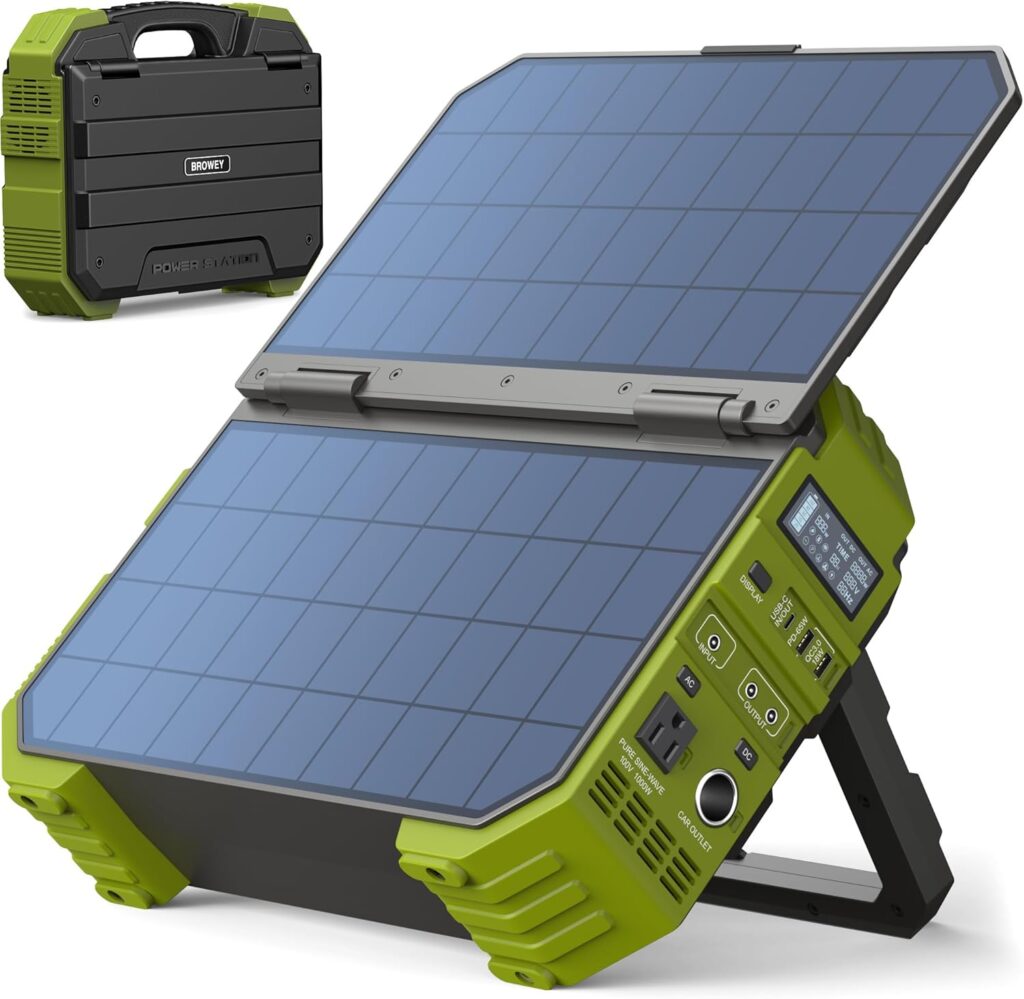
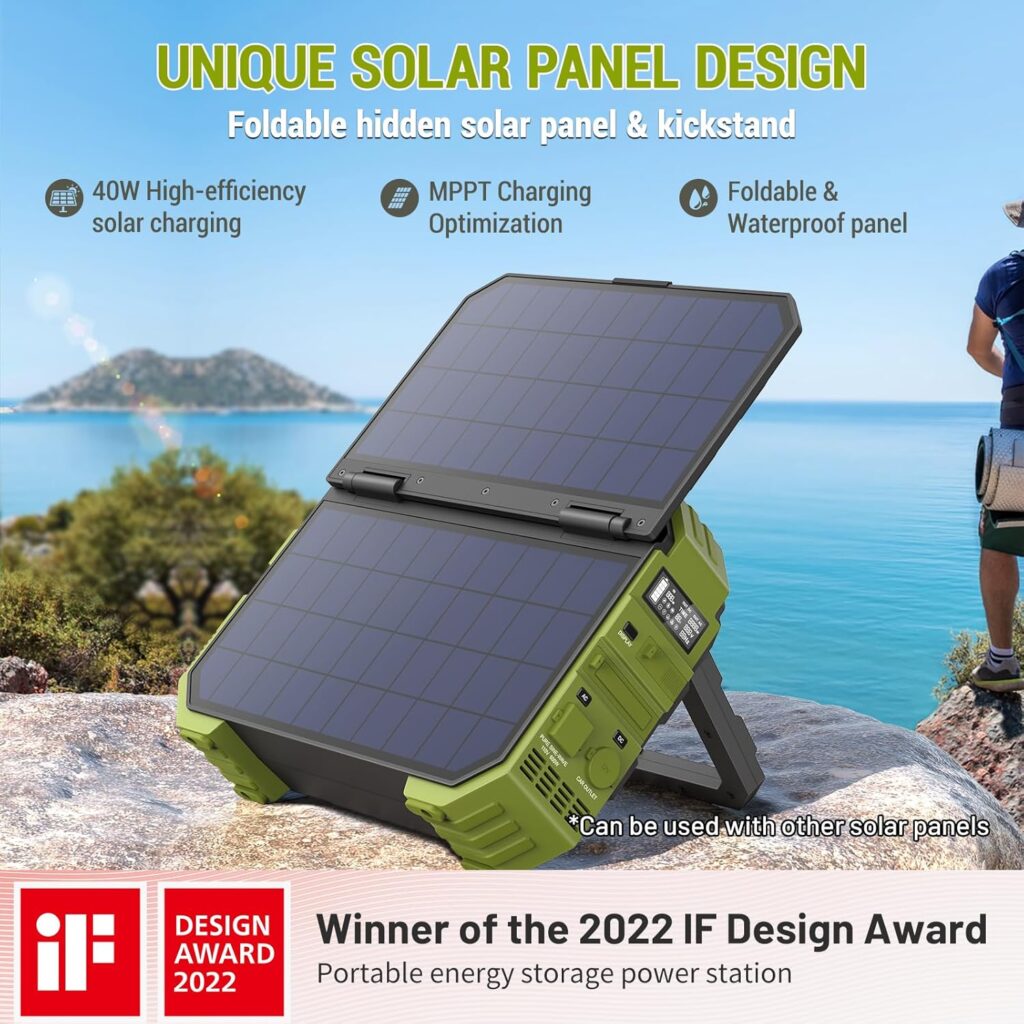
When you first unbox this unit, you’ll notice the compact shape and the built-in foldable solar panel that sets it apart from most competitors. The design earned the 2022 German IF Design Innovation Award, and that award shows in how the built-in components are arranged for ease of use.
You’ll also notice the LCD screen and a comfortable handle, which make it feel like something you can actually carry to different locations without fuss. The overall styling is modern and functional, and the foldable solar panel sits on top so you can set it up quickly for trickle or steady charging.
Key specifications at a glance
Below is a quick breakdown of the core specs so you can see what you’re working with before you read the rest of the review. These are the values that matter most when you decide if this unit fits your needs.
| Specification | Detail |
|---|---|
| Battery capacity | 614.4 Wh (nominal) |
| Battery chemistry | LiFePO4 (Lithium Iron Phosphate) |
| Cycle life | >3500 cycles to ~80% capacity |
| Rated AC output | 1000 W (pure sine wave) |
| Peak/surge AC output | 2000 W |
| Built-in solar panel | 40 W foldable panel (integrated) |
| Solar controller | Built-in MPPT controller (supports additional solar panels) |
| Outputs | AC outlets, DC outputs, USB-A, USB-C PD |
| Display | LCD: battery %, voltage, input/output power, error indications |
| Accessories | Carrying case, DC power cord, car adapter cable, 10 transfer adapter heads, user guide |
| Safety | Advanced BMS (voltage, current, temperature protection) |
You’ll find this quick summary useful to compare with other portable power stations or to check minimum requirements for devices you plan to run.

Design and build quality
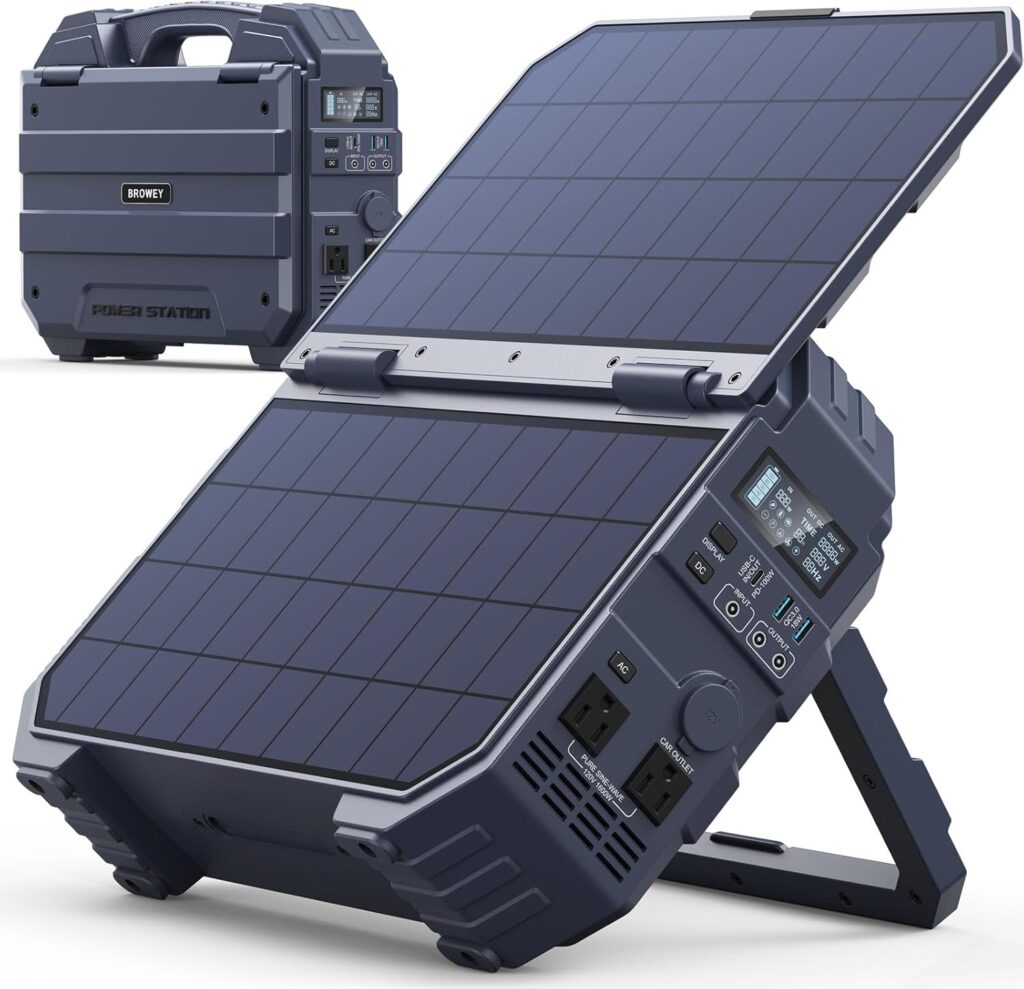
The BROWEY unit’s design focuses on practicality and integrated solar convenience. You’ll appreciate that the built-in panel folds away neatly and the whole unit has a compact footprint for the capacity.
Materials feel sturdy enough for outdoor use and the handle placement makes carrying easier than some brick-like power stations. The folding stand for the solar panel is a nice touch so you can angle the panel toward the sun without makeshift supports.
Award-winning built-in solar panel
The foldable solar panel is not just a novelty — it’s a deliberate design choice that earned a German IF Design Innovation Award. For you, that means less packing and fewer loose panels to manage when you’re traveling.
Because the panel is integrated and uses an MPPT controller, you can rely on a more efficient conversion from sunlight to battery energy compared with basic PWM systems. You’ll still be limited by the panel’s 40W rating for onboard output, but the option to add external panels gives you flexibility.
Battery chemistry and longevity
With LiFePO4 chemistry, this unit prioritizes safety and longevity. You’ll see a longer service life compared with many lithium-ion (NMC) power stations, which matters if you expect to use the unit daily or keep it as a long-term emergency backup.
The manufacturer claims over 3500 cycles with about 80% capacity retention after those cycles, which translates into years of practical use — you can expect roughly a decade of regular service under normal usage patterns.
Why LiFePO4 matters for you
LiFePO4 batteries are thermally stable and less prone to thermal runaway, which makes them safer for indoor storage and car use. You’ll also get better cycle stability, meaning the battery won’t drop in capacity as fast if you charge and discharge it frequently.
This chemistry also tolerates higher temperature ranges and usually allows a higher usable depth of discharge, so you get more of the 614.4 Wh capacity in real-world use.
Real-world usable capacity and efficiency
The unit lists 614.4 Wh as its nominal capacity. In everyday use, inverter efficiency and system overhead reduce the energy available to your devices.
You can expect around 85–90% inverter efficiency in many scenarios, so your practical usable energy will often be in the 520–550 Wh range. That’s enough for multiple charges of phones, several hours of laptop use, or some appliance run-time depending on power draw.
Example run-times (estimates)
These are estimates you can use to plan. Actual times will vary depending on device power draw and conditions.
- Smartphone (15 Wh per full charge): roughly 30–35 charges.
- Laptop (50 W draw): 8–10 hours of continuous use.
- CPAP machine (30–60 W): roughly 8–12 hours depending on machine and mask heater.
- Mini-fridge (average 40–60 W with cycling): 6–12 hours depending on duty cycle.
- LED lights (10 W): many hours and multiple nights.
You’ll find these estimates useful when deciding whether the BROWEY S1000 meets your specific usage needs.
Inverter performance (AC output)
The pure sine wave inverter rated at 1000 W continuous with a 2000 W surge is robust for a unit of this capacity. You’ll be able to run power tools for brief periods, small appliances, or multiple devices simultaneously as long as the steady draw remains under 1000 W.
The pure sine wave output protects sensitive electronics, so you can safely power laptops, monitors, CPAP machines, and other equipment that doesn’t tolerate modified sine wave power.
What the 2000W surge means for you
The 2000 W surge capacity helps with devices that have high startup currents (motors, compressors). You can start refrigerators, some power tools, and certain pumps without tripping the inverter, provided their continuous draw falls back under 1000 W after startup.
If you plan to run a heavy-duty device continuously that draws near the 1000 W limit, remember that it will shorten runtime and stress the system more quickly.
Outputs and port selection
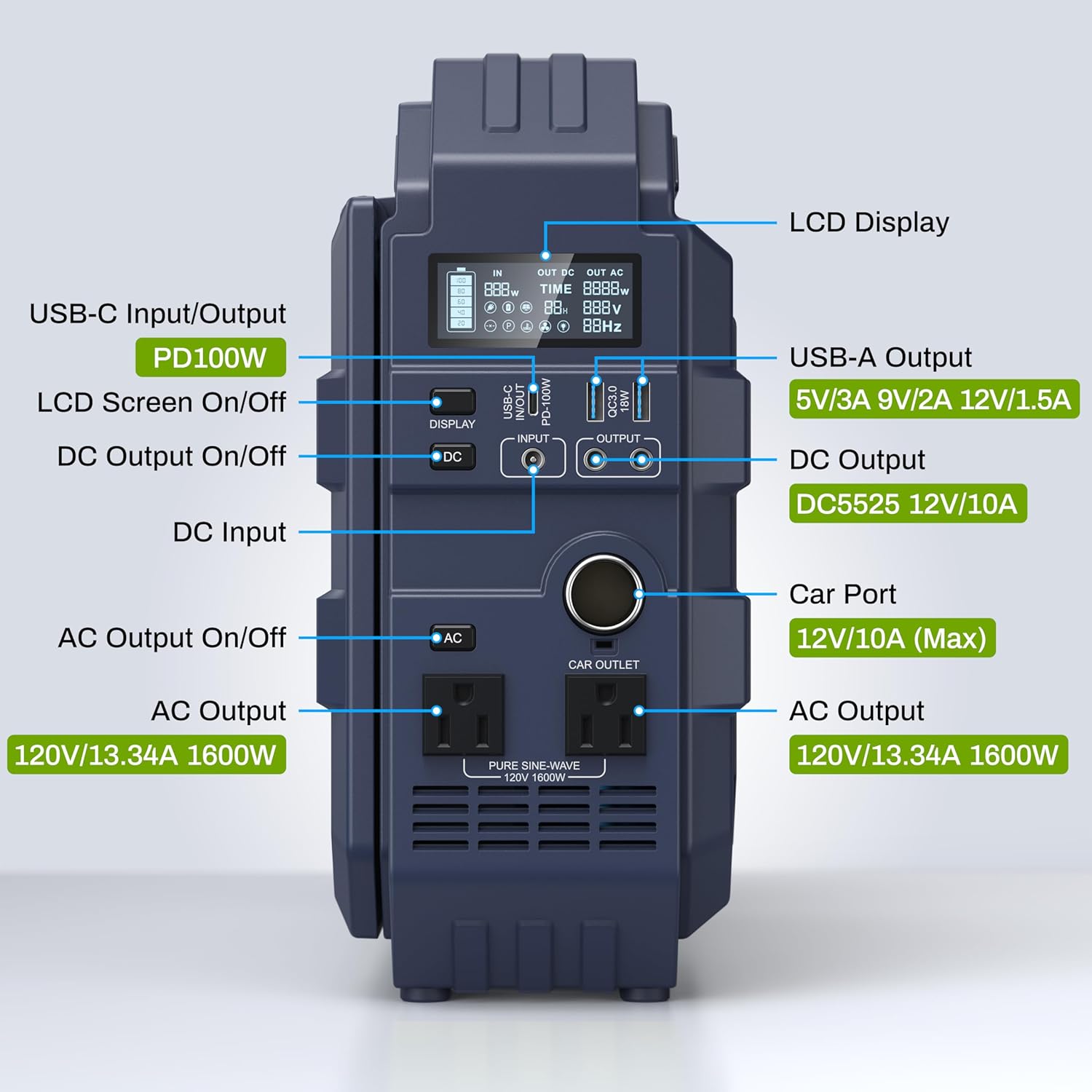
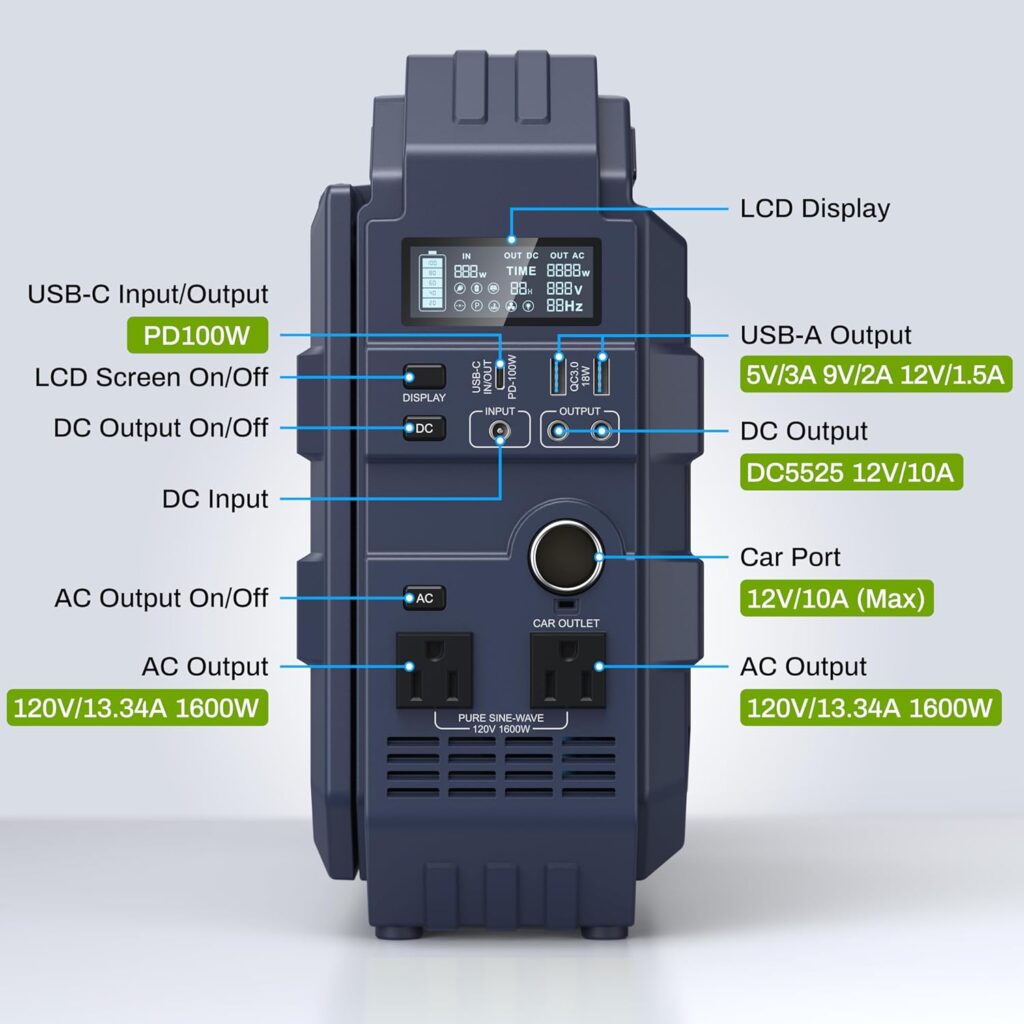
BROWEY equips this model with a selection of outputs tailored to different uses. You’ll find multiple AC outlets, several USB-A ports, at least one USB-C PD port, and DC outputs for devices like car fridges or 12V accessories.
The presence of USB-C PD means fast charging for phones, tablets, and some laptops directly via PD protocols, and that convenience reduces your need for separate AC adapters for smaller devices.
Simultaneous charging capability
The unit supports charging up to 7 devices at once (as advertised) as long as the total draw remains ≤1000 W. For you, that means family trips and group outdoor activities are more manageable when multiple phones, cameras, lights, and a fridge need power.
You’ll still want to watch the combined wattage displayed on the LCD to avoid overloads.
Solar charging — built-in and expandability
One of the most notable features is the integrated 40W foldable solar panel. That panel is good for topping off the battery during sunny days when you’re static at a campsite or for trickle charging during extended outdoor stays.
However, because the built-in panel is only 40W, you should plan to use additional external solar panels for fast recharge times. The BROWEY unit supports other solar panels via MPPT, which improves charging efficiency and reduces overall charge time compared to non-MPPT systems.
Practical solar charging times (estimates)
Charging times vary with total solar input and conditions. Here are rough estimates to help you plan:
- Built-in 40W panel only (ideal sun): 12–18+ hours to full from near-empty.
- Single 100W high-efficiency panel: ~6–8 hours under good sun.
- 200W combined panels: ~3–5 hours under good sun.
You’ll get the fastest and most reliable solar recharging by pairing the unit with high-quality external panels and placing them properly with unobstructed sun exposure.
AC charging and car charging options
You can top-up the BROWEY S1000 via a wall outlet or your vehicle. Using the AC adapter is typically the fastest and most convenient for full recharges if you have grid access.
The car adapter allows charging while driving, which is useful if you’re on the road in an RV or roadtrip. Charge times will depend on the vehicle’s output and the state of charge of the unit.
Estimated AC charging times
Typical AC charge times will differ by adapter and AC input limit, but you can expect complete recharges via AC in roughly 4–8 hours depending on the adapter’s power and starting state. Always check the LCD for input wattage so you know how fast it is charging in your situation.
Display, controls, and user interface
The LCD on the unit is clear and informative, showing remaining battery percentage, voltage, input and output power, and fault indications. You’ll be able to monitor performance and troubleshoot by watching the screen.
The control layout is straightforward, with dedicated buttons for AC on/off and other output toggles. That simplicity makes the unit friendly even if you’re new to portable power stations.
Fault indications and BMS feedback
If the system detects overcurrent, overvoltage, or temperature anomalies, the LCD will flag the fault. You’ll then rely on the built-in BMS to protect the battery and connected devices. The BMS logs and reacts quickly, which reduces the chance of damage in abnormal situations.
Portability, carrying, and setup
The BROWEY S1000 emphasizes portability with a single handle and a relatively compact form given its capacity. You’ll appreciate the included carrying case for accessories, and the built-in panel avoids carrying separate panels for quick day trips.
Setup for solar is simple: unfold the panel, angle it using the foldable stand, and connect any external panels if you have them. The unit’s plug-and-play nature works well for quick transitions between locations.
Weight and transport considerations
Although exact weight is not listed here, you should expect a portable power station with 614 Wh capacity and LiFePO4 chemistry to be somewhat heavier than NMC counterparts of the same capacity. You’ll find it manageable for car travel, camping, or RV use, but not something you’d want to carry long distances by hand for hours.
Safety features and monitoring
Safety is a strong point thanks to the LiFePO4 chemistry and the advanced BMS. You’ll get protection against overcharge, over-discharge, short circuits, and temperature extremes that help protect both the battery and your devices.
The unit’s thermal behavior is more forgiving than many lithium-ion systems, which makes you more comfortable storing and using it near living spaces or in a vehicle.
Certifications and quality expectations
Look for UL, CE, or other regulatory marks depending on your market; these certifications indicate the manufacturer followed recognized safety standards. You’ll want to confirm certifications on the product listing if such marks are important to you.
Practical use cases and scenarios
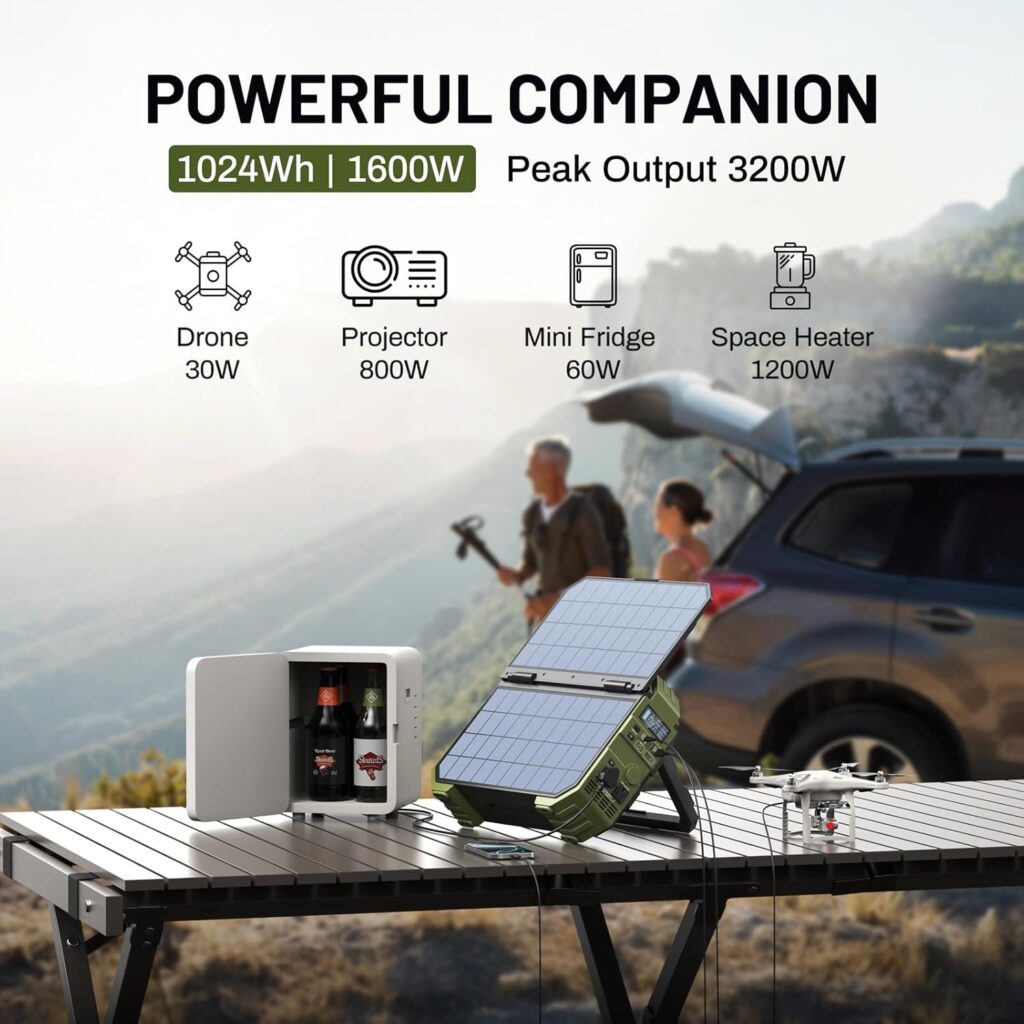
This BROWEY power station fits many practical scenarios. You’ll find it useful for weekend camping, tailgating, car sleeping, emergency household backup for small appliances, and powering devices during RV trips.
If you’re preparing for emergency outages, it’s an excellent option for running essential electronics and medical devices like CPAP machines for one or two nights depending on draw and supplementary solar.
Scenario examples
- Family camping: power lights, charge phones, run a small fridge and a few low-wattage appliances for a day or two.
- Emergency home backup: run routers, lights, phone chargers, and medical devices through the night.
- Road trips: top up the battery from your car while traveling, then use at campsites where AC may not be available.
You’ll want to create a basic priority list of devices so you use the energy where it matters most during extended outages.
Comparison with similar units
Compared with similarly rated models, the BROWEY S1000 stands out for the built-in solar panel and LiFePO4 chemistry. Many competitors use NMC batteries at a similar price point, which means shorter cycle life and potentially higher safety concerns.
EcoFlow and Bluetti models sometimes offer faster AC recharge or more AC power, but they can be heavier, pricier, or lack the integrated panel convenience. Jackery models are often lighter but may use NMC chemistry and have fewer cycles.
Who this unit competes well with
You’ll find it competes well against mid-range portable stations aimed at campers and emergency preppers who value battery longevity and integrated solar. If you need high continuous AC power for heavy appliances, you might consider larger-capacity rivals.
Pros and cons summary
Here’s a clear assessment to help you weigh the strengths and compromises before you buy.
-
Pros:
- LiFePO4 battery for long life and improved safety.
- 1000W pure sine wave inverter with 2000W surge for startup loads.
- Built-in 40W foldable solar panel and MPPT controller for efficient solar charging.
- Multiple outputs including USB-C PD for modern devices.
- LCD with useful readouts and robust BMS protections.
- Includes carrying case and accessories for immediate use.
-
Cons:
- Built-in panel is only 40W — external panels recommended for fast charging.
- Actual usable energy is reduced by inverter efficiency; higher-draw appliances will shorten runtime quickly.
- If you need very high continuous output or long-term power for heavy appliances, you’ll need a larger unit.
You’ll find the pros outweigh the cons if your priority is safe, long-life battery performance and integrated solar convenience rather than raw continuous power.
Setup tips and best practices
To get the most from your BROWEY power station, follow a few simple steps. You’ll extend battery life and make charging more efficient with proper care.
- Charge fully before first use and periodically top up if storing long-term.
- Use MPPT-compatible external solar panels and position them for maximum sun exposure.
- Avoid continuous overloading above 1000 W to prevent overheating and shortened runtime.
- Keep the unit in a shaded, ventilated area while charging on very hot days.
You’ll be rewarded with better performance and longevity when you treat the unit with reasonable care.
Frequently asked questions (FAQ)
Below are questions people commonly ask when considering this type of product. You’ll see practical answers to help with day-to-day decisions.
-
Q: How long will the battery last with daily use?
- A: With LiFePO4 chemistry and proper usage, you can expect several years to a decade of service. The claim is 3500+ cycles to about 80% capacity, which translates into many years if you use it daily but not with heavy full-depth cycling every day.
-
Q: Can you recharge while using the unit?
- A: Yes. The system supports pass-through use, so you can power devices while charging via solar, AC, or car input. However, it’s best to avoid continuous heavy discharge while charging to reduce stress on the battery.
-
Q: Is the built-in panel enough for full recharges?
- A: The 40W panel is handy for topping up but is slow for a full recharge. Add external panels if you need faster recharge.
-
Q: Will it run a refrigerator overnight?
- A: It depends on the fridge and duty cycle. Small portable fridges or mini-fridges can run for several hours, but full-size household refrigerators will deplete the battery quicker unless supplemented by solar or other charging.
You’ll save time and frustration by matching expectations to these typical scenarios.
Who should buy this power station?
This unit is a solid choice if you value safety, long battery life, and integrated solar convenience. You’ll appreciate the LiFePO4 chemistry if you plan to use the station often or keep it for emergency readiness over many years.
Choose this if you want a balanced system for camping, RV travel, short-term emergency backup, and general mobile power needs without carrying separate solar panels all the time.
Who might want something else
If you need very high continuous AC power or extremely fast AC recharge times, you might prefer higher-capacity models or those with faster AC input ratings. Similarly, if weight is the absolute priority for long backpacking trips, a lighter, lower-capacity unit could be a better fit.
Verdict — should you get the BROWEY S1000?
If your priorities are reliability, safety, and the convenience of an integrated panel, you’ll find the BROWEY S1000 compelling. The LiFePO4 battery and MPPT-enabled solar input are features that add real value for long-term ownership and dependable performance.
You’ll especially like this product if you plan to use it in family camping, RV trips, or as an emergency backup for critical devices, and if you want a product that will last through many cycles without dramatic capacity loss.
Final tips before you buy
Before purchasing, check the latest product listing for exact weight, certifications, and warranty terms in your region. You’ll also benefit from pairing the unit with at least one external 100W+ solar panel if you plan significant off-grid use.
Make a short list of the devices you expect to power and calculate their combined wattage and expected hours per day. That planning will tell you whether 614 Wh meets your needs or whether you should consider a higher-capacity option.
You’ll make a more confident decision with this preparation and ensure the BROWEY S1000 serves your needs well for many years.
Disclosure: As an Amazon Associate, I earn from qualifying purchases.