
Looking for a reliable all-in-one solution to jump-start your car, inflate tires, and keep your devices charged during trips or emergencies?
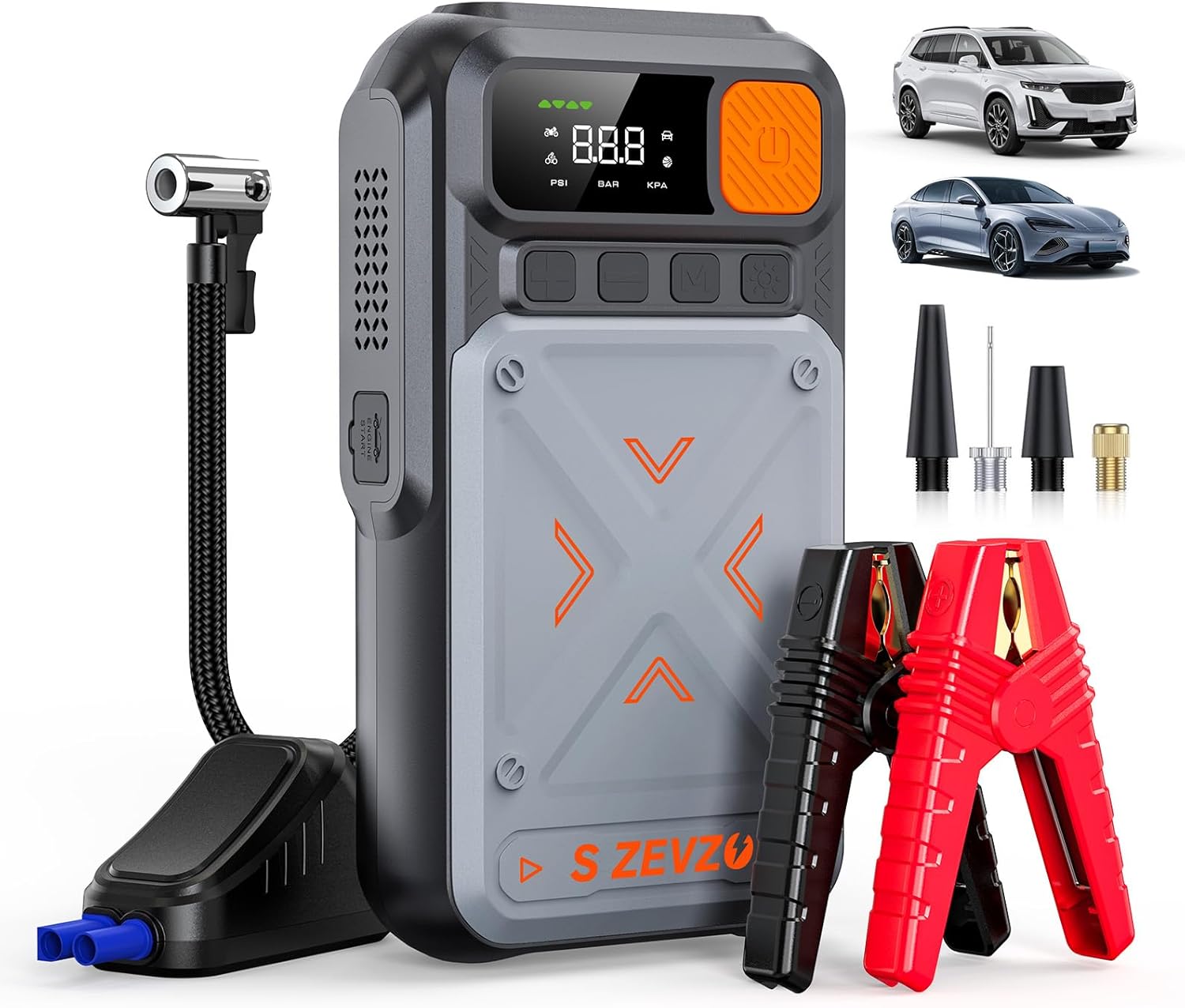

Product Overview: B29L 10 in 1 Car Jump Starter with Air Compressor, 3500A 150PSI Jump Box Battery Pack(8.0 Gas/6.0L Diesel), Portable 12V Jump Box with Cordless Auto-Shutoff Tire Inflator, USB Ports, LCD Display
This unit combines a high-peak jump starter with a cordless air compressor, a portable power bank, and emergency lighting all in a single package. You get a 3500A peak current jump starter capable of handling up to 8.0L gas and 6.0L diesel engines, plus a 150 PSI inflator, multiple USB charging options, and an LCD to keep you informed. If you want one tool to reduce the number of gadgets you keep in your trunk, this is designed to be that go-to device.
Key Specifications
These specs give you a snapshot of what to expect from the B29L so you can quickly decide if it matches your needs. The table below breaks the main technical points down for easy comparison.
| Feature | Specification |
|---|---|
| Peak Current | 3500 A |
| Engine Support | Up to 8.0L gas / 6.0L diesel |
| Battery Capacity | 12,000 mAh |
| Inflator Max Pressure | 150 PSI |
| USB Outputs | 5V/3A, 9V/2A, 12V/1.5A |
| USB-C Quick Charge | QC3.0 (5V/2.4A) |
| Jump Starts per Charge | Up to 30 (depending on conditions) |
| Operating Temperature Range | -4°F to 140°F |
| Light Modes | Lighting / Strobe / SOS |
| Safety Protections | 10 intelligent protections (listed below) |
| Display | LCD digital display (battery level, pressure, preset values) |

What You Get in the Box
Knowing what arrives with the device helps you prepare right away, so you won’t be stuck looking for missing cables or accessories. This typically includes the jump starter unit, insulated jumper cables/clamps, the inflator hose with adapters, charging cables, and a user manual. Make sure you confirm exactly which accessories are included before purchase, because bundle contents can vary by seller.
Jump Starting Performance
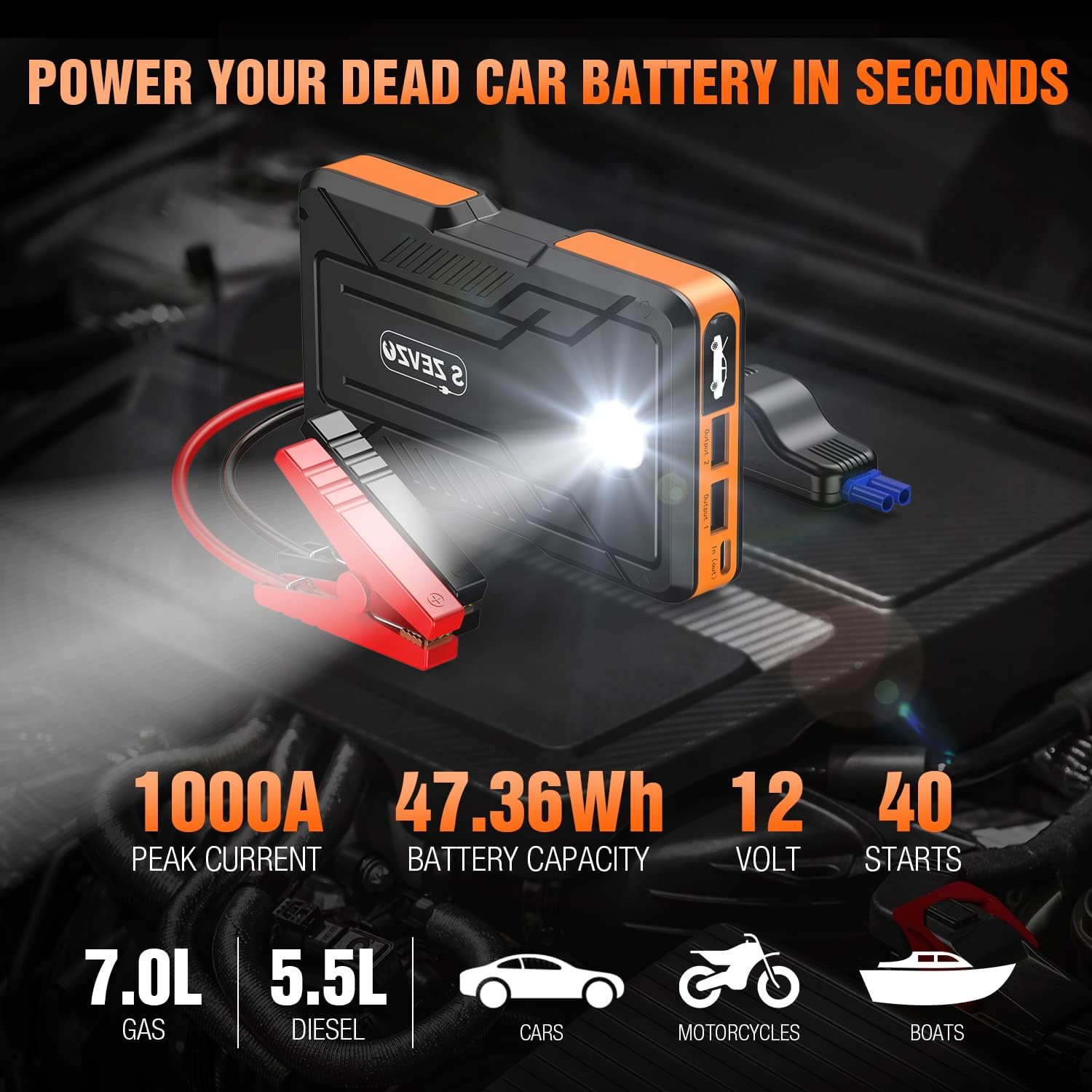
The 3500A peak current is the headline figure and it matters when your car battery is completely dead or when temperatures are low. You can jump-start vehicles with up to 8.0L gasoline or 6.0L diesel engines, which covers most sedans, SUVs, and many trucks. You should be able to get dozens of starts on a full charge, though cold weather and repeated use will reduce that number.
Cold-Weather Reliability
If you live where temperatures drop below freezing, this is an important point to consider. The B29L claims operability down to -4°F, so you can expect reliable startups even in winter conditions. You should still follow best practices—keep the unit charged and store it where it won’t be exposed to extreme cold for extended periods.
Start-Up Procedure
The jump-start process is straightforward: connect the clamps (observe polarity), attach to the battery, power on the unit, and attempt to start the engine. The included clamps typically feature reverse-polarity protection and spark-proof design to reduce mistakes. You should always check the LCD status and indicator lights before connecting to be safe.

Tire Inflator (150 PSI Cordless Air Compressor)
The integrated inflator is a major convenience because it eliminates the need to rely on a gas station or bulky compressor. You can set the desired pressure in PSI, BAR or KPA on the LCD, and the unit will automatically shut off once the preset pressure is reached. That makes inflating car tires, bike tires, sports equipment, and inflatables quick and hands-free.
Preset and Auto-Shutoff Features
You’ll appreciate the intelligent preset system when inflating tires to specific values; it prevents over-inflation by stopping automatically. Whether you’re topping off a car tire to 35 PSI or inflating a bike tire to a different target, the LCD and preset options give you consistent results without guesswork.
Practical Use Cases
This inflator is useful for roadside emergencies, seasonal inflation tasks, and outdoor activities. If you’re camping or bringing water toys, the compressor handles mattresses and rings comfortably. For low-profile tires or heavy-duty truck tires, check the hose and adapter compatibility and realize that high-volume tires will take longer to inflate.
Battery & Power Bank Capability
The 12,000 mAh internal battery enables multiple uses beyond jump-starting. You can charge phones, tablets, smartwatch devices, and smaller electronics via standard USB outputs or the quick-charge USB-C port. This makes the device a flexible emergency power source for travel and off-grid moments.
USB Outputs and Charging Speeds
With ports rated at 5V/3A, 9V/2A, 12V/1.5A and a QC3.0 USB-C port offering 5V/2.4A, you get a mix of fast-charge options for popular devices. You should find modern phones charging quickly while tablets and accessories gain useful top-ups. The port types let you power multiple gadgets simultaneously in most situations.
Using It as Backup Power
Keep this unit charged and stowed in your vehicle so you can charge phones during roadside incidents or when you’re away from power. If you rely on GPS or need to coordinate a tow, having a portable power bank that also revives your car is highly convenient.
LCD Display & Lighting
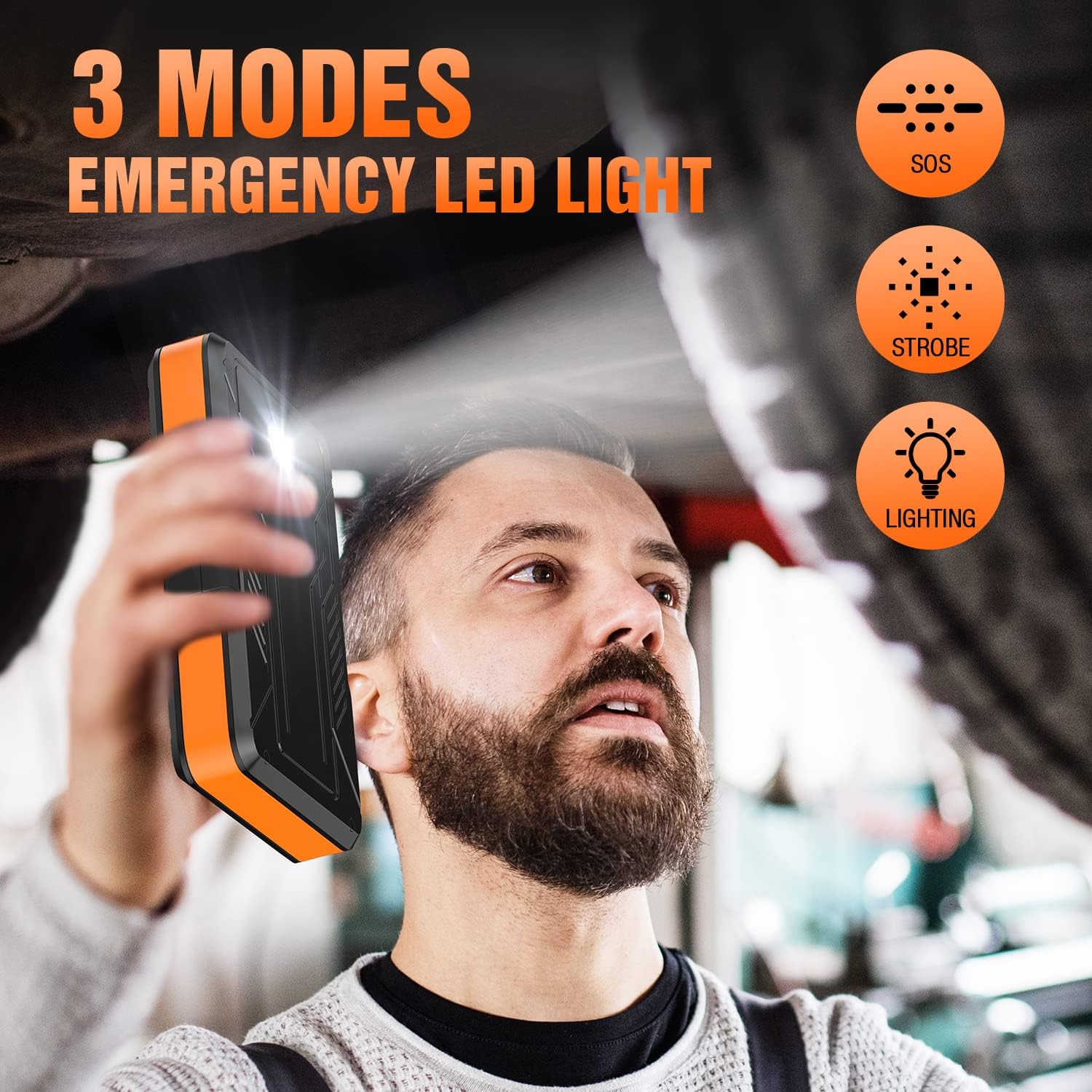
The LCD is central to usability, showing battery level, inflator settings, real-time tire pressure, and preset values. It reduces guesswork and makes the device feel more refined compared to jump starters that only use LEDs. The built-in LED flashlight offers three modes—steady, strobe, and SOS—for emergencies, night work, or signaling.
Readability and Interface
You’ll appreciate the clearer readout at night or during low light if the LCD backlight brightness is adequate. The menu is usually simple—select mode, set target pressure for the compressor, and monitor battery percent. Buttons and icons should be intuitive if you take a minute to review them.
Emergency Use
The SOS and strobe modes are especially useful if you’re stranded on a busy roadside and need to attract attention. Use them conservatively to avoid draining the internal battery when jump-start capability might be required shortly after.
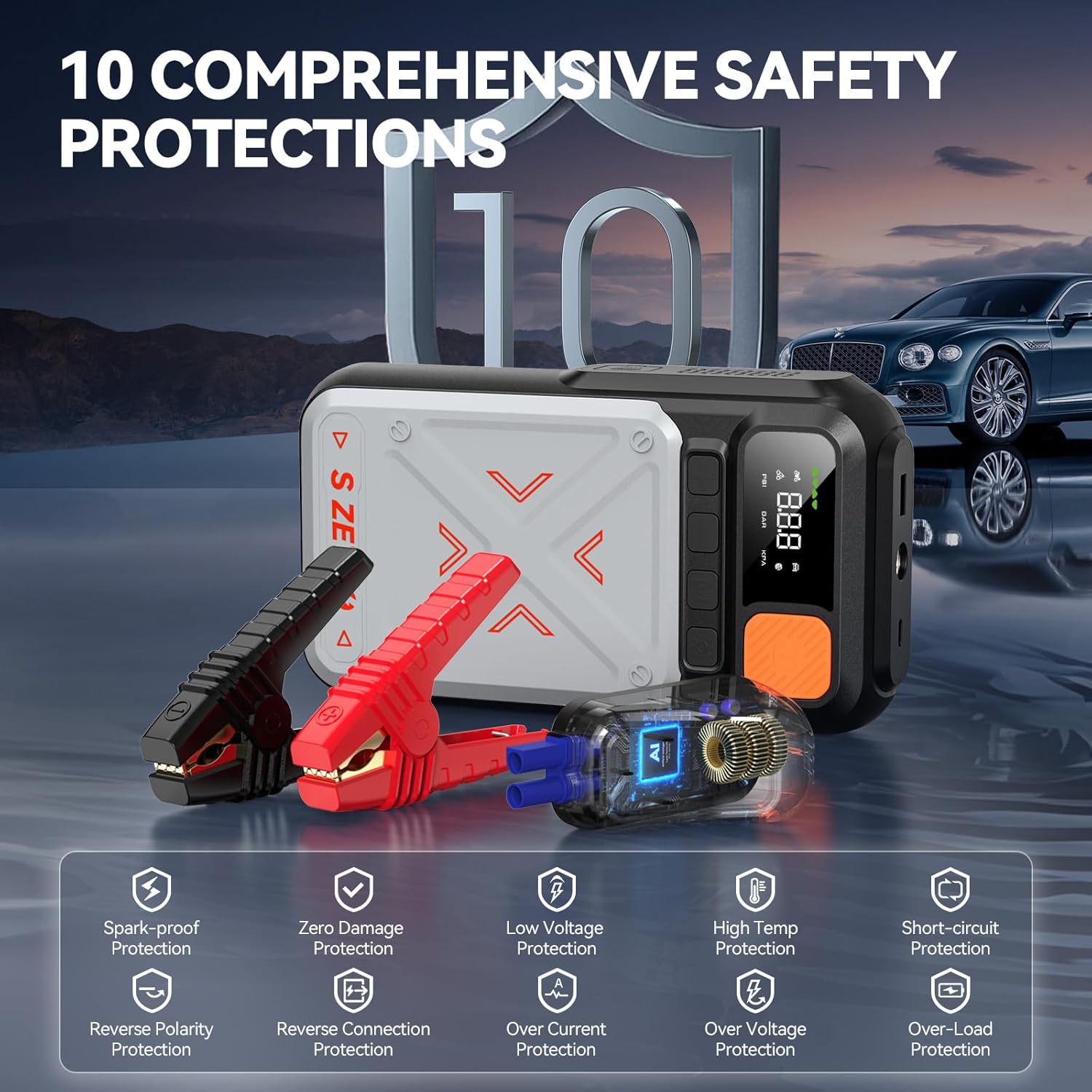
Safety Features: 10 Intelligent Protections
Safety is critical when working with high-current devices. The B29L lists ten protections, including over-charge, over-current, short-circuit, reverse-polarity, low-temp, high-temp, over-voltage, over-load, spark-proof, and reverse-charge protections. These systems reduce the risk of damage to the unit, your vehicle, and your devices, and they also protect you from user errors.
Reverse-Polarity and Spark Protection
Reverse-polarity protection prevents connection mistakes from causing severe damage. Spark-proof clamps help ensure that accidental contact won’t create dangerous sparks. Still, you should always verify polarity before connecting to avoid unnecessary risk.
Temperature and Load Protections
Over-temp and low-temp protections help maintain performance and prevent the unit from operating outside safe limits. Over-load protection prevents the device from attempting tasks beyond its design, while over-voltage and over-current protections protect your electronics during charging.
Build, Design, and Durability
The design balances portability with functionality. The jump starter is compact enough to fit in a trunk or under a seat, but it carries enough weight to house a powerful battery and compressor. Rubberized grips or textured surfaces often help with handling in slippery or cold conditions.
Material and Weather Resistance
Expect a rugged plastic shell and reinforced corners where impacts are likely. While not fully waterproof, many units offer moderate splash resistance—keep it dry and avoid submerging it. Store it in a protective bag or compartment to extend longevity.
Port Placement and Cable Management
Thoughtful port placement can make a big difference. If USB ports, the inflator hose connection, and the clamp storage are well placed, you won’t have cables dangling across your engine bay. Built-in compartments or straps for the clamps and accessories reduce clutter and protect connectors.
Portability & Storage
The B29L is designed to be carried easily, though it will be heavier than a simple power bank due to its battery and compressor. Look for a carrying handle and a compact profile so you can stow it in a trunk without wasting space. If you travel often, consider dedicating a small storage space so it’s always available when you need it.
Weight Considerations
Because of the power capacity, the unit is heavier than typical consumer electronics—plan accordingly when placing it in your vehicle. Make sure you can lift it comfortably and that it won’t slide around while driving.
Storage Best Practices
Store the unit in a place with moderate temperature and away from direct sunlight. Avoid leaving it in extreme heat for long periods, and charge it periodically to maintain battery health.
Charging the Jump Starter
Charging time varies with input power; check the manufacturer recommendations for charging via wall adapter or car charger. Keep it fully charged if you expect to rely on it for emergencies, and charge it after heavy use (multiple jump starts or long inflator sessions).
Charging Tips
Avoid partial charges for long storage periods—aim to top it up every few months or after significant temperature exposure. If you plan a long road trip or winter travel, top up the device before you leave to ensure peak performance.
Runtime and Jump Count
The 12,000 mAh battery should support up to 30 jump starts under ideal conditions. Real-world numbers depend on engine size, temperature, and how depleted the target battery is. If you’re routinely jump-starting large trucks or making repeated starts in cold weather, expect fewer starts per charge.
Usability & Controls
Controls should be simple enough for most drivers to use in stressful conditions. Buttons to select inflator mode, set target pressure, power outputs, and light modes are common. Clear labeling and an easy-to-read LCD reduce mistakes.
Instruction Clarity
Follow the included manual for specific procedures and safety checks. Manuals usually include step-by-step jump-start instructions, compressor usage, and charging best practices. If you’re uncomfortable with any step, consult a professional or ask roadside assistance.
Quick Tips for Smooth Operation
Keep clamps clean and free from corrosion, store accessories neatly, and perform occasional test starts to confirm the unit still holds charge. Familiarizing yourself with the LCD and the basic steps beforehand keeps you calmer in real emergencies.
Who Should Buy This
You should consider this product if you want a single device that handles jump-starts, inflating tires, emergency lighting, and emergency charging. It’s useful for daily commuters, road-trippers, campers, and people who maintain multiple vehicles. If you want a lightweight, minimal power bank, a smaller product might be better, but for multi-function vehicular preparedness, this unit is compelling.
Use Cases
This is ideal if you drive older vehicles, own multiple cars, ride motorcycles, or frequently travel to remote areas. It’s also beneficial if you want to reduce gear count while still having robust roadside assistance tools on hand.
Common Limitations
Despite its strengths, there are trade-offs to note. High-capacity devices are heavier, and the inflator may take longer to fill large or low-pressure tires. Also, repeated heavy use in one outing can deplete the battery quickly, so you should balance usage between jump-starts and inflator operations.
Compatibility Notes
While the device supports engines up to the listed limits, always verify your engine size before relying solely on it. Some heavy-duty diesel trucks or commercial engines may exceed the capacity. For specialized vehicles, use a purpose-built starter.
How to Jump-Start Your Vehicle Safely (Step-by-Step)
- Turn off your vehicle and all accessories. Remove jewelry and ensure the area is ventilated.
- Connect the red clamp to the positive (+) terminal and the black clamp to a clean ground point on the vehicle or negative (-) terminal if recommended.
- Power on the jump starter and check the LCD and indicators for correct connection.
- Attempt to start the vehicle; if it doesn’t start within a few seconds, wait 30–60 seconds and try again.
- Once the engine starts, disconnect clamps in reverse order and let the car run to recharge its battery.
You should always follow the manual specific to your model and exercise caution with battery connections. If the car does not start after a few attempts, seek professional assistance.
Inflating a Tire (Step-by-Step)
- Attach the inflator hose to the tire valve and secure the connection.
- Use the LCD to set your desired pressure (PSI, BAR, or KPA).
- Start the inflator and monitor the real-time pressure on the display.
- Once the preset is reached, the compressor will automatically shut off.
- Detach the hose, replace the valve cap, and store the hose properly.
You should check tire pressure with a reliable gauge periodically and not rely solely on the inflator’s reading for long-term accuracy.
Maintenance & Care
Keep connectors clean and dry, avoid extreme temperatures for storage, and recharge the unit every few months if not in regular use. Check the clamps and cables for corrosion or fraying and inspect the inflator hose for cracks. Regular simple maintenance will extend the life of the unit and keep it ready for emergencies.
Battery Care Best Practices
Avoid storing the unit with zero charge for long periods. If you expect long-term storage, recharge it to around 50–80% and top up every few months. Batteries age naturally, so expect some capacity loss over several years.
Pros and Cons
Laying out the main advantages and drawbacks helps you weigh whether this device suits your needs.
Pros:
- High peak current (3500A) for wide engine compatibility.
- Integrated 150 PSI inflatable with auto-shutoff presets.
- 12,000 mAh power bank with QC3.0 USB-C and multiple outputs.
- LCD shows battery and pressure readings in real time.
- Multiple safety protections reduce user risk.
- LED light with SOS and strobe modes for emergencies.
Cons:
- Heavier than basic power banks and single-function starters.
- Large tires or multiple inflations can drain battery quickly.
- Not fully waterproof—keep dry and protected.
- Real-world jump-start count varies with conditions.
Frequently Asked Questions (FAQ)
Q: How many times can this jump starter start a car on one charge?
A: Under ideal conditions, up to 30 times, but cold weather and larger engines will reduce that number.
Q: Can it start diesel trucks?
A: It supports up to 6.0L diesel engines, which covers many light-duty diesel vehicles but not heavyweight commercial trucks.
Q: Does the inflator automatically stop at the preset pressure?
A: Yes, it supports intelligent presetting and auto-shutoff when the target is reached.
Q: Is the unit safe to use if you accidentally reverse the clamps?
A: The unit includes reverse-polarity protection and spark-proof features to minimize risk, but you should still verify polarity before connecting.
Q: Can you charge a laptop with this unit?
A: The USB ports are primarily for phones, tablets, and small electronics; check your laptop’s power requirements before attempting to charge. Some laptops require higher wattage or special connectors.
Final Recommendation
If you want a multifunctional, vehicle-focused emergency tool, this product is a strong contender. You’ll gain a high-current jump starter capable of handling most passenger cars and many trucks, a practical cordless inflator with auto-shutoff, and a useful backup power bank and emergency light. Keep it charged, store it safely, and use it as part of your routine vehicle preparedness kit—this combination of features is particularly useful if you want fewer separate devices and a single dependable unit in your trunk.
You should pick this if you value versatility and preparedness; if you prioritize ultra-lightweight gear or need equipment for very large commercial vehicles, you might look at alternatives tailored to those needs.
Disclosure: As an Amazon Associate, I earn from qualifying purchases.