
Looking for a compact, reliable power station that can keep your devices running whether you’re camping, traveling, or preparing for emergencies?

Anker SOLIX C300 DC Power Bank Station and 60W Solar Panel — Quick Snapshot
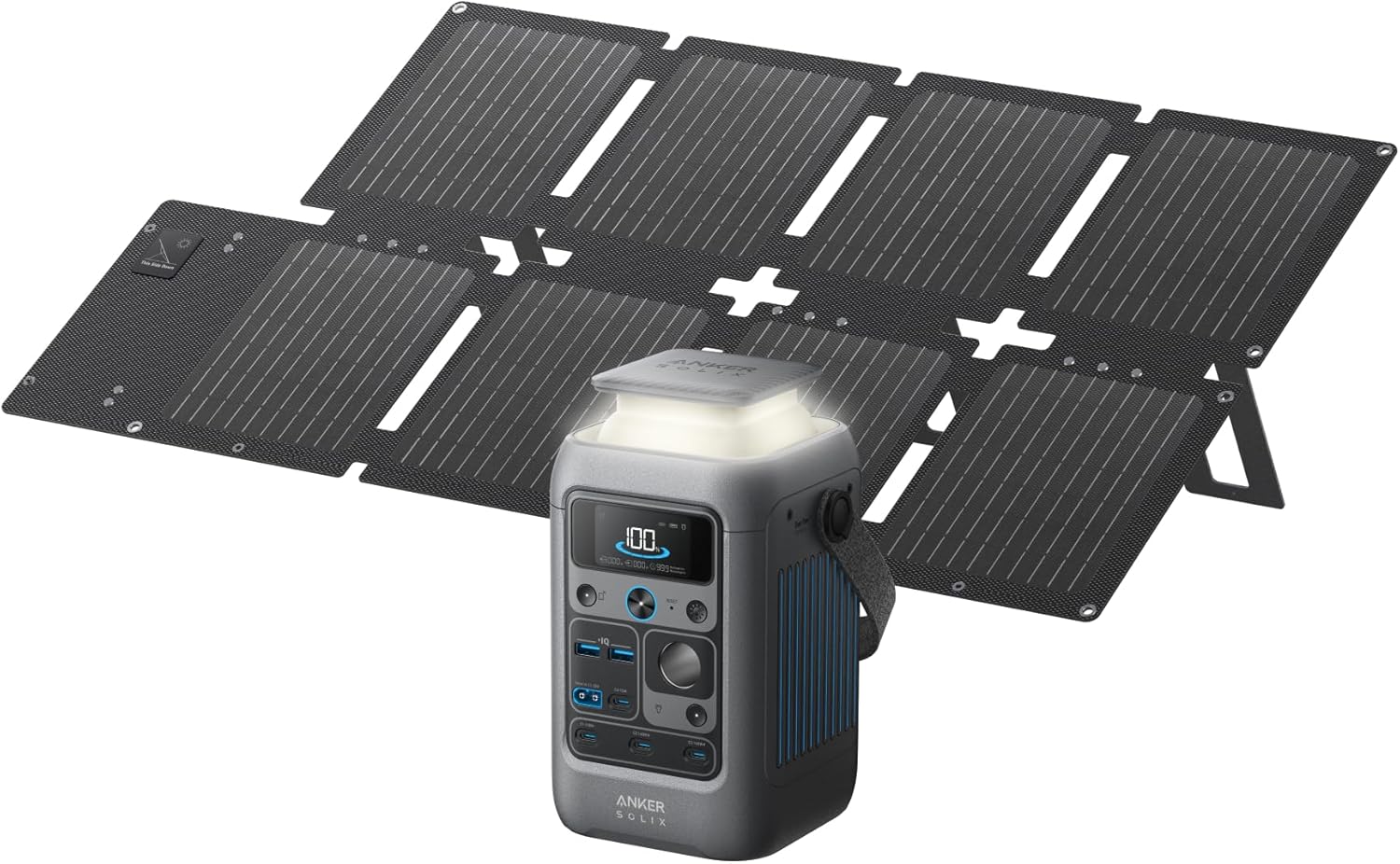
You’ll find the Anker SOLIX C300 DC Power Bank Station and 60W Solar Panel is built around portability and flexible recharging. It delivers 300W continuous output and stores 288Wh of energy in a LiFePO4 battery, with a 60W solar panel included so you can charge sustainably when you’re off-grid.
What you get in the box
You’ll receive the Anker SOLIX C300 DC Portable Power Station and a 60W solar panel, plus the cables and documentation you need to get started. The package specifically includes a solar-to-XT60 charging cable, an extension cable, a 60cm 140W USB-C to C charging cable, and safety and warranty cards. Note that the power station and solar panel may be shipped separately, and you should scan the QR code on the package if one item arrives before the other to check delivery status.
Product snapshot and claims
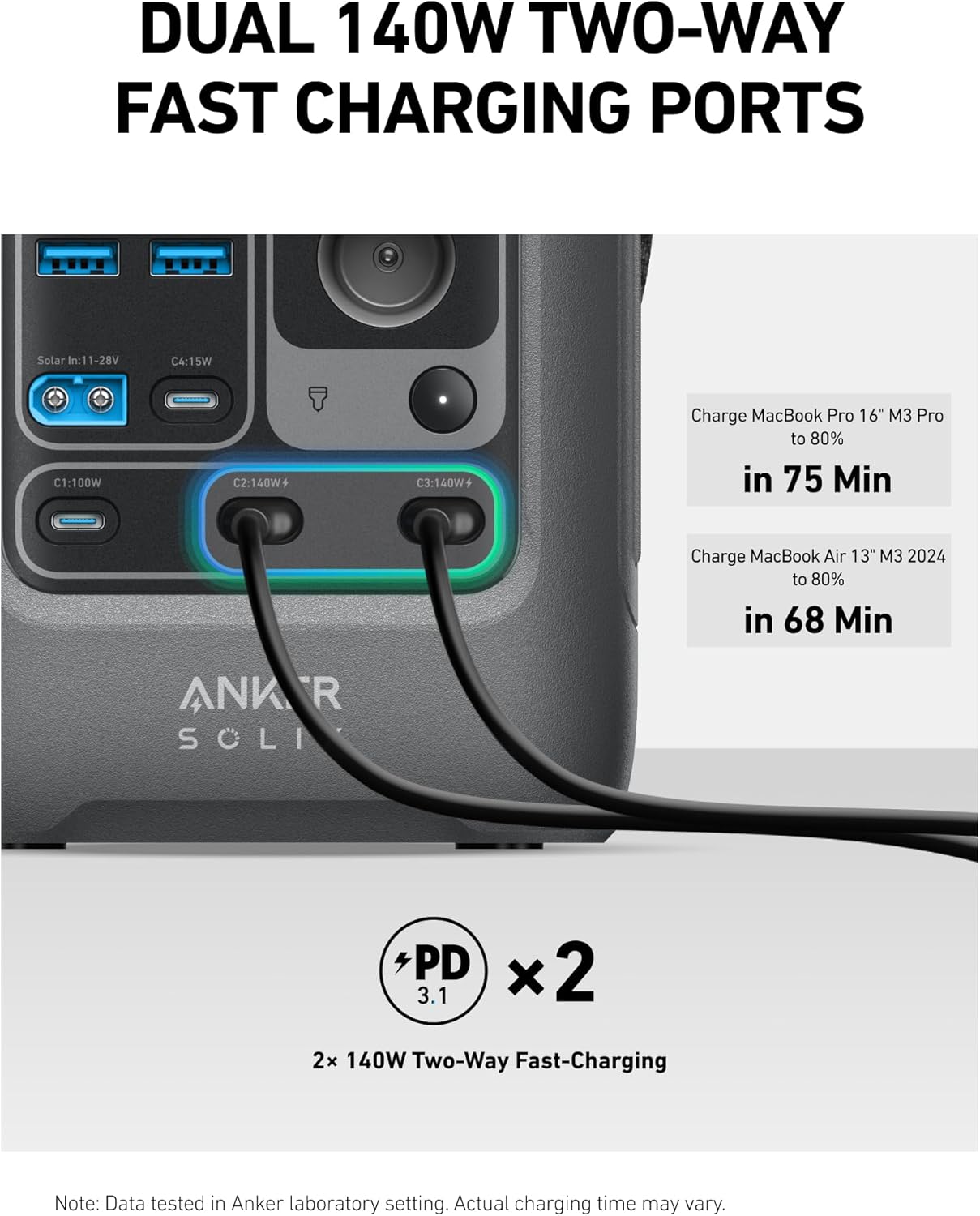
The product advertises fast charging with two 140W two-way USB-C ports and an overall 300W delivery capability, which lets you run many of your devices simultaneously. Anker also highlights features like LiFePO4 chemistry for durability, smart temperature control, impact resistance, and a 3-year warranty to protect your purchase.
Key specifications at a glance
You’ll appreciate having a compact list of the core specs to compare with other options. Below is a concise breakdown to help you quickly understand the unit’s capabilities and limits.
| Specification | Detail |
|---|---|
| Model | Anker SOLIX C300 DC Power Bank Station + 60W Solar Panel |
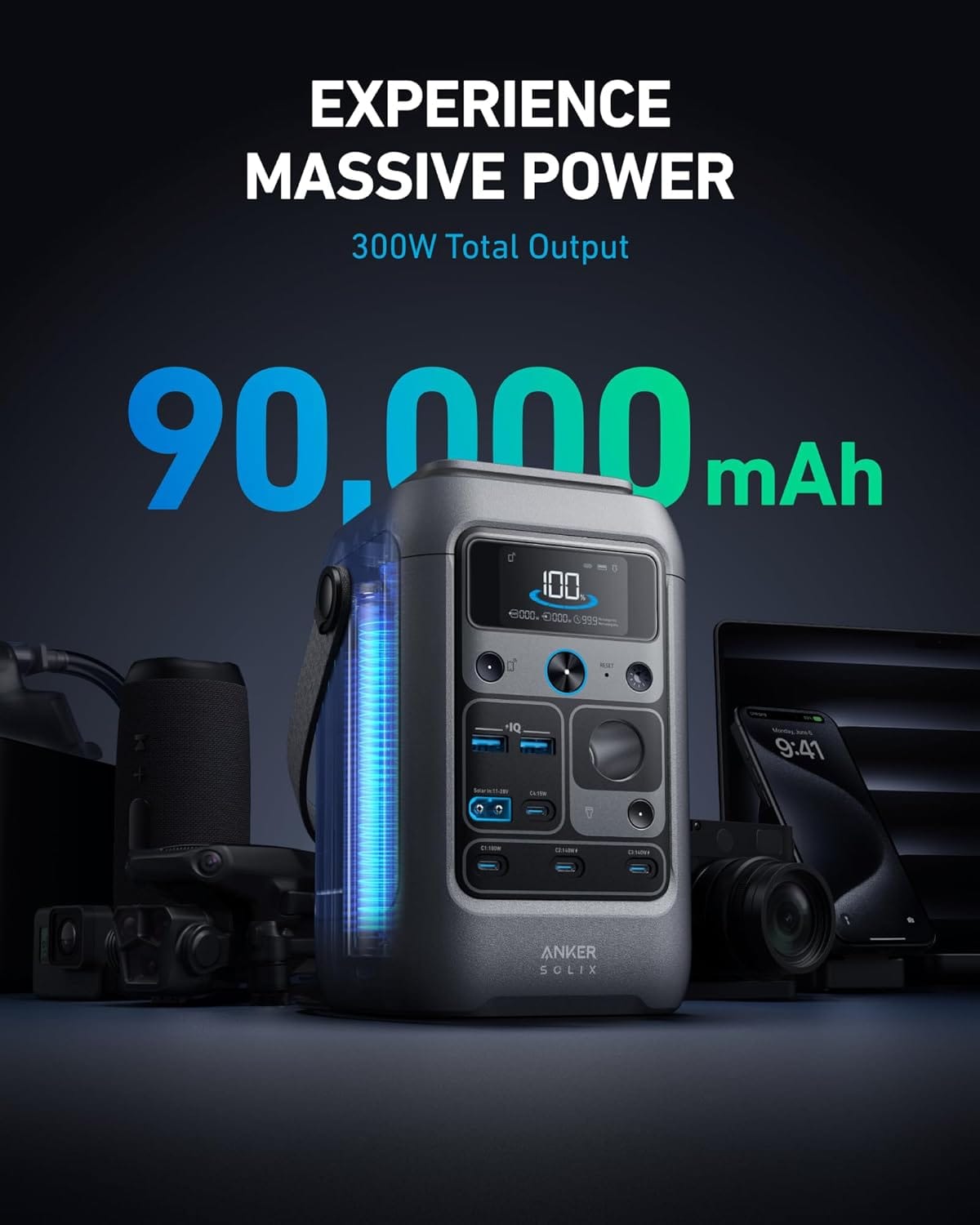
| Battery capacity | 288Wh |
| Max continuous output | 300W |
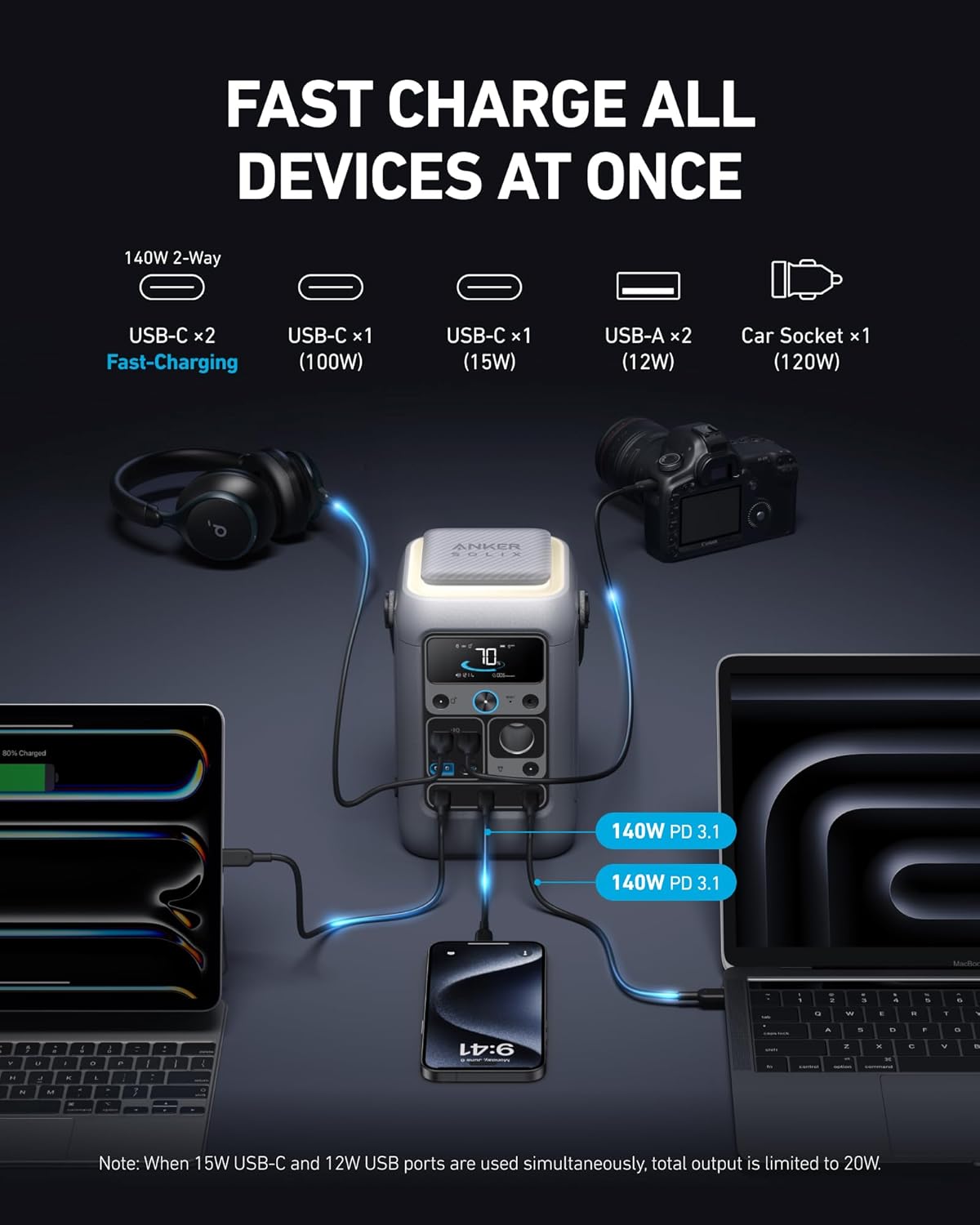
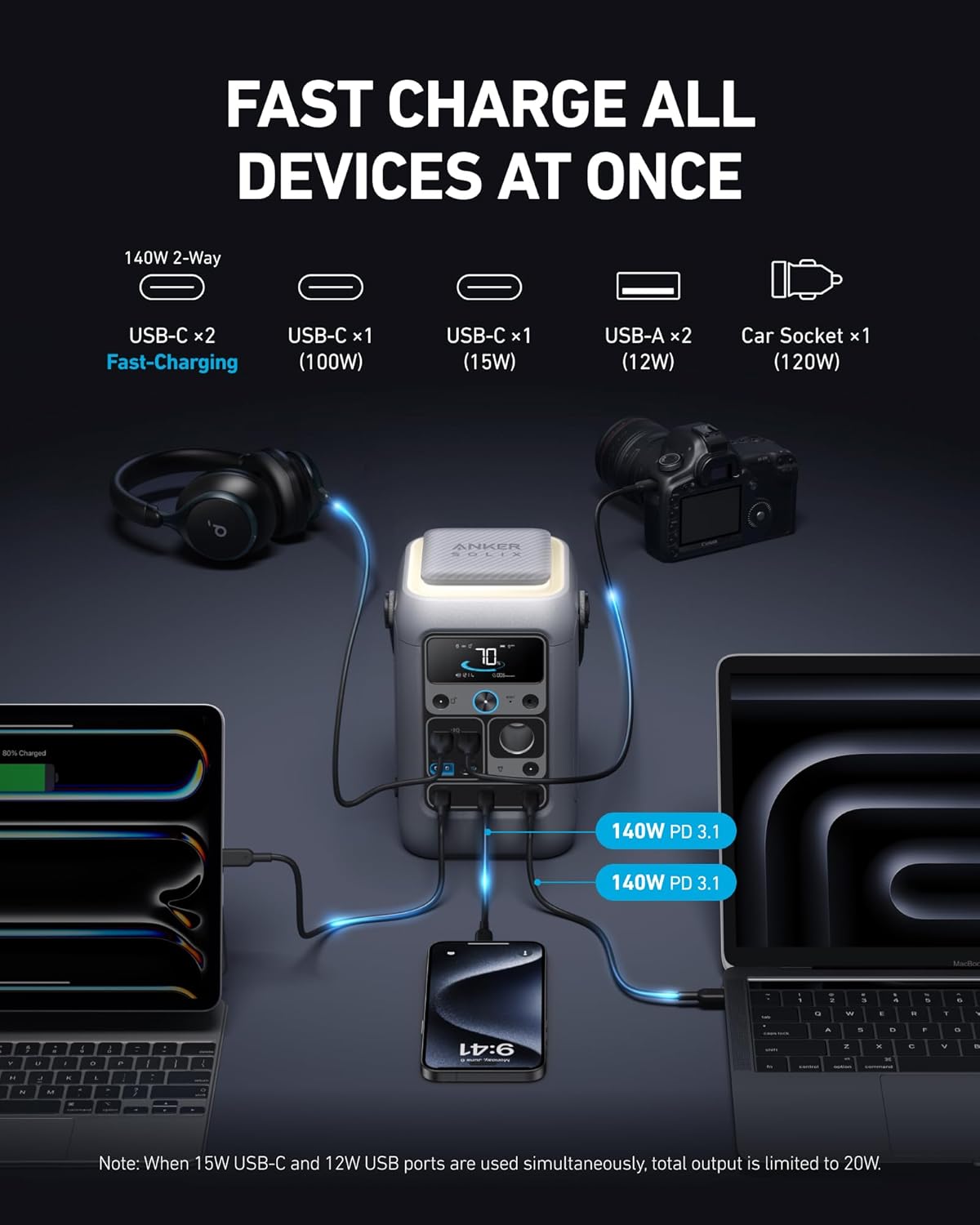
| USB-C outputs | Two 140W two-way USB-C ports, one 100W USB-C, one 15W USB-C (per product listing) |
| USB-A outputs | Two USB-A (12W each) |
| Car socket | 1 × car socket (120W) |
| Solar panel included | 60W solar panel with solar-to-XT60 charging cable |
| Fast recharge | Dual PD 3.1 USB-C enables recharge to 80% in ~1 hour (product claim) |
| Battery chemistry | LiFePO4 |
| Portability | About 30% smaller than similar power stations (per product listing); strap sold separately |
| Warranty | 3-year power station warranty |
| Compatibility notes | Not compatible with Anker SOLIX PS30 (or other 5V~3A USB-C panels), PS200, PS400 |
Ports and outputs — what you can power
You’ll want to know exactly what ports are available and what they can realistically run at the same time. The C300 focuses on high-power USB-C output and a DC car socket rather than built-in AC outlets, so it’s optimized for modern USB-C devices and DC accessories.
Port breakdown and typical uses
Below is a practical summary of the ports and what you can power from each. You can run multiple devices at once, but keep the 300W max continuous limit in mind so you don’t overload the station.
- Two USB-C (140W) two-way ports: Ideal for laptops, fast charging tablets, and phones. These ports can both charge devices and accept input for recharging the power station (two-way).
- One USB-C (100W) port: Great for another laptop or high-wattage device.
- One USB-C (15W) port: Use this for phones, earbuds, and smaller accessories.
- Two USB-A (12W each): Good for older phones, cameras, and low-draw accessories.
- Car socket (120W): Power small DC devices like portable fridges, air pumps, or charge via a vehicle.
How to think about simultaneous use
You’ll likely combine multiple ports during trips — for example, charge two laptops on the 140W ports while using the car socket for a 12V fridge. Just remember the station caps out at 300W continuous, so if your devices’ combined draw approaches that number you’ll need to prioritize what matters or stagger usage.
Charging performance and speeds
You’ll be interested in both how fast the station can charge your devices and how fast the station itself can be recharged. The C300 emphasizes fast charge technology and flexible input options.
Device charging speeds
The twin 140W USB-C ports are the headline feature for device charging, enabling very fast charging for compatible laptops and devices. Combined with the additional USB-C and USB-A ports, you can top up multiple devices simultaneously while still having enough power for mid-power accessories.
Recharging the station
Anker states you can fast recharge the station to 80% in about an hour using the dual PD 3.1 USB-C input arrangement. You can also recharge using the included 60W solar panel or via a car adapter. Real-world recharging times depend on the charger you use, sunlight conditions, and cable quality.
Solar charging — what to expect from the included 60W panel
If you plan to use solar as your main recharging method, you’ll want realistic expectations about how long it will take and how to get the best output. The 60W panel gives you a solid portable solar option for topping up the 288Wh battery when conditions are favorable.
Solar charging estimates
In ideal conditions (full sun, panel perfectly oriented), the math is straightforward: 288Wh / 60W = 4.8 hours of peak sun to theoretically deliver that amount. In practice, you should expect around 6–8 hours of good sunlight due to inefficiencies, angle, shading, and weather. If you’re relying on solar for daily use, plan for partial recharges and conservative usage.
Practical solar tips
You’ll get better results if you angle the panel perpendicular to the sun, keep it clean, and avoid partial shade. If you need faster solar recharging, consider adding more compatible panels or charging via PD USB-C when you can.
Battery chemistry and longevity (LiFePO4)
You’ll benefit from the use of LiFePO4 cells, which are known for their longevity and safety compared with many other lithium-ion chemistries. That matters if you plan to cycle the battery frequently during multi-day trips or as part of emergency preparedness.
Why LiFePO4 matters for you
LiFePO4 batteries typically offer a higher number of charge-discharge cycles, greater thermal stability, and lower fire risk compared with some common lithium-ion chemistries. This means the C300 should retain useful capacity longer, making it a good long-term investment.
Practical lifecycle expectations
While manufacturers vary in how many cycles they guarantee, LiFePO4 cells commonly reach into the thousands of cycles before significant capacity loss. You should still follow recommended storage and usage practices to maximize longevity, like avoiding extreme temperatures and not leaving the battery at 0% for extended periods.
Portability and design
You’ll notice Anker focused on making the C300 more compact than comparable units. The promise of about 30% smaller size makes it easier to stash in a car, pack for a trip, or store in a home emergency kit.
Handling and ergonomics
The design aims to be ergonomic for on-the-go use, and you can add a strap (sold separately) if you want hands-free carry options. The station also touts impact resistance and smart temperature control, which helps protect the device in a variety of environments.
Considerations about weight and packing
You’ll want to check the listed weight when deciding if this is the right station for backpacking vs. car camping. It’s positioned as a “go anywhere” design, but given a 288Wh battery, expect it to be heavier than smaller battery packs — it’s a balance between capacity and carry convenience.
Real-world use cases
You’ll find the C300 suits many scenarios from weekend trips to emergency backup. Below are typical use cases and how the station fits into each.
Camping and overland trips
You’ll be able to power lights, charge phones and cameras, run small fridges for food, and refresh laptops for digital work. The included solar panel helps keep you topped up during multi-day stays without generator noise.
Traveling and van life
You’ll like the compact footprint when space is at a premium in vans or small trailers. The high-wattage USB-C output lets you run and charge laptops, drones, and other higher-draw devices you might need on the road.
Emergencies and home backup
You’ll appreciate having 288Wh of stored power for short outages — enough to run lights, charge multiple phones, and operate essential medical devices or small routers temporarily. The LiFePO4 chemistry provides safer, more durable performance for seasonal storage.
Photography and fieldwork
You’ll be able to recharge camera batteries and laptops in the field, keeping you operational for longer shoots or data transfers. The high-wattage USB-C outputs make fast top-ups practical between sessions.
Setup and first-time use
You’ll want to get the most from your unit right away, so a clear setup routine helps. Follow these simple steps when you unbox and prepare the system for its first use.
Unboxing and checks
You’ll want to confirm all listed items are present, including the solar-to-XT60 cable and the USB-C charging cable. Because items might ship separately, check the QR code on the packaging for delivery status if part of the order hasn’t arrived yet.
First charge and firmware tips
You’ll get optimal performance if you give the station a full or partial top-up before first use and follow any manufacturer guidance in the safety and warranty card. Keep the unit in a room-temperature environment when charging for the first few cycles so smart temperature control can work efficiently.
Connecting the solar panel
You’ll use the provided solar-to-XT60 cable to connect the included 60W panel to the power station. Make sure the XT60 connection is clean and secure, and avoid plugging or unplugging under load in dusty or wet conditions.
Maintenance, safety and storage tips
You’ll keep the unit running well longer when you follow a few practical maintenance steps. Regular care protects the battery and electronics and keeps charging reliable.
Storage recommendations
You’ll want to store the power station in a cool, dry place and maintain a partial charge if you won’t use it for several months. LiFePO4 batteries like to be stored around 40–60% charge for long-term health, so top up periodically if the unit sits idle.
Safety practices
You’ll avoid using damaged cables or exposing the unit to flooding or heavy rain. Even though the power station offers impact resistance and smart temperature control, you should still follow all safety guidance in the documentation and avoid exposing it to extreme heat or cold during use and storage.
Cleaning and upkeep
You’ll keep connectors free from dust and corrosion by wiping with a dry cloth occasionally and storing cables neatly to prevent wear. If you suspect a problem, rely on the warranty and Anker’s support rather than attempting internal repairs.
Compatibility notes and cautions
You’ll want to be careful about which panels and accessories you pair with the C300. Not every solar product or cable will be compatible.
Incompatible panels listed by the manufacturer
You’ll notice the product is not compatible with Anker SOLIX PS30 (or other 5V~3A USB-C panels), PS200, and PS400. Avoid trying to charge the station with those panels or any panels explicitly noted as incompatible.
Using the right cables and connectors
You’ll get the best results with the included XT60 cable and high-quality USB-C PD cables, especially for high-wattage 140W transfers. Low-quality or undersized cables can limit charge speeds or cause heat buildup.
Comparison with other portable power stations
You’ll want to see how the C300 stacks up against alternatives to decide if it’s the right fit for your needs. Below are comparisons to common alternatives.
Compared to small power banks (sub-200Wh)
You’ll get more capacity and sustained power here — 288Wh is a meaningful step up from sub-200Wh packs, giving you more runtime for mid-draw devices. The C300 remains portable while offering higher output and battery chemistry advantages.
Compared to larger AC-equipped stations
You’ll find larger stations with AC outlets useful for some appliances but heavier to carry. The C300’s DC-focused design and compact size make it more portable and specialized for modern USB-C devices and DC accessories, though you’ll trade away built-in AC outlets if you need them.
Compared to NMC battery-based models
You’ll benefit from LiFePO4’s longer cycle life and enhanced safety characteristics. NMC-based models sometimes offer higher energy density for a lower weight, but they typically don’t match LiFePO4 in lifespan and thermal stability.
Pros and cons
You’ll appreciate an honest list of strengths and trade-offs so you can decide if the C300 fits your priorities.
Pros
- You get 288Wh of LiFePO4 battery capacity for longer lifecycle and improved safety.
- You’ll have high-wattage USB-C ports (two 140W) for fast charging of laptops and other devices.
- You can recharge via included 60W solar panel, USB-C PD, or car, offering flexibility on the go.
- You’ll benefit from a compact design about 30% smaller than similar stations, making it easier to carry and store.
- You’ll enjoy added protections like smart temperature control and impact resistance, plus a 3-year warranty.
Cons
- You’ll need to be mindful of the 300W continuous output limit if you rely on multiple high-draw devices simultaneously.
- You’ll miss built-in AC outlets if you need to plug in certain household appliances — this is a DC-focused station.
- You’ll need to purchase a strap separately if you prefer a hands-free carry option.
- You’ll have to avoid specific incompatible Anker panels (PS30/PS200/PS400), which narrows some expansion options.
Who should buy this
You’ll find this model particularly appealing if you prioritize portability, fast USB-C charging, and long-term battery durability. It’s a solid choice for campers, van lifers, photographers, and anyone who wants a compact, reliable station for emergency backup without the need for integrated AC outlets.
Who might look elsewhere
You’ll want a different model if you need multiple AC outlets for high-wattage appliances, or if you need the absolute lightest option for multi-day backpacking. If AC power is essential, look for a model with built-in pure sine wave AC outlets.
Frequently asked questions
You’ll likely have a few common questions when deciding whether the C300 is right for you. Below are some quick answers to help.
Q: How long will the battery last on a single charge?
You’ll get runtime that depends on the total power draw. For example, a 50W device might run for roughly 5–6 hours on 288Wh under ideal conditions, while higher-wattage devices will drain the station more quickly.
Q: Can I run a small fridge or medical devices?
You’ll be able to run small DC fridges or some medical devices if their continuous draw stays below the 300W limit. Always check device start-up surge and continuous power requirements to ensure compatibility.
Q: How long does the included 60W solar panel take to recharge the station?
You’ll likely need 6–8 hours of strong direct sunlight to effectively recharge the 288Wh battery with the 60W panel, accounting for inefficiencies and real-world conditions. Plan for partial recharges and combine power sources when possible.
Q: Is the power station waterproof?
You’ll want to treat the unit as water-resistant at best; the product emphasizes impact resistance but doesn’t claim waterproofing for submersion. Avoid exposing electrical ports to rain or water and follow safety guidance.
Q: Can I use other solar panels to charge it faster?
You’ll be able to use compatible higher-wattage panels if they meet the station’s input requirements and connector types, but avoid the incompatible Anker panels listed by the manufacturer. Use recommended connectors like XT60 and high-quality charge controllers where necessary.
Final thoughts
You’ll find the Anker SOLIX C300 DC Power Bank Station and 60W Solar Panel strikes a practical balance between portability, charging speed, and battery longevity. If you need a compact, durable station focused on powerful USB-C outputs and flexible recharging, the C300 is a very capable option that will serve well for weekend trips, travel, and emergency preparedness.
Disclosure: As an Amazon Associate, I earn from qualifying purchases.