
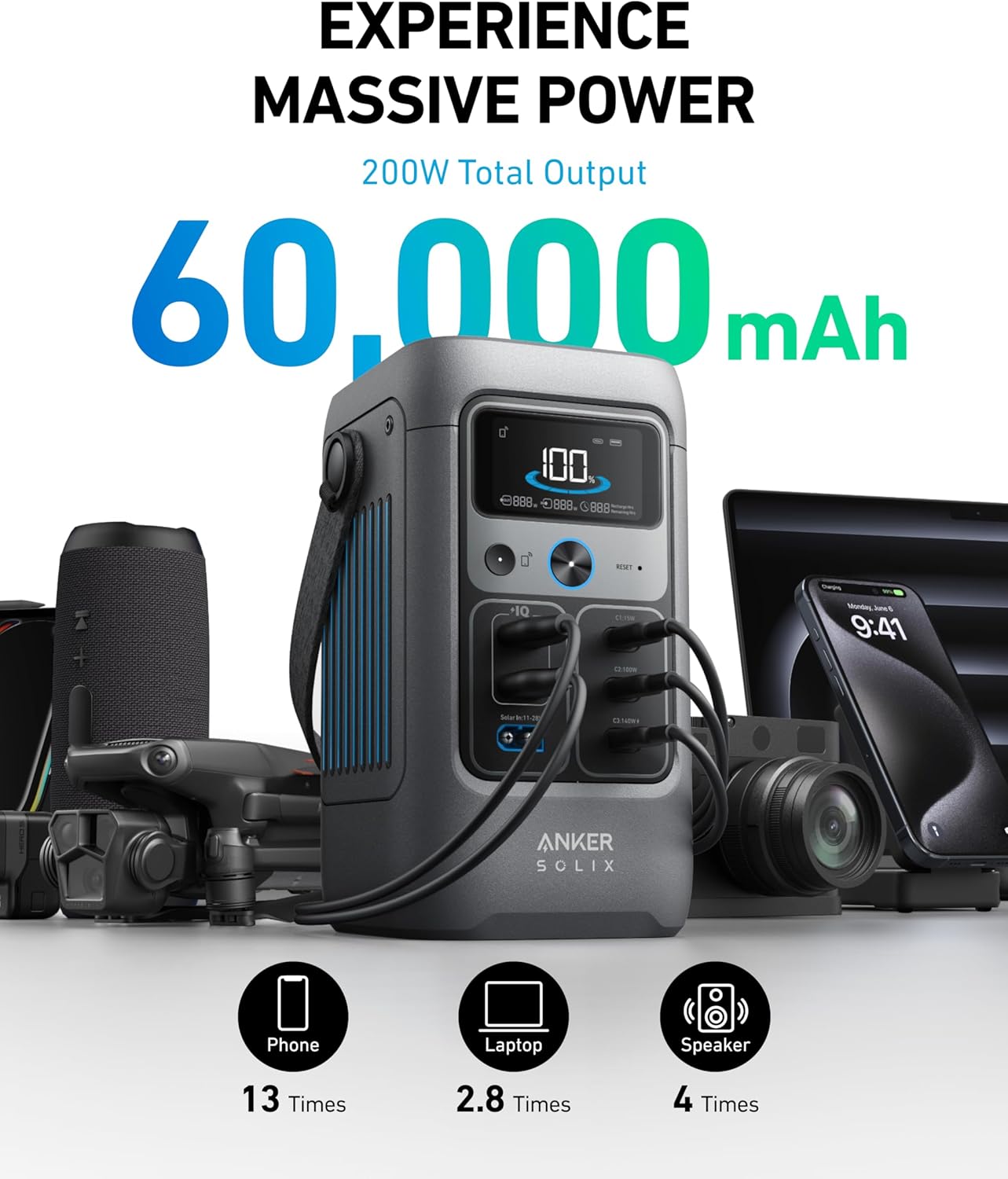
Looking for a reliable, compact way to keep your devices powered when you’re away from the grid?

Product Overview
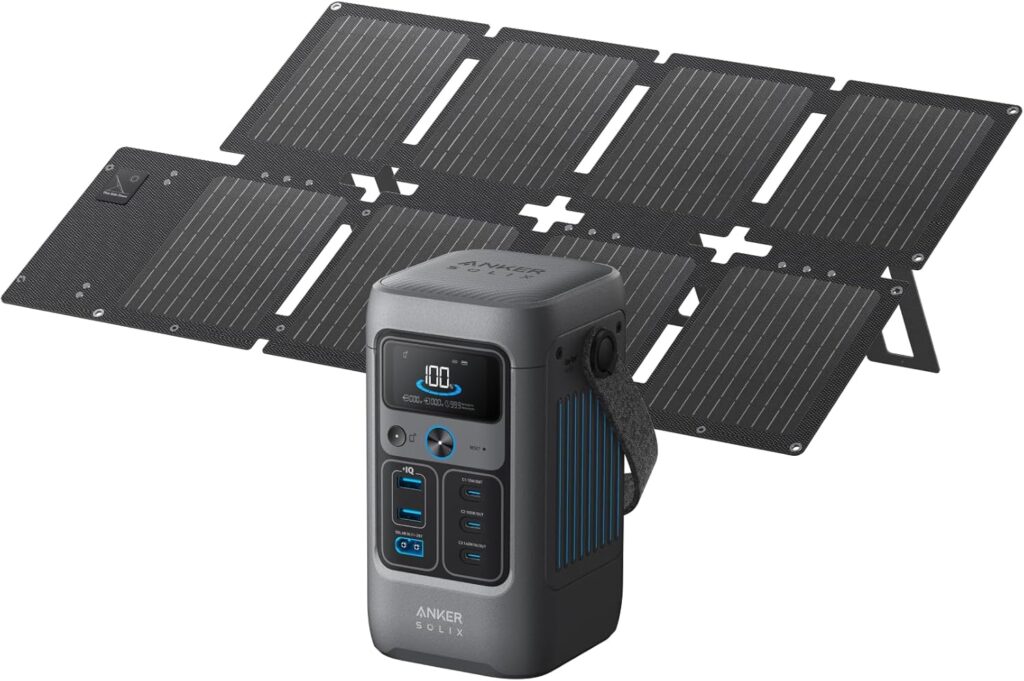
You’re looking at the Anker SOLIX C200 DC Power Bank Station and 60W Solar Panel, 192Wh Portable Power Station, LiFePO4 Battery, 200W Solar Generator, For Outdoor, Camping, Traveling, and Emergencies. This system combines a 192Wh LiFePO4 battery pack with multiple high-speed USB-C and USB-A ports plus a 60W solar panel so you can charge your gear on the move. The package is focused on fast USB charging and portable DC power rather than high-wattage AC output, making it a lightweight option for tech-heavy trips and emergency phone/laptop backup.
Key Specifications
Below is a compact breakdown to help you quickly see the core specs and important details of the system. This table makes it easy to compare ports, battery, and charging options at a glance.
| Feature | Specification |
|---|---|
| Battery Capacity | 192Wh |
| Battery Chemistry | LiFePO4 (LFP) |
| Continuous Output Power | 200W |
| USB-C Ports | 1 × 100W, 1 × 140W (two-way), 1 × 15W |
| USB-A Ports | 2 × 12W |
| Solar Input | 60W (supported) |
| Fast Recharge | PD 3.1 USB-C fast recharge to 80% in ~1.3 hours |
| Recharging Options | USB-C PD input, solar panel, car charging |
| Included Solar Panel | 60W Solar Panel (includes solar to XT-60 cable) |
| Cables Included | 60cm 140W USB-C to C cable, solar to XT-60 cable, extension cable |
| Warranty | 3-year warranty |
| Package Note | C200 Power Station and 60W Solar Panel may ship separately; scan the package QR code to check remaining delivery status |

What’s in the Box
You’ll receive the Anker SOLIX C200 DC Portable Power Station, the 60W Solar Panel, a solar to XT-60 charging cable, an extension cable, a 60cm 140W USB-C to C charging cable, and safety and warranty documentation. Keep in mind the power station and solar panel might arrive separately — use the QR code on the packaging to verify the delivery status if one item comes before the other.
Design & Portability
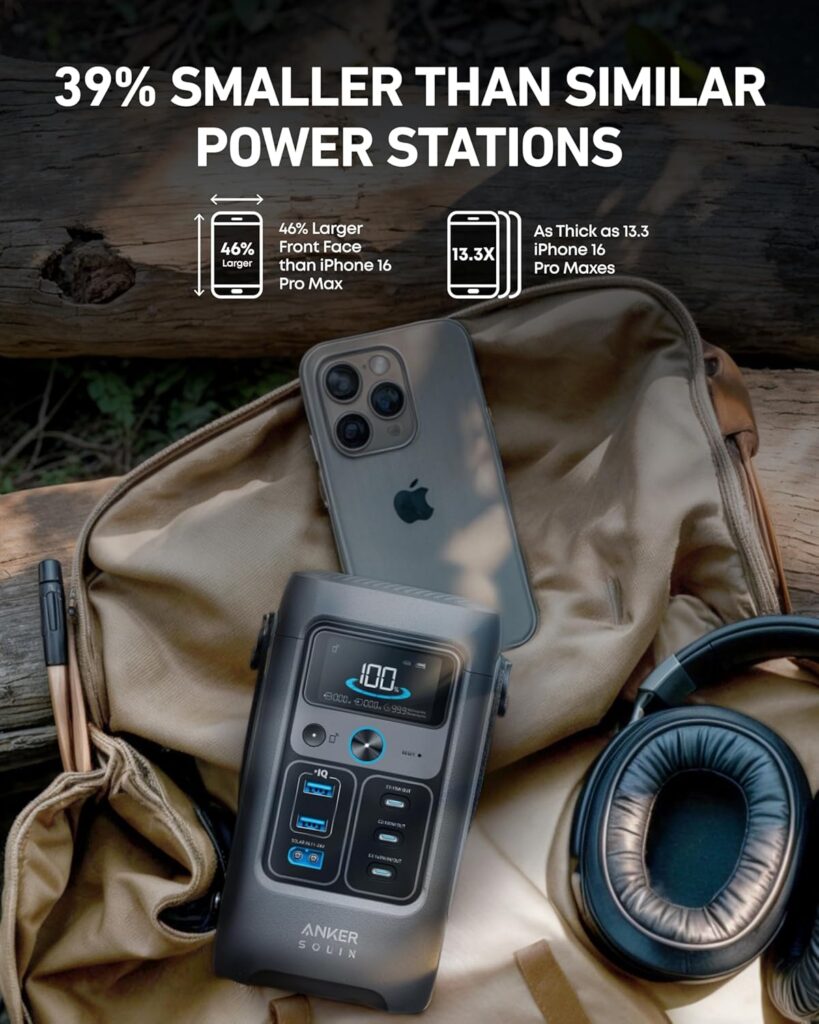
Anker has designed this unit to be travel-friendly; it’s about 39% smaller than comparable power stations, making it easier to stash in a car or carry to a campsite. The compact footprint and relatively light overall footprint means you won’t be wrestling with a bulky brick, and you can optionally attach a strap (sold separately) to carry it more comfortably.
Build and Materials
The exterior feels sturdy and utilitarian, designed to handle outdoor use without being overly rugged or heavy. The LiFePO4 battery chemistry inside increases durability and thermal stability compared to some other battery types, which is a plus for a device meant for travel and emergencies.
Weight and Carrying Considerations
Because it’s smaller than many similar-capacity power stations, this unit is easier to manage on hikes, road trips, and when packing for weekend camping. Remember that a strap is not included, so if you prefer hands-free carry you’ll need to add one separately.
Performance & Power Delivery
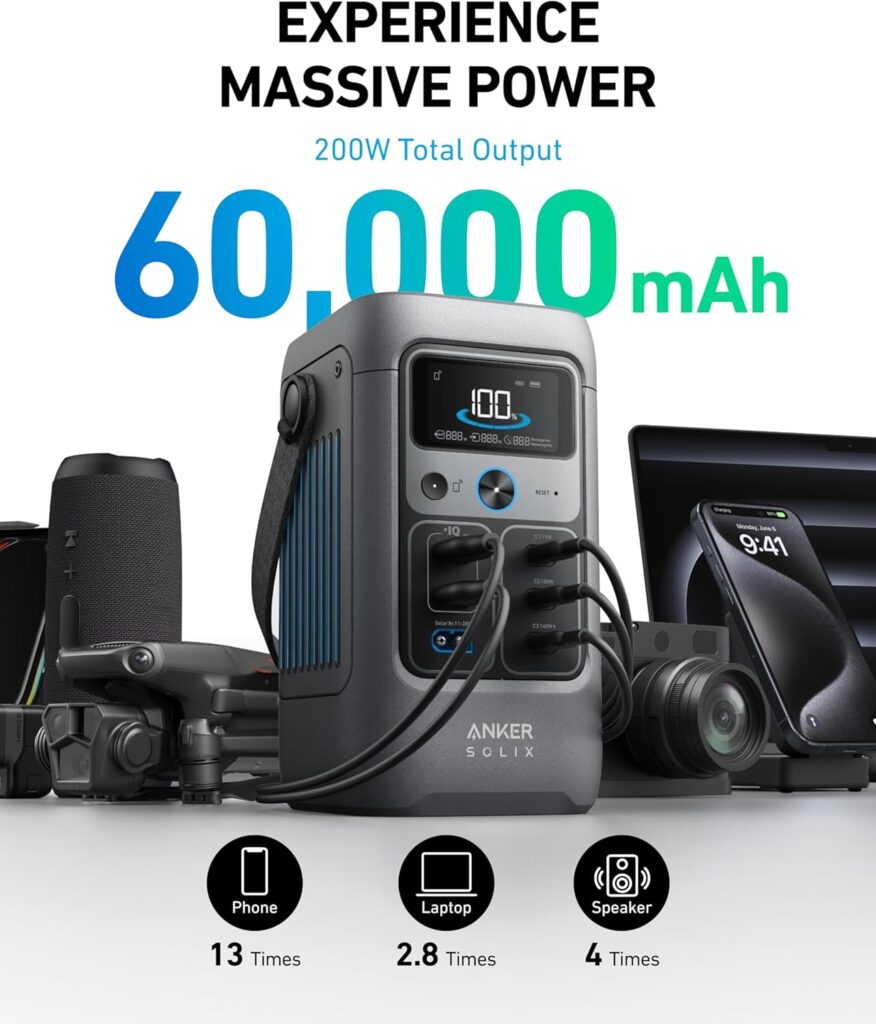
You get a 192Wh battery capable of delivering up to 200W continuous output, which is enough to run most phones, laptops, small fans, cameras, and other USB or DC-powered gear. The power station is clearly optimized for charging multiple devices at once, especially those that can leverage USB-C Power Delivery.
Ports and Power Layout
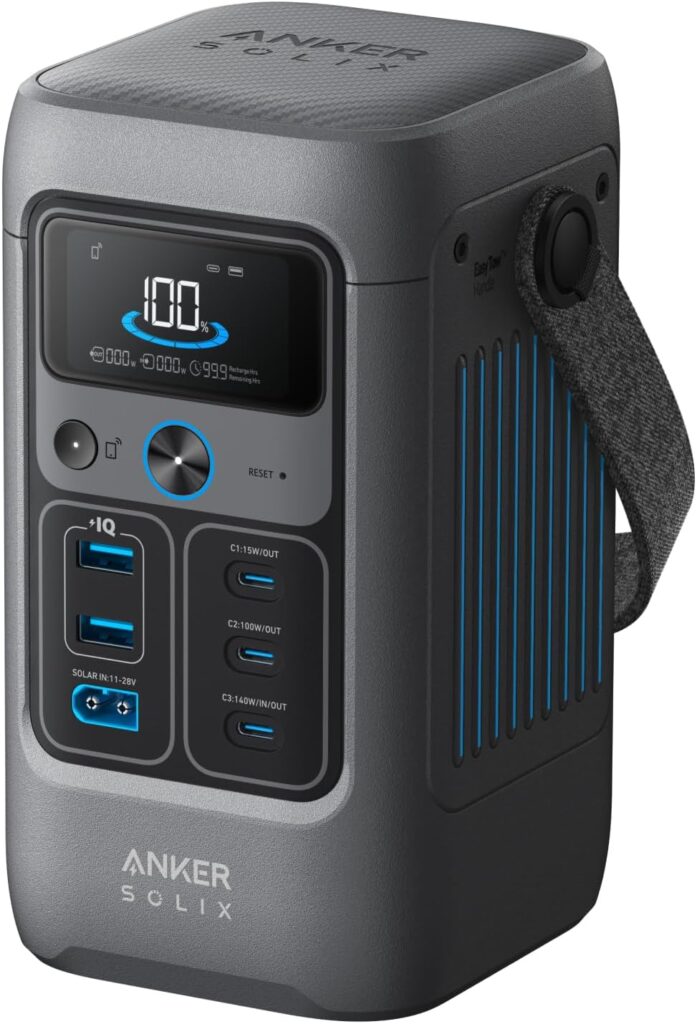
The unit packs a versatile spread of ports: a 140W two-way USB-C, a 100W USB-C, a 15W USB-C, and two 12W USB-A ports. Those port choices let you charge anything from phones and tablets up to power-hungry laptops that accept USB-C PD. The 140W two-way port also supports rapid recharging of the power station itself.
Two-Way USB-C (140W) Explained
The 140W two-way port works both as an input and as an output. That means you can use it to fast-charge your laptop or to quickly recharge the station when you have a compatible 140W PD charger. Anker includes a 60cm 140W USB-C to C cable for this purpose, which will support the fast recharge claims when paired with a suitable power source.
Charging Options & Recharge Times
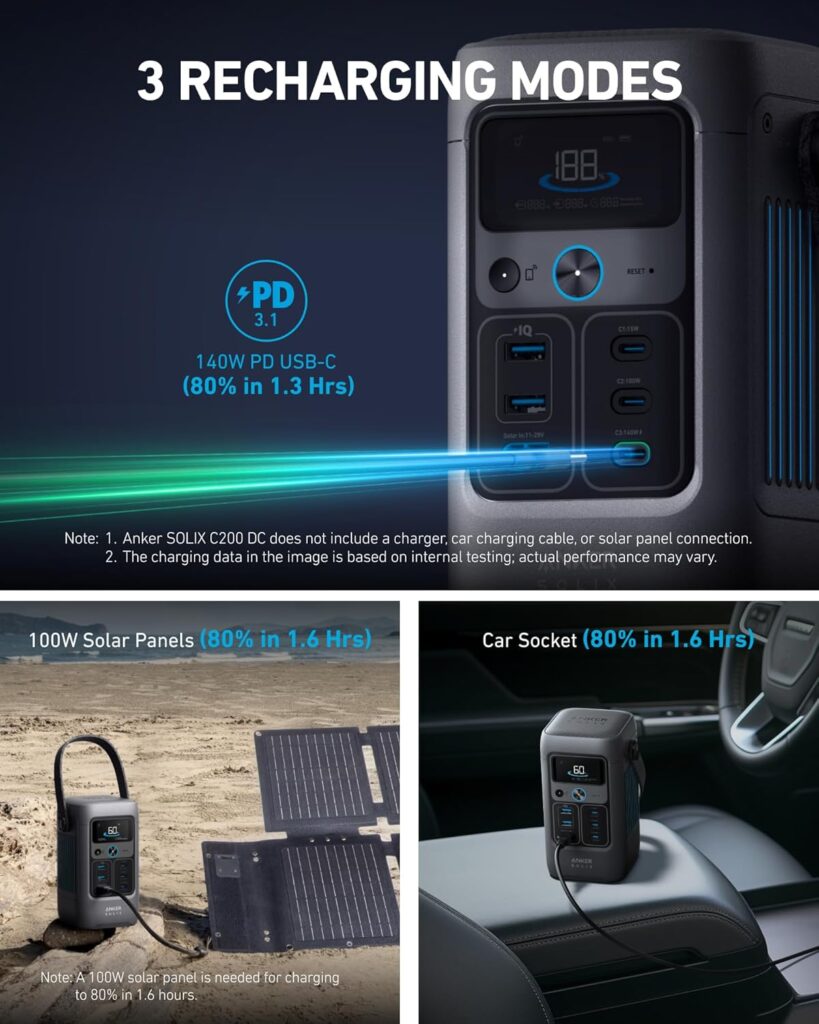
You have three ways to recharge the C200: via the PD USB-C port (fast method), by solar panel input (sustainable option), and by car charging. Anker claims a fast recharge to 80% in about 1.3 hours when using the PD 3.1 USB-C port, which is very convenient if you have a compatible high-wattage charger.
Fast Recharge Using PD 3.1
If you use a PD 3.1 capable charger with the included 140W cable, you can top the battery to around 80% in roughly 1.3 hours. That’s fast for a 192Wh battery, and it’s handy when you need a quick turnaround between trips or before heading out on the road.
Solar Charging and Real-World Expectations
The included solar panel is rated at 60W and connects via the supplied solar-to-XT60 cable. In ideal sun conditions the panel can contribute meaningful recharge power, but real-world solar harvesting varies with panel angle, shading, sunlight intensity, and temperature. Expect longer solar recharge times compared to the fastest PD recharge, and plan accordingly if you rely on solar for full recharges.
Solar Panel: 60W Details
The 60W solar panel included with the kit makes the system viable for extended outdoor stays and off-grid charging if you have enough sunlight. It’s convenient for topping up phones, cameras, and occasionally your laptop during a sunny day at camp.
Solar Panel Compatibility Note
The C200 supports 60W solar input but is not compatible with certain low-voltage USB-C solar panels like the Anker SOLIX PS30 or other 5V~3A USB-C panels, as well as some other models like PS200 and PS400. Make sure to use panels that match the input requirements, and use the included XT-60 cable for the built-in input port to avoid compatibility issues.
Practical Power Examples and Estimated Runtimes
Below is a helpful table showing approximate runtimes for common devices to give you an idea of what 192Wh can do for your gear. These are rough estimates — real runtimes vary with device efficiency, actual battery capacity, and power draw.
| Device | Typical Power Draw | Estimated Runtime from 192Wh |
|---|---|---|
| Smartphone (single charge) | ~15–20Wh | ~9–12 full charges |
| Laptop (moderate use, 45–60W) | ~45–60W | ~3–4 hours of runtime, or ~3 full laptop charges at lower draw |
| DSLR camera (shooting, battery swap) | ~10–20Wh per battery | Multiple battery charges (5–15) depending on camera |
| Tablet (moderate usage) | ~20–30Wh | ~6–9 hours or multiple charges |
| USB fan (low) | ~5–10W | ~19–38 hours |
| LED camping light (10W) | ~10W | ~19 hours |
| Portable fridge (12V, intermittent duty) | Varies widely | Can help for several hours to a day depending on efficiency and duty cycle |
Make sure you factor in conversion losses and realistic device behavior. Since this is a DC/USB-focused unit, you avoid some inverter losses that come with AC conversion, which helps efficiency for USB-powered gear.
Use Cases: Where It Shines
You’ll find this system most useful when you need fast USB charging for multiple devices at once and want a compact, solar-capable power source. It’s a good fit for weekend camping trips, road travel, photography shoots where you need to recharge camera batteries and laptops, and as a power backup for phones and tablets during short power outages.
Camping and Outdoor Trips
For multi-day camping where you mostly need to keep phones, cameras, lights, and possibly a laptop charged, the C200 gives you a solid, lightweight option. The solar panel can add trickle or meaningful charge during the day so you can extend your stay without shore power.
Travel and Van Life
If you travel with electronics — laptops, tablets, phones, and cameras — this power station can keep you topped up between charging opportunities and reduce your dependence on cafes or airport outlets. The compact size helps if you’re packing for a small vehicle or a van.
Emergencies and Backup
In short power outages, you can maintain communication by charging phones, powering a small router, or running lights. It’s not designed to replace a whole-home generator, but it’s a reliable stopgap for essential electronics.
Ports & Connectivity — How You’ll Use Them
The port layout is flexible: you have three USB-C ports (100W, 140W two-way, and 15W) and two USB-A ports at 12W each. That lets you charge several mobile devices simultaneously, and the high-wattage USB-C ports can handle laptops that support USB-C PD charging.
Multitasking Charging
You can, for example, charge a laptop via the 100W port while charging two phones via the USB-A ports and a tablet on the 15W USB-C port. The 140W two-way port allows you to either draw high power or quickly recharge the unit.
No Native AC Output
This product is marketed as a DC power bank station, and details focus on USB-C/USB-A/DC charging. If you need to run common AC appliances (hair dryers, microwaves, some medical devices), this unit may not be suitable unless you use an inverter — and that would introduce additional losses and possible load limitations. Always confirm your device’s power draw and compatibility before attempting to use an inverter.
Safety, Battery Life, and Warranty
Anker equips the C200 with a LiFePO4 battery, which is known for greater thermal stability and longer cycle life compared to some other chemistries. That means the battery should retain usable capacity longer through repeated charge/discharge cycles, which is beneficial if you plan to use this unit regularly.
Warranty and Support
Your purchase is backed by a 3-year warranty, which provides some reassurance if you run into manufacturing defects or early failures. The included safety and warranty card outlines the support process and contact information.
Built-in Safety Features
While specific protection mechanisms aren’t listed in this brief, Anker typically integrates safeguards such as overcharge protection, short-circuit protection, temperature monitoring, and regulated output. These features are important for protecting both your devices and the power station itself.
Setup and Everyday Use Tips
To get the best experience, use the included 140W cable with a PD 3.1 compatible charger for the fastest recharge times. If you plan to use the solar panel regularly, position it for maximum sun exposure and consider a small tilt or stand to keep it perpendicular to the sun for much of the day.
Solar Setup Best Practices
Shade, panel angle, and time of day greatly affect solar performance. Morning and late-afternoon sunlight will produce much less power than midday sun. If you’re relying on solar for significant charging, set expectations for slower recharge and consider splitting recharges across sunny periods.
Caring for the Battery
Store the power station in a cool, dry place and avoid leaving it fully depleted for extended periods. Although LiFePO4 is robust, maintaining moderate storage charge levels helps longevity. Check the safety documentation for any manufacturer storage recommendations.
Compatibility and Limitations
Make sure you check compatibility if you’re adding additional solar panels or accessories. The unit is not compatible with Anker SOLIX PS30 or other USB-C panels that output in the 5V~3A range, as well as PS200 and PS400. Use the recommended input interfaces and the included cables to avoid connection issues.
Power Limitations
The 200W continuous output is adequate for many USB-powered devices and smaller DC loads, but it won’t run high-wattage AC appliances. If you try to draw more than 200W continuously (for example using an inverter and heavy AC devices), you risk overloading the station.
Troubleshooting Common Issues
If the power station isn’t charging as expected, check that you’re using the included cable and a compatible PD charger, or verify that the solar panel is in direct sunlight and connected properly via the XT-60 cable. If a single item arrives before the other, scan the QR code on the package to check delivery status rather than assuming a piece is missing.
If Devices Don’t Charge
Confirm port selection and cable quality: some devices need higher wattage or the correct PD negotiation to charge at full speed. Use the correct port for your device (e.g., use the 100W or 140W port for laptops). Inspect cables for damage and try alternate cables if a connection seems flaky.
Pros & Cons
Here’s a balanced look at the strengths and weaknesses so you can decide whether this system fits your needs.
Pros:
- Compact and travel-friendly size (39% smaller than similar stations).
- Very fast PD recharge option: ~1.3 hours to 80% with PD 3.1.
- Multiple high-power USB-C ports including a 140W two-way port for flexible charging and recharging.
- LiFePO4 battery chemistry for greater stability and longer service life.
- Includes a 60W solar panel and necessary cables for solar charging.
- 3-year warranty for peace of mind.
Cons:
- No native AC outlets mentioned, limiting use with traditional AC appliances.
- Solar recharge is slower than PD recharge and depends on sunlight conditions.
- Strap for carrying is sold separately.
- Some solar panels (PS30, PS200, PS400 and other 5V~3A USB-C panels) are not compatible, so check panel specs before adding extras.
Who Should Buy This
If you rely on USB-powered gear like phones, tablets, cameras, and USB-C laptops and you want a lightweight, fast-charge capable portable battery with solar capability, this unit is a strong fit. It’s ideal for campers, photographers, digital nomads on short trips, and anyone who needs reliable device charging during short power outages. If your primary need is running high-wattage AC appliances, you should consider a larger generator or a power station with built-in AC output.
Final Thoughts
You’ll appreciate the balance of portability, fast recharging, and multiple high-wattage USB-C ports that the Anker SOLIX C200 offers. The LiFePO4 battery chemistry and 3-year warranty add confidence in long-term use, and the included 60W solar panel gives you a sustainable topping option in the field. Just be mindful that this is a DC/USB-focused solution, so it’s tailored for charging electronics and small DC loads rather than powering large AC appliances.
If you want a compact, fast, and solar-capable way to keep your phones, laptops, and other gadgets charged while camping, traveling, or during short outages, the Anker SOLIX C200 setup is worth considering.
Disclosure: As an Amazon Associate, I earn from qualifying purchases.