
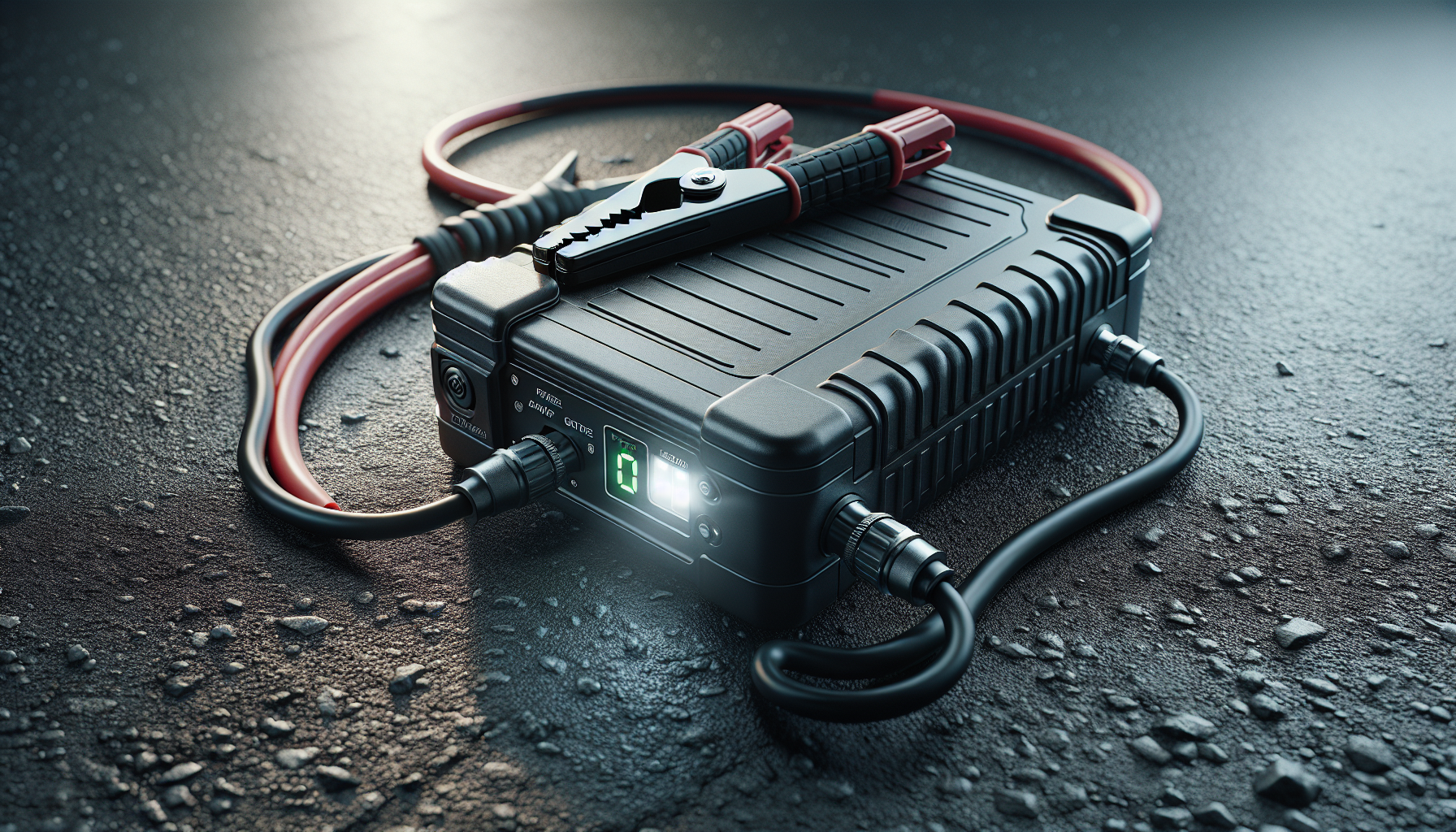
Looking for a compact all-in-one tool that can jump your car, inflate a tire, charge your phone, and light up a dark roadside?

HALO Bolt Air 58830 — Quick Verdict
You get a compact multi-tool designed for emergency roadside help and everyday convenience. If you want a single unit that combines jump-start capability, a 100 PSI air compressor, a 58.8Wh USB power bank, and an LED floodlight, this device aims to be that solution.
What the HALO Bolt Air 58830 Is
You’re looking at a portable car battery jump starter with several integrated extras that make it more than just a power pack. It’s marketed to jump-start full-sized cars and SUVs, inflate tires and inflatables, charge devices via USB, and provide emergency lighting, all while staying small enough to keep in your trunk or take on a plane.
Key Features Overview
You’ll notice the HALO Bolt Air bundles several useful functions into one package. The main highlights are the jump starter capability, a built-in air compressor with four nozzles, an adjustable pressure display for precise inflation, a 58.8Wh USB power bank, and an LED floodlight for nighttime use.
| Feature | Details |
|---|---|
| Jump Starter | Can jump start a full-sized car or SUV (per manufacturer). |
| Air Compressor | Built-in, up to 100 PSI; includes 4 interchangeable nozzles for tires, balls, rafts, and more. |
| Pressure Control | Adjustable pressure setting with a display so you can set the target PSI. |
| Power Bank Capacity | 58.8Wh battery (TSA-approved under 100Wh) for charging phones and small devices. |
| Lighting | Built-in LED floodlight for nighttime emergencies or working in the dark. |
| Portability | TSA-approved lithium battery size; compact design for storage and travel. |
| Color / Model | Black; Model: HALO Bolt Air 58830. |
What’s Included in the Package
You should expect the components that let the unit function straight away when you get it. Typically that means the main HALO Bolt Air unit, jumper cable/clamps, the air hose plus the four interchangeable nozzle adapters, one or more USB charging cables, and a user manual. Check the box contents to confirm everything is present before you head out.
Design and Build Quality
You’ll appreciate that the HALO Bolt Air is built to be portable and easy to handle, with a compact rectangular profile. The black finish and integrated handles or grooves help with grip, and the overall build feels designed for practical, occasional tough use rather than heavy industrial abuse.
Portability and Size
You can easily stash this unit in your trunk, under a seat, or in a carry bag for road trips. Because it keeps the battery size under the 100Wh limit, you’re allowed to take it on most flights in carry-on luggage, but you should always verify specific airline rules before travel.
Controls and Display
You’ll find a small display and a few buttons to set the air pressure and to check battery level. The display makes inflation less guesswork and gives you visible confirmation of the PSI while you’re pumping air.
How the Jump Starter Works
You’ll use the included jumper clamps to connect the unit to the vehicle’s battery, following the polarity markings. Once connected, you’ll power on the unit and attempt to start the vehicle; the HALO Bolt Air is designed to deliver a burst of current sufficient to crank many full-sized cars and SUVs, according to the manufacturer.
Safety Features and Precautions
You should always check polarity and follow the user manual for safe operation. The unit is designed with user safety in mind; still, you must avoid connecting clamps to a damaged battery or corroded terminals and keep sparks and metal objects away while connecting. If you’re unsure, call roadside assistance.
Using the Air Compressor
You’ll attach the appropriate nozzle to the included hose, connect the hose to the tire valve stem, then use the display to set your desired pressure. The compressor supports up to 100 PSI, and the adjustable pressure setting helps you stop at the correct PSI for car tires, bike tires, or inflatables.
Interchangeable Nozzles and Uses
You’ll find four nozzle types for different tasks: a standard tire nozzle, a needle for sports balls, a broader nozzle for inflatables and rafts, and an adapter for other uses. That range means you can inflate more than just car tires—think air mattresses, kids’ pool toys, and sports equipment.
Power Bank and Charging
You’ll use the USB ports on the HALO Bolt Air to recharge phones, tablets, and small USB devices. With 58.8Wh of energy, the unit supplies a meaningful amount of backup power without exceeding common airline battery limits.
How Many Phone Charges?
You can think of 58.8Wh as roughly equivalent to about 11–12Ah at 5V output (accounting for conversion losses). That typically translates to around 1–3 full charges for most modern smartphones, depending on your phone’s battery size and the efficiency of the charger. For power-hungry tablets or multiple devices, plan on less total recharging capacity.
LED Floodlight
You’ll find the LED floodlight handy for nighttime roadside repairs or finding tools in a dark trunk. The light is meant to provide broad illumination rather than a concentrated spotlight, making it easier to see around the vehicle while you work.
Lighting Modes and Practical Use
You’ll typically have a simple on/off or multiple-mode light (steady, flashing, SOS) so it can double as an emergency signal. The floodlight gives you hands-free illumination while you hook up the clamps or wait for help, improving safety and ease of use after dark.
Real-World Performance: Jump Starting
You’ll likely find the HALO Bolt Air effective at starting many vehicles in everyday situations. For normal battery drains—lights left on, short starting failure, or moderate cold—you should see the unit perform as intended. Very old batteries, severely corroded terminals, or extremely cold conditions can reduce its ability to start a vehicle, so keep expectations realistic.
Tips to Maximize Success
You’ll get the best results by making sure the unit is fully charged beforehand, removing any heavy electrical load (lights, radio, AC), and connecting the clamps to clean, solid battery terminals. Let the device sit connected for a minute before attempting to start if the battery is partially drained.
Real-World Performance: Tire Inflation
You’ll appreciate the ability to top up a car tire or inflate a spare without running to a gas station compressor. Inflation speed depends on the starting pressure, tire size, and the compressor’s power; expect a small to medium car tire to take a few minutes to move from a flat-ish level back to safe driving pressure.
Example Inflation Times
You’ll see faster inflations on smaller tires and slower on large truck tires or if you’re inflating something large like an air mattress. For a typical passenger car tire, adding 10–15 PSI might take several minutes; for larger tires, allow significantly more time and consider stopping and letting the compressor cool if it becomes warm.
TSA Approval and Travel Use
You’ll be glad the 58.8Wh battery is under the 100Wh threshold that most airlines permit in carry-on baggage. That means you can take it on many flights without special arrangements, but you should confirm with your airline’s policies and declare it if required.
Practical Travel Tip
You’ll want to carry it in your carry-on, not checked luggage, because airlines generally require lithium batteries to be with the passenger. Keep it charged before travel and store jumper clamps safely to avoid damage to other items.
Pros
You’ll find several advantages to the HALO Bolt Air that can justify carrying it in your vehicle. It combines four practical functions—jump starting, inflating, charging, and lighting—into a single portable package, making it convenient for emergencies and road trips.
- Compact multi-functionality saves space and reduces the number of separate tools you carry.
- The adjustable pressure display makes inflation more accurate than using a basic handheld pump.
- TSA-approved battery size lets you bring the unit on flights in most cases.
You’ll especially value the convenience when you need more than one function at once, like inflating a tire while using the light.
Cons
You’ll notice some trade-offs when comparing an all-in-one device to dedicated tools. Because it packs multiple functions into a small unit, it won’t match the raw power or sustained runtime of larger, single-purpose compressors or heavy-duty jump boxes used by mechanics.
- The 58.8Wh capacity limits the number of device charges you can get between recharges.
- For heavy-duty truck batteries or very large tires, a dedicated commercial compressor or a high-capacity jump starter might be necessary.
- Continuous heavy use of the compressor may require breaks to avoid overheating.
You’ll want to use it as a convenience and emergency tool rather than a heavy-duty replacement.
Who This Product Is Right For
You’ll find the HALO Bolt Air ideal if you drive daily and want a compact safety solution for common roadside issues. It’s great for commuters, weekend travelers, families with kids, and anyone who wants to be prepared for a dead battery or a low tire without carrying several different devices.
When You Might Want Something Else
You’ll want to choose a higher-capacity jump starter or a dedicated high-CFM compressor if you frequently work with commercial vehicles, tow heavy loads, or need to inflate large truck tires on a regular basis.
How to Use the HALO Bolt Air — Step-by-Step
You’ll get better results by following steps carefully and ensuring safety at each stage. Here’s a clear procedure to use both the jump starter and the compressor correctly.
Step 1 — Prepare the Vehicle and Unit
You should turn off the vehicle and any accessories before hooking up the unit. Make sure the HALO Bolt Air is fully charged and that you have clear access to the battery or the tire valve.
Step 2 — Connect the Jumper Clamps
You should attach the clamps to the correct battery terminals, matching positive to positive and negative to negative. Ensure the clamps are firmly connected and not touching each other or other metal parts.
Step 3 — Start the Vehicle
You should attempt to start the vehicle once the clamps are securely connected and the unit is powered on. If the engine doesn’t crank, wait a minute and try again; multiple quick attempts may drain the unit or stress the battery.
Step 4 — Disconnect Safely
You should remove the clamps in reverse order after the car has started and is idling, starting with the negative clamp and then the positive. Keep the vehicle running for a while to let the alternator recharge the battery.
Step 5 — Set the Target Pressure
You should attach the air hose, select the proper nozzle, and set the desired pressure on the display before inflating. Confirm the correct PSI recommended in your vehicle’s door jamb or owner’s manual.
Step 6 — Inflate and Monitor
You should watch the display while inflating and stop when you reach the target pressure. If the compressor gets hot or the unit gives any warnings, pause and allow it to cool before continuing.
Maintenance and Storage Tips
You’ll protect the unit and extend its lifespan with simple upkeep. Keep the terminals and clamps clean and dry, store the unit in a cool place away from direct sunlight, and recharge it every few months so the battery stays healthy.
Battery and Long-Term Storage
You should avoid leaving the HALO Bolt Air fully discharged for long periods. Charge it at least every three months if you’re not using it regularly to maintain battery health and ensure it’s ready when you need it.
Safety and Precautions
You’ll prioritize safety when handling a lithium battery and jump-starting a vehicle. Always follow the user manual’s instructions, wear protective gloves and eye protection if possible, and avoid contact with battery acid or damaged cells.
Electrical and Mechanical Safety
You should never connect clamps to incorrect terminals or attempt to jump-start a battery that’s cracked, leaking, or visibly damaged. If the vehicle shows signs of electrical issues beyond a dead battery, call a professional.
Comparison: HALO Bolt Air vs Dedicated Devices
You’ll weigh portability and convenience against raw performance when choosing between the HALO Bolt Air and single-purpose tools. Dedicated compressors generally give faster, continuous inflation for large tires, and high-capacity jump starters deliver more cranking amps for heavy-duty vehicles.
When to Choose the HALO Bolt Air
You should choose the HALO Bolt Air if you want a travel-friendly, TSA-approved all-in-one that handles most everyday scenarios. It’s perfect for personal vehicles and family road trips.
When to Choose Dedicated Equipment
You should prefer a dedicated, high-CFM compressor or a heavy-duty jump starter if you regularly service large trucks, operate in extreme cold often, or need extended inflation or cranking performance under heavy loads.
Frequently Asked Questions (FAQ)
You’ll probably have practical questions; here are answers to the ones people ask most often about units like this.
Is the HALO Bolt Air safe to bring on an airplane?
You should be able to bring it in carry-on luggage because 58.8Wh is below the 100Wh limit most airlines allow. Still, you should always review your airline’s battery policy before travel.
How many times can it jump start a car on a single charge?
You should expect multiple jump starts if the engine is only lightly drained, but exact numbers vary based on engine size, battery condition, and temperature. Manufacturer claims indicate it can jump a full-sized car or SUV, but real-world results depend on conditions and how charged the HALO Bolt Air is to begin with.
Can I inflate large truck tires with this unit?
You should be cautious about using it for very large truck tires; the compressor is best suited for standard passenger vehicles, light trucks, and recreational inflatables. For commercial-scale truck tires, a dedicated heavy-duty compressor is a better fit.
Does the HALO Bolt Air have protections like reverse polarity?
You should consult the manual for full safety feature details, but modern portable jump starters typically include protections such as reverse polarity alerts and short-circuit protection. Always verify and test in a safe environment if you’re unsure.

Real-Life Use Cases
You’ll find the HALO Bolt Air useful in multiple everyday scenarios where convenience matters most. Use it to jump-start a car after you accidentally drain the battery, inflate a spare tire to get to a service station, top up sports equipment or inflatables on a family outing, or charge your phone during a long trip.
Road Trips and Outdoor Activities
You should take it along for camping, beach days, and road trips where inflatables and devices are part of the gear list. It helps reduce anxiety about small emergencies and gives you a compact safety net.
Final Recommendation
You’ll likely appreciate the HALO Bolt Air 58830 if you want a single compact tool that covers common roadside emergencies and travel needs. It balances functionality—jump starting, inflating, charging, lighting—with portability and is a solid choice for drivers who want preparedness without hauling multiple devices.
Bottom Line
You should consider this unit if you value an all-in-one solution that’s easy to carry and TSA-friendly. For most drivers, it offers practical reassurance and hands-on utility; for specialized heavy-duty or commercial needs, you may prefer a more powerful standalone device.
If you want, I can help summarize the key specs into a short checklist you can use when shopping or compare this HALO model to another specific jump starter or compressor. Which product would you like to compare it with?
Disclosure: As an Amazon Associate, I earn from qualifying purchases.