
Looking for a portable power station that charges nearly as fast as filling a gas tank and still gives you reliable long-term battery life?

Anker SOLIX C1000 Gen 2 — Quick Verdict
You’ll find this model aims to blend fast recharging, real-world power output, and LiFePO4 longevity into a compact package. In practical terms, that means you get a 1,024Wh battery with 2,000W continuous output (3,000W peak) and a recharging option that can top the unit in about 49 minutes if you enable HyperFlash in the Anker app.
Who this is for
If you need dependable backup power for outages, an off-grid weekend with lots of devices, or a reliable UPS for sensitive gear, this unit is targeted at you. It’s also attractive if you value long cycle life and want something lighter and smaller than many competing models.

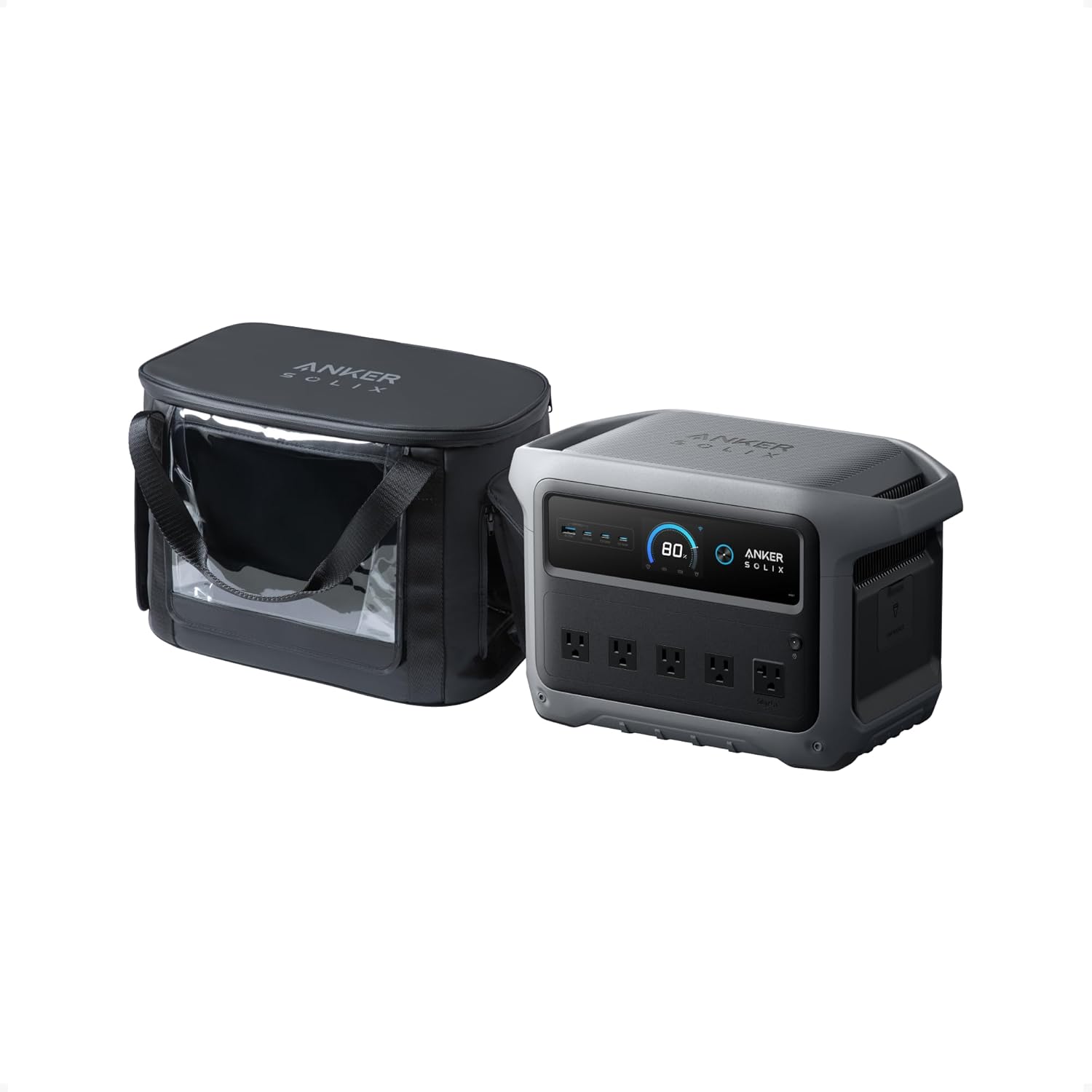
Anker SOLIX C1000 Gen 2 Portable Power Station, 2,000W (Peak 3,000W) Solar Generator, Full Charge in 49 Min, 1,024Wh LiFePO4 Battery for Home Backup, Power Outages, and Camping (Optional Solar Panel)
Key Specifications at a Glance
You’ll want the headline numbers handy when deciding if this unit fits your needs. Below is a compact breakdown of the most relevant specs so you can compare quickly.
| Specification | Detail |
|---|---|
| Model | Anker SOLIX C1000 Gen 2 |
| Battery Chemistry | LiFePO4 |
| Capacity | 1,024Wh |
| Continuous Output | 2,000W |
| Peak Output | 3,000W |
| UltraFast Recharging | 49 minutes at up to 1,600W (HyperFlash, enable in app) |
| Solar Input | Up to 600W (60V max) — full recharge ~1.8 hours with ideal panels |
| UPS Switch Time | <10 ms< />d> |
| Ports | 10 total (AC, DC, USB, USB-C) |
| Weight/Size | 14% smaller and 11% lighter than similar models (manufacturer claim) |
| Cycle Life | ≥4,000 cycles to 80% capacity (InfiniPower, 10-year lifespan claim) |
| Included | Power station, AC cable, car cable, quick start guide, safety/warranty card |
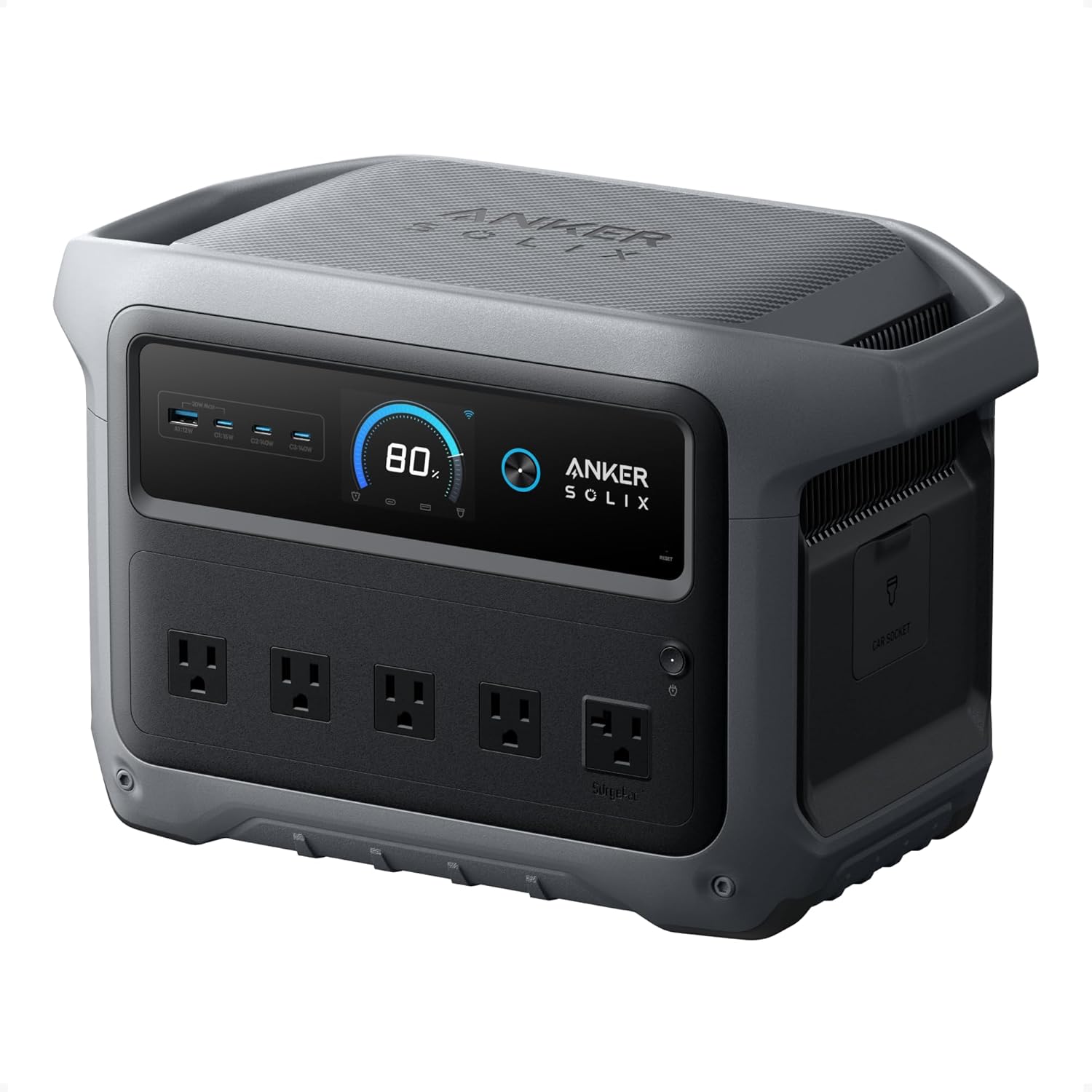

Design and Build
You’ll notice the SOLIX C1000 Gen 2 keeps a practical, no-nonsense design that prioritizes function. The handle, footprint, and button layout are made so you can move it between rooms, take it to your RV, or carry it to a campsite with minimal fuss.
Port layout and accessibility
The 10 ports are arranged so you can run several devices without bulky adapters blocking neighboring sockets. You’ll find a mix of AC outlets, DC outputs, USB-A, and at least one high‑power USB-C port to charge modern laptops and devices directly.
Durability and materials
Anker used sturdy plastics and reinforced edges so the unit handles normal travel and occasional knocks. You should still treat it like any electronic: avoid heavy impacts and protect it from rain unless you’re using it under covered conditions.
Battery and Lifespan
You’ll get the longevity benefits of LiFePO4 chemistry that’s widely preferred for deep-cycle and long-life applications. With the InfiniPower claim, Anker promises that after 4,000 cycles the battery retains at least 80% capacity, which is excellent for frequent use.
Real-world longevity expectations
If you cycle the battery daily, 4,000 cycles translates into many years of use — Anker’s marketing notes a 10-year lifespan under typical backup daily use. For occasional use, you can expect it to hold useful capacity for far longer.
Safety and thermal management
LiFePO4 is thermally stable and less prone to thermal runaway than many other chemistries. You’ll still benefit from the integrated battery management system (BMS) that monitors temperature, voltage, and current to keep the pack healthy and safe.
Charging Performance and Options
Anker emphasized fast recharging with HyperFlash technology that lets you recharge rapidly via AC input up to 1,600W when enabled through the app. That’s a feature designed for people who need to minimize downtime between uses.
UltraFast AC recharging (49 minutes)
If you enable HyperFlash in the Anker app and supply the required AC power (up to 1,600W), you can expect a full charge in around 49 minutes. You’ll appreciate this after long outages or between busy travel days, because it gets the battery back to full quickly.
Solar input and off-grid recharging
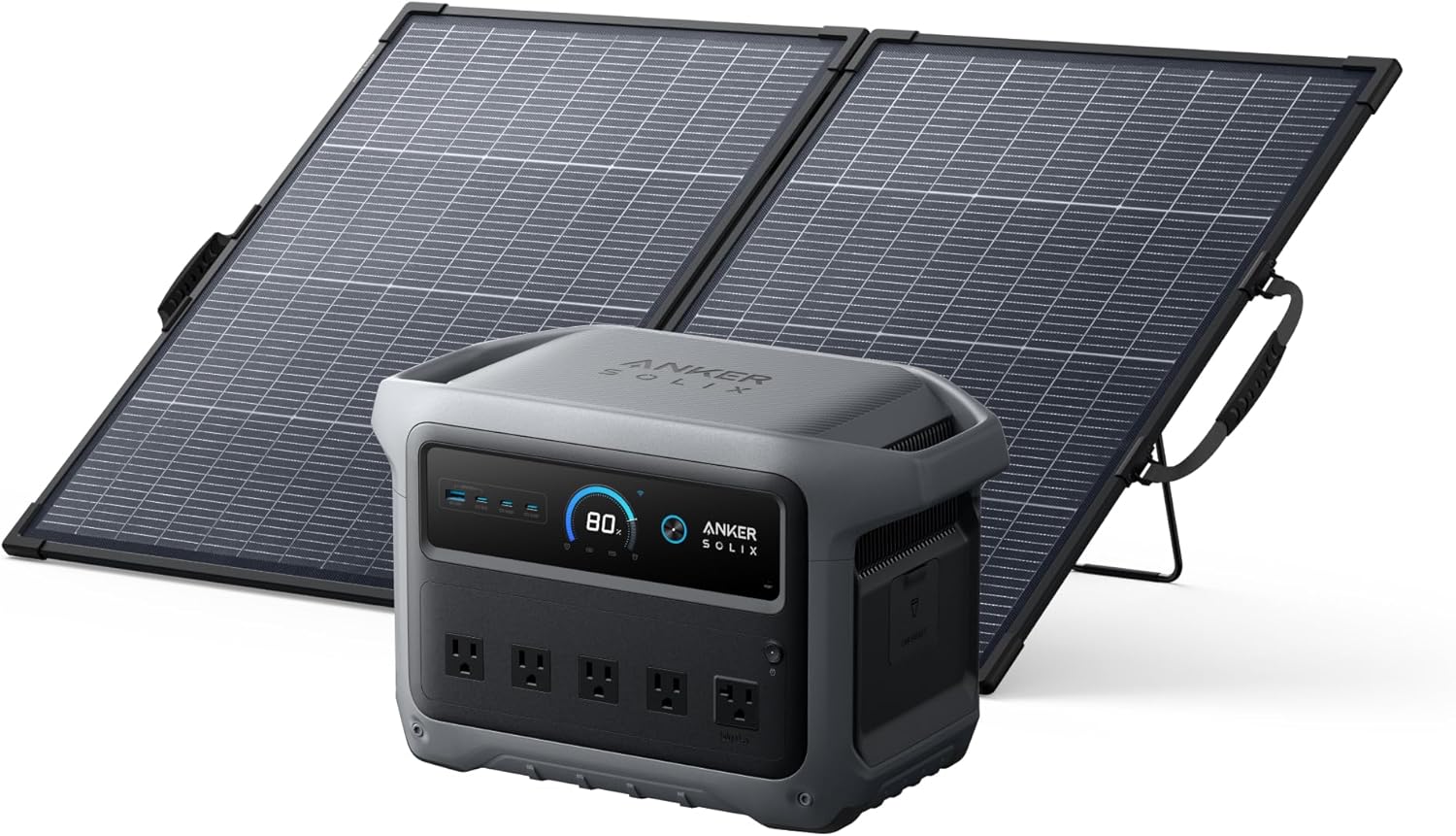
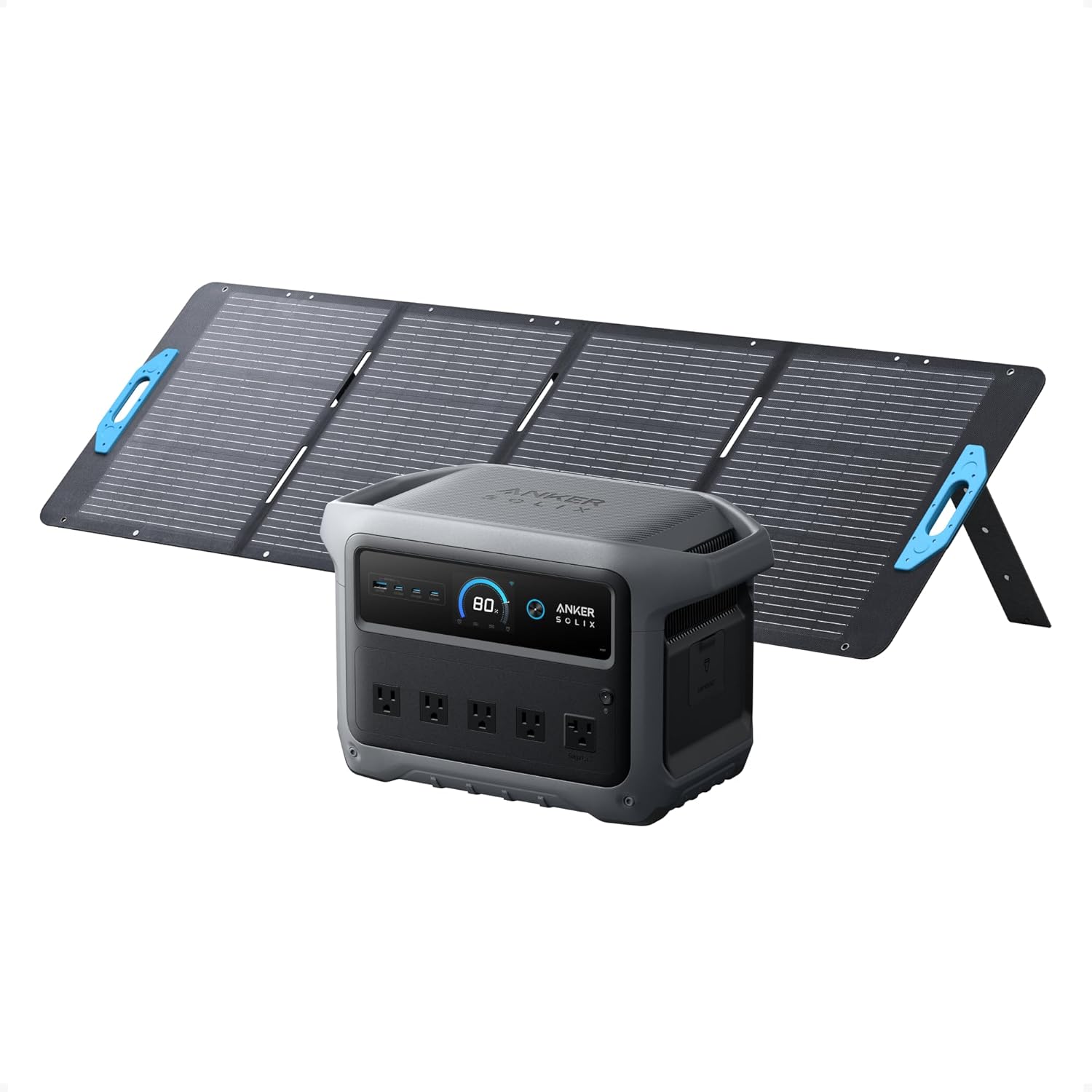
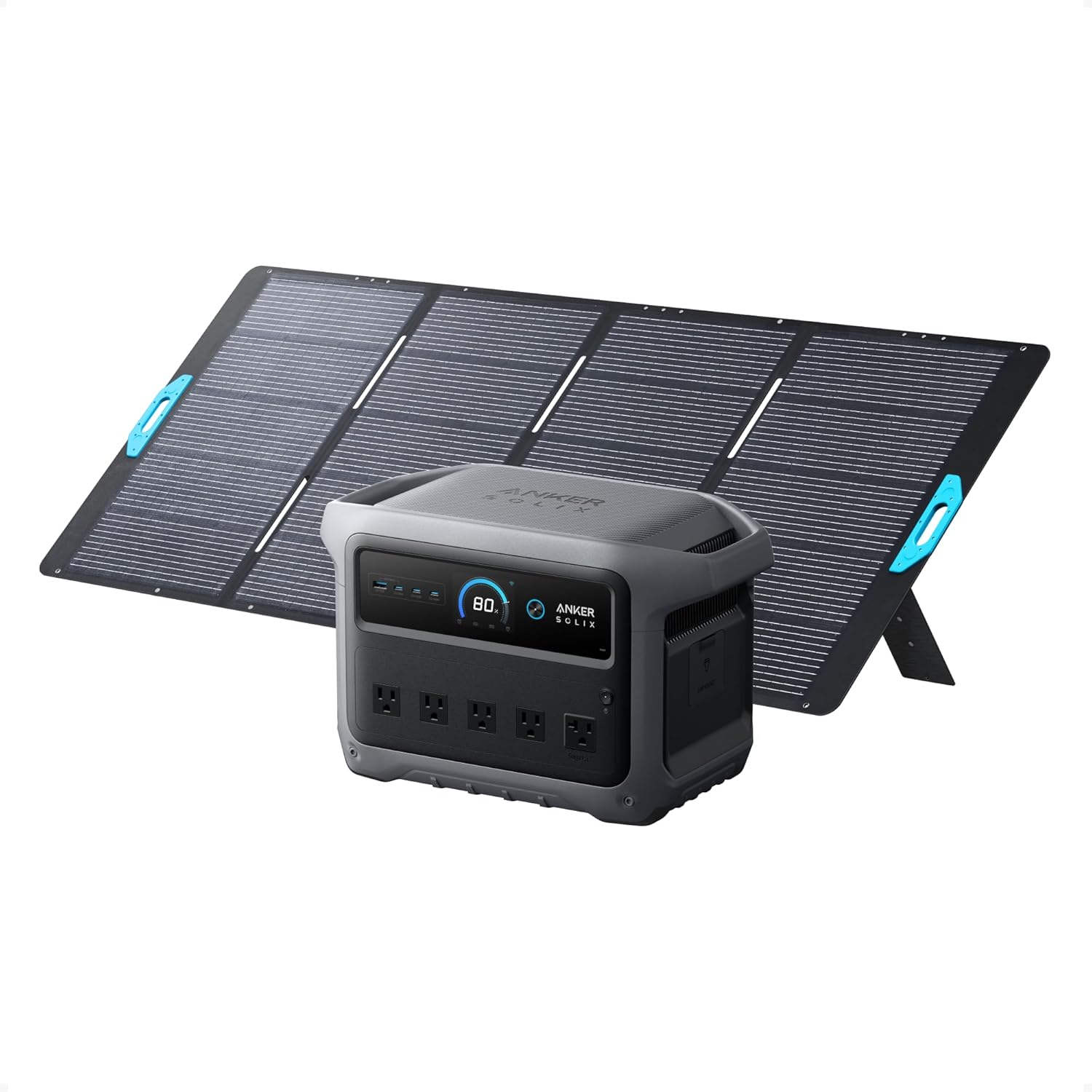
You can plug up to 600W of solar (60V max) into the unit, which Anker says recharges the pack in about 1.8 hours under ideal conditions. You’ll need matching solar panels and good sun exposure to hit that time, but the capability makes this a serious option for off-grid use.
Car and slow charging
The included car charging cable lets you top off while driving, though it’s slower than AC or good solar. You can also use standard AC charging at conventional rates if you prefer less intense charging sessions that may produce less heat.
Power Output and Device Support
You’ll be able to run a wide variety of devices thanks to the 2,000W continuous output and 3,000W peak capability. That opens up many use cases from household essentials to power-hungry tools for short durations.
What you can realistically run
You can run multiple smartphones, tablets, laptops, lighting, routers, and small appliances at once. You’ll also be able to power refrigerators, CPAP machines, and many power tools within the continuous 2,000W limit. For short bursts like starting motors or compressors, the 3,000W peak helps.
UPS mode for critical gear
If you rely on a CPAP machine, network gear, or a desktop workstation, the <10 ms ups switchover means you get near-seamless backup during outages. you’ll likely notice no interruption for most electronics that can handle a short time.< />>
Practical Runtime Examples
To help you plan, here are estimated runtimes for common devices at typical power draws. These are approximations to help you understand practical performance.
| Device | Typical Power Draw | Estimated Runtime (from 1,024Wh) |
|---|---|---|
| Smartphone (charging) | 10W | ~100+ charges |
| Laptop (USB-C) | 60W | ~12–15 hours |
| LED TV (40″) | 60–100W | ~10–15 hours |
| Mini fridge | 40–70W (continuous) | ~15–25 hours |
| Full-size fridge | 150–200W (continuous) | ~4–6 hours |
| CPAP (average) | 30–60W | ~10–30 hours |
| Electric grill / induction cooktop | 1,200W | ~45–60 minutes |
Note: Actual runtimes vary with efficiency, inverter losses, and the power profile (startup vs continuous) of your devices. You’ll also want to factor in the state of charge you choose to use and any age-related capacity reduction.
Portability and Size
You’ll appreciate that Anker claims the C1000 Gen 2 is 14% smaller and 11% lighter than similar models in its class. That makes it easier for you to move between the home, vehicle, or campsite.
Handling and transport
The integrated handle and compact footprint make it simpler to carry for short distances. If you plan extended outdoor use, you’ll find it manageable for loading into an RV or trunk, but not something you’d want to carry long distances on foot.
Storage considerations
You’ll want to store it in a dry place away from extreme temperatures. If you’re storing it long-term, keeping it at a roughly 40–60% charge and checking it periodically will help preserve battery health.
App and Smart Features
You’ll get the Anker app for enabling HyperFlash, switching TOU (time-of-use) modes, and monitoring the battery. The app adds useful remote control features that make the unit more flexible for modern power management.
TOU mode for intelligent usage
TOU mode is designed to help you avoid peak electricity rates by scheduling when the power station charges or discharges. You’ll be able to set time windows and thresholds so the unit works within your cost-saving strategy or to optimize battery cycling.
Monitoring and control
Within the app, you can see state-of-charge, input/output values, and enable or disable fast charging options. You’ll find the app useful if you want to check status remotely or tweak settings when the unit is in a hard-to-access location.
Safety Features and Protections
Anker includes standard protections such as overcurrent, overvoltage, short-circuit, and thermal protections. You’ll feel safer running sensitive electronics because these protections aim to shut down or limit output if something goes wrong.
BMS and LiFePO4 safety
The battery management system constantly monitors cell status and temperature to prevent unsafe conditions. Since LiFePO4 is inherently more stable than other lithium chemistries, you get an additional layer of passive safety.
Certifications and regulatory compliance
You’ll want to check the manual and product labeling for local certifications relevant to your region (UL, CE, etc.). These certifications indicate the product has passed certain safety and performance tests.
Real-world Use Cases
You’ll find many practical scenarios where this unit shines—home backup, remote work setups, camping, RV life, and small off-grid cabins are all realistic uses.
Home backup and outages
During short- to medium-length outages, you can run essential appliances and electronics to keep your household functional. You’ll appreciate the UPS function for devices that require instant power continuity.
RVs, vans, and camping
The combination of high power output and solar recharge options makes this unit suitable for RV and van setups. You’ll be able to run your fridge, charge devices, and occasionally use higher-draw appliances if needed.
Remote work and tiny home setups
If you’re using the unit to run a remote workstation, the USB-C and AC outputs let you power laptops, monitors, networking equipment, and lights for a full day in many cases. You’ll find TOU and app controls helpful for managing energy use and costs.
Setup and First Use
You’ll find getting started fairly straightforward: unpack, charge via AC or solar depending on your setup, register the device in the app if you want HyperFlash and TOU features, and connect your devices.
Enabling HyperFlash in the app
To access the 1,600W HyperFlash recharging, you must enable it in the Anker app. You’ll want to ensure your AC source can handle high input power and monitor the first few fast charges to understand how your environment affects charging speed.
Solar pairing basics
When connecting solar panels, ensure they’re within the 60V maximum and wired appropriately for the input. You’ll want panels rated to provide up to 600W together for the fastest recharge, and sunlight conditions will govern actual performance.
Maintenance and Care
You’ll extend the life of the unit by following a few simple practices: avoid extreme temperatures, keep it dry, store at partial charge if not in use, and update firmware via the app when updates are available.
Charging habits
Occasional full charges and discharges are okay, but for long-term storage you’ll keep it at about 40–60% and check it every few months. You’ll also want to avoid leaving it in very hot cars or unattended during long charging cycles in direct sun.
Firmware and app updates
When Anker releases firmware updates, you’ll want to install them to improve performance and security. The app will usually notify you, and updates may add features or optimize charging profiles.
Comparisons to Alternatives
You’ll likely be comparing the SOLIX C1000 Gen 2 to competing brands that offer different trade-offs in capacity, weight, recharge speed, and price. Anker often focuses on battery chemistry and cycling longevity as a selling point.
Versus similar-capacity models
Compared to some models that use NMC chemistry, you’ll benefit from longer cycle life with LiFePO4. You might trade some energy density for longevity and safety, but the practical advantage is years of stable use.
Versus higher-capacity or hybrid systems
If you need more raw capacity for extended off-grid living, you’ll consider larger stations or stacking solutions. The SOLIX’s strength is the balance of fast recharge, high continuous output, and long battery life rather than maximum watt-hours per dollar.
Pros and Cons
You’ll want a clear list of strengths and limitations to help with your purchase decision. The most notable positives are fast charging and long cycle life; limitations include weight relative to small portable chargers and a price point that reflects its advanced features.
Pros
- Extremely fast AC recharge when HyperFlash is enabled (49 minutes).
- LiFePO4 chemistry with long cycle life (≥4,000 cycles to 80%).
- High continuous and peak outputs (2,000W / 3,000W).
- Solar-capable with up to 600W input for quick off-grid recharges.
- UPS support with <10 ms switchover for critical devices.< />i>
- App control for HyperFlash and TOU scheduling.
Cons
- Full performance requires enabling app-controlled features and adequate power sources.
- Heavier than small “suitcase” power banks; still portable but not ultralight.
- Optimal solar recharge time assumes ideal conditions and matching panels.
- Pricing may be higher than basic units with lower cycle life or slower charging.
Warranty and Support
You’ll receive a safety and warranty card in the box, and Anker typically offers competitive customer support. Warranty terms can vary by region, so check local documentation and Anker’s support portal for details.
What to expect from support
If you run into issues, you’ll be able to contact Anker support via the app or their website and access troubleshooting guides. Keep your purchase information and serial number handy for warranty claims.
Price Considerations and Value
You’ll pay more than entry-level power stations, but you’re paying for faster recharge, higher continuous power, and longer battery life. If you regularly use a power station or depend on it for emergencies, the investment tends to make sense.
Long-term cost of ownership
With the promised 4,000 cycles to 80% capacity, you’ll spread the initial cost across many years of use, which improves value relative to cheaper models that may require replacement sooner.
Final Recommendation
If you want a durable, high-output power station that recharges quickly and will last through many cycles, this unit is a strong candidate. You’ll benefit most if you plan to use it frequently, need UPS capability, or want the option to recharge from solar quickly.
Who should pick this
Choose this model if you rely on backup power for medical or work equipment, frequently camp with multiple devices, or run a small off-grid setup and want fast recharging and long battery life. You’ll appreciate its balance of speed, power, and longevity.
Frequently Asked Questions (FAQs)
You’ll probably have a few lingering questions, so here are clear answers to common concerns.
How does HyperFlash work and is it safe?
HyperFlash allows the unit to accept very high AC input (up to 1,600W) when enabled through the app. You’ll want to ensure your AC source is capable and monitor the first few cycles, but the BMS and thermal protections are designed to keep the battery safe during fast charging.
Can I leave the unit plugged into solar all day?
Yes, you can leave it connected to solar; the unit will manage input and stop charging when full. You’ll just want to ensure panels are correctly rated and protected from extreme heat or shading that causes inconsistent input.
What happens if I use a lot of power at once?
The inverter can deliver 2,000W continuously and handle short peaks up to 3,000W. You’ll need to ensure total device demand doesn’t exceed these limits for sustained periods, otherwise the unit may throttle or shut down to protect itself.
Is the 10 ms UPS fast enough for all devices?
A <10 ms switchover is sufficient for most consumer electronics and cpap machines; some highly sensitive industrial gear may need an online ups. you’ll likely see no interruption home office setups.< />>
Does the package include solar panels?
No solar panels are optional and not included in the box. You’ll receive the power station, AC charging cable, car charging cable, quick start guide, and safety/warranty card. If you plan to use solar, you’ll need to buy panels separately with the correct voltage and connectors.
If you want, you can tell me how you plan to use the power station (home backup, RV, camping, remote work, etc.), and I’ll give tailored advice on which accessories you should buy, what panel setup to pair, and how to optimize charging and runtime for your needs.

Disclosure: As an Amazon Associate, I earn from qualifying purchases.