
Have you ever wanted a quick, portable way to turn a Makita 18V battery into an emergency car starter and a small power hub?
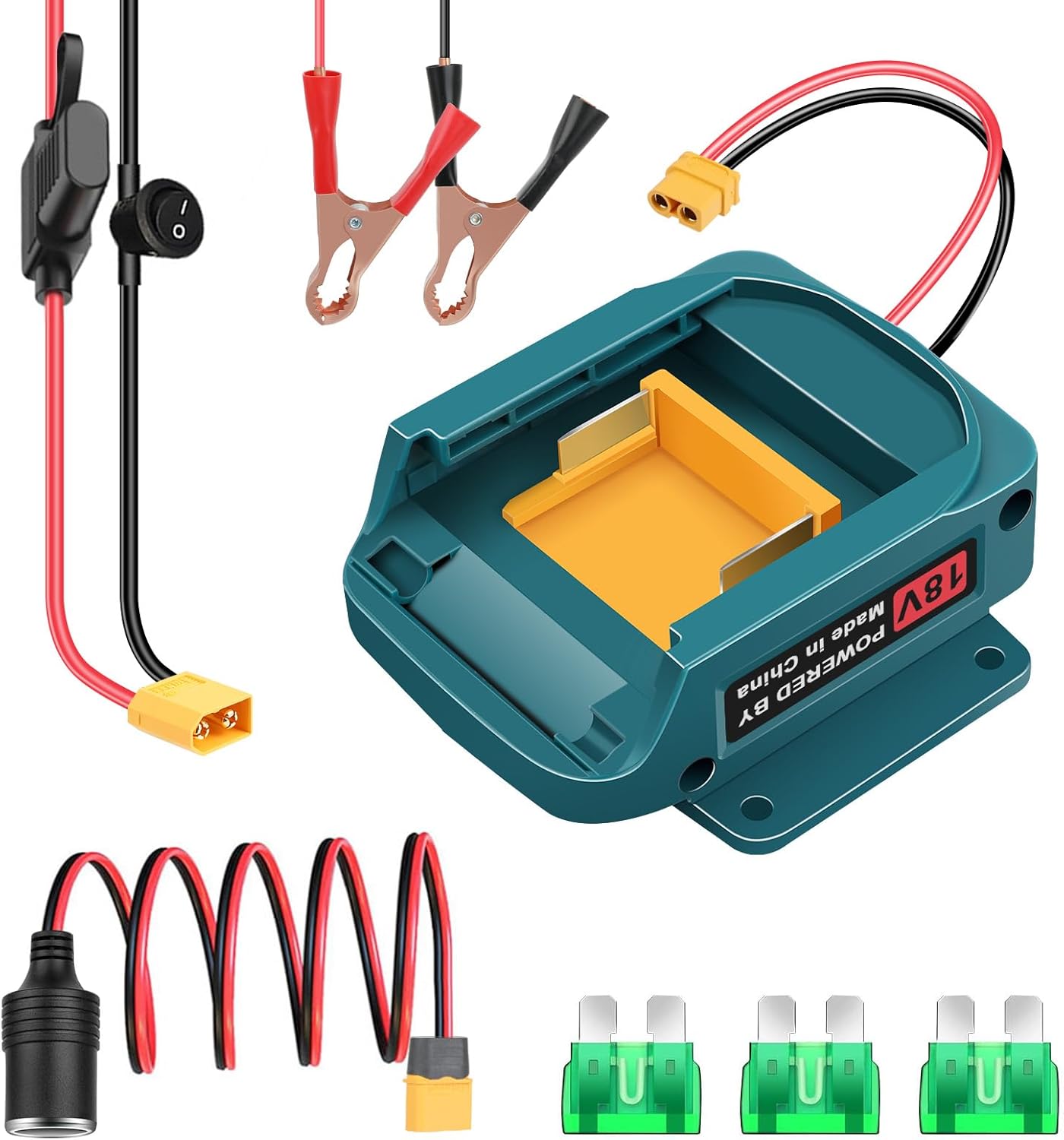

Product overview: Jump Starter Adapter for Makita 18V Battery, 2FT Portable Car Charger Jump Starter with Jumper Cable Clamps, 3 Fuses, 12V Car Lighter(Battery Not Included)
This adapter converts a compatible Makita 18V lithium-ion battery into a 12V output solution that can help start vehicles and power small 12V accessories. It’s compact, relatively straightforward to use, and aimed at people who already own Makita batteries and want a light, portable option for roadside emergencies or outdoor power needs.
What this product is and what it isn’t
This device is an adapter and voltage converter that directly outputs battery power and voltage; it is not a battery charger. If you need to recharge your Makita battery, you still need your Makita charger. The adapter simply taps a charged Makita battery and routes power through jumper clamps and a 12V lighter socket.

Jump Starter Adapter for Makita 18V Battery, 2FT Portable Car Charger Jump Starter with Jumper Cable Clamps, 3 Fuses, 12V Car Lighter(Battery Not Included)
Compatibility
You’ll want to confirm your battery model before buying or using this adapter. It’s designed to work specifically with Makita 18V lithium-ion batteries such as BL1830, BL1840, BL1850, BL1860 and the “B” series equivalents BL1840B, BL1850B, BL1860B, BL1820, and similar Makita 18V cells.
Why battery compatibility matters
Using the right battery ensures the adapter makes the correct electrical contacts and sees the voltage and capacity needed to do useful work. If you try to pair it with other battery brands or different voltage packs, it either won’t fit or could be unsafe.
Key features at a glance
This section breaks down the features you’ll notice right away and why they matter to you when using this product.
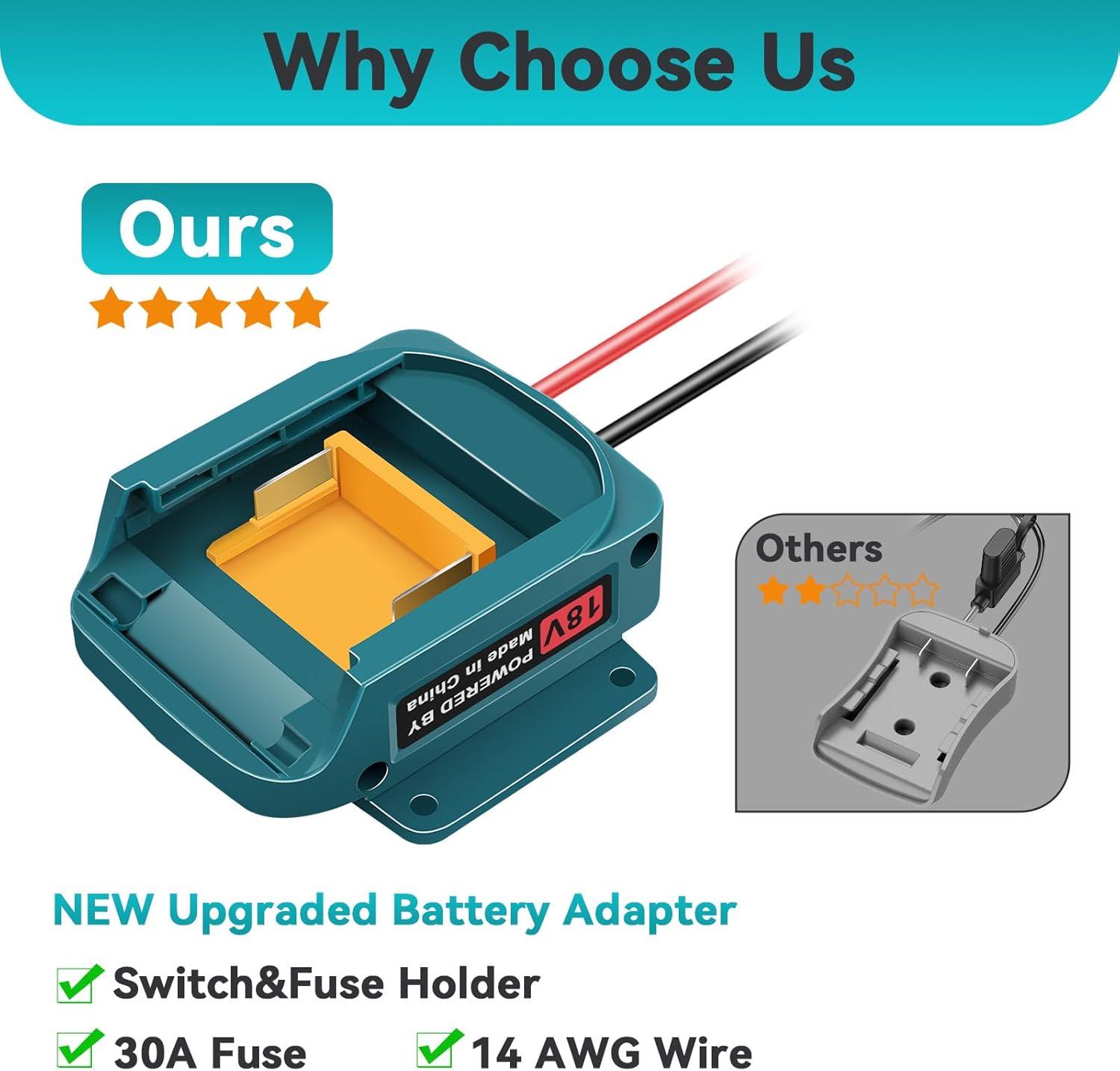
- Built-in fuse system with 3 spare fuses included
- ON/OFF switch to prevent sparks during hookup
- 12V car lighter adapter output for powering accessories
- Included jumper cable clamps for direct cranking assistance
- Aluminum housing with epoxy resin potting for protection
- Two heat-resistant cables and four screw holes for secure mounting
- Note: Battery not included
Safety features summarized
The adapter is designed to be safer than a bare-wire hack: the fuse system protects both the battery and connected devices from short circuits and overloads, and the ON/OFF switch gives you a controlled way to connect before energizing the output, helping prevent sparks or accidental shorting.
Technical summary table
Here’s a compact table to help you quickly compare the most relevant specs and features before you decide.
| Feature | Details |
|---|---|
| Compatible Batteries | Makita 18V series: BL1830, BL1840, BL1850, BL1860, BL1840B, BL1850B, BL1860B, BL1820, etc. |
| Output options | 12V car lighter socket; direct jumper clamp output |
| Safety | Built-in fuse system, includes 3 spare fuses, ON/OFF switch |
| Housing | Aluminum with epoxy resin potting (waterproof/dustproof/moisture-resistant/shockproof) |
| Mounting | 4 screw holes for secure installation |
| Included | Jumper cable clamps, 3 spare fuses |
| Not Included | Makita battery (must be purchased separately) |
| Use cases | Starting cars, powering 12V accessories (air compressor, mini-fridge, vacuum, lights, tools) |
| Notes | Not a charger — outputs battery voltage directly |
Installation and mounting
Mounting and initial setup are designed to be simple and repeatable, so you can carry this adapter in a vehicle or toolbox and use it when needed.
How to mount the adapter
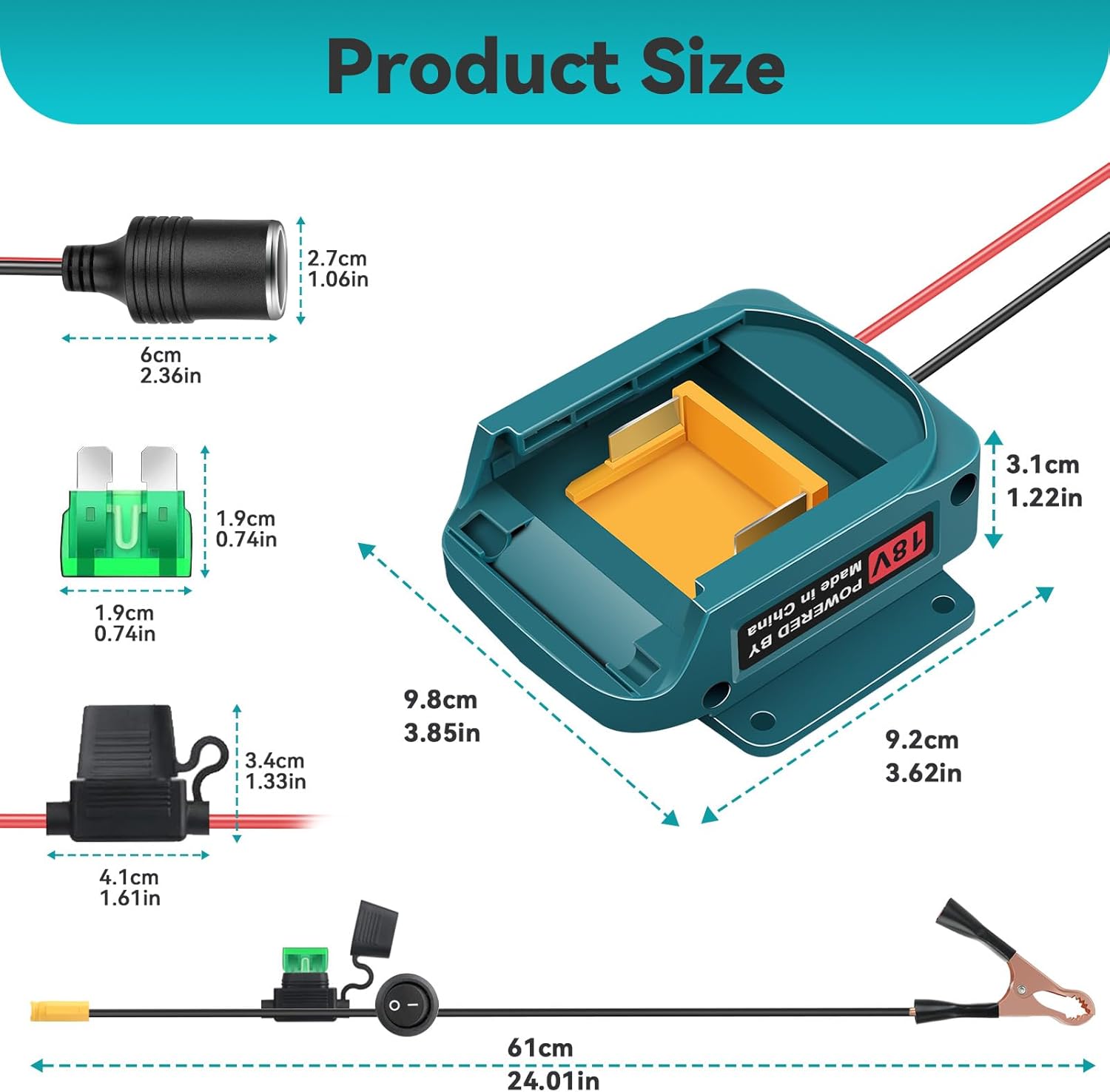
The adapter has four screw holes you can use to secure it to a flat surface, a battery mount, or a mounting wheel. You’ll want to mount it in a dry, accessible place where the cables can reach the battery and your vehicle’s engine bay.
- Use appropriate screws that fit the holes and the mounting surface.
- Mount it so the directional controls (ON/OFF switch) and 12V socket are easily reachable.
How to connect the battery and clamps
- Insert a fully charged compatible Makita 18V battery into the adapter’s battery slot until it clicks.
- Route the two heat-resistant cables to the vehicle battery.
- Connect the red clamp to the positive (+) terminal of the vehicle battery.
- Connect the black clamp to the negative (–) terminal or a solid chassis ground point.
- After everything is connected safely, flip the ON/OFF switch to ON to energize the clamps and the 12V lighter socket.
- Start the engine. After the engine fires, disconnect the clamps within 30 seconds.
Note the manufacturer’s warning: remove the clamps within 30 seconds after starting to minimize risk and avoid sustained high current draw from the adapter.
Using the 12V car lighter adapter
The built-in 12V lighter socket opens up many handy uses beyond jump-starting. You can run small automotive accessories when you’re away from a conventional 12V source.
Common accessories you can power
You can plug in things like:
- Portable air compressors
- Mini-fridges and coolers
- Small vacuums
- Phone chargers via a USB adapter
- LED work lights and light strips
- Certain 12V power tools or accessories designed for car sockets
Always verify the accessory’s current draw and make sure it doesn’t exceed the adapter’s fuse rating. If you’re unsure of the fuse rating, treat high-draw devices cautiously and use short bursts of operation.
Performance expectations
This adapter’s performance is directly linked to the capacity and state of charge of the Makita battery you use. Higher-capacity batteries (BL1850, BL1860) will offer more cranking capability and longer run times for accessories.
What you can reasonably expect
- With a fully charged, high-capacity Makita 18V battery, you can expect the adapter to assist starting small gasoline engines and many passenger vehicles under typical conditions.
- For larger engines, older batteries, or vehicles with heavy accessory loads, performance may be limited.
- It works best as an emergency or occasional-use solution rather than a daily heavy-duty starter.
Limitations to keep in mind
- This is not a commercial-grade jump starter. It does not have a built-in high-capacity battery like dedicated portable jump starters.
- It will not charge your Makita battery or vehicle battery; it only provides direct voltage and current from the Makita pack while it’s attached.
- Diesel engines, large trucks, or very cold climates may exceed what a single 18V pack can safely deliver for cranking.
Build quality and durability
The adapter uses an aluminum housing with epoxy resin potting for the electronics. That combination increases durability and makes the module resistant to water, dust, moisture, and shock.
Why this matters if you use it outdoors
If you plan to use the adapter in the field, on a job site, or for outdoor activities, the ruggedized housing helps protect the internal components from accidental exposure and rough handling. The heat-resistant cables help during heavy current draw episodes like engine cranking.
Safety and protection features
Safety is built into the product through several measures intended to reduce risk during connection and use.
- Built-in fuse system to prevent battery and device burnout
- Three spare fuses included so you can replace a blown fuse and get back to work
- ON/OFF switch so you can connect first and then energize the adapter, which reduces the chance of sparks
- Clear polarity markers and typical color coding (red positive, black negative)
Best safety practices
- Always connect clamps in the order: positive first, then negative ground.
- Ensure clamp jaws make solid metal-to-metal contact—paint, rust, or debris can reduce effectiveness and increase resistance.
- Use the ON/OFF switch to keep the adapter off while making connections.
- Wear eye protection and gloves if available.
- After your engine starts, disconnect the clamps within 30 seconds to limit heat buildup and stress on the adapter.
Fuse details and replacement
The adapter includes three spare fuses and a built-in fuse system. That’s a practical touch for field use since a blown fuse is a common cause of sudden failure in a power accessory.
How to replace a fuse
- Turn the adapter off and remove the Makita battery before replacing a fuse.
- Locate the fuse housing (follow instructions or visual cues on the product).
- Remove the blown fuse and replace it with an identical spare included with the unit.
- Check for obvious short circuits or damaged cables before reusing the adapter.
If you frequently blow fuses, investigate the root cause—reversed polarity, a short in the accessory, or attempting to draw more current than the adapter is rated for.
Step-by-step use case: Jump-starting a car
Here’s a practical example of how you’d use this adapter to help start a car.
- Make sure you have a fully charged Makita 18V battery that is compatible with the adapter.
- Mount the adapter if you have a permanent installation, or simply place it near the vehicle battery if you’re using it temporarily.
- Insert the Makita battery into the adapter until it clicks and makes a secure connection.
- Attach the red clamp to the positive terminal of the car battery.
- Attach the black clamp to the negative terminal or chassis ground.
- Ensure the clamps are secure and not touching each other or other metal parts.
- Flip the ON/OFF switch to ON.
- Attempt to start the vehicle. If the engine cranks and starts, turn off the engine after a brief run if needed and remove clamps within 30 seconds.
- Remove the Makita battery from the adapter and stow both items safely.
Maintenance and storage
To keep the adapter working reliably, follow a few basic maintenance tips.
- Keep the adapter dry and clean; even though it’s resistant to water and dust, prolonged exposure can be detrimental.
- Inspect cables and clamps for frayed insulation or corrosion before each use.
- Store the adapter and spare fuses in a dry, secure place and avoid extreme temperatures.
- Periodically test the adapter with a charged Makita battery and a small load so you know it works when you need it.
Troubleshooting
If something isn’t working the way you expect, use these troubleshooting steps to isolate the problem.
- No output after turning ON: Check that the Makita battery is fully charged and correctly seated. Check fuses for continuity and replace if blown.
- Weak cranking or accessory won’t run: Try a higher capacity Makita battery (e.g., BL1850/BL1860). Ensure clamps are making good contact; clean terminals.
- Sparks when connecting: Make sure the ON/OFF switch is set to OFF while attaching clamps; connect positive first, then negative.
- Adapter gets excessively hot: Stop using it and allow it to cool. Check for excessive current draw or a fault. Consider consulting a technician if overheating persists.
Pros and cons
Here’s a balanced look at strong points and limitations so you can decide if this is a good fit for your needs.
Advantages
- Lightweight and portable when paired with a Makita battery you already own
- Multi-function: jumper clamps + 12V lighter socket
- Safer hookup thanks to ON/OFF switch and built-in fuses
- Rugged construction suitable for outdoor use
- Spare fuses included for convenient replacement
Drawbacks
- Requires a compatible Makita battery (battery not included)
- Not as powerful as a dedicated high-capacity jump starter
- Not a battery charger—can’t recharge your Makita pack from vehicle power
- Performance depends heavily on the battery’s state of charge and capacity
Ideal users and use scenarios
This adapter is best for people who already have a collection of Makita 18V batteries and want a compact, multipurpose accessory to add to their kit. Here are some scenarios where it really shines:
- You’re a homeowner or tradesperson who uses Makita tools and wants a backup way to start a car or power accessories on the job site.
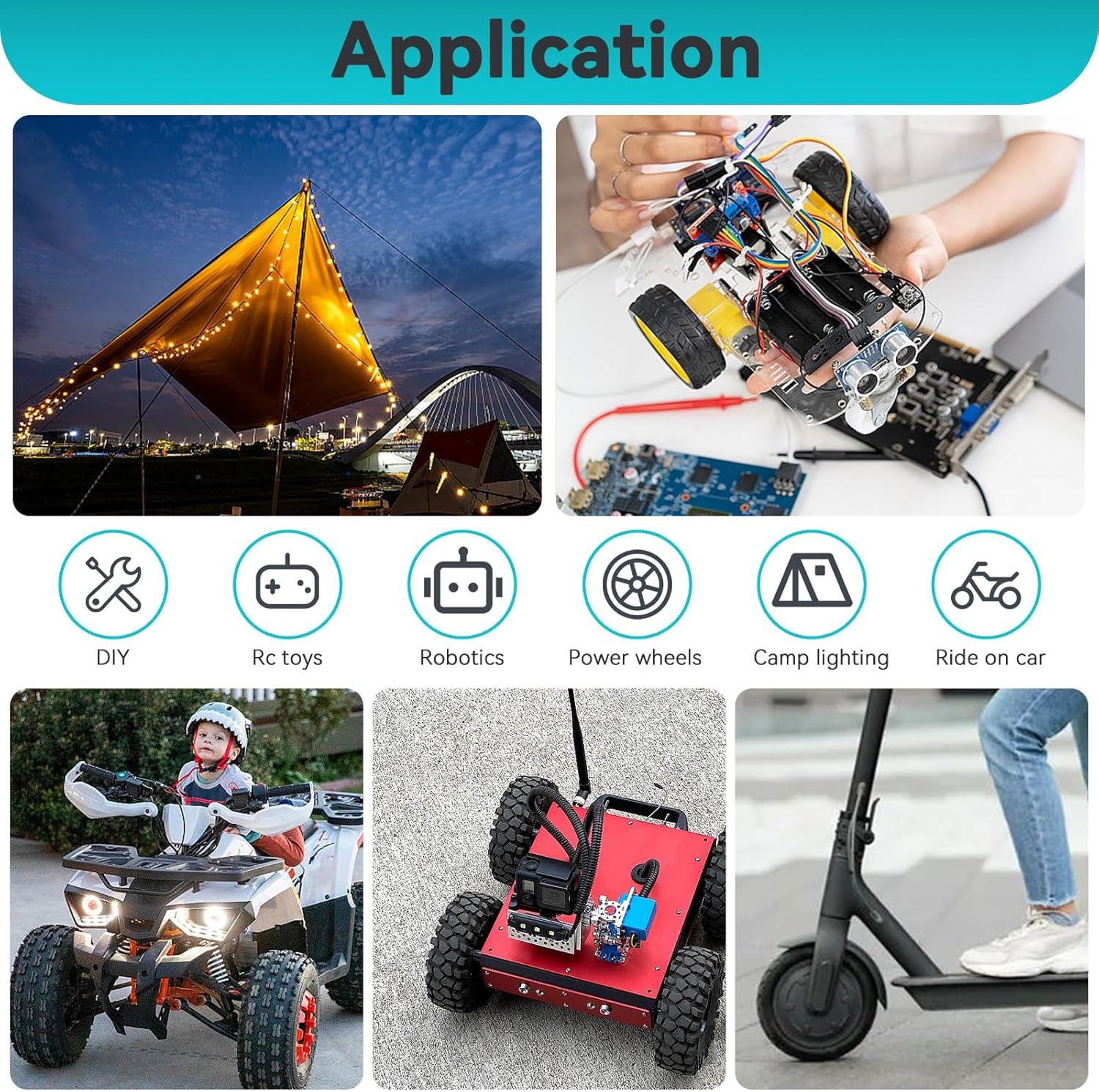
- You go camping or tailgating and want a way to run a small fridge, lights, or inflate tires with a 12V accessory.
- You own ride-on toys, golf carts, or DIY robotics projects that can operate from a 12V source provided by a Makita battery.
- You need a lightweight emergency option for occasional roadside starts.
Comparison to dedicated jump starters
If you’re deciding between this adapter and a conventional portable jump starter, think about the trade-offs:
- Dedicated jump starters often have large internal batteries and can crank larger engines repeatedly without external battery swaps.
- This adapter is lighter and cheaper if you already own Makita batteries, and it doubles as a 12V accessory outlet.
- For frequent or heavy use, a dedicated jump starter is a better long-term choice. For infrequent emergency use plus accessory power, this adapter is a convenient alternative.
Practical tips to get the most out of this adapter
- Keep at least one high-capacity Makita battery (BL1850 or BL1860) charged and ready specifically for vehicle emergencies.
- Store spare fuses and a compact multimeter with the adapter so you can quickly test if an issue is electrical.
- Practice the connection steps at home once so you’re comfortable making the hookup quickly in a real emergency.
- Use a battery holder or mounting board to secure the adapter in your trunk or truck bed so it’s easy to access.
Frequently asked questions (FAQ)
Here are clear answers to common questions you’ll likely have.
Q: Can this adapter start any car? A: It can assist starting many passenger cars and small engines when paired with a fully charged, high-capacity Makita battery. It’s not guaranteed for large-displacement engines, diesel vehicles, or severely discharged batteries.
Q: Will it charge my Makita battery? A: No. This product is not a charger. It outputs the battery’s voltage to accessories and jumper clamps but does not recharge the battery.
Q: Is the ON/OFF switch required? A: The ON/OFF switch adds safety by letting you connect everything first and then energize the outputs. Always use it to minimize sparks and accidental short circuits.
Q: How long can I run accessories from the 12V socket? A: Run time depends on the capacity of your Makita battery and the current draw of the accessory. Higher capacity batteries yield longer runtime; always check the accessory’s amp draw and the adapter’s fuse rating.
Final assessment and recommendation
If you already own Makita 18V batteries and want a compact, reasonably safe way to turn that battery into a portable jump starter and an accessory power source, this adapter delivers strong value. It’s especially attractive for occasional emergency use, job-site tasks, or outdoor activities where a light, multi-purpose power option is handy.
However, if you anticipate frequent engine starts, need guaranteed cranking for larger vehicles, or want a solution that doesn’t rely on tool batteries, consider investing in a dedicated high-capacity jump starter instead.
If you choose this adapter, pair it with a high-capacity Makita battery (BL1850 or BL1860) and keep the included spare fuses and some basic protective equipment on hand. Follow the safety steps carefully, use the ON/OFF switch for controlled energizing, and treat the adapter as a practical emergency and utility tool rather than a replacement for a dedicated heavy-duty starter.
Quick checklist before you buy or use
- Confirm your Makita battery model is compatible.
- Purchase or ensure you have a fully charged battery; the adapter does not come with one.
- Make sure you understand that the unit is not a charger.
- Keep spare fuses on hand and inspect cables/clamps before use.
- Use the ON/OFF switch to prevent sparks and remove clamps within 30 seconds of a successful start.
If you follow these steps, you’ll have a compact, useful tool that turns your Makita 18V battery into a flexible emergency power source and 12V accessory hub.
Disclosure: As an Amazon Associate, I earn from qualifying purchases.