
Need a powerful, reliable charger that can jump-start a truck, give a quick boost to a dying battery, and keep your tractor or car battery healthy over long storage periods?

First impressions
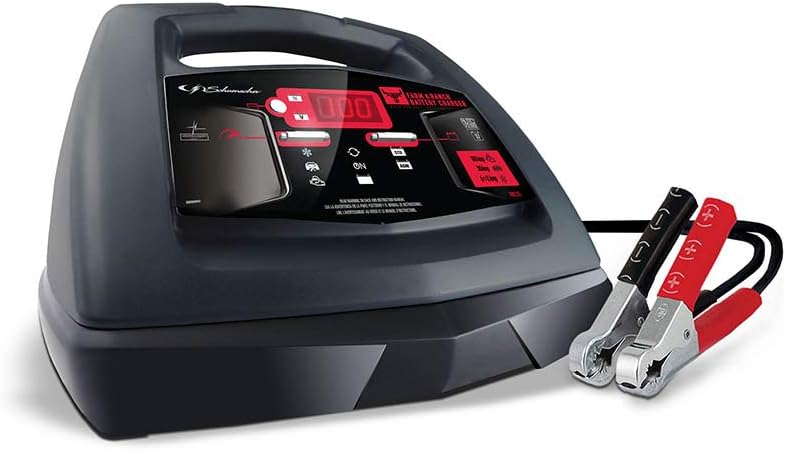
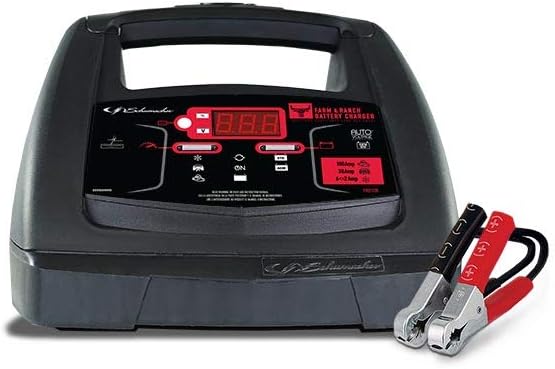
When you pick up the Schumacher FR01235 Battery Charger with Engine Starter, Boost, and Maintainer, you’ll immediately notice it’s built for heavier-duty work than a typical garage trickle charger. The size and weight communicate that it’s meant to handle large batteries and repeated use, while the controls are straightforward enough that you won’t need a manual to get started.
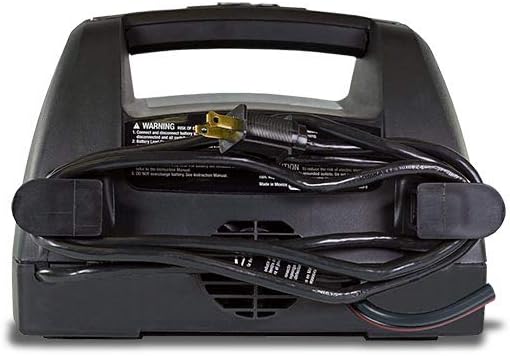
The unit feels substantial but not unwieldy, and the cord wrap makes it easier to manage than some bulky jump boxes. You’ll appreciate that the design puts important functions front and center so you can switch modes quickly when you’re under time pressure.

Schumacher FR01235 Battery Charger with Engine Starter, Boost, and Maintainer - 100 Amp/30 Amp, 6V/12V - for Tractors, Cars, and Trucks
$69.95 In Stock
Product overview
This model is designed to serve as a charger, maintainer, boost unit, and engine starter in one tool. It targets large batteries found in SUVs, trucks, tractors, and farm equipment, and it includes a built-in tester to help you diagnose battery and charging-system issues.
You’ll find that Schumacher positioned this unit as an all-in-one device for people who need something more capable than a small smart charger but less specialized than a dedicated commercial starter.
What it is
The Schumacher FR01235 is a microprocessor-controlled battery charger and engine starter that automatically detects voltage and adjusts charging rates. It’s meant to safely charge and maintain both 6V and 12V batteries and provide high-current starting assistance when needed.
You’ll use it as a routine maintainer during storage seasons or as an emergency jump starter when a battery won’t crank an engine. The unit’s built-in tester also gives you quick feedback on battery and alternator health without separate tools.
Key specifications
Below is a quick breakdown of the main specs you’ll want to know at a glance. This will help you confirm it’s suitable for your vehicles and equipment before you commit.
| Feature | Specification |
|---|---|
| Jump/Start Current | 100 Amp (engine start capability) |
| Boost/Quick Charge Current | 30 Amp quick boost |
| Charging/Maintainer | Microprocessor-controlled auto-amp adjust |
| Voltage Compatibility | Auto-detects 6V and 12V batteries |
| Built-in Tester | Battery and alternator tester included |
| Safety Feature | Reverse hook-up protection (won’t operate if clamps reversed) |
| Storage Feature | Cord wrap for easier transport and storage |
| Intended Use | SUVs, trucks, tractors, farm equipment, cars, and large batteries |
These specs mean you can use the FR01235 for substantial starting power while still trusting it for maintenance charging and diagnostics. You’ll want to match the 100 Amp start capability to the size of your engine and battery to make sure it meets your needs.
Features breakdown
Breaking down the features helps you understand how each function will affect day-to-day use. Each capability here is targeted at a different common need: starting, boosting, testing, maintaining, and doing so safely.
You’ll find the unit is balanced between raw power and convenient electronics control, with protections in place to minimize costly mistakes.
100 Amp Jump Start
The 100 Amp jump start mode gives you the current necessary to crank large engines that small chargers can’t handle. You’ll be able to start medium-duty diesel or gasoline engines more reliably than with a typical 10–40 Amp charger.
This function is ideal when you need immediate engine starting power and don’t have access to another running vehicle. Remember that while it’s powerful, it’s not a portable lithium jump pack—this is a plug-in unit designed to deliver high starting amps safely.
30 Amp Quick Boost
A 30 Amp quick boost mode helps bring a significantly discharged battery up enough to crank the engine or provide a strong starting assist. You’ll use this when your battery is low but not completely dead, and you want a faster recovery than a slow trickle charge would allow.
This is especially handy when you’re short on time and need the battery to regain capacity rapidly without applying full starting amperage.
Battery Maintainer and Auto Amp Adjust
The microprocessor-controlled auto amp adjust feature means the unit intelligently ramps charging current based on the battery’s state of charge and condition. That helps prevent overcharging and reduces the risk of damaging a battery due to excessive current.
You’ll appreciate this when maintaining batteries for seasonal equipment or storing vehicles, because it can keep batteries healthy without constant supervision and manual adjustments.
Built-in Battery and Alternator Tester
Having a built-in tester means you can quickly check battery charge level and alternator output to diagnose electrical problems without extra tools. You’ll be able to differentiate between a weak battery and a bad charging system before you spend money replacing parts.
This tester simplifies troubleshooting in the field, letting you decide whether charging will restore the battery or if replacement or alternator service is necessary.
Auto Voltage Detection (6V/12V)
The charger automatically detects whether you have a 6V or 12V battery connected and configures itself accordingly. You won’t need to manually flip a switch and risk choosing the wrong setting for vintage equipment that still uses 6V systems.
This makes it more flexible across multiple vehicles or implements that might use different systems, saving you time and reducing user error.
Reverse Hook-up Protection
Reverse hook-up protection is a critical safety feature that prevents the charger from operating if the clamps are connected incorrectly. This reduces the risk of sparks, short circuits, and damage to the charger or battery from accidental reverse connection.
Even with reverse protection, you should still take care to connect positive-to-positive and negative-to-negative, because protection systems reduce risk but don’t replace good safety practices.
Cord Wrap and Storage
The built-in cord wrap keeps power and clamp cords neater and more manageable when the unit’s not in use. You’ll find it easier to store in a garage or truck without struggling with tangled cables.
Good storage features extend the life of the unit by protecting cords and clamps from abrasion and accidental contact with tools and fluids.
Performance in real-world scenarios
Understanding performance under realistic conditions helps you see where this charger will be most useful and where you might need a different tool. I’ll go through common vehicle types and weather situations to explain what to expect.
You’ll be better prepared to match this unit to your typical tasks by reading these scenarios.
Cars and SUVs
For most passenger cars and smaller SUVs, the FR01235 performs more than adequately for both charging and quick starts. You’ll be able to charge a drained battery overnight or give it a quick 30 Amp boost to get going if you’re in a hurry.
The 100 Amp engine start capability is often overkill for small cars, but the extra power adds reassurance if you encounter an older battery on a cold morning or a vehicle with higher cranking demands.
Trucks and Heavy-Duty SUVs
When you’re dealing with trucks and heavy-duty SUVs, the 100 Amp starting capacity comes into its own. You’ll find that it can handle larger engines that might struggle with a standard small charger, making it more practical for weekend mechanics or farm use.
You’ll still want to be aware that diesel engines with very large displacement may require even higher starting currents, so verify your engine’s starting current requirements before relying solely on this unit.
Tractors and Farm Equipment
The FR01235 is explicitly marketed for tractors and farm equipment, and it does well in that role for many machines. The auto-detection of 6V/12V is helpful if you’re servicing older implements, and the combination of boost and starter functions gives you flexibility when servicing equipment in the field.
You’ll find it particularly convenient during planting or harvest when equipment downtime costs can be high and you need a reliable way to bring equipment back online quickly.
Cold Weather Performance
Cold weather can reduce battery capacity significantly, so having extra starting amperage or a rapid boost can make the difference between getting to work and waiting for a tow. You’ll appreciate that the FR01235’s 100 Amp start and 30 Amp boost are designed to overcome cold cranking performance losses better than lighter chargers.
Even so, extremely cold conditions will still limit battery performance; use appropriate cold-weather maintenance and consider storing batteries in insulated areas when possible.
How to use the Schumacher FR01235
Using this unit is straightforward, but correct procedure makes a big difference in safety and effectiveness. Below are step-by-step directions and tips for each major function.
You’ll find that once you’ve done it a couple of times, the workflow becomes second nature.
Preparing to charge or jump-start
Start by placing the charger on a stable surface and ensuring the vehicle ignition is off and keys are removed. Clean the battery terminals and ensure clamps and wiring are free of corrosion or damage.
You’ll also want to ensure the charger’s power cord is in good condition and that your outlet is properly grounded. If you’re in the field with no outlet, this unit requires access to AC power—it’s not a standalone battery-powered jump starter.
Using the jump start function
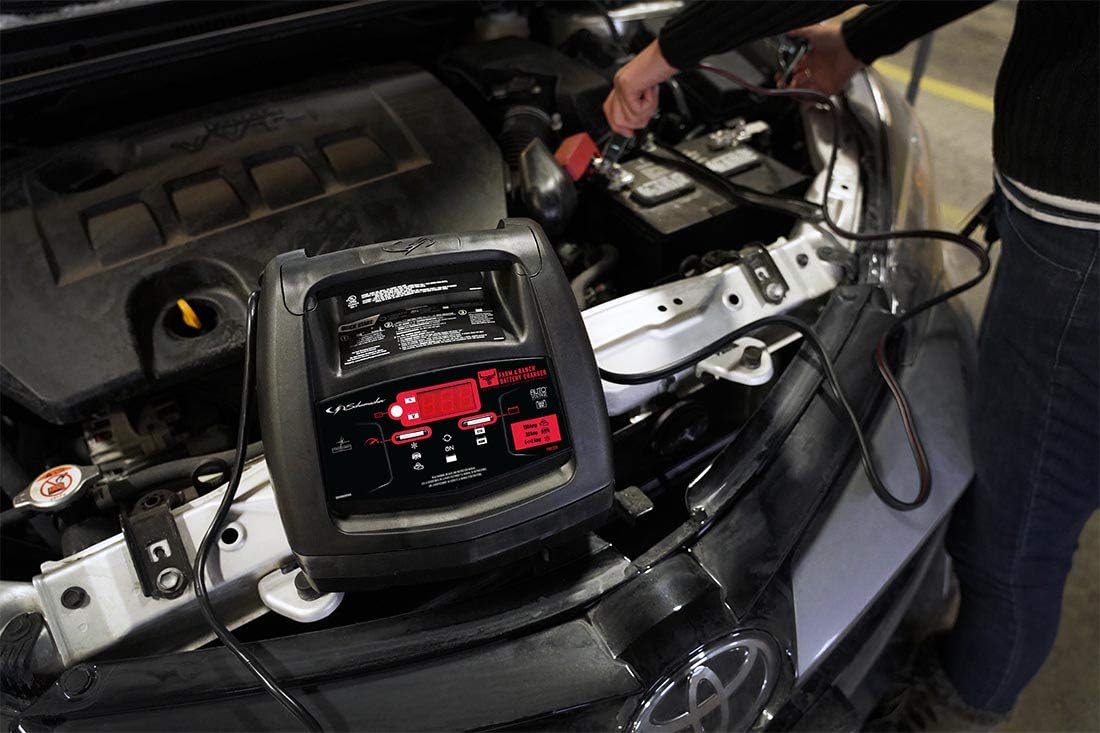
Connect the positive (red) clamp to the battery’s positive terminal first, then the negative (black) clamp to a good chassis ground or battery negative terminal. Set the unit to the jump start mode and follow the indicator lights or instructions on the charger.
You’ll want to keep an eye on the unit and the vehicle as it cranks; once the engine starts, remove the clamps in reverse order and let the vehicle run to recharge its battery. Allow the charger to cool between multiple start attempts to avoid overheating.
Using the boost function
Attach clamps the same way as for jump start: positive first, negative second, and select the boost mode. This will apply a higher current than a normal charge to give the battery a quicker capacity increase.
Use the boost for shorter durations to avoid overheating the battery—monitor battery temperature and avoid continuous high-current boosts for extended periods.
Using as a maintainer/charger
For long-term maintenance, connect the charger to the battery and select the maintainer or automatic charging mode if the unit provides it. The microprocessor will reduce charge current as the battery reaches full capacity to prevent overcharging.
You’ll find this useful during winter storage or when you don’t plan to use a vehicle for weeks at a time. Periodically check the battery condition and the charger to ensure everything is functioning normally.
Using the built-in tester
To test a battery or alternator, connect the clamps as if you were going to charge and select the test function. Follow the indicator lights or readouts to interpret charge level and alternator output.
You’ll be able to quickly determine if a battery is incapable of holding a charge or if the alternator isn’t producing sufficient voltage, helping you plan repairs accordingly.
Safety considerations
Safety should always be your priority when working with batteries and high-current equipment. Batteries contain acid and can produce explosive gases; chargers and starters carry current that can cause sparks or burns.
You’ll need to follow basic precautions to minimize risks: wear eye protection, avoid open flames, work in a ventilated area, and keep metal tools away from battery terminals.
- Always connect positive then negative, and disconnect negative first.
- Use gloves and eye protection to guard against acid splashes.
- Keep the unit dry and avoid using it in the rain without protection.
- Unplug the charger before storing or making any adjustments.
- Even with reverse hook-up protection, verify clamp polarity visually before powering on.
If you’re uncomfortable performing high-current starts, get assistance or let a professional handle it.
Maintenance and care
Taking care of the FR01235 will extend its life and keep it reliable when you need it. Regular checks of cables, clamps, and the unit case should be part of your routine.
You’ll want to keep clamps clean and free of corrosion, wipe the unit down after exposure to dirt or oil, and store it in a dry place. Avoid letting the cords lay in puddles or under heavy objects that could damage insulation.
- Inspect clamps for secure connections and replace if insulation cracks.
- Keep vents clear on the charger to avoid overheating.
- If the unit is used heavily, let it cool between prolonged cycles.
- Store at room temperature when possible to avoid battery and electronics stress.
Regularly testing the unit against a known-good battery will confirm it’s still delivering the expected performance.
Troubleshooting common issues
When something doesn’t work as expected, this list will help you figure out common causes and solutions. Most issues are related to poor connections, user error, or battery condition.
You’ll save time by working through these simple checks before assuming the charger is faulty.
- No power: Verify the outlet and power cord. Try another outlet or test the outlet with another appliance.
- Indicator lights not as expected: Re-check clamp connections and switch positions. Confirm the battery terminals are clean and making good contact.
- Charger won’t start engine: Ensure the battery isn’t completely dead or internally damaged. Try the boost mode to recover some charge before the start attempt.
- Excessive sparking: Stop and disconnect power. Check for reversed clamps or a shorted battery cell; sparking may indicate severe battery issues.
- Charger overheating: Allow it to cool and reduce duty cycle; prolonged high-current use will require breaks between cycles.
If troubleshooting doesn’t resolve the issue, contact Schumacher support or a qualified technician for service recommendations.
Pros and cons
Summarizing the main advantages and limitations helps you decide if this charger fits your needs. Consider how often you’ll use it and for what kinds of vehicles.
You’ll find this compact summary useful when comparing it to other options.
Pros:
- High starting current (100 Amp) suitable for larger vehicles.
- 30 Amp boost for faster recovery from low charge.
- Auto voltage detection for 6V and 12V batteries increases versatility.
- Built-in battery and alternator tester simplifies diagnostics.
- Reverse hook-up protection reduces risk from incorrect connections.
- Cord wrap improves portability and storage.
Cons:
- Requires AC power; not a replacement for portable jump packs in remote locations.
- 100 Amp start, while strong, may not be sufficient for the largest diesel engines under heavy load.
- The unit is heavier and bulkier than small smart chargers, which might matter if space is limited.
- No integrated battery for off-grid jumps—this is a plug-in device.
How it compares to alternatives
Comparing the FR01235 to both small smart chargers and dedicated commercial starters clarifies where it fits among common options. It’s a middle-ground solution for owners needing more than a trickle charger but not a full commercial starter bank.
You’ll find it more capable than a basic plug-in-simply smart charger and more practical for fieldwork than a slow maintain-only unit. Against portable lithium jump starters, it trades portability for sustained high-power capacity and diagnostic features.
- Versus small smart chargers: Much higher starting and boosting capability, better for trucks and tractors.
- Versus portable jump packs: Less portable and reliant on AC power, but often more robust for repeated starts when AC is available.
- Versus commercial starters: Less raw power than industrial starter banks, but far more affordable and convenient for small farms and DIY users.
If you want a unit that lives in your garage and supports a range of vehicles and equipment, this is a strong contender.
Who should buy it
This charger is tailored for people who own or maintain a variety of vehicles and equipment and need a single device to address multiple battery-related tasks. You’ll benefit if you work on trucks, SUVs, tractors, farm equipment, or have seasonal storage needs.
If you frequently need emergency starts and quick boosts but have reliable access to AC power, this unit will serve you well. If you frequently need off-grid jump starts far from electricity, consider adding a portable jump pack to your toolkit.
- Mechanics and hobbyists who work at home
- Farmers and ranchers with mixed equipment
- Fleet owners with medium-duty vehicles
- Homeowners who want a versatile battery maintenance solution
Frequently asked questions (FAQ)
This section answers common practical questions you probably have about operation, compatibility, and safety. You’ll get quick clarifications before making a decision or using the unit.
Q: Can I use this on a motorcycle? A: The unit supports 6V and 12V batteries, so technically yes, but the 30–100 Amp modes are heavy-duty for small motorcycle batteries. Use a lower-current maintainer if available, and be careful with small-capacity batteries.
Q: Is it safe to leave connected for long-term maintenance? A: The microprocessor-controlled charging and maintenance modes are intended to prevent overcharging, making it suitable for longer-term maintenance. Still, periodically check your battery and charger to ensure everything functions correctly.
Q: Will it damage a sealed AGM battery? A: When used properly and with the unit’s auto-amp adjust feature, it shouldn’t damage AGM batteries. Always follow manufacturer battery specifications and monitor charging cycles.
Q: Can it charge multiple batteries at once? A: The unit is designed for a single battery connection. Charging multiple batteries in parallel or series is not recommended without proper equipment and knowledge.
Q: Does it require any special outlets or adapters? A: It operates from standard AC power. Make sure the outlet you use is properly grounded and in good condition.
Final thoughts
If you want a versatile, mid-range charger that handles starting, boosting, maintaining, and diagnosing batteries for a range of vehicles, the Schumacher FR01235 is a compelling choice. You’ll get practical, user-friendly features like auto-voltage detection, built-in testing, and reverse hookup protection that reduce common risks and hassles.
For home mechanics, farmers, and fleet owners who can plug in while working, this unit offers a good balance of power and intelligence. If you frequently need off-grid starts or have very large commercial diesel engines, pair it with a portable jump starter or consider higher-capacity commercial solutions. Overall, you’ll likely find it a dependable, multifunctional addition to your workshop or barn.
Disclosure: As an Amazon Associate, I earn from qualifying purchases.