
?Are you looking for a portable jump starter that can get a completely dead vehicle battery moving again while also charging your devices on the road?
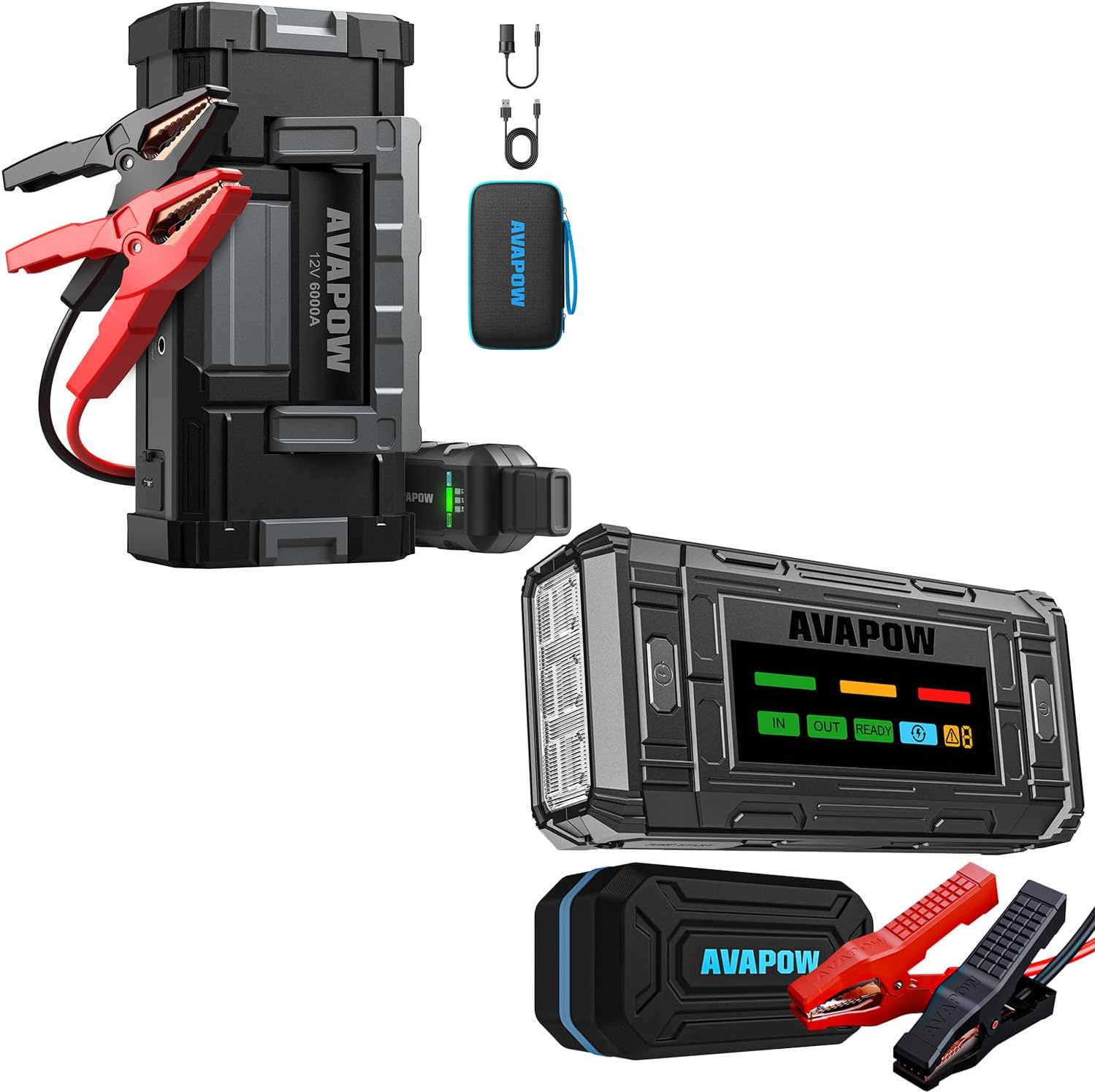

Avapow A68 Jump Starter 6000a with Avapow 2025 New Model TJ18 — Quick Take
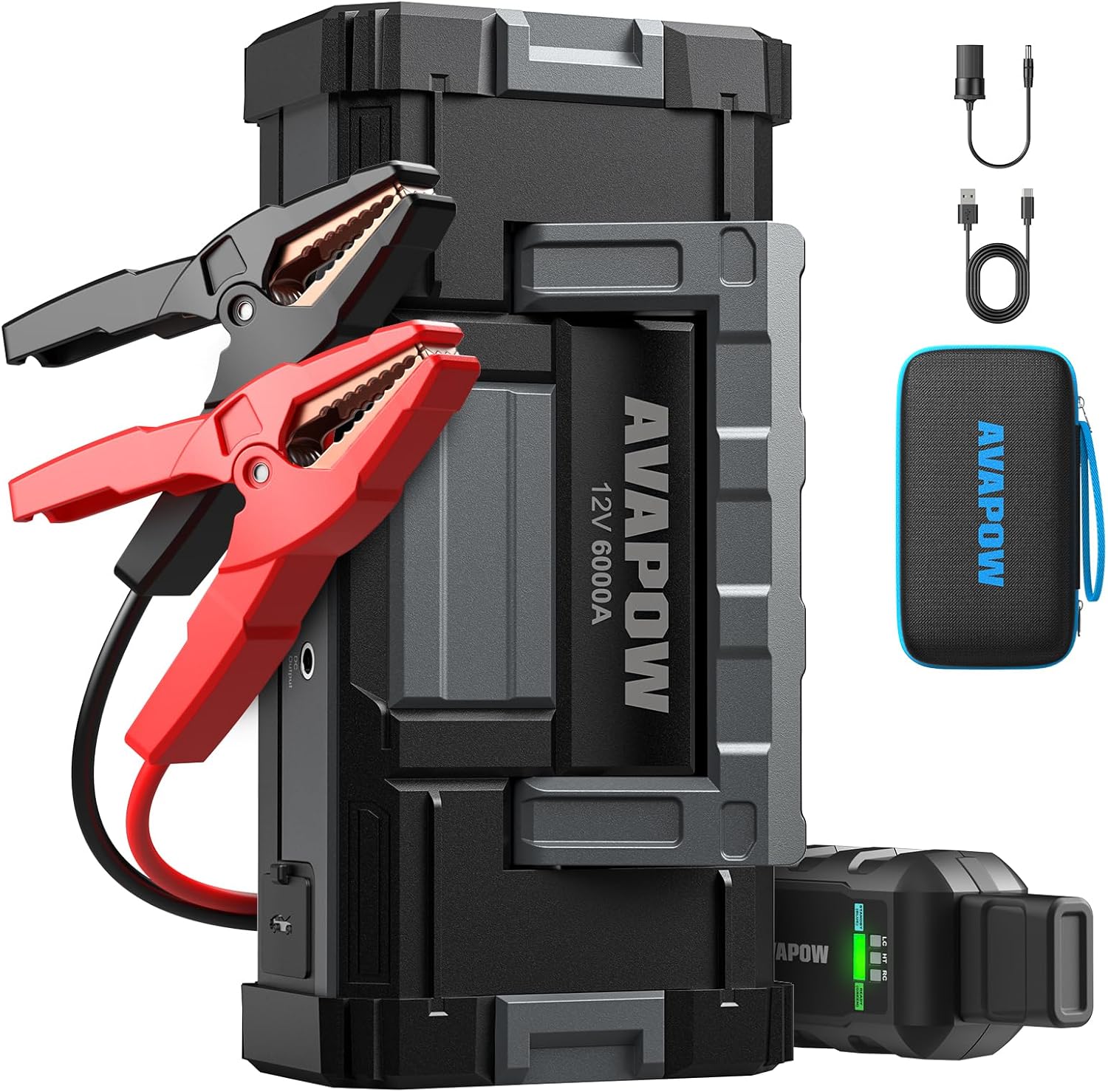
You’re getting a compact power hub that aims to combine strong cranking performance with everyday charging convenience. The product title mixes model names and numbers, but the unit’s core strengths are fast starting, dual starter modes, a clear LED display, and multi-port output for phones and accessories.
How this product positions itself
This pack is marketed as a versatile emergency power solution for motorists, riders, and small-boat owners. You’ll find claims of high peak current, multi-mode starting capability, and a robust set of safety protections, making it suitable for road trips and daily driving.
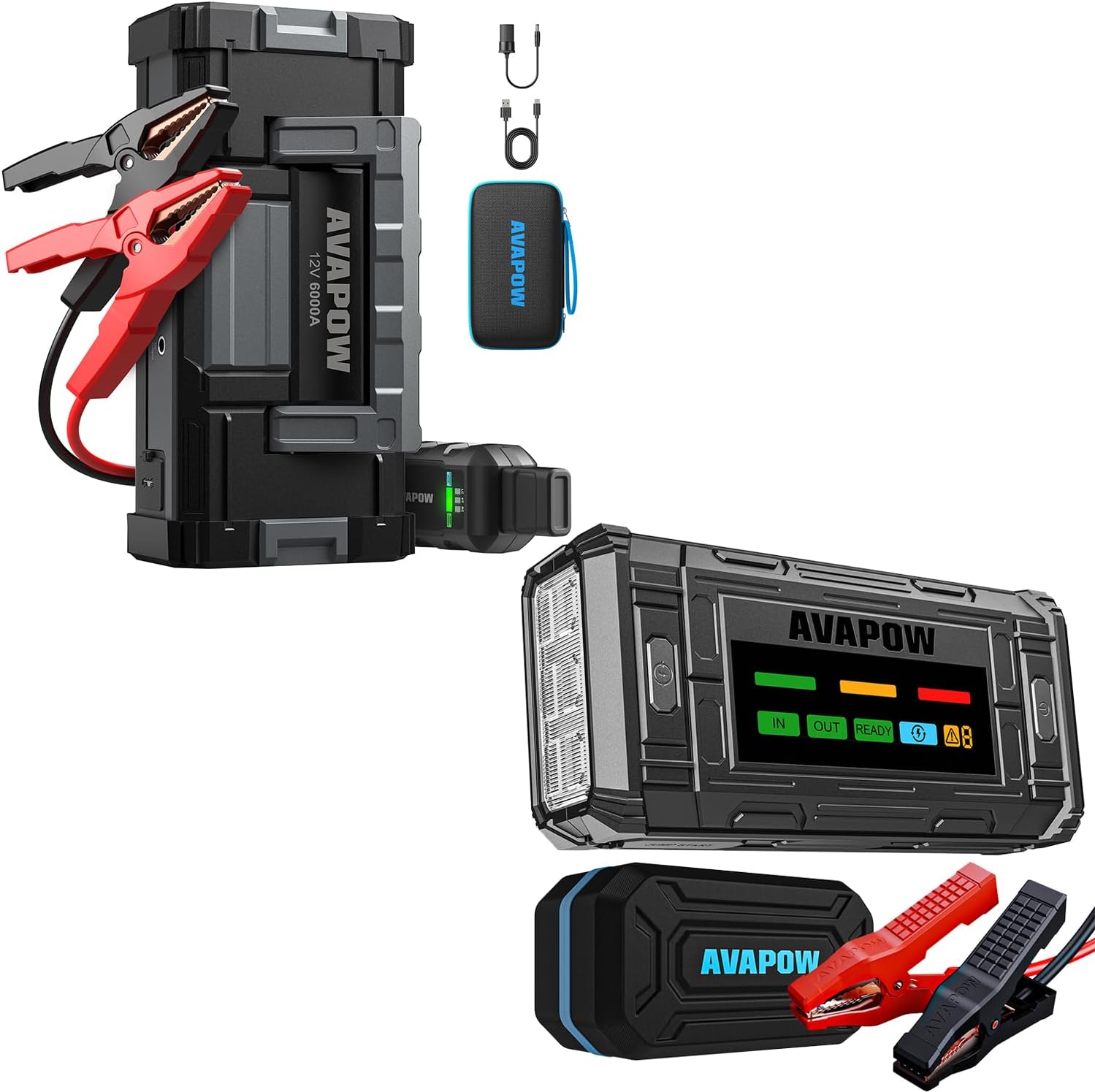
Key Specifications at a Glance
You’ll want a clear snapshot before deciding. The table below pulls together the main specifications from the product details so you can scan the essentials quickly.
| Feature | Specification / Notes |
|---|---|
| Product name | Avapow A68 Jump Starter 6000a with Avapow 2025 New Model TJ18 |
| Peak Current (reported) | TJ18: 3000A peak current (product title lists 6000a) |
| Engine Support | Up to 8.0L gas/diesel |
| Jumps per Charge | 40+ jumps per full charge (per product details) |
| Starter Modes | Normal Mode (low-voltage), Force Start Mode (for completely dead batteries) |
| Safety System | 10-layer protection, Smart BMS, automotive-grade cells, premium clamps |
| Certifications | UL, FCC, CE listed |
| Operating Temperature | -4°F to 140°F (-20°C to 60°C) |
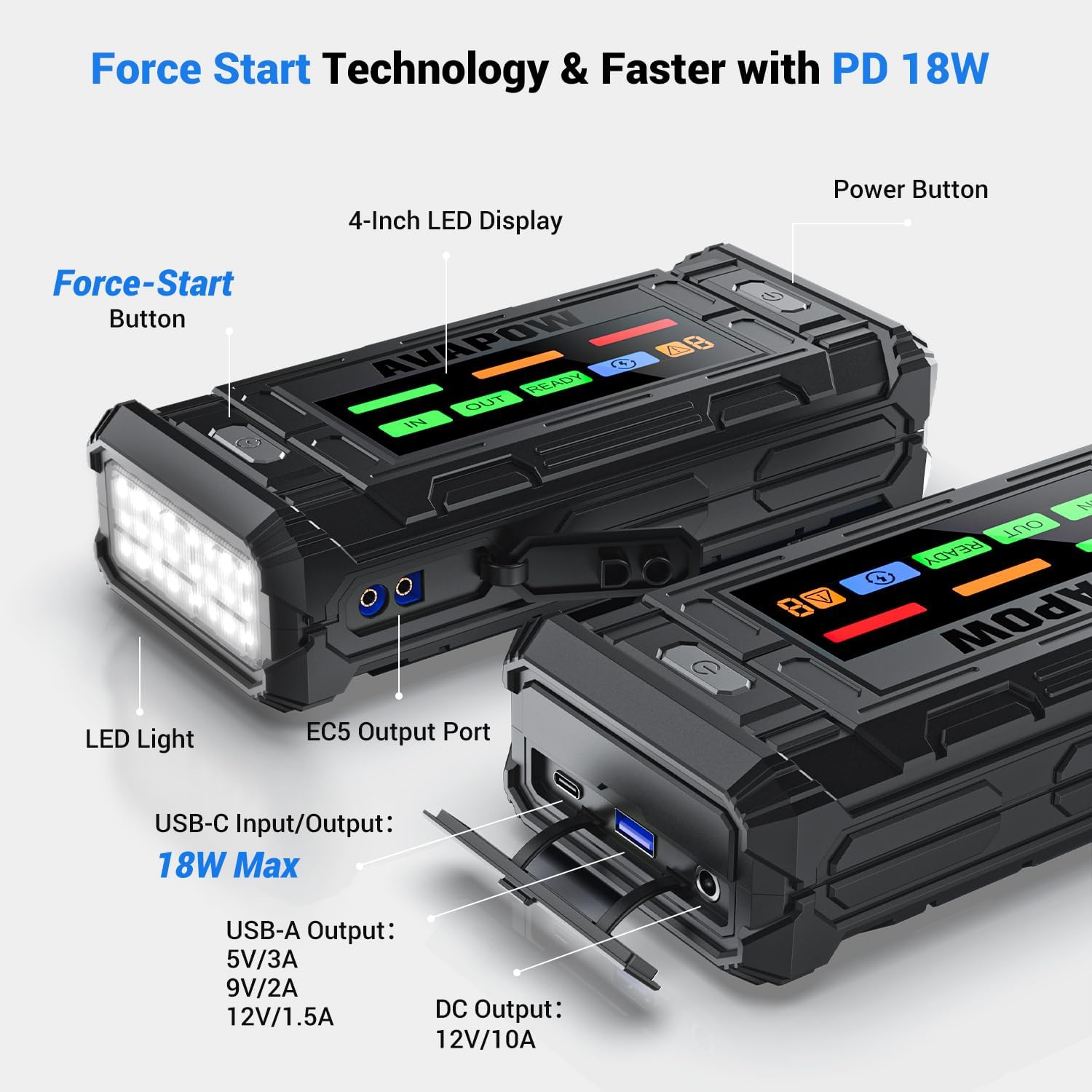
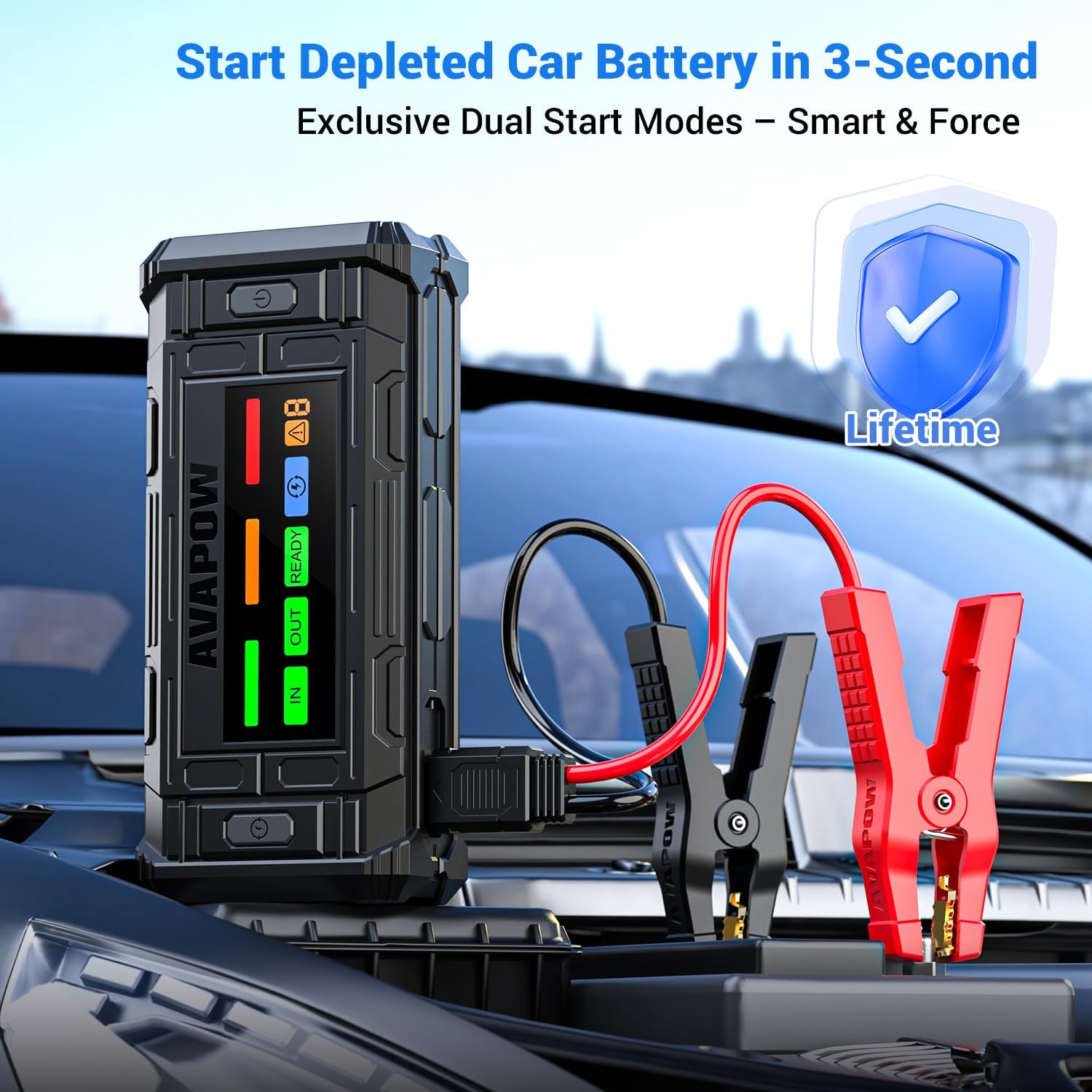
| Display | 4-inch LED digital display showing battery level, voltage, alerts |
| Charging Ports | USB-C PD 18W, dual USB-A ports, 12V output |
| Recharge Time | Approximately 2.5 hours |
| Use Cases | Cars, SUVs, motorcycles, boats, 12V gear |
Notes about the numbers
You should be aware that the product title includes “6000a” while the detailed listing references TJ18 with 3000A peak. It’s not uncommon for listings to combine product families or to advertise marketing numbers; if peak current is a deciding factor for you, check the manufacturer’s official spec sheet or seller confirmation.
What’s in the Box
You’ll typically receive the jump starter unit, the clamp cable, a charging cable, and a quick-start guide. Extra accessories or carrying cases may vary by seller or package.
Why the included items matter
Having the right clamps, a quality charging cable, and clear instructions means you won’t be fumbling when you need a jump. If a carrying pouch is not included and you travel frequently, consider adding one to keep everything organized.
Performance and Real-World Use
You want a jump starter that actually performs when you need it most, not just impressive marketing claims. According to the listed specs, the TJ18 can start completely dead 12V batteries and handle up to 8.0L engines—good for most cars, SUVs, boats, and motorcycles.
Starting power and reliability
Normal Mode handles low-voltage situations while Force Start Mode is designed for totally drained batteries. In practice, you’d use Normal Mode for typical jump-start situations and engage Force Start if the vehicle’s battery reads near zero or the starter won’t crank. The claim of 40+ jumps per charge suggests reliable repeat performance on longer trips or after multiple starts.
Dual Starter Modes Explained
You’ll appreciate the flexibility of having two starter modes: a conservative mode for regular use and a more aggressive option for deeply discharged batteries.
When to use each mode
Use Normal Mode for routine jump-starts—it’s safer and designed to protect both the vehicle electronics and the pack’s battery. Switch to Force Start Mode when a battery is completely dead and the vehicle shows no signs of life. Force Start Mode provides the extra push needed to get a stubborn starter turning.
Battery Chemistry, Capacity, and Charging
The product details reference automotive-grade cells and a Smart BMS (Battery Management System). While exact mAh or Wh figures aren’t provided in your supplied text, the charging time of about 2.5 hours indicates a relatively high-rate charging system and a battery designed for frequent use.
What the Smart BMS does for you
The Smart BMS manages charge/discharge cycles, equalizes cell balance, and prevents hazardous conditions like overcharge, over-discharge, and short circuits. That means longer life and safer operation for both you and your vehicle.
Display and User Interface
You’ll get a 4-inch LED digital display—larger than many competing jump packs—which shows battery level, voltage, and alerts. This helps you make quick decisions, especially in low light conditions.
Why a larger display helps
A clear, readable display reduces guesswork—you’ll know when the pack needs charging, whether the clamp connection is reversed, or if the voltage is too low to attempt a start. For roadside use at night, a larger display can be a small but meaningful advantage.
Ports, Charging Options, and Versatility
This jump starter isn’t just for cranking engines. With USB-C PD 18W, dual USB-A ports, and a 12V output, the unit doubles as a travel power bank.
How you can use the ports
Charge phones, tablets, dashcams, portable fridges, and 12V accessories. The USB-C PD 18W is enough for fast-charging many phones and small tablets, while the 12V port supports accessories like air compressors and some automotive gadgets. This makes the device a practical addition to your trunk or boat kit.
Charge Time and Practical On-Road Considerations
A reported recharge time of 2.5 hours is relatively fast for a jump pack, which means you can top it up between trips or during longer stops.
How to manage charging on trips
If you frequently drive long distances or help others regularly, consider carrying a small wall adapter and a car charger for convenience. Keep an eye on the display so you know the pack is fully charged before attempting multiple jump starts.
Clamp Design and Usability
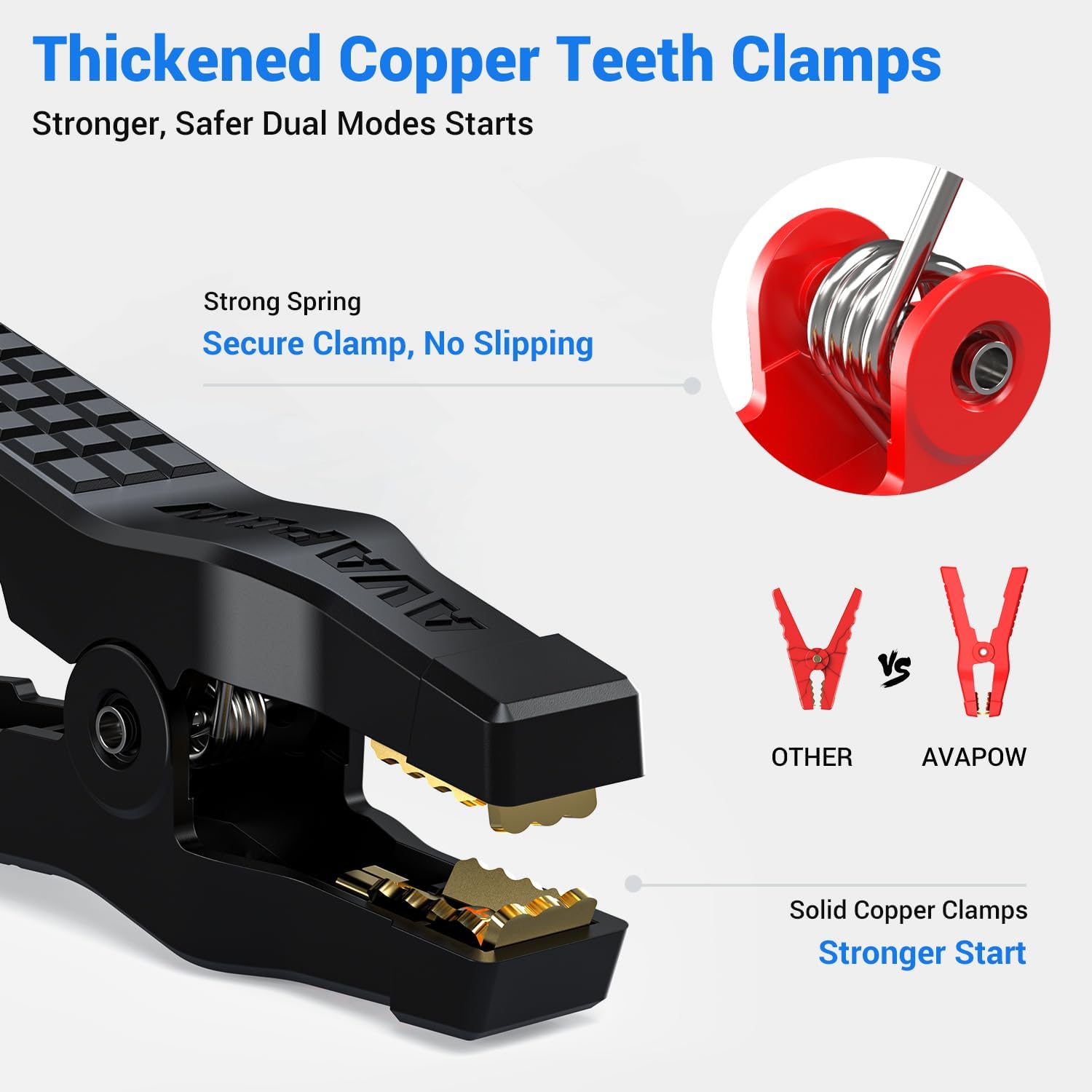
The product mentions premium clamps, which typically means sturdier construction, better grip, and more reliable current transfer.
Safe and secure connections
Good clamps reduce arcing and provide consistent contact with battery terminals. That’s particularly important in cold or wet conditions where a weak connection can defeat your start attempt.
10-Layer Safety Features — What They Mean for You
The listing highlights a 10-layer safety system including reverse-polarity protection, short-circuit protection, and thermal safeguards. These protections are designed to keep both you and your vehicle safe during use.
Practical implications of advanced safety
If you accidentally connect the clamps incorrectly, the system should block a harmful current and alert you. Thermal protections also matter if you’re operating near the upper temperature limit; they reduce the risk of overheating during a heavy use session.
Certifications and Operating Range
This unit carries UL, FCC, and CE certifications and is rated to operate from -4°F to 140°F, meaning it’s built to work across a wide range of environments.
Why certifications matter
Certifications indicate that the device has undergone third-party testing for safety and electromagnetic compliance. The temperature range tells you the product is designed for cold winters and hot summers, useful if you don’t want your jump starter to become unreliable in extreme weather.
Durability and Build Quality
You’ll want a rugged unit that survives the trunk, glovebox, or stowed space in a boat. The combination of automotive-grade cells and premium clamps suggests solid construction, although real-world longevity depends on usage patterns and care.
Tips to maximize longevity
Store the pack in a dry place, charge it every few months if unused, and avoid exposing it to extremes for prolonged periods. Regularly inspect clamps and cables for wear.
Use Cases: Who Should Buy This
You might benefit from this jump starter if you’re a commuter, a weekend adventurer, a boater, or someone who needs a reliable roadside emergency tool. It’s also handy if you help friends or neighbors with dead batteries often.
Specific scenarios where this pack shines
- You drive a mid-size car or SUV with an engine up to 8.0L.
- You ride a motorcycle and want a compact start solution.
- You take short road trips or long vacations and want the convenience of fast recharging and multiple device ports.
- You manage a small boat where 12V accessory support is valuable.
Comparison: How It Stands Up to Typical Jump Starters
You’ll find many jump starters with similar feature sets, but what sets this one apart is the combination of a large LED display, dual starting modes, and a relatively fast recharge time.
Realistic expectations versus marketing
Some manufacturers emphasize a large peak current in marketing while actual usable cranking power is lower; the TJ18’s 3000A peak (as listed) is strong enough for most consumer vehicles. The 6000a number in the title could be a combined or exaggerated figure—so verify with the seller if that is critical to you.
Practical Testing Checklist You Can Use
When you get the unit, run a few simple tests so you’re confident when you need it:
- Fully charge the unit and note the display reading.
- Try a normal start on a vehicle with a low battery to test Normal Mode.
- Allow the battery to fully drain (only if you can safely) and test Force Start Mode or simulate with another dead battery.
- Charge a phone and a tablet to verify the USB-C PD and USB-A outputs.
- Observe clamp connection ease and check for any unusual heat.
Why testing at home helps
You don’t want to discover a problem in a cold parking lot. Practicing at home ensures you know how to operate the unit and that it functions as expected.
Troubleshooting Common Problems
You might face a handful of issues in everyday use—here’s what to look for and how to respond.
Won’t start the car
- Ensure clamps are connected to the correct terminals and have firm contact.
- Verify the jump starter is sufficiently charged via the LED display.
- Try Normal Mode first, then Force Start Mode if needed.
- If it still fails, let the starter rest, and try again; some protection circuits require a short reset period.
Unit not charging fully
- Try a different wall outlet and cable (if available).
- Confirm the charging source provides sufficient power (USB wall adapters vary).
- Inspect the charging port for debris or damage.
Display shows error or alerts
- Consult the quick-start guide for alert codes.
- Reverse polarity or short alerts usually indicate clamp misconnection—disconnect immediately and reattach correctly.
- If problems persist, contact manufacturer support.
Maintenance and Storage Tips
You’ll extend the life of your jump starter by following simple care steps.
Best practices
- Charge the pack every 2–3 months if unused.
- Keep clamps dry and corrosion-free.
- Store in a temperate place, avoiding extreme cold or heat when possible.
- Inspect cables periodically for fraying or damage.
Safety Reminders
You’re using a device that can deliver high currents, so follow basic safety rules.
Quick safety checklist
- Always attach clamps to the correct battery terminals.
- Do not use the unit if cables or clamps are damaged.
- Avoid sparks near the battery vent—batteries can emit flammable gases.
- Use Force Start Mode only when appropriate and follow the instructions to minimize risk.
Frequently Asked Questions (FAQ)
You probably have a few practical questions before you decide—here are answers to the most common ones.
Can this unit really start a completely dead battery?
According to the product details, yes—the Force Start Mode is specifically designed for totally drained batteries. However, real-world success depends on the battery condition and the vehicle’s starter system.
How many times can you start a car on one charge?
The listing states 40+ jumps per charge, which is sufficient for repeated use during road trips or for helping several vehicles.
Is it safe to leave inside a vehicle during winter?
The operating temperature range extends down to -4°F, so short exposure is acceptable. Still, prolonged storage in extreme cold can reduce battery capacity—bring it inside or store in a temperature-stable area when possible.
Buying Advice and Final Recommendation
You’ll want a jump starter that’s reliable, easy to use, and safe. If the features in the Avapow A68 / TJ18 line-up match your needs—dual start modes, large display, fast recharge, and multi-port charging—this unit is a practical choice for most drivers, riders, and small-boat owners.
Who should consider this purchase
- Drivers of 4-cylinder up to 8.0L engines who want portability and a quick recharge time.
- Anyone who values a clear display and multi-device charging.
- Users who want layered safety protections and certified compliance.
Final Verdict
You get a strong combination of starting capability, user-friendly features, and safety protections. Make sure to confirm the exact peak current with the seller if the difference between 3000A and 6000A is consequential to you; otherwise, this jump starter offers a compelling balance of power and versatility for everyday use and emergencies.
Quick takeaway
If you want a compact, feature-rich jump starter that also functions as a power bank and provides robust safety features, the Avapow A68 Jump Starter 6000a with Avapow 2025 New Model TJ18 checks many of the right boxes. Keep the unit charged, practice with it a couple of times at home, and you’ll be ready the next time you—or someone you help—needs a jump.
Disclosure: As an Amazon Associate, I earn from qualifying purchases.