
Looking for an easy, battery-powered way to get your vehicle started when it won’t turn over?

Product Overview
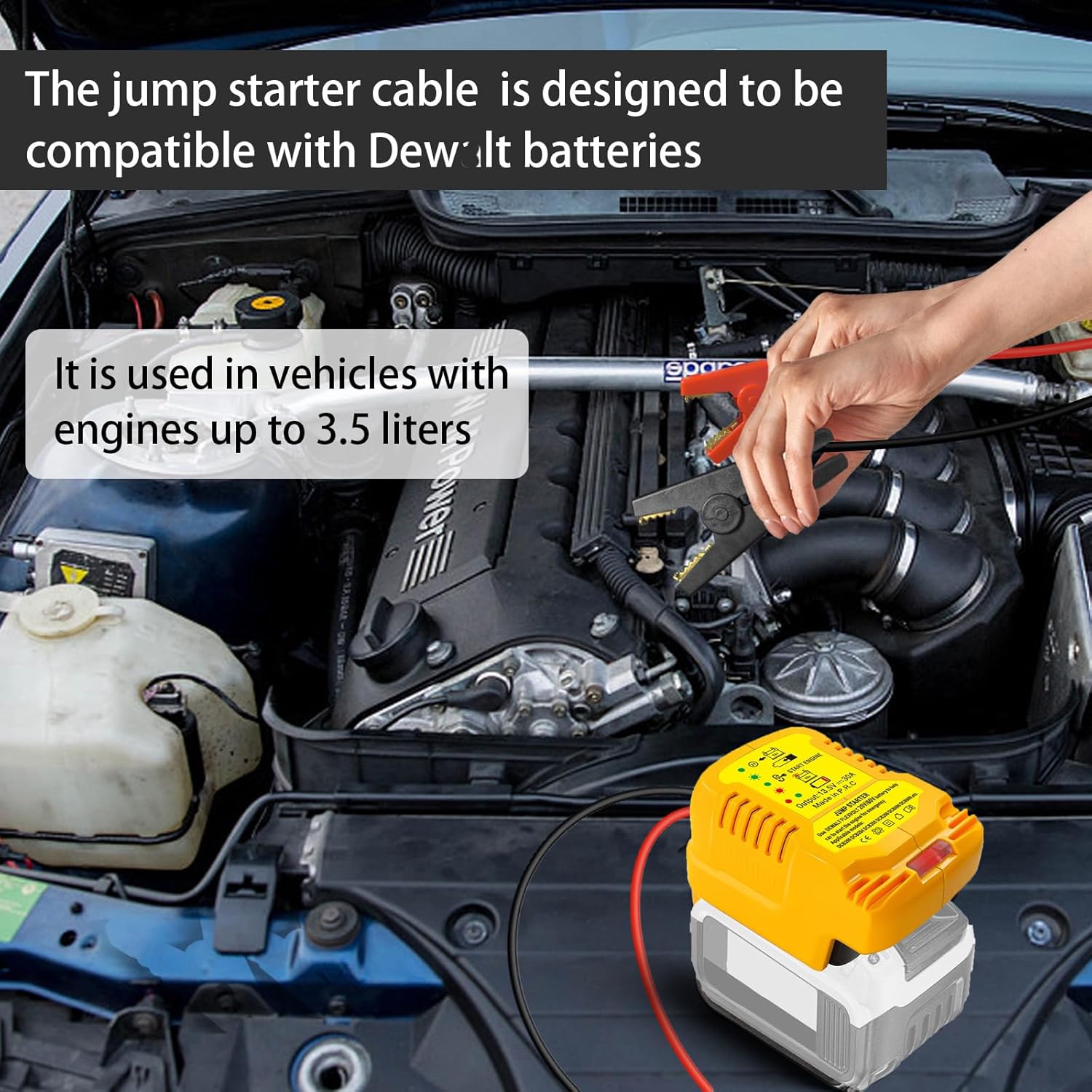
You can use the Car Jump Starters Adapter Compatible with DeWalt 20V MAX Batteries with 11AWG Jump kit Cable for use with Trucks, SUVs, Full-Size Cars, Small Compact Cars Vehicles as a portable solution that converts common DeWalt batteries into an emergency jump starter for 12V systems. This product is specifically made to let you plug popular DeWalt 20V and some 60V battery packs into a heavy-duty jumper cable assembly so you can revive a weak or dead automotive battery without a large dedicated jump starter unit.
What the Product Does
This adapter accepts compatible DeWalt battery packs and routes their power through 11AWG jumper cable and large alligator clamps so you can make the connection to your vehicle’s battery terminals. You get a compact, on-demand power source that’s intended for starting typical 12V vehicle engines in trucks, SUVs, full-size cars, mid-size cars, and small/compact vehicles.
What’s Included
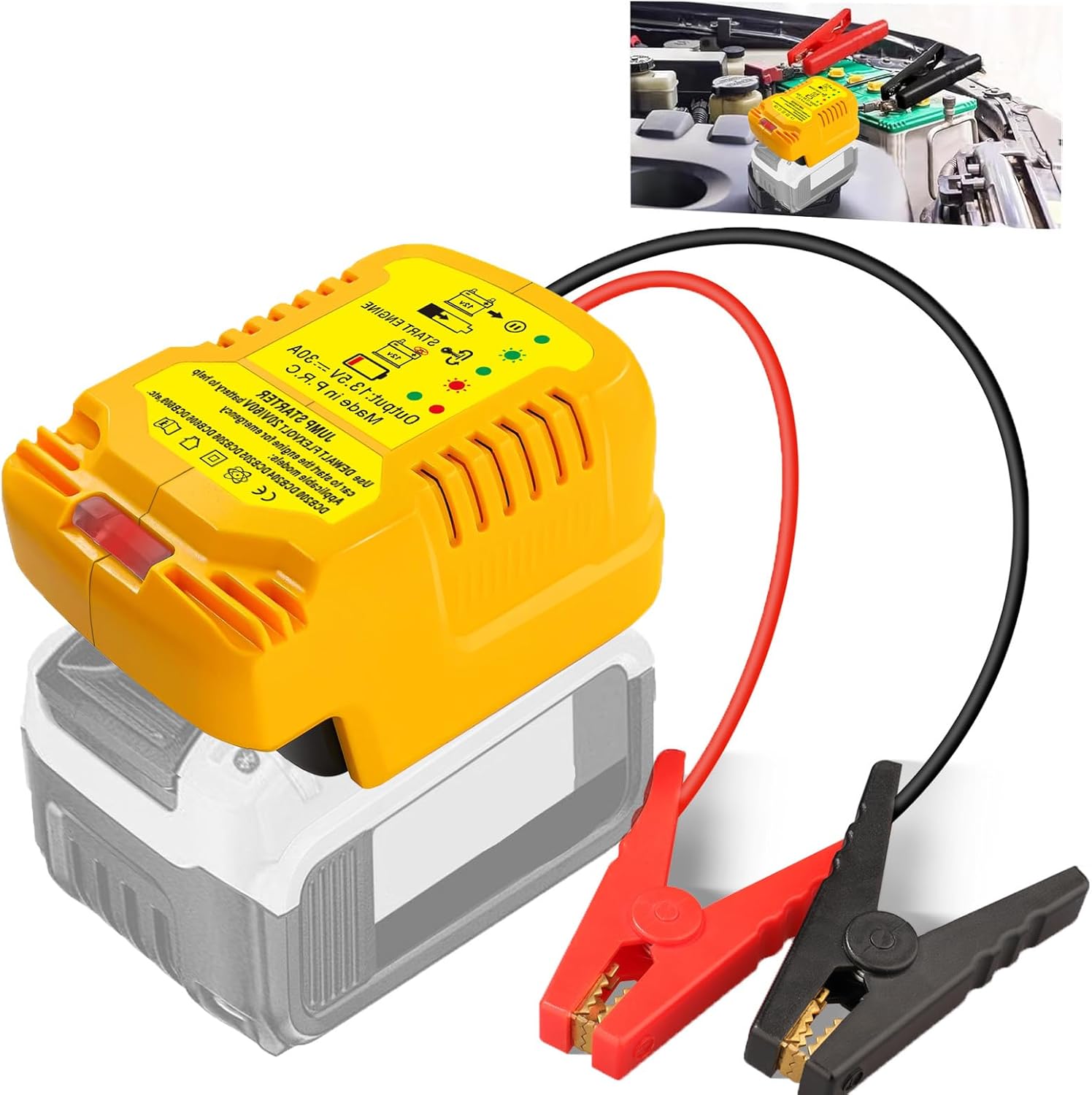
The kit typically includes the DeWalt-compatible battery adapter and an 11AWG jumper cable with two large alligator clamps, one red and one black, each with insulated handles for safety. The clamps are designed with strong jaws and jagged teeth for a better grip on battery terminals and posts, and the adapter portion plugs directly into the battery pack housing.
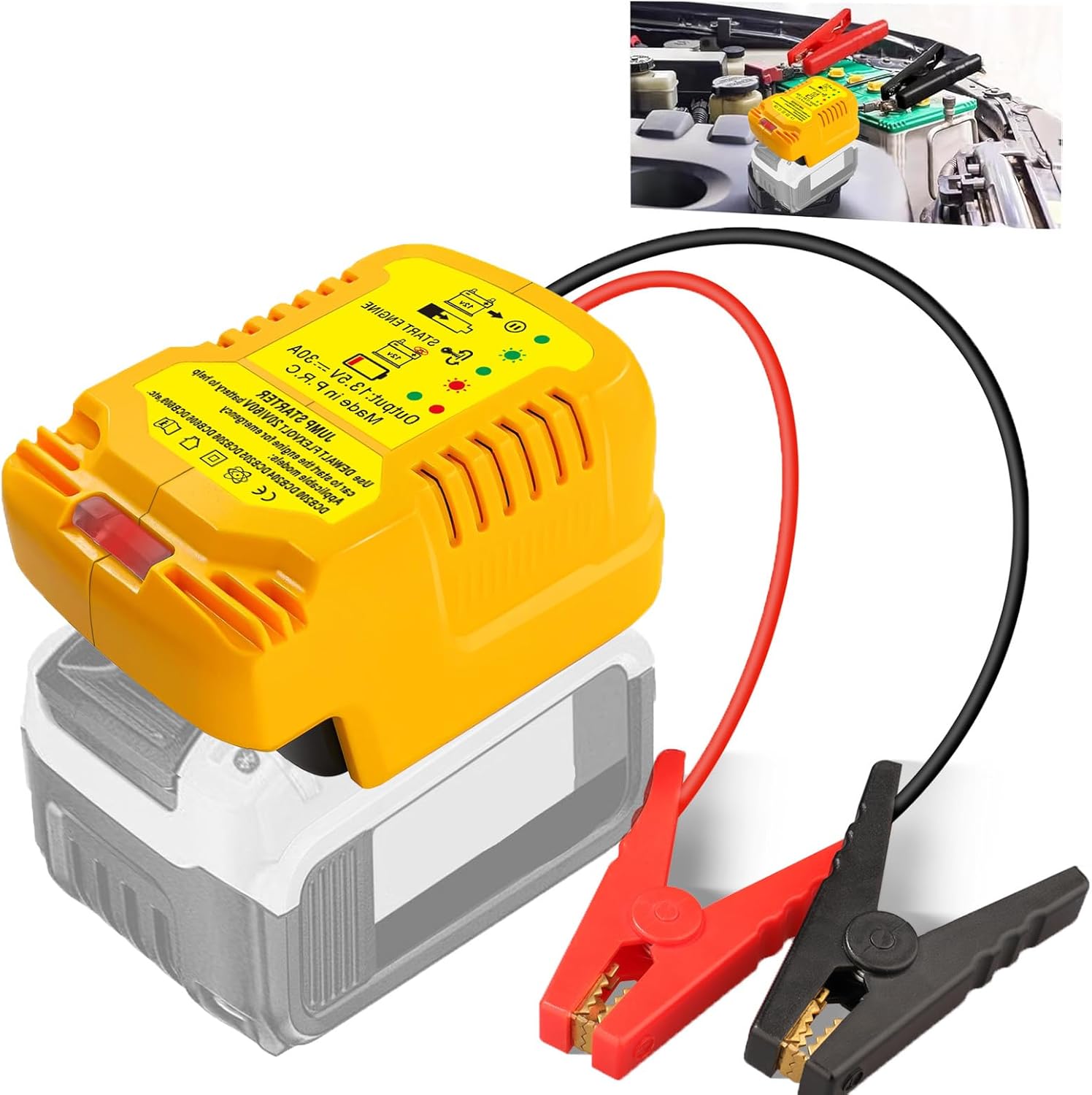
Car Jump Starters Adapter Compatible with DeWalt 20V MAX Batteries with 11AWG Jump kit Cable for use with Trucks, SUVs, Full-Size Cars, Small Compact Cars Vehicles
Key Specifications
Below is a straightforward breakdown of the main technical points so you can quickly see whether this adapter matches your needs and equipment.
| Feature | Specification / Note |
|---|---|
| Compatible Batteries | DeWalt 20V: DCB200, DCB201, DCB203, DCB204, DCB206; 60V: DCB606, DCB609 |
| Cable Gauge | 11 AWG jumper cable |
| Voltage Range | Designed for 12V vehicle systems |
| Target Vehicles | Trucks, SUVs, full-size cars, mid-size cars, small/compact cars |
| Clamp Type | Large alligator clamps with jagged teeth and insulated handles |
| Operating Temperature Range (claimed) | -4°F to 200°F (product claims) |
| Use Case | Jump-starting a dead or weak 12V battery in typical passenger and light-duty vehicles |
| Not Included | Dedicated air compressor or battery pack (if you need these, you must have compatible DeWalt batteries) |
Compatibility and Fit
You’ll want to confirm your battery and vehicle match the adapter’s design so you don’t waste time or risk damage when you need a jump. This unit was built to work with a specified range of DeWalt 20V and certain 60V packs, so checking model numbers is an important first step.
Which DeWalt Batteries Are Supported
This adapter is compatible with DeWalt 20V battery models DCB200, DCB201, DCB203, DCB204, and DCB206, and also with 60V battery models DCB606 and DCB609, giving you flexibility if you already own one of these packs. If you’re not sure about your battery model, examine the label on the pack or your DeWalt tool documentation to confirm before attempting a start.
Vehicles This Serves Best
The adapter is designed for 12V systems and is ideal for trucks, SUVs, full-size cars, mid-size cars, and small/compact cars, making it suitable for most daily drivers and light-duty vehicles. If you have a heavy commercial truck or diesel engine that requires very high cranking amps, you should not rely solely on this adapter without verifying that your battery pack can supply sufficient short-term surge current.
Design and Build Quality
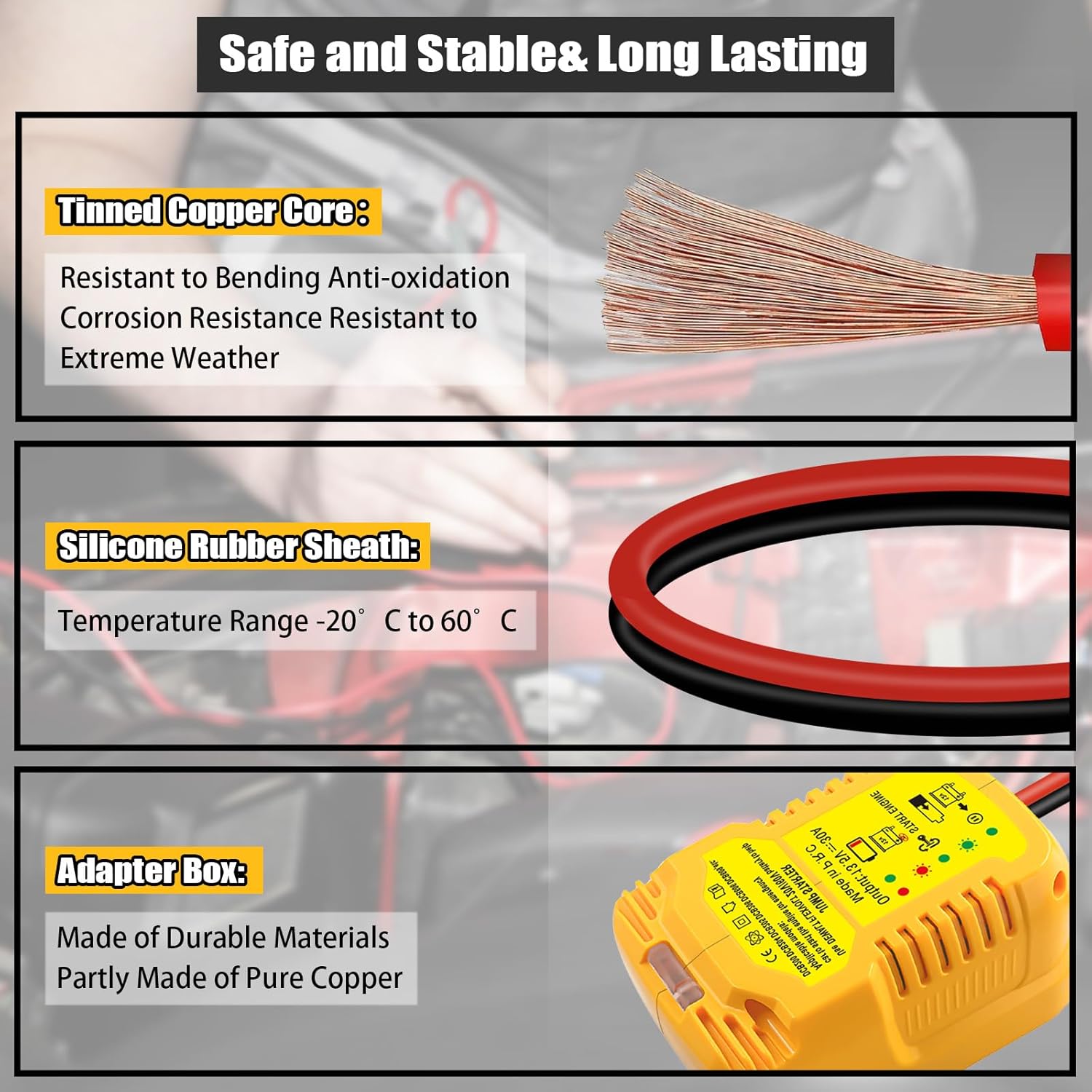
The product’s build is purposeful: a secure battery plug with heavy-gauge wiring and beefy clamps are the core elements, and those parts are what you’ll rely on in the field. The combination of an 11AWG cable and large clamps balances portability with the need to move current quickly during a short start attempt.
Cables and Clamps
The 11AWG cable is flexible and lighter than thicker gauges, which makes the kit easier to stow and handle while still being capable of jump-start duties for typical automotive batteries. The clamps are described as having strong jagged teeth and heavy springs that increase clamping force so you can get a secure connection even on older or corroded terminals.
Adapter and Connection Quality
The adapter that plugs into the DeWalt battery locks in like a normal tool attachment so you get a solid mechanical and electrical connection when properly seated. Because you’re using a tool battery as the power source, the adapter housing and contacts must be snug and clean to avoid intermittent starts and to maintain safety.
Performance Expectations
When you use this adapter, you should expect dependable starts for most gasoline engines in light vehicles if the DeWalt battery you use is charged and healthy, but it’s not a universal replacement for high-capacity automotive jump starters. Your actual success will depend on the battery pack’s charge level, the vehicle’s battery condition, engine size, and ambient temperature.
Starting Power and Limitations
The 11AWG cable is intended for jump-starting a dead or weak battery and can handle typical 12V cranking events for passenger vehicles, but it is not a substitute for heavy-duty jumper cables or a professional-grade battery booster when large cranking amps are required. If your vehicle has a very large engine, a heavily corroded battery or poor ground connections, or you need repeated starts, you should consider a higher-capacity solution.
Temperature Performance
The manufacturer claims this setup works in extreme temperatures from -4°F to 200°F, suggesting it will perform in cold winter mornings when many drivers need a jump; however, battery capacity reduces in low temperatures and you should expect reduced cranking ability on very cold days. In hot conditions, battery and clamp materials can handle higher temperatures, but you should still avoid exposing batteries to direct heat sources above manufacturer recommendations.
How to Use It — Step-by-Step
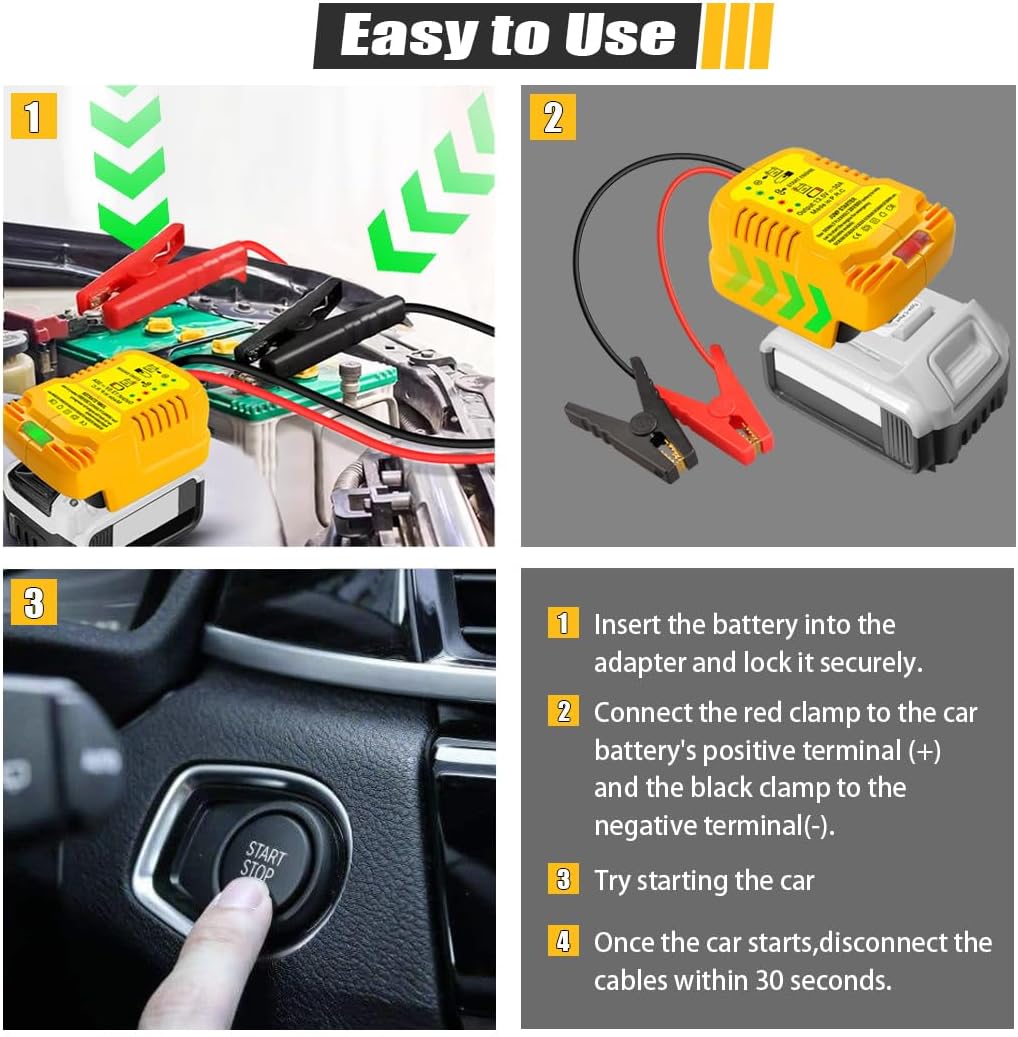
You’ll want to use the adapter carefully and methodically so you get a successful and safe start without damaging the battery or vehicle electronics. Follow these steps every time and always confirm polarity before powering up.
- Make sure the DeWalt battery you plan to use is fully charged and properly seated in the adapter; no loose connections.
- Turn off vehicle accessories like lights, radio, and HVAC to reduce the load on the starting system.
- Attach the red clamp to the vehicle’s positive terminal (+) and the black clamp to the negative terminal (-) or a clean unpainted metal ground point away from the battery if instructed by vehicle manufacturer.
- Ensure clamps have a firm grip and are not touching each other or other metal parts.
- Power the battery pack if it has a power switch or simply ensure the adapter is connected; then attempt to start the vehicle.
- Once the engine starts, remove the clamps in reverse order—negative first, then positive—and allow the vehicle to run for a few minutes so the alternator can begin recharging the vehicle battery.
- Safely stow the adapter and cables once everything is disconnected and the engine is running steadily.
Quick Tips for a Successful Start
If the engine doesn’t turn over on the first attempt, wait a minute before trying again so the battery pack doesn’t overheat and so you can reassess clamp connections. If you’re repeatedly unsuccessful, the problem may be the vehicle battery, starter, or corroded terminals rather than the adapter, so call for professional help.
Safety Tips and Warnings
You must follow safe practices when working around batteries because sparks, incorrect polarity, and loose connections can cause professional-level hazards. Always wear protective gear like gloves and eye protection and keep sparks and open flames away from batteries and fuel systems.
Polarity and Short-Circuit Risk
Make sure the red clamp goes to positive (+) and the black clamp goes to negative (-); reversing polarity can damage vehicle electronics and may cause the DeWalt battery pack to fail or create dangerous sparks. Never allow the clamps to touch each other while connected to a power source, and avoid laying the cable over sharp edges that can cut insulation.
When Not to Use the Adapter
If your vehicle has a heavily damaged battery that may leak acid, extreme corrosion on the terminals, or if you smell fuel or see significant electrical damage, don’t attempt to jump-start your vehicle with this adapter and instead get professional assistance. Also avoid using the adapter as a long-term power supply or for prolonged cranking—its purpose is short-duration engine starts.
Maintenance and Care
You’ll increase the lifetime and reliability of your adapter by keeping the clamps and cable clean, dry, and free from battery acid or other contamination. Store the adapter in a cool, dry place and inspect it for frayed wires or damaged insulation before each use.
Cleaning and Inspection Routine
Wipe the clamps and cable with a cloth to remove grease and corrosion, and lightly sand off oxidation on clamp teeth if necessary to restore good contact; always disconnect everything before cleaning. Periodically check the adapter’s contacts and battery interface for wear or damage and replace the kit if you find exposed wiring, loose connections, or excessive rust on clamps.
Storage Suggestions
Keep the adapter away from extreme heat and direct sunlight to protect the plastic and insulation, and avoid storing it in damp places where corrosion can form on the clamps. If you store your DeWalt batteries with the adapter nearby, keep them on a shelf and away from solvents or metal objects that could cause shorts.
Troubleshooting Common Problems
If you can’t get a start, don’t panic—there are a few common issues you can check quickly before calling for help. Systematically check battery charge, clamp contact, and the health of the vehicle’s starting system to isolate the issue.
No Crank When Attempted
If the engine doesn’t crank at all, confirm the DeWalt battery pack is charged and fully seated in the adapter; a partially seated pack can look connected but not deliver current. Also verify clamps are on solid metal and not loose or resting on painted surfaces or corrosion that prevents electrical contact.
Cranks Slowly or Intermittently
If the engine cranks slowly or the adapter seems to struggle, the DeWalt battery might not have enough instant current for your engine size or the vehicle battery may be severely sulfated and need replacement. Check for cold-weather effects too—battery capacity drops in the cold, so a warmer or freshly charged pack will perform better.
Pros and Cons
You’ll want to weigh the clear advantages against the limitations to decide if this adapter fits your personal needs and driving habits. It’s a great lightweight emergency tool if you already own compatible DeWalt batteries, but it is not a one-size-fits-all heavy-duty jump-start solution.
Advantages
If you already own DeWalt 20V or compatible 60V batteries, this adapter turns those packs into a ready jump-start source without much extra investment, making it an efficient use of existing gear. The large clamps and reasonably heavy cable offer a simple, portable way to get a vehicle moving on short notice, and the compact design makes it easy to store in a trunk or garage.
Drawbacks
The 11AWG cable limits the maximum short-term current relative to thicker gauges, so starting very large engines or repeatedly attempting starts in tough conditions might exceed what the pack and cable can safely provide. Also, the adapter’s performance hinges on the DeWalt battery’s charge and health, so if you use the adapter infrequently, you’ll need to keep batteries charged and maintained.
Comparison to Dedicated Jump Starters
If you compare this adapter to dedicated jump starter units, you’ll find a trade-off between portability and sustained power; dedicated units often have higher peak cranking amps, integrated safety features, and additional functions like built-in compressors or USB outputs. However, the adapter wins for weight and convenience if you already own compatible DeWalt batteries and want to avoid carrying a separate heavy device.
When to Pick This Adapter Over a Dedicated Unit
Choose this adapter if you already have DeWalt batteries and you need a lightweight, stowable emergency option that can handle occasional starts for small to medium vehicles. It’s also a good fit if you prefer modular, multi-use tool ecosystems where a single battery can power several devices.
When to Choose a Dedicated Jump Starter
Opt for a dedicated jump starter if you need frequent jump-starts, have a large engine or diesel vehicle that requires very high cranking amps, or you want an integrated unit with multiple built-in safety and charging features. Dedicated units generally offer higher peak current, longer standby life, and are designed specifically for automotive starting tasks.
Real-World Use Cases
You’ll find this adapter valuable for weekend projects, rural or remote parking where another vehicle isn’t close by, and emergency kits for seasonal travel when cold starts are more likely. It also works well for people who already use DeWalt batteries for tools and want to keep one battery dedicated to emergency vehicle starts.
Ideal Scenarios
If you frequently use DeWalt tools and already have spare batteries, keeping this adapter in your trunk alongside a charged battery gives you an immediate solution for an unexpected dead battery. It’s especially handy if you drive smaller vehicles or need a backup plan for short trips and errands.
Less Ideal Scenarios
This adapter is less suitable for fleet vehicles, commercial trucks, or heavy diesel pickups that routinely require higher cranking amps or repeated jump-starts during the day. If your work depends on immediate and reliable starts under extreme loads, a more robust, dedicated system will be a safer investment.
Cost and Value Consideration
When you evaluate the price, think about whether you already own compatible batteries and how often you’ll use the adapter; if you use DeWalt batteries regularly, this accessory can add significant value at a modest cost. For buyers who must purchase a dedicated battery pack solely for jump-start uses, the total cost might edge closer to that of an inexpensive dedicated unit, so crunch the numbers based on your usage.
Long-Term Value
If you maintain your DeWalt batteries and keep one charged for emergency use, the adapter becomes an economical, multi-purpose accessory that leverages batteries you likely already own. Over time, not having to buy and maintain a separate heavy jump starter can be a real convenience and savings.
Frequently Asked Questions (FAQ)
You might have a few practical questions before you buy or use this adapter, and these short answers should help you plan and stay safe.
Can I use any DeWalt 20V battery?
No, only the specified models like DCB200, DCB201, DCB203, DCB204, and DCB206 are explicitly listed as compatible, and some 60V models like DCB606 and DCB609 are also mentioned; always verify model numbers on your battery label. Using incompatible batteries can cause poor contact, insufficient current, or damage to the adapter or battery.
Will this damage my vehicle’s electronics?
If you connect the clamps correctly and follow standard jump-start procedures, the risk to vehicle electronics is low, but any jump-start carries some risk of voltage spikes; always connect in the recommended order and avoid powering accessories during the procedure. If you are concerned about sensitive electronics, consult your vehicle manual or a professional.
How many starts can I get from one battery pack?
The number of starts depends on the battery’s capacity, its charge level, and the vehicle’s cranking requirements; you should treat the DeWalt battery as a finite resource and recharge it after use. For occasional emergency use, one or a few starts per fully charged tool battery is typical, but exact numbers vary widely.
Troubleshooting Checklist Before Calling for Help
You’ll save time if you go through a short checklist before assuming the kit is defective or the vehicle needs towing. Follow these quick checks to identify common and solvable issues.
- Confirm the DeWalt battery is fully charged and correctly inserted into the adapter.
- Verify the clamps are on clean metal and not on heavily corroded or painted surfaces.
- Make sure no accessories are drawing power during the start attempt and try again after a short wait.
- If you still can’t start, test the vehicle’s battery and starter or call a professional.
Final Verdict
If you already have compatible DeWalt batteries and want a compact, cost-effective emergency jump-start solution, the Car Jump Starters Adapter Compatible with DeWalt 20V MAX Batteries with 11AWG Jump kit Cable for use with Trucks, SUVs, Full-Size Cars, Small Compact Cars Vehicles is a solid option that delivers convenience and portability. You’ll appreciate the large clamps, straightforward operation, and the ability to use multi-purpose batteries, but you should remain mindful of the adapter’s current limits and temperature-related performance changes and not expect it to replace heavier-duty, high-amp jump starters for large engines or professional applications.
Final Buying Recommendation
Choose this adapter if your primary goals are portability, leveraging existing DeWalt batteries, and occasional emergency starts for passenger and light-duty vehicles; if you require frequent or heavy-duty starts, pair it with a purpose-built jump starter or invest in a higher-capacity solution. Keep your batteries charged, practice proper clamp and polarity procedures, and you’ll have a dependable, on-hand tool that can get you back on the road when you need it most.
Disclosure: As an Amazon Associate, I earn from qualifying purchases.