
Want a compact, heavy-duty cable that can turn your portable power station into a reliable jump starter for your vehicle?

Quick summary
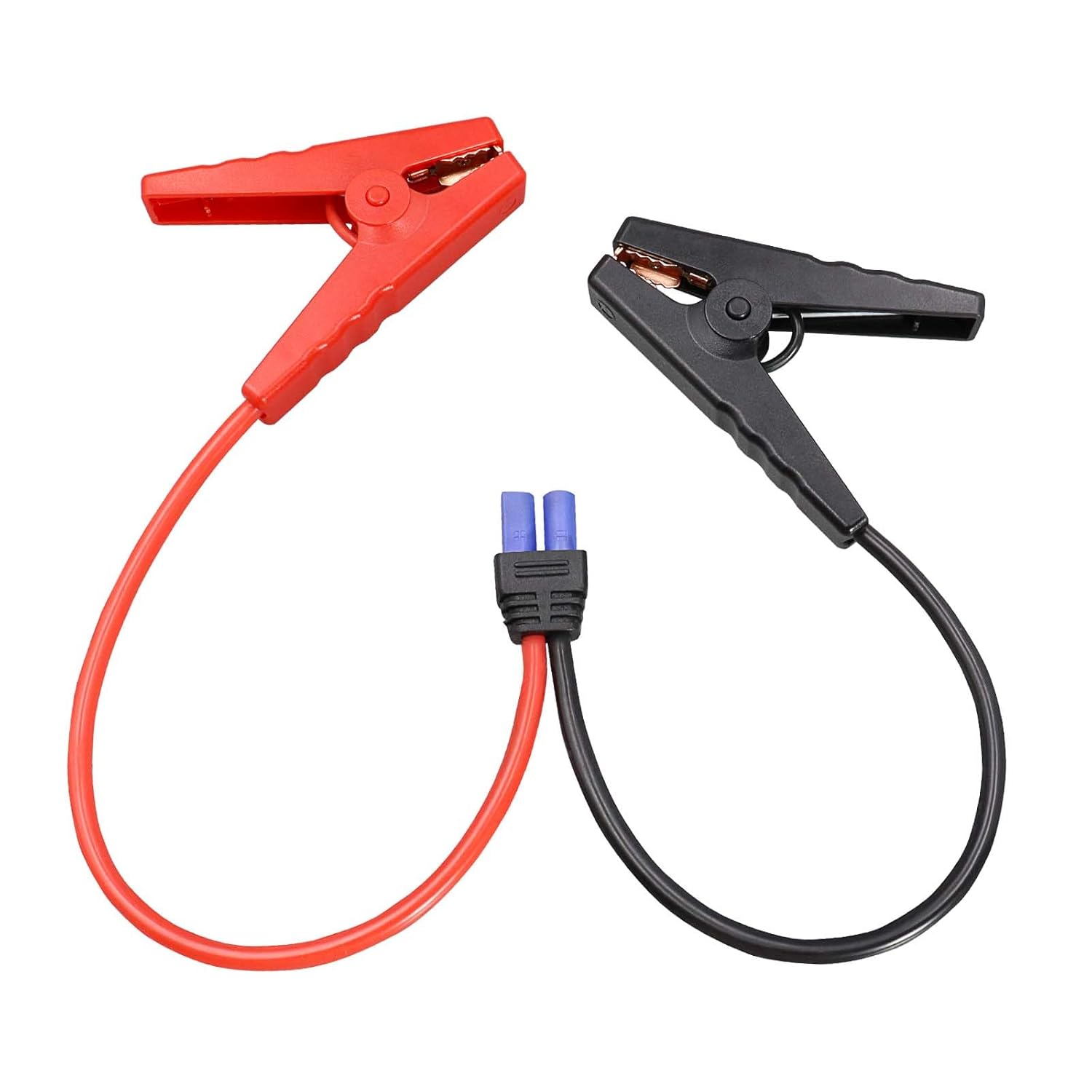
You’ll get a specialized replacement jumper cable designed to work with EC5 male-output portable jump starters and mobile chargers. It uses 10 AWG silicone-insulated wire and strong alligator clamps to deliver high current in short bursts when your vehicle battery needs a kick.
What this product is
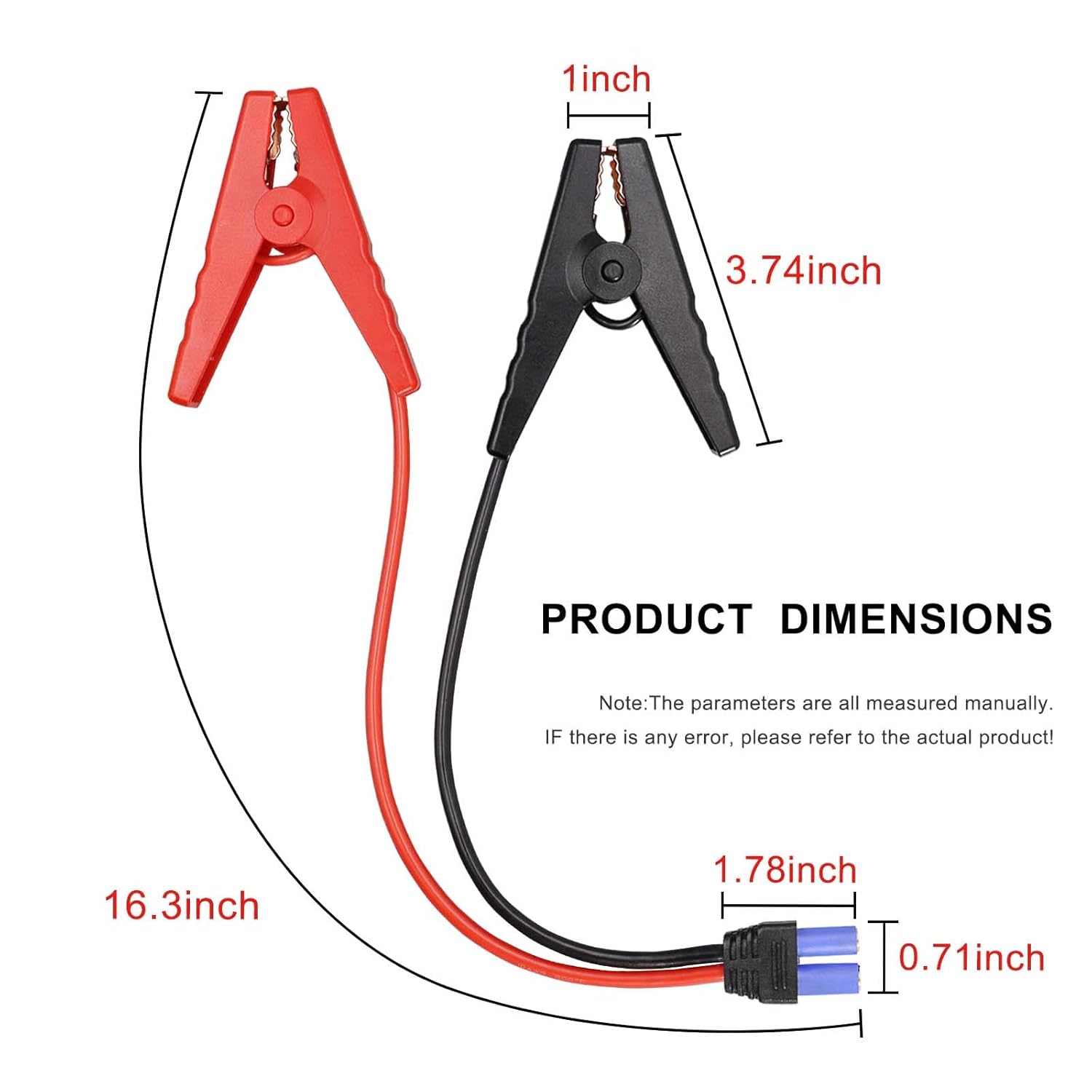
You’re looking at the EC5 Emergency Jump Starter Cable for Car with Alligator Clamps, Heavy Duty Automotive Booster Cables for Battery Compatible with 10AWG Silicone Wire for Portable Power Station, Vehicle Battery. It’s an upgraded cable assembly that replaces or complements the cables that come with many mini jump starters, giving you a higher-current path between the power station and your car battery.
Specifications and quick facts
You should be able to see the key specs at a glance so you can confirm compatibility and capability before you buy. The table below breaks down the most important technical details and why they matter to you.
| Feature | Details | Why it matters |
|---|---|---|
| Cable gauge | 10 AWG silicone wire | Thick enough for high short-term current; silicone jacketing stays flexible in cold weather. |
| Connector | EC5 female plug | Matches common portable jump starters with EC5 male output; secure connection. |
| Clamps | Heavy-duty alligator clamps, pure copper conductor | Good conductivity, lower thermal resistance, better clamp contact and corrosion resistance. |
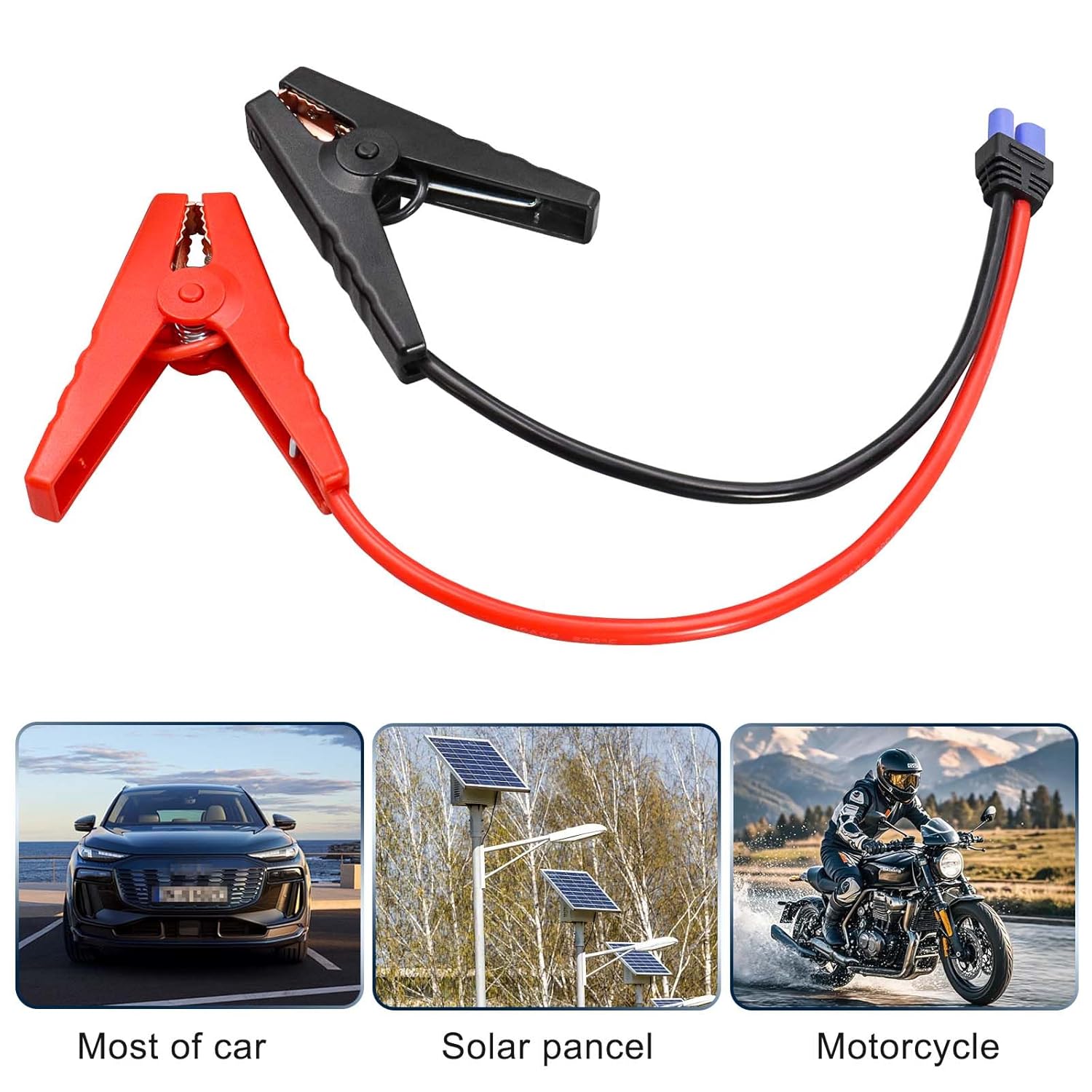
| Compatibility | Most 12V mini jump starters and mobile chargers with EC5 male output | Lets you use your portable power station to jump a dead or weak battery. |
| Use rating | Short-term high current surges (starter assistance) | Intended for jump-start bursts, not continuous heavy loads. |
| Safety note | Remove within 30 seconds of engine start; check power station support | Prevents damage to cable, clamps, or power station and lowers safety risk. |
| Jacket material | Silicone rubber | Flexible, heat-resistant, and weather-tolerant. |

Key features explained
You’ll want to know what makes this cable different from basic jumper leads and whether those differences matter for your needs. Below you’ll find the primary features and how they affect performance and convenience.
Upgraded connectors for higher current flow
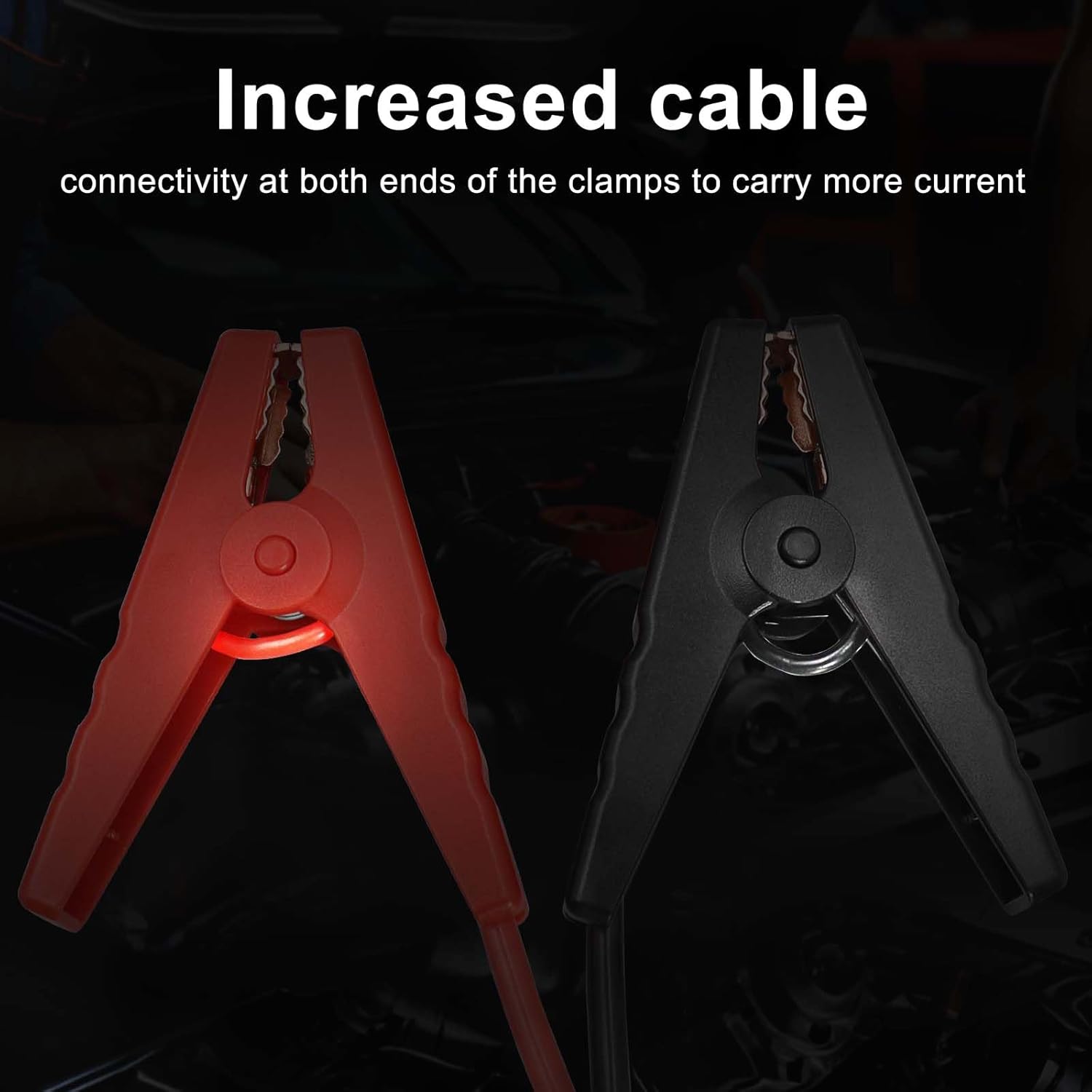
You’ll appreciate that the connectors are optimized for higher current delivery. That means the cable can handle the quick, intense power surges required to crank an engine more effectively than many stock cables that come with small jump starters.
10 AWG silicone-insulated wire
You’ll notice the thick 10 AWG conductor and silicone jacket when you handle the cable — it’s stiff enough to carry surge current but also stays flexible in cold temperatures. Silicone insulation resists cracking and keeps the cable usable in a range of climates.
Pure copper conductor and strong clamps
You’ll get clamps with pure copper conductors, which have higher conductivity and lower thermal resistance than tinned copper, helping reduce heat at contact points. Strong clamp jaws mean a better mechanical connection to battery terminals and less chance of slipping during use.
EC5 female connector for compatibility
You’ll plug the cable into EC5 male outputs commonly found on many mini jump starters and portable power stations. The EC5 connection is secure and intended for high-current applications, which helps reduce voltage drop at the connection point.
Build quality and materials
You’ll want durable components for a safety-critical item like jumper cables, and this product offers several material choices that favor longevity and safe operation. Here’s what you should expect when you inspect one.
Cable feel and flexibility
You’ll find the silicone jacket remains pliable even in low temperatures, so you can manipulate the cable without it getting rigid or cracking. The 10 AWG core gives the cable enough substance to conduct high current without being overly bulky.
Clamp durability and grip
You’ll see robust clamp jaws with strong springs and teeth that bite into terminal posts for a reliable connection. Pure copper conductors in the clamps reduce the chance of overheating during the short bursts used to start an engine.
Connector robustness
You’ll notice the EC5 female plug is molded and designed to maintain a snug fit with matching EC5 male sockets. A secure connector minimizes arcing and voltage drop when you need maximum current to turn the starter motor.
Compatibility and what to check before buying
You’ll want to confirm compatibility so you don’t buy a cable that doesn’t fit your gear or is unsafe to use with your power station. Here are the steps and checks you should do.
Confirm your power station output
You should check whether your portable jump starter or power station has an EC5 male output and supports providing the surge current necessary for cranking a 12V engine. If your power station cannot supply sufficient current, the cable alone won’t get the engine turning.
Vehicle battery and engine size considerations
You should consider your vehicle’s engine displacement and battery condition; small economy cars need less starting current than large trucks or diesels. This cable is intended for jump-starting 12V systems and most passenger vehicles, but very large engines or heavily sulfated batteries may present a challenge.
How to use it — step-by-step
You’ll want a clear, simple procedure to follow when you need a jump start. Handle the process carefully and keep safety top of mind. Below are the steps you should follow.
Connection sequence
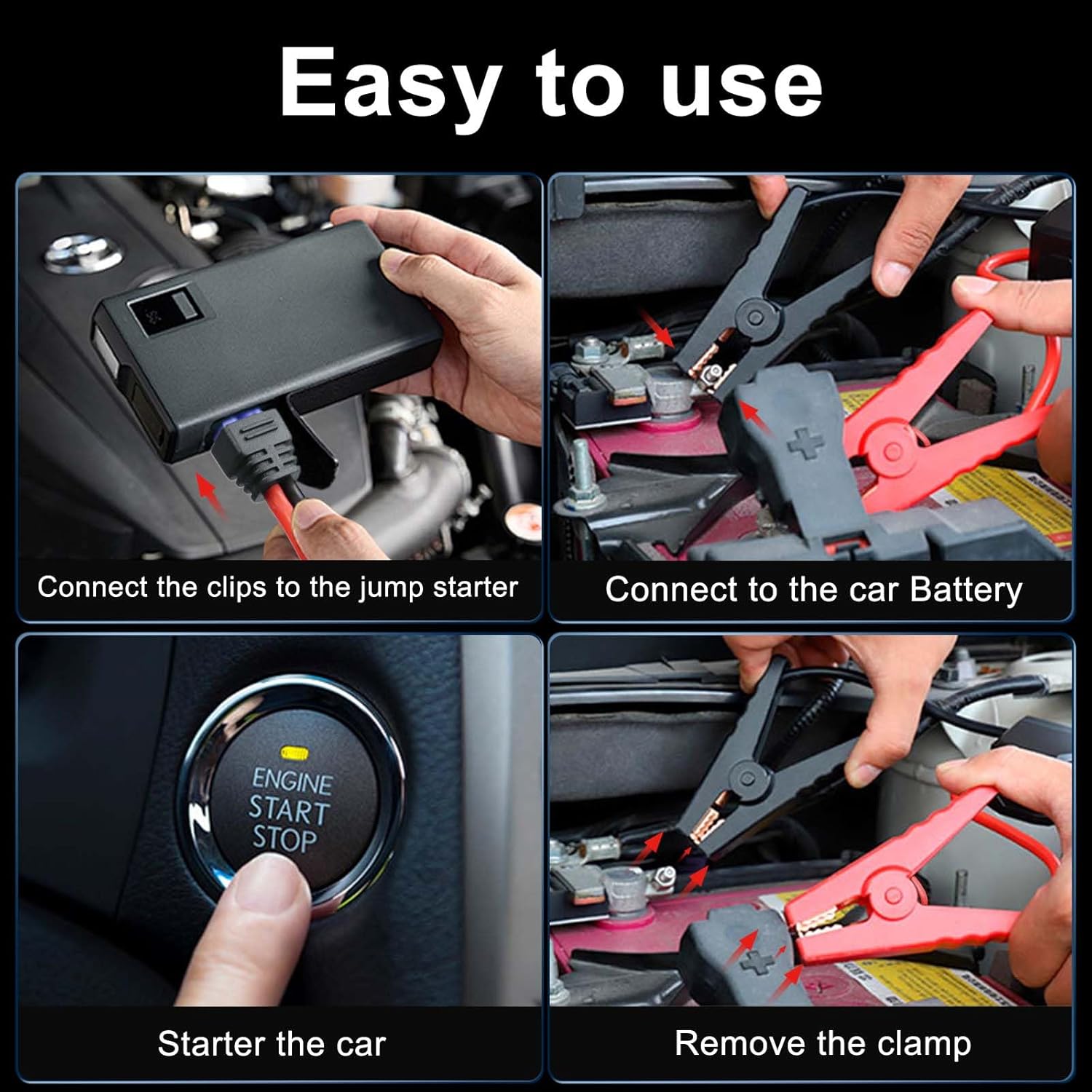
- You should connect the red clamp to the vehicle battery’s positive (+) terminal first.
- You should then connect the black clamp to the vehicle battery’s negative (-) terminal or a solid chassis ground away from the battery.
- You should plug the EC5 female connector into the EC5 male socket on your jump starter or power station.
- You should then start the vehicle once the connections are secure.
- You should remove the clamps within 30 seconds after the engine starts to avoid overloading the cable or power station.
Safety warnings during use
You should never reverse the order of operations and you should always check that connections are secure and corrosion-free. You should also ensure the power station is rated to support engine cranking for your vehicle — otherwise you risk damaging the power station or the cable.
Performance in real-world use
You’ll want to know what to expect when you actually use the cable to start your vehicle. Performance depends on several factors, but this cable is built to handle typical jump-start scenarios.
Starting ability and surge delivery
You’ll usually get the quick high-current surge needed to spin the starter on most 12V passenger cars. The 10 AWG silicone conductor and optimized connectors reduce voltage drop so more power reaches the starter motor.
Typical limitations
You’ll run into limits when the battery is severely drained, sulfated, or the engine requires very high cranking amps (for example, large diesel engines). You should treat the cable as a short-term starter assist rather than a continuous power conductor.
Safety considerations and best practices
You’ll be safest when you follow a few simple precautions every time you use these cables. They’re intended for short-term, high-current use and require responsible handling.
Time limits and heat
You should remove the cable from the vehicle within 30 seconds of the engine starting to minimize the risk of overheating or damaging the power station. You should also allow time between repeated attempts to avoid continuous heating.
Correct sequence and polarity
You should attach the red clamp to positive first and the black clamp to negative or ground second. You should never reverse polarity — doing so can cause sparks, damage to electronics, battery explosion, or injury.
Inspect before each use
You should inspect the clamps, wires, and connector for frays, corrosion, or damaged insulation. You should not use the cable if any component is visibly damaged.
Pros and cons
You’ll want a concise list of advantages and potential drawbacks to decide if this cable fits your needs.
Pros
- You’ll get higher current capacity than many stock jump starter leads.
- You’ll appreciate the silicone jacket’s flexibility in cold weather.
- You’ll benefit from pure copper conductors for improved conductivity and lower heat generation.
- You’ll find the EC5 connector matches many popular portable jump starters and power stations.
Cons
- You’ll need to confirm your power station supports the current draw; the cable alone won’t guarantee success.
- You’ll still be limited by the power station’s peak output and the vehicle’s condition.
- You’ll have to keep a close eye on the 30-second removal recommendation to avoid safety issues.
Who this cable is best for
You’ll buy this cable if you own a compatible EC5-output portable jump starter or power station and want a more robust, higher-current lead than what came in the box. It’s useful for drivers who travel in cold climates, people who keep a power station for emergencies, and anyone who wants a reliable replacement cable.
Not ideal for some users
You shouldn’t rely on this cable if your vehicle is a large diesel that typically needs very high cranking amps, or if your power station is underpowered. You also shouldn’t use it as a substitute for continuous heavy-duty electrical connections — it’s made for short bursts only.
Comparison with regular jumper cables and stock leads
You’ll want to understand how this product stacks up versus standard jumper cables and the small leads that usually ship with mini jump starters.
Versus stock mini-jump cables
You’ll typically notice improved current delivery and sturdier clamps compared with many stock cables that come with mini jump starters. The EC5 connector and 10 AWG gauge reduce voltage drop and are less likely to overheat during start attempts.
Versus full-size traditional jumper cables
You’ll find full-size jumper cables have thicker conductors and longer reach for use with another running vehicle. You’ll still rely on the power source: if you have the ability to use another vehicle, traditional jumper cables may be more robust, but they require a second vehicle. This product’s advantage is working seamlessly with portable EC5-equipped power stations.
Maintenance and storage
You’ll get longer life and safer operation by following a few maintenance guidelines. Proper storage keeps the silicone jacket and connectors intact.
Cleaning and corrosion prevention
You should wipe clamps clean and remove any corrosion on battery terminals before use. You should treat clamps with a light protective coating if you live in salty or humid environments to reduce corrosion over time.
Proper coiling and storage
You should loosely coil the cable and store it in a dry place away from direct sunlight and extreme heat to prevent premature silicone degradation. You should avoid sharp bends near the connector or clamps and keep the EC5 connector protected from dust and moisture when not in use.
Troubleshooting common issues
You’ll appreciate having quick fixes for common problems so you can get back on the road faster.
No engine crank after connecting
You should check that the EC5 connector is fully seated, clamps are tightened on clean metal, and the power station is powered on and capable of delivering the necessary peak current. You should also try connecting the black clamp to a clean metal chassis ground if the negative terminal is corroded.
Overheating clamps or cable
You should stop immediately if you notice excessive heat, smoke, or melting. You should give components time to cool and inspect for damage before using again. Overheating usually means either a poor connection or a device trying to draw more than the power station or cable can safely provide.
Sparking at the connection
You should ensure proper polarity and make sure the connection sequence is followed. You should double-check that no metal parts are creating unintended bridges and remove jewelry or loose items that could cause short circuits.
Frequently asked questions (FAQ)
You’ll likely have a few specific questions — here are clear answers to the most common ones.
Will this cable work with my power station?
You should confirm that your power station has an EC5 male output and can provide the surge current necessary to crank your vehicle. If your power station lacks EC5 or is rated for low current only, this cable will not be usable for jump-starting.
How long can I leave the cable connected?
You should remove the cable within 30 seconds after the engine starts, as recommended by the manufacturer, to reduce risk of damage or overheating. If the engine doesn’t start after a few attempts, wait and reassess rather than keeping the cable connected continuously.
Can I use this cable for other purposes?
You should restrict use to jump-starting tasks and temporary high-current connections that your power station supports. The cable is not intended for prolonged heavy loads or as a replacement for full-time battery connections.
Comparison chart with a couple popular alternatives
You’ll benefit from seeing how this cable compares against a basic mini-jump lead and a full-size traditional jumper cable for quick decision-making.
| Attribute | EC5 Emergency Jump Starter Cable (10 AWG) | Basic Mini-Jump Lead (stock) | Full-Size Jumper Cables |
|---|---|---|---|
| Connector type | EC5 female | Often proprietary or direct clamps | No connector (clamps only) |
| Typical wire gauge | 10 AWG | Often thinner (12–16 AWG) | 4–6 AWG (thicker) |
| Best use | Portable power station to battery | Small jump starters | Running vehicle assistance |
| Cold-weather flexibility | High (silicone jacket) | Often low | Varies (rubber/PVC) |
| Peak current capacity | High for short bursts | Lower | Very high (if thick gauge) |
| Portability | Compact | Compact | Bulky |
Real user scenarios and sample outcomes
You’ll find it helpful to imagine practical situations in which this cable can save time and stress.
Scenario 1 — Cold morning start on a compact car
You’ll plug the cable into your EC5-equipped power station on a freezing morning and connect the clamps to your compact car’s battery. You’ll typically see a successful crank within one attempt if the battery condition isn’t severely degraded.
Scenario 2 — Road trip emergency for a family sedan
You’ll keep the cable in your trunk as part of an emergency kit for road trips. If a battery drains from interior lights or accessories, you’ll use your power station and this cable to get moving again without needing help from another vehicle.
Scenario 3 — Larger vehicle with weak battery
You’ll find that for a larger SUV or a vehicle with serious battery issues, the cable may not be enough if the power station can’t meet the required cranking amps. In that case, you’ll need a more powerful power station or a running vehicle to jump-start safely.
Final verdict
You’ll find the EC5 Emergency Jump Starter Cable to be a clear upgrade over flimsy stock leads for anyone using an EC5-output portable jump starter. It’s practical, flexible, and built with materials that prioritize conductive efficiency and durability.
Who should buy it
You should buy this if you own a compatible EC5-output portable jump starter, want improved starting performance, and prefer a cable that keeps working in cold conditions. You should also buy it if you want stronger clamps and better-conducting materials than what often comes with compact jump packs.
Who should consider alternatives
You shouldn’t buy this if your power station lacks EC5 output, if you typically rely on another running vehicle to jump your car, or if you need cables intended for continuous high-current use. In those situations, full-size jumper cables or different adapter options may be more appropriate.
Purchase and usage tips
You’ll get the best service life and safety if you follow a few practical tips when using and storing this cable.
Before you buy
You should verify that your jump starter/power station uses EC5 male connectors and can support engine cranking for your vehicle type. You should also ensure the cable length and clamp style suit how you intend to connect to your battery.
After you buy
You should store the cable away from moisture and test it periodically with your power station so you’re familiar with the process if an emergency occurs. You should practice a safe connection procedure once or twice in a non-emergency setting so you’re ready if a dead battery happens.
Closing thoughts
You’ll find this cable to be a logical upgrade if you want more reliable, higher-current capability for jump-starting with a compatible portable power station. It’s not a miracle cure for very large engines or heavily damaged batteries, but it’s a smart, relatively inexpensive addition to your emergency kit that can make a real difference when you need a quick, safe start.
If you’d like, you can tell me the model of your portable power station and your vehicle make/model, and I’ll help confirm compatibility and expected performance.

Disclosure: As an Amazon Associate, I earn from qualifying purchases.