
Looking for a compact, travel-ready power station that can actually keep your CPAP, phone, and mini-fridge running without weighing you down?

First impressions and who this is for
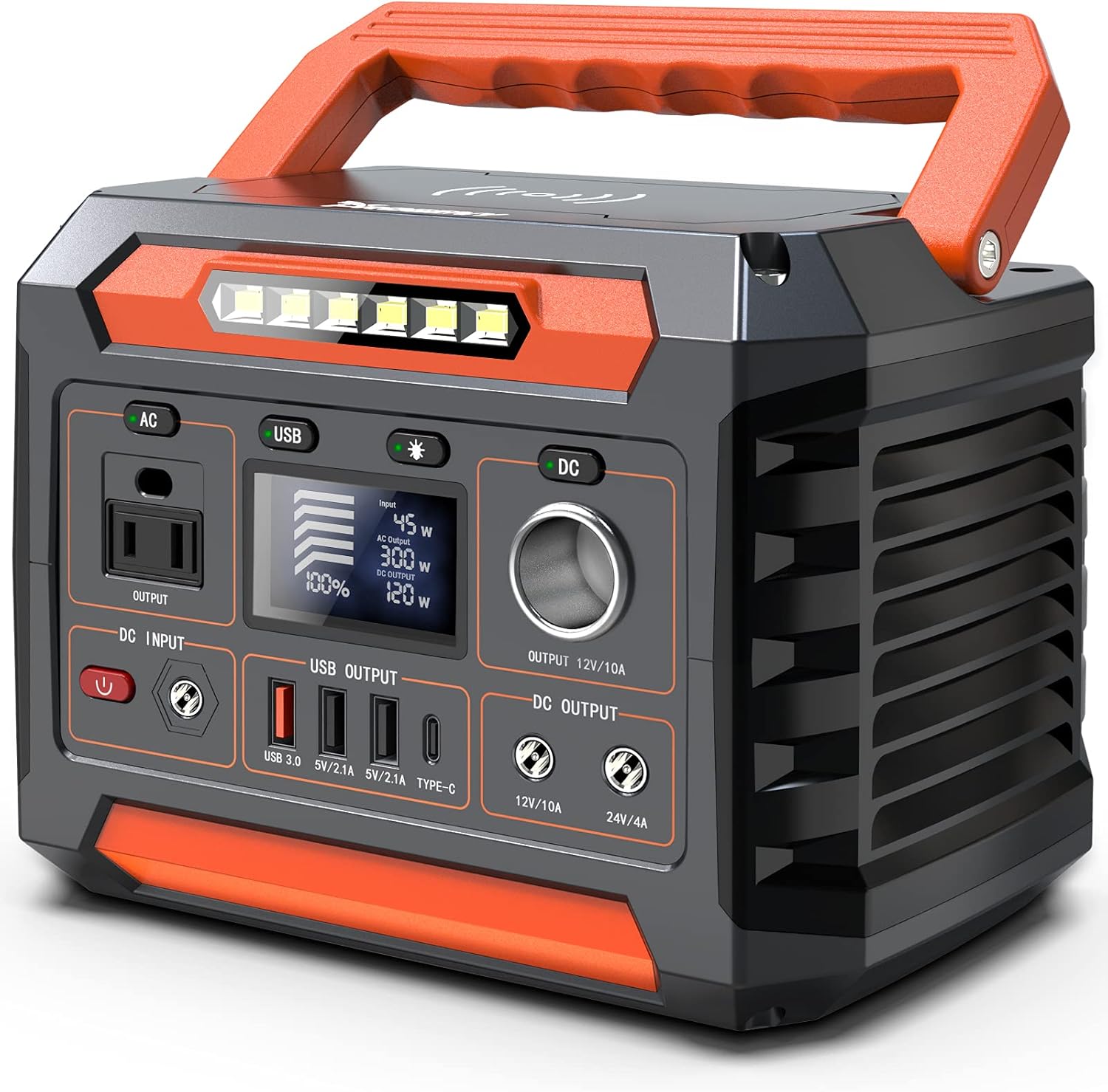
When you first pick up the PROGENY 300W Portable Power Station, you’ll notice it’s lighter than you might expect for a 299Wh capacity unit. At about 7 lb, you can carry it comfortably to your campsite, stash it in a car trunk for road trips, or keep it ready for home emergencies.
If you need a medium-capacity battery that balances portability with useful power output, this unit is aimed right at you. It’s particularly suited for campers, van lifers, weekend travelers, and anyone who needs reliable backup power for sensitive devices like CPAP machines and laptops.
The selling points at a glance
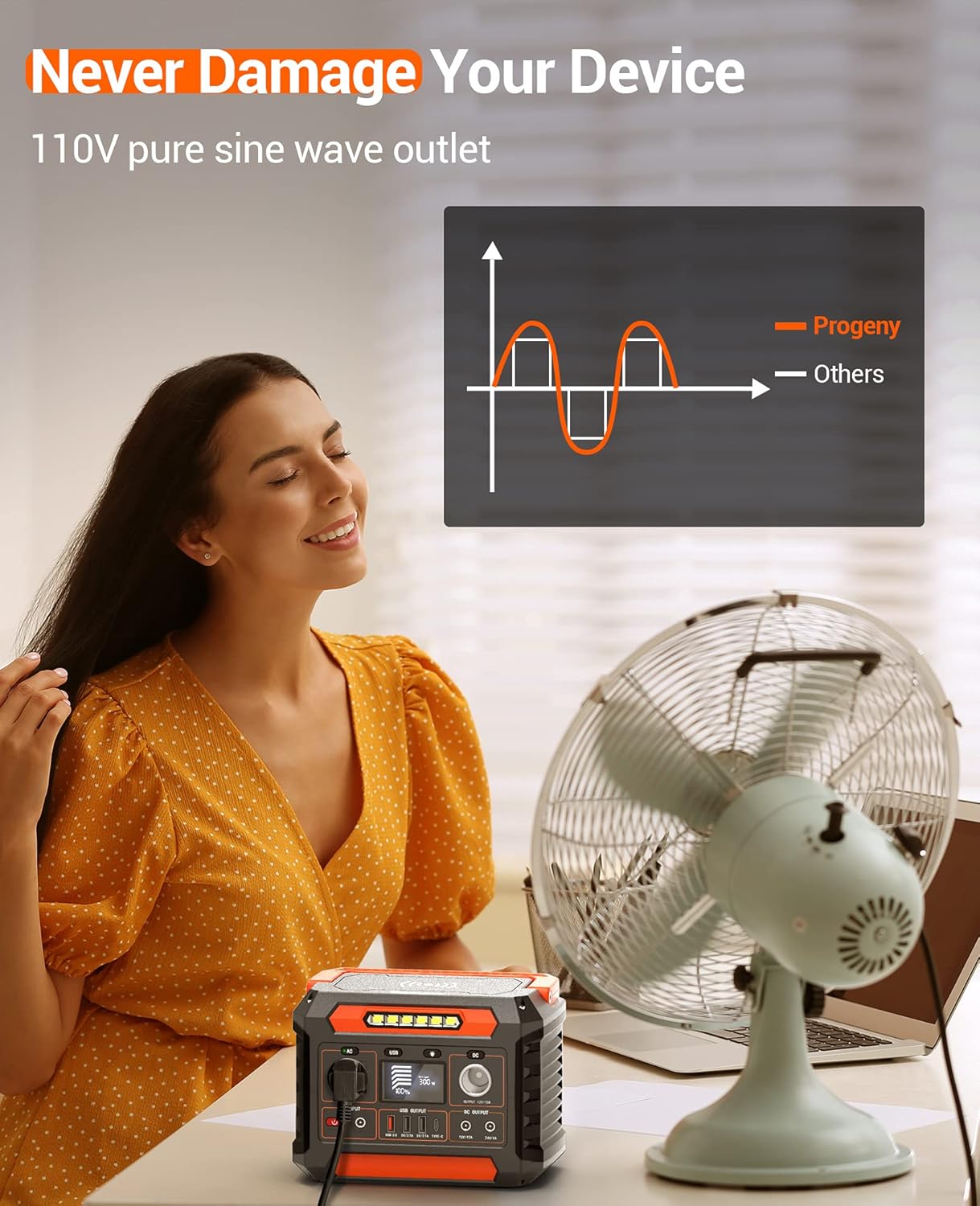
You’ll find a few strong reasons to consider this model: a regulated 12V output that prevents shutdowns on low battery, pass-through charging on all ports, a pure sine wave AC outlet, and MPPT-compatible solar charging. Those features make this unit both practical and versatile for a wide range of uses.
These highlights matter because they solve real annoyances: no more random device shutdowns from voltage sag, the ability to charge devices while charging the power station, and cleaner AC power for sensitive electronics.
Key specifications and what they mean for you
Here’s a compact table that summarizes the most important specs so you can quickly see how the unit fits your needs.
| Specification | Value | Why it matters to you |
|---|---|---|
| Capacity | 299Wh / 80818mAh | Enough for several phone charges, multiple laptop charges, and short appliance runs. |
| Weight | 7 lb | Very portable — easy to carry and fit into travel gear. |
| AC Output | 110V pure sine, 300W rated, 600W peak | Power small appliances and sensitive electronics with clean AC power and room for short surges. |
| DC Output | 12V regulated, 10A (120W max) | Keeps DC devices stable (CPAP, cooler, 12V fridge) and prevents shutdowns when battery drops. |
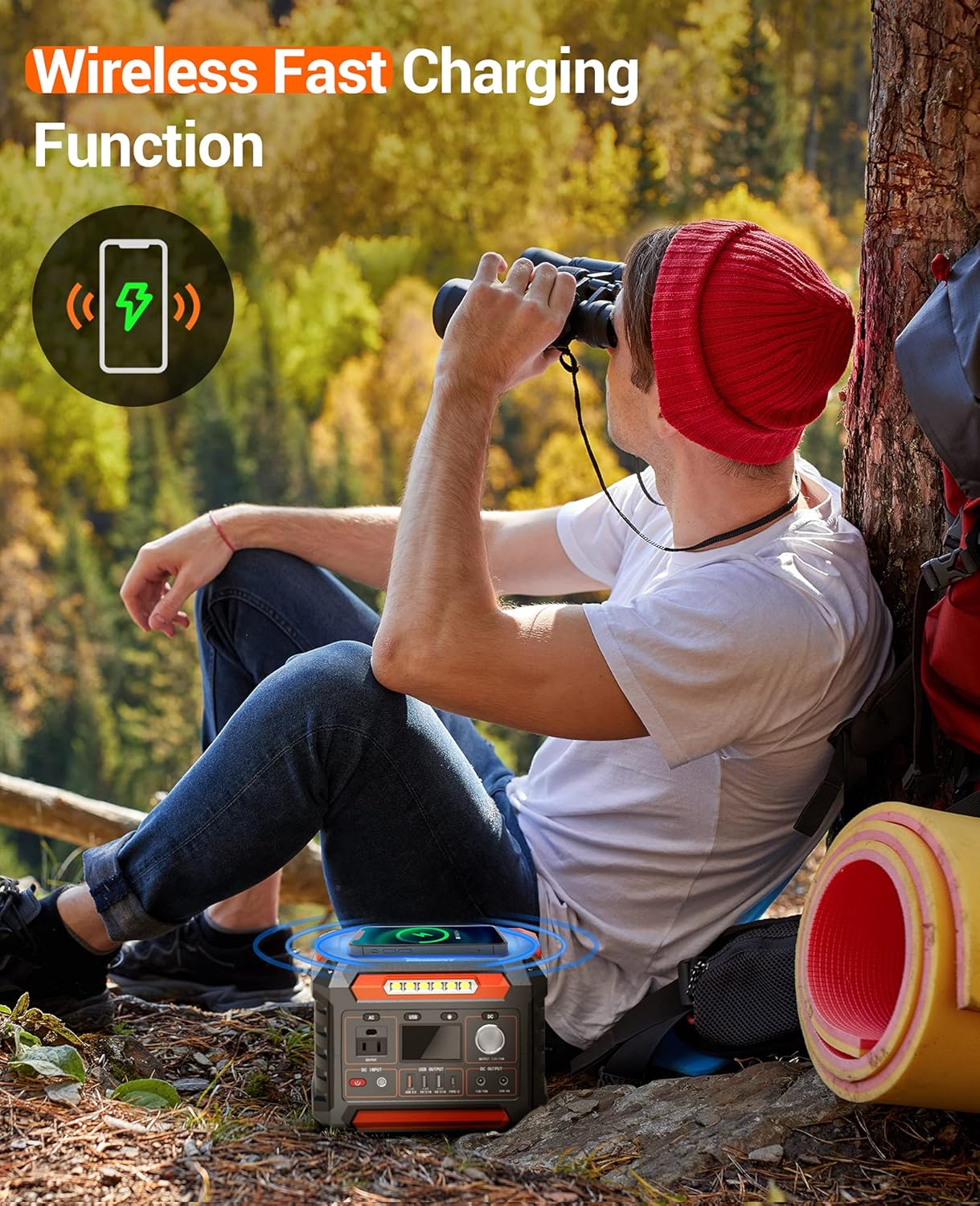
| USB Outputs | QC 3.0, USB-C (9V/2A 18W max) + top fast charger | Fast-charging for phones and tablets, USB-C for modern devices. |
| Pass-through | All ports support pass-through | Charge the station while powering devices — convenient for camping and emergencies. |
| Solar Input | MPPT-supported (works with Progeny 120W panel) | Faster and more efficient solar charging when paired with an appropriate panel. |
| Charge Times | AC: 6–7 hrs; Car: 7–8 hrs; Solar (120W): ~6–7 hrs | Multiple recharge methods let you adapt to different situations. |
| Protections | BMS: short, overcurrent, overvoltage, overload, overheating | Keeps the battery and your devices safer and prolongs battery life. |
| Special features | LED light, pure sine wave output | Useful extras for night-time use and clean power for electronics. |
This table gives you a quick technical snapshot and ties each spec to how it affects your actual use.
Build, portability, and design
The chassis is compact and functional, designed for easy transport and storage. You’ll notice a sturdy handle and a small footprint that fits into most backpacks or car compartments.
The physical controls and port layout are straightforward, so you won’t fumble to find the right output in low light. The integrated LED light is a simple but welcome addition when you need a hands-free lamp at night.
Weight and size: why that matters
At around 7 lb, this unit strikes a balance between capacity and portability. You’ll be able to carry it for short hikes, bring it into a tent, or place it near your bedside for overnight CPAP use without feeling burdened.
For backpackers looking to shave every ounce, it’s still a bit heavy — but for car campers, RVers, and emergency-prep users, it’s a great compromise between power and convenience.
Power outputs and ports — what you can plug in
You get a pure sine wave AC outlet rated at 300W continuous with a 600W peak, a regulated 12V car-style port at 10A (120W max), QC 3.0 USB output, and a USB-C output (9V/2A, 18W). There’s also a top-position fast charger for USB-A devices that’s handy when you forget a cable.
All ports support pass-through charging, so you can power devices while recharging the station. That’s very convenient for long sessions at a campsite or while you’re using solar during the day.
AC outlet use cases
You can run small appliances like laptops, small TVs, LED lights, and many CPAP machines through the AC outlet. Because it’s a pure sine wave output, your sensitive electronics will run cleaner and quieter, and you’ll reduce the risk of damage or interference.
Keep in mind the 300W continuous limit — anything higher will trip the inverter, so avoid plugging in larger heaters, microwaves, or heavy power tools.
DC regulated output — a standout feature
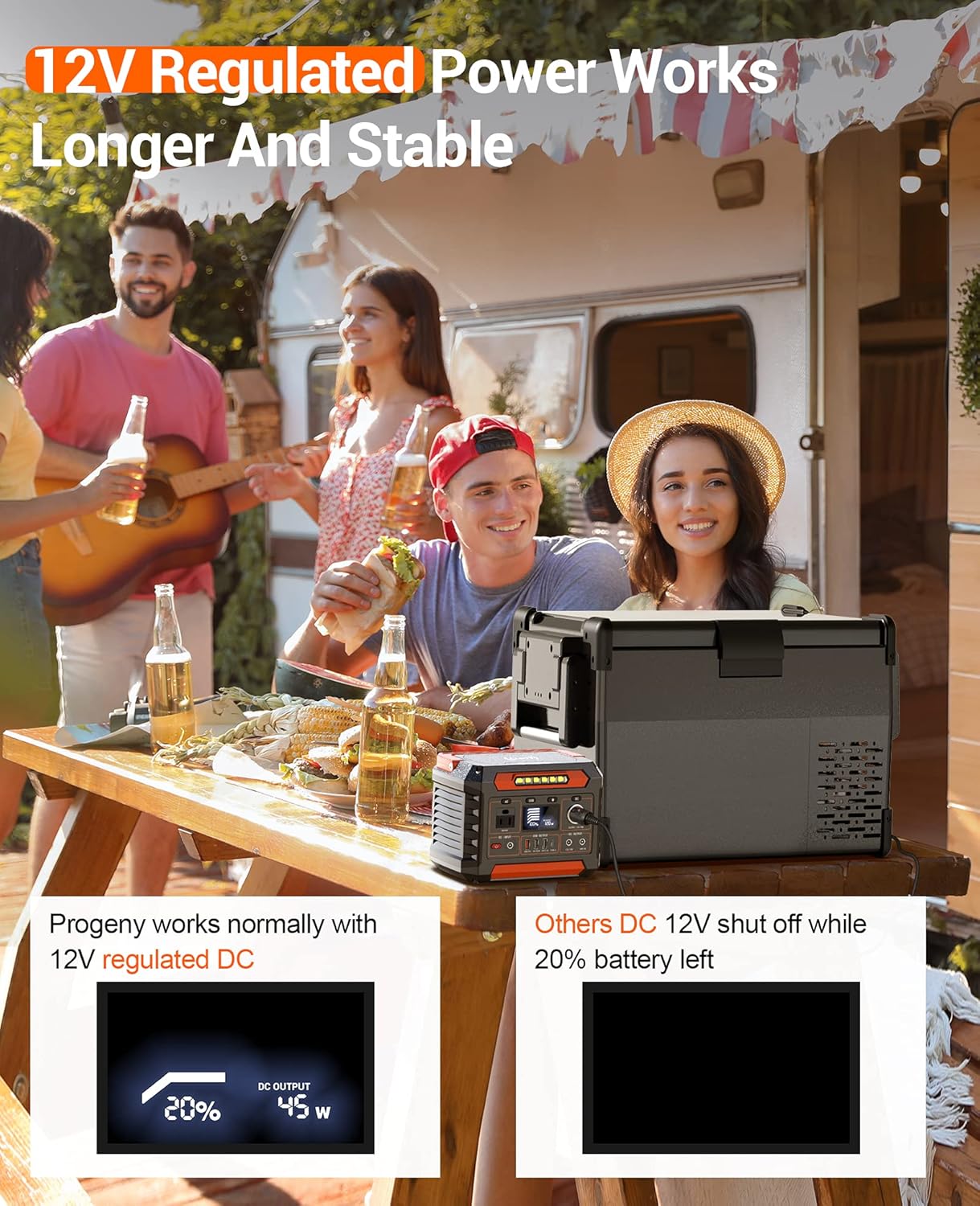
The 12V regulated output is a real advantage. Regulated 12V keeps the voltage steady as the battery drains, which means devices like electric coolers, freezers, and CPAP machines won’t cut out prematurely because the voltage dropped.
If you plan to power 12V appliances directly or use a DC converter for CPAP, this regulated output makes your life easier and your devices more reliable.
Battery capacity and realistic run times
The 299Wh capacity is useful for many short- to medium-duration uses. Below are typical real-world estimates that give you a practical sense of what to expect. Actual results depend on device efficiency and usage patterns.
| Device | Typical power draw | Estimated runtime or charges (approx.) |
|---|---|---|
| Smartphone (2,000mAh) | ~5–10 Wh per full charge | ~30–40 full charges (manufacturer claims 40) |
| Laptop (56Wh) | ~40–60 Wh per use | ~4–5 full charges |
| Mini fridge (45W) | 45W average | ~6–18 hours depending on compressor duty cycle |
| CPAP (with DC converter) | 20–50W depending on model | ~2–4 nights (manufacturer claim) |
| LED lamp (5W) | 5W | ~50+ hours |
| Portable fan (10–20W) | 10–20W | ~15–30 hours |
These are approximations to help you plan. For CPAP specifically, the manufacturer states 2–4 nights using a DC converter, but you should verify your CPAP model’s power draw to be sure.
Understanding the math behind runtime
Wh (watt-hours) is the key metric. If a device uses 10W, a 299Wh battery gives roughly 29 hours in theory (299Wh ÷ 10W = 29.9 hours). Real-world losses from inverter inefficiency and other factors reduce that, so you typically assume 80–90% of the rated capacity for conservative planning.
This is why the regulated 12V output and pure sine wave inverter matter — they reduce inefficiencies and provide cleaner power, improving practical performance for sensitive gear.
Charging methods and times — how you’ll top it up
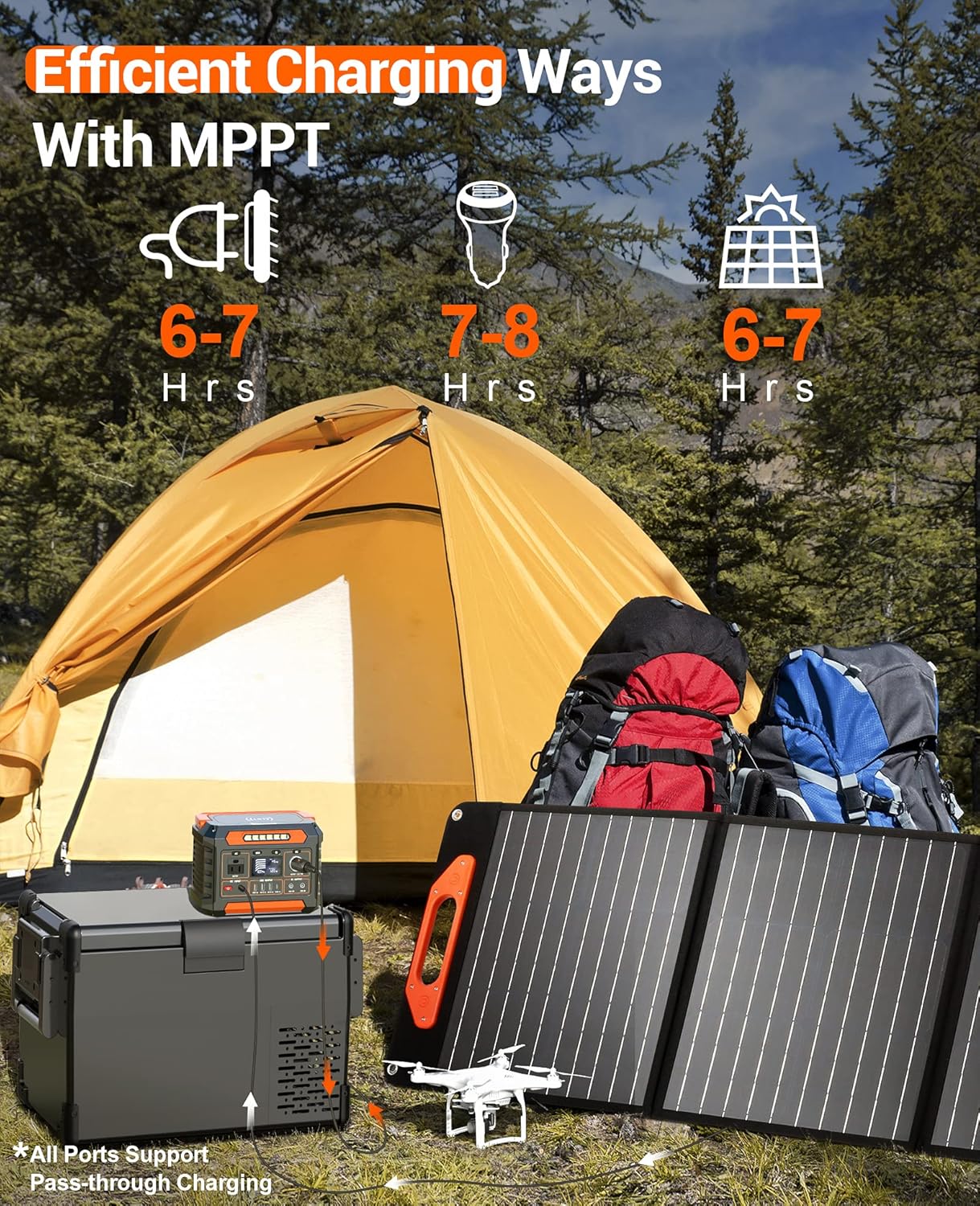
You can recharge the unit via AC wall outlet, car port, or solar panel. It includes MPPT support for faster and more efficient solar charging, and the manufacturer recommends a Progeny 120W solar panel for best results.
- AC wall outlet: ~6–7 hours to full charge.
- Car port: ~7–8 hours while driving or using a vehicle inverter.
- Solar (with Progeny 120W panel): ~6–7 hours in good sun.
Using the solar option effectively
Because the unit supports MPPT, solar charging is more efficient than older PWM controllers. You’ll get faster recharge times and better performance in variable sunlight. To get the claimed 6–7 hour recharge time, you’ll need a full 120W panel and strong sun for most of the day.
If you plan to rely on solar regularly, position the panel for full sun, keep the panel clean, and angle it properly for your latitude to maximize energy capture.
Pass-through charging: what it is and why it’s useful
Pass-through charging means you can charge devices from the power station while the station itself is charging. You’ll have the convenience of running essential gear at camp while the battery replenishes from AC or solar.
This is particularly handy for daytime solar setups: you can run a fridge, charge phones, and top up the battery simultaneously without juggling power sources.
Safety considerations with pass-through
The power station includes a Battery Management System (BMS) to handle protections even during pass-through. However, prolonged high-load pass-through charging (e.g., running heavy loads while charging from a weak solar panel) may stress the system and increase charge time. For longevity, avoid continuous heavy pass-through loads if possible.
Safety features and reliability
The unit incorporates a comprehensive BMS that includes protections for short circuit, overcurrent, overvoltage, overload, and overheating. These protections help keep both the power station and your connected devices safe.
Pure sine wave AC output also reduces audible electrical noise and protects sensitive devices from dirty power. This is a big advantage if you run audio gear, CPAPs, or computers.
Longevity and maintenance
The BMS helps extend battery life by preventing harmful conditions. To maximize longevity, avoid deep discharges when you can, store the unit in moderate temperatures, and keep it charged periodically if you’re not using it for long stretches.
Routine maintenance is minimal: keep the exterior clean, avoid exposing the unit to water or extreme heat, and make sure ventilation isn’t blocked during use.
Real-world use cases and scenarios
Here are practical examples of how you might use the PROGENY 300W in everyday life and travel.
Weekend camping
You’ll be able to charge phones, power lights, run a small fridge for food storage, and charge a laptop. The pass-through feature lets you keep devices powered while topping up with a solar panel or car charge during the day.
You won’t run large camp heaters, but small appliances and comfort devices will be well-supported, making for a much more comfortable trip.
CPAP backup for travel or emergencies
If you rely on a CPAP, the regulated 12V and pure sine wave output are crucial. You can expect roughly 2–4 nights of operation using a DC converter, depending on your machine’s power draw and mask settings. This makes the unit a strong candidate for overnight sleep support away from mains power.
Always check your CPAP’s wattage and whether it supports DC input, and consider bringing the machine’s manual or power specifications to calculate run time more accurately.
Home emergency use
When the power goes out, you can run essential devices such as phones, routers, a small medical device, or compact LED lighting. It’s not meant to power your whole house, but it will keep critical gear online and provide peace of mind during outages.
Comparison with similar 300Wh-class units
You’ll find many competing models in the 200–400Wh range. What sets this unit apart is the regulated 12V output and pass-through on all ports, plus MPPT solar support. Those features give you more reliable DC output and better solar performance than many basic competitors.
If you need a pure sine wave inverter, regulated DC, and solar compatibility in a light package, this unit stacks up well. If your priority is raw capacity or heavy AC loads, you might consider larger, heavier units instead.
Pros and cons summary
Pros:
- Lightweight and portable at 7 lb.
- 299Wh capacity suitable for phones, laptops, CPAP, and small appliances.
- Regulated 12V output reduces device shutdowns.
- Pure sine wave AC for sensitive electronics.
- MPPT-compatible for faster solar recharge.
- Pass-through charging on all ports.
- Comprehensive BMS protections.
Cons:
- 300W continuous AC limit prevents running larger appliances or high-wattage tools.
- 299Wh capacity is limited for extended off-grid living without frequent recharging.
- Solar panel sold separately; you’ll want the recommended 120W panel to meet the best recharge times.
- Not ideal for ultralight backpacking due to its weight (though still light for its capacity).
This balanced view should help you decide whether the features align with your typical usage.
Practical tips for optimal use
- Check device wattages before plugging them in to avoid tripping the inverter.
- For CPAP, prefer DC connections if available — regulated 12V makes this safer and more reliable.
- Use the MPPT-compatible solar panel and keep it in full sun for best recharge performance.
- Avoid fully draining the battery when possible to extend its lifespan; recharge when you can.
- Keep ventilation clear and store the unit in a cool, dry place.
Following these tips will make your experience smoother and prolong the life of the unit.
Troubleshooting common questions
If your device isn’t running, check the output limits first — the AC outlet is 300W continuous, and the DC output is 120W max. If a device shuts off unexpectedly, make sure the regulated 12V port is used for DC devices that need stable voltage. Also confirm that the battery has enough charge; use the LCD indicators to check remaining capacity.
If solar charging seems slow, reposition the panel to full sun, remove obstructions, and ensure panel connectors are secure. For pass-through issues, try reducing the load on the power station while it charges.
What to do if the unit won’t charge
Confirm the charging cable and port are intact and properly connected. If you’re using solar, ensure the panel is producing power (check its output) and the sun is strong. If the unit overheated or experienced an overload, let it cool down and try again later. If problems persist, contact Progeny support with details of the event.
Frequently asked questions (FAQ)
Q: Can I run a CPAP all night? A: Yes — the regulated 12V and pure sine wave output make it suitable. Manufacturer claims 2–4 nights using a DC converter, but you should check your CPAP model’s power draw to calculate exact run time.
Q: Is the power station safe to charge while powering appliances? A: Yes. All ports support pass-through charging and the built-in BMS provides multiple protections. Avoid continuous heavy loads during pass-through to minimize stress on the battery and charging circuitry.
Q: Do I need the Progeny solar panel? A: The unit will charge from many solar panels, but Progeny recommends a 120W panel to achieve the stated ~6–7 hour solar recharge time. Using a smaller panel will increase recharge time.
Q: What’s the lifespan of the battery? A: Lifespan depends on usage patterns and care. The BMS helps extend life, and avoiding deep discharges and extreme temperatures will maximize cycle count. Typical lithium battery expectations apply.
Q: Can I use it for emergency power during a blackout? A: Definitely for essential devices: phones, laptops, medical devices (check power requirements), and lights. It’s not large enough to run household HVAC or large appliances for extended periods.
Final verdict — is this the right power station for you?
If you want a well-balanced portable power station that’s light enough to carry, capable of powering sensitive electronics, and offers smart solar and DC features, this unit is an excellent choice. The regulated 12V output and MPPT compatibility set it apart from many competitors in the same capacity class, making it especially suitable if you rely on DC devices like CPAPs, coolers, or 12V fridges.
You’ll especially appreciate the pass-through charging and pure sine wave inverter if you frequently need clean, continuous power while recharging from solar or AC. For longer-term off-grid living, you’ll need a larger capacity system, but for weekend trips, emergency backup, and travel, this provides a compelling mix of portability and functionality.
If these advantages line up with your needs — clean AC power, stable 12V DC, solar readiness, and easy portability — then this could be a very practical addition to your gear.
Buying and setup checklist
- Confirm the wattage requirements of any devices you’ll run (especially CPAP and small appliances).
- If you plan to use solar, buy a 120W Progeny panel or an equivalent MPPT-compatible panel.
- Bring the correct DC cable or AC adapter for CPAP and other devices as needed.
- Read the manual for recommended charging and storage practices to extend battery life.
- Keep an eye on the LCD during heavy use to monitor battery levels and avoid unexpected shutdowns.
Use this checklist before your first trip to ensure everything runs smoothly.
Closing usage scenarios to help you decide
You should choose this unit if you often need reliable, portable power for small but essential devices, prefer the safety of a BMS and pure sine wave output, and value a regulated 12V output to prevent device shutdowns. It’s a great companion for camping, van life, road trips, and emergency readiness.
If your priority is maximum run time for large AC loads, consider stepping up to a larger capacity unit, but for day-to-day portability and dependable power for electronics and medical devices, this station will serve you well.
Disclosure: As an Amazon Associate, I earn from qualifying purchases.