
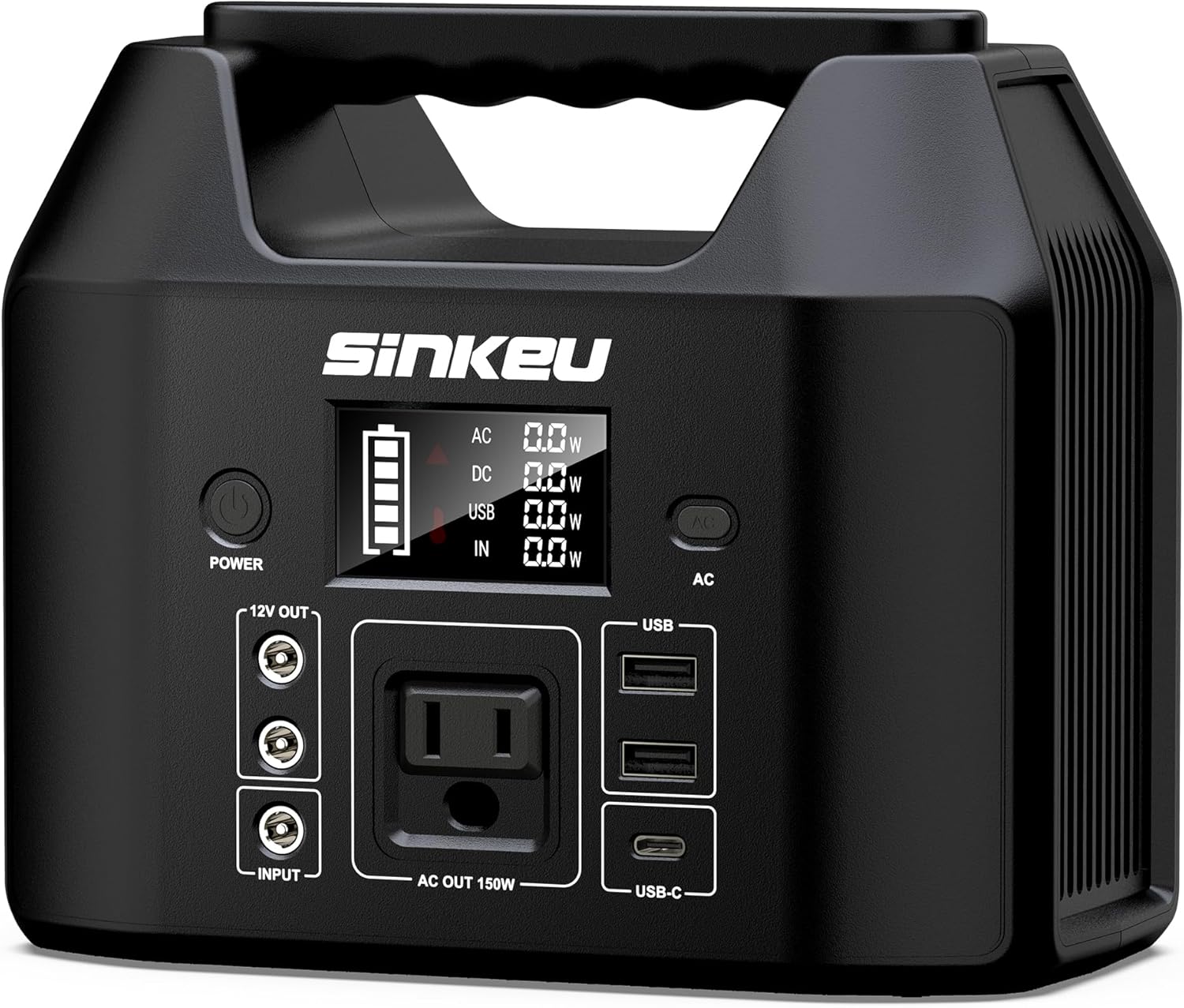
Are you looking for a compact, reliable power station that can keep your essentials running during outdoor trips and household outages?
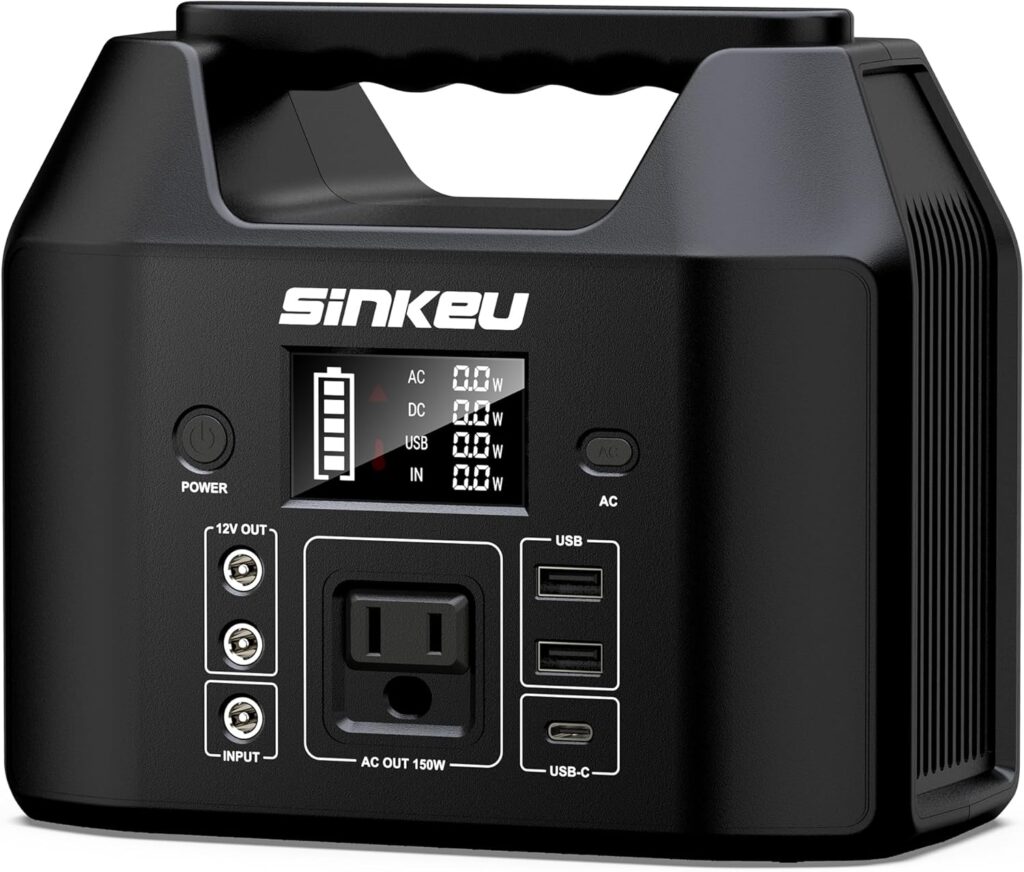

SinKeu Portable Power Station 122.8Wh — Quick verdict
You’ll find this unit is a compact, user-friendly option if you want a lightweight power station with LiFePO4 chemistry and multiple charging options. It won’t power large appliances, but it’s a great fit for charging phones, laptops, cameras, running small fridges under 100W, and keeping critical devices like CPAP machines going for short periods.
Who this review is for
If you value safety, durability, and portability for camping, RV trips, emergency kits, or basic home backup, this product could be a match for your needs. You should pick it if you prefer LiFePO4 batteries for longer cycle life and want pass-through charging capability for constant use while recharging.
Key features overview
This section highlights the main selling points so you can quickly see what makes the SinKeu unit stand out. You’ll get an idea of capacity, output, charging methods, and portability in a concise way.
- 122.8Wh LiFePO4 battery (3.2V, 38,400mAh) with 3,500+ life cycles
- 150W continuous AC output suitable for small devices and appliances <100w< />i>
- Multiple ports: 1 x USB-C PD 18W, 2 x USB-A (total 3.1A), 2 x DC ports, and AC outlet
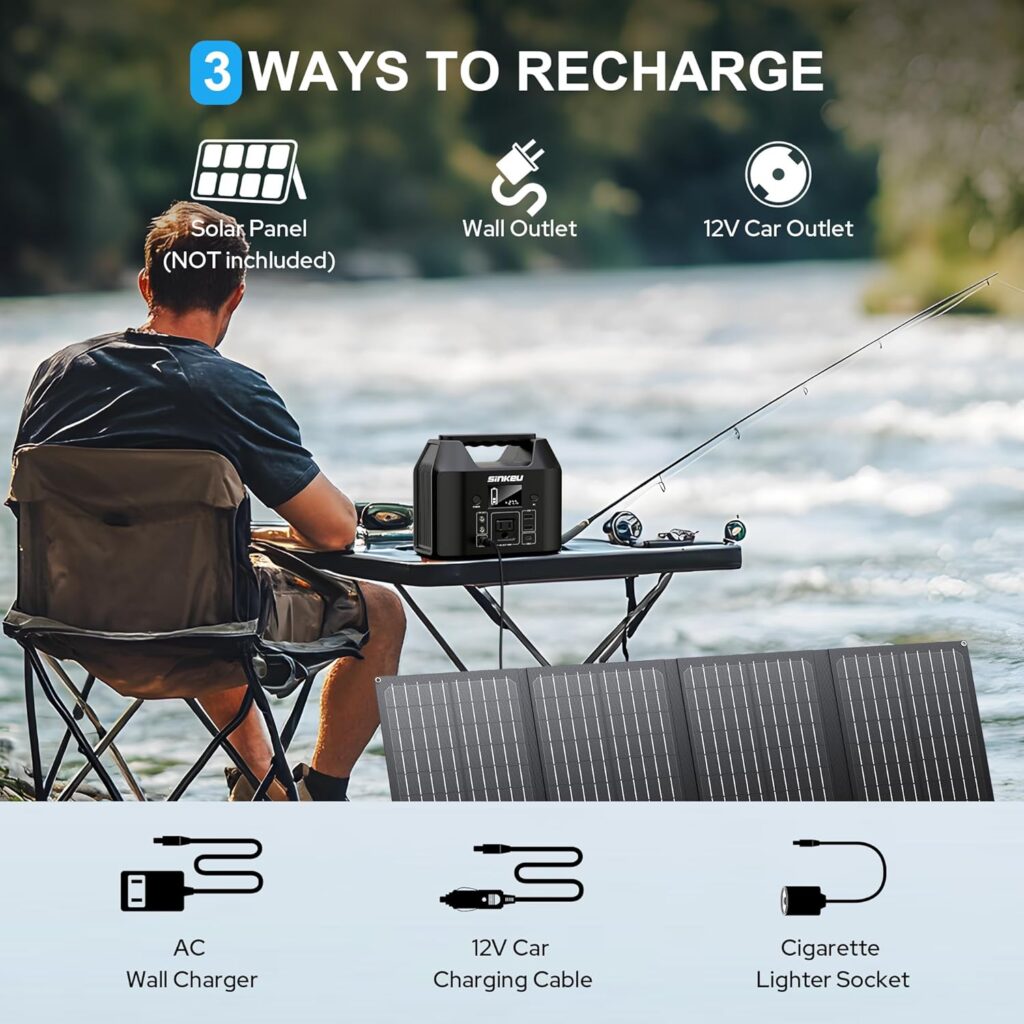
- Three charging methods: AC, 12V car, and solar (solar panel sold separately)
- Lightweight at 4 lbs and compact dimensions 7.5 x 4.5 x 6.5 inches
- Built-in 3-mode LED flashlight (steady, strobe, SOS) and digital display
- Multiple safety protections through BMS

Product specifications (quick reference)
Here’s a clear table that breaks down the technical details so you can scan what matters most. You’ll find capacity, outputs, weight, and charging times at a glance.
| Specification | Detail |
|---|---|
| Battery type | LiFePO4 (UL-certified) |
| Capacity | 122.8Wh (38,400mAh @ 3.2V) |
| AC output | 150W continuous |
| USB-C PD | 18W (5V/3A, 9V/2A) |
| USB-A | 2 ports, combined 5V/3.1A max |
| DC ports | 2 ports, 11–14.6V/10A max |
| Charging methods | AC adapter (~4 hrs), 12V car (~5–6 hrs), 13–23V solar (~4–6 hrs) |
| Weight | ~4 lbs (1.8 kg) |
| Dimensions | 7.5 x 4.5 x 6.5 inches |
| LED light | 3 modes: steady, strobe, SOS |
| Lifecycle | 3,500+ cycles |
| Protections | BMS: overloading, overcharging, overdischarging, overheating, short circuit |
| Warranty & support | 12 months warranty, 24/7 customer service |
Design and build quality
The SinKeu power station feels thoughtfully designed and rugged enough for outdoor use. You’ll appreciate the compact footprint that slides into a backpack or camping bag without adding much weight.
Exterior and portability
You’ll notice the solid plastic casing that resists bumps and scratches from travel and outdoor use. The small handle and lightweight design make it easy for one person to carry it to campsites, cars, or around the house.
Display and controls
The digital display gives you real-time info on remaining battery percentage and output/input wattage, which helps you manage loads and charging efficiently. You’ll find the buttons and ports clearly labeled, which makes operating the unit straightforward even in low-light conditions.
Battery technology and longevity
The LiFePO4 chemistry is a standout feature here, offering longer life and greater stability compared to traditional lithium-ion packs. You’ll benefit from a design that emphasizes safety and durability over maximizing energy density.
Why LiFePO4 matters
Because the battery chemistry is LiFePO4, you get a rated lifespan of over 3,500 cycles, which translates to years of daily use if you need it. You’ll notice fewer capacity loss issues over time compared with typical lithium-ion power banks.
Real-world longevity expectations
If you use the power station moderately—say a few times per week—you could expect this to last many years before the battery degrades significantly. You’ll have less worry about frequent replacement or dramatic capacity drops after a year or two of regular use.
Output ports and charging options
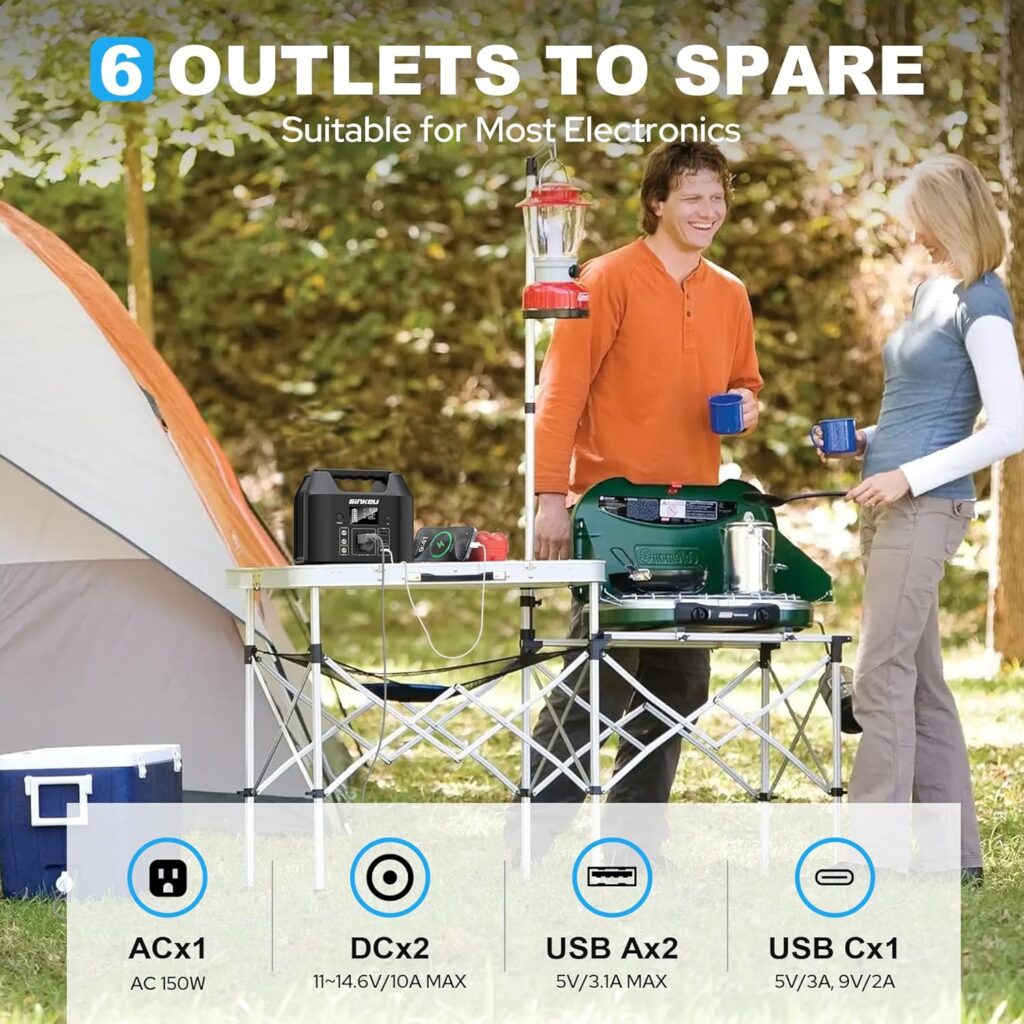
You’ll find enough ports to charge and run multiple devices at once for most basic needs. The unit is tuned for low-to-moderate power loads rather than heavy appliances.
AC output details
The 150W continuous AC outlet will power laptops, small printers, lights, and mini-fridges under 100W. You’ll need to avoid heavy loads like full-size refrigerators, power tools, or high-wattage heaters.
USB and DC ports
With USB-C PD at 18W and two USB-A ports, you’ll be able to charge phones, tablets, and smaller devices simultaneously. The DC ports offer flexible connections for a range of accessories and car-style appliances up to 10A.
Charging methods and times
Multiple charging methods give you flexibility depending on whether you’re at home, in the car, or off-grid. You’ll be able to recharge this unit relatively quickly considering its size.
AC wall charging
Using the included AC adapter, you can recharge the SinKeu in about 4 hours from empty to full. You’ll be able to keep it on a shelf near an outlet for quick top-ups before trips.
Car charging
The included 12V car cable lets you recharge in about 5–6 hours from a vehicle’s power port. You’ll find this handy if you’re on a long drive or need to top up between stops.
Solar charging
When paired with a compatible 13–23V solar panel (sold separately), you can reach a full charge in roughly 4–6 hours of good sun. You’ll appreciate this option if you’re off-grid and want a true portable solar generator setup.
Practical runtime estimates
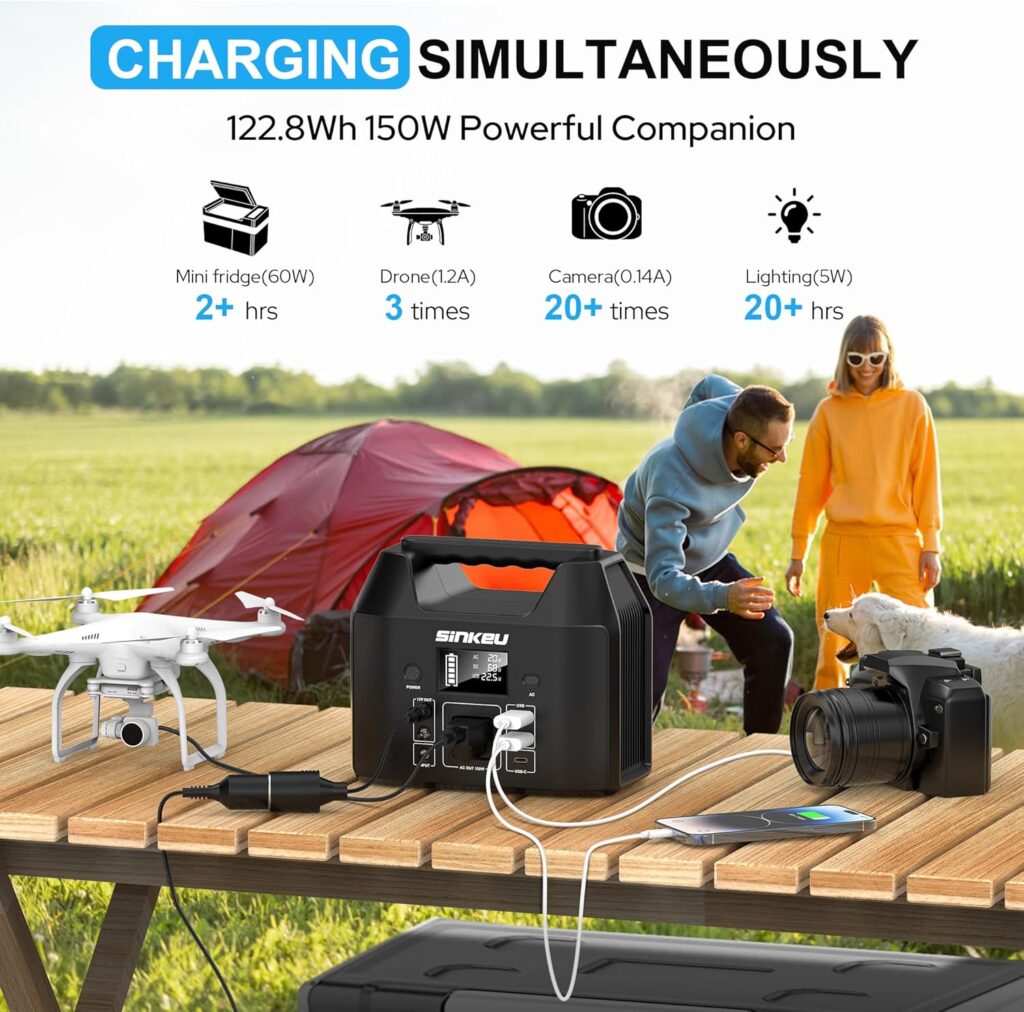
It’s helpful to see ballpark runtimes for common devices so you can plan your usage. These estimates give you realistic expectations for how long the unit will run everyday gear.
| Device | Typical Draw | Estimated Runtime on 122.8Wh |
|---|---|---|
| Smartphone (15W while charging) | 15W | ~7–8 full charges (varies by phone battery size) |
| Laptop (45W average) | 45W | ~2.5 hours |
| LED camping light (5W) | 5W | ~20–24 hours |
| Mini-fridge (<100w, cycling)< />d> | 60W average cycle | ~2 hours continuous but longer with compressor cycling |
| CPAP machine (30–40W) | 35W | ~3–3.5 hours |
| Camera battery charging (10W) | 10W | ~10–11 charges |
You’ll notice these are rough estimates; real-world runtimes will vary based on device efficiency, inverter losses, and actual load patterns.
Pass-through charging and multi-device use
Pass-through charging lets you charge the power station while it’s powering devices, which is convenient for long sessions. You’ll be able to run a few essentials while replenishing the unit, but be mindful of the total draw so you don’t exceed the 150W AC limit.
When pass-through is useful
If you’re at a campsite with a small solar setup or near an outlet, you can maintain power to devices continuously. You’ll find it particularly useful for overnight use of a CPAP machine while the station recharges during the day.
Caveats and best practices
Keep an eye on the display to ensure you’re not pulling too much while charging; sustained overload will trigger protections. You’ll want to avoid using high-power heating devices or tools while relying on pass-through, as those loads can exceed the unit’s design.
Safety features and reliability
SinKeu equips this station with a BMS and a set of protections that lower the risk of common battery and inverter issues. You’ll feel safer using it around children and in tricky weather conditions thanks to these built-in measures.
Protections included
The power station protects against overcharging, overdischarging, overcurrent, overheating, and short circuits. You’ll appreciate the redundancy when you depend on the unit for sensitive electronics.
Certifications and testing
With a UL-certified LiFePO4 battery, the product meets standard safety benchmarks. You’ll want to keep an eye on certification labels and follow recommended usage to maintain warranty coverage.
LED flashlight and extra conveniences
The integrated 3-mode LED light is a small but practical feature that you’ll use more than you expect. It goes beyond convenience by offering a strobe and SOS mode for roadside or night-time emergencies.
Using the LED modes
You’ll switch between steady, strobe, and SOS for different scenarios like walking to your tent, signaling for help, or creating a campsite light source. The lamp saves you from carrying a separate flashlight in many situations.
Display readout and monitoring
The digital readout shows battery percentage and input/output wattage so you can manage power in real time. You’ll find this useful for making decisions about what to run and when to recharge.
Portability and ideal use cases
Because it’s light and compact, you’ll take this power station with you to many activities where heavier units would be impractical. It’s tailored to users who need moderate power without the bulk of larger solar generators.
Best uses
You’ll get the most value using this unit for camping, RV trips, festivals, tailgating, and as an emergency backup for phones, lights, and small medical devices. It’s also a practical gift for outdoor enthusiasts or family members needing reliable portable power.
Less suitable scenarios
You shouldn’t plan to run high-wattage appliances like coffee makers, microwaves, or full-size refrigerators. You’ll need a larger inverter and battery capacity for those demands.
Real-world testing notes
In typical real-world use, the SinKeu unit performs predictably and reliably for small loads and short-duration appliances. You’ll probably find the battery meter and output readout reasonably accurate, helping you plan your activities.
Example scenarios and outcomes
If you run a 45W laptop and charge a phone simultaneously, the station will provide several hours of useful operation before you need to recharge. You’ll notice inverter efficiency affects runtime, so expect a small loss compared to raw battery watt-hours.
Performance under load
The 150W continuous output delivered steady power for small devices without hiccups. You’ll want to avoid starting motorized loads above 150W, as startup currents for compressors or pumps can be higher and may trip protections.
Maintenance, storage, and care
A little care will keep your SinKeu performing well over years of use. You’ll benefit from simple maintenance and smart storage practices to protect the battery and electronics.
Charging and discharge tips
If possible, store the unit at around 50% charge for long-term storage and avoid leaving it fully depleted for extended periods. You’ll also want to exercise the battery occasionally if you store it for months.
Environmental considerations
Keep it away from extreme heat or cold where possible, and avoid exposure to moisture or submersion. You’ll preserve battery health by storing it in a cool, dry place and not exposing it to sustained high temperatures.
Accessories and what’s in the box
The package includes essential accessories to get you started right away and a small set of extras to support common use cases. You’ll find a few items useful at the outset.
- SinKeu 122.8Wh portable power station
- AC adapter (for wall charging)
- Car charging cable (for 12V recharging)
- Cigarette lighter socket adapter
- User manual
- 12-month warranty and customer service details
You’ll likely want to buy a compatible solar panel separately if you plan extended off-grid use.
Warranty and customer support
SinKeu provides a 12-month warranty and 24/7 customer service, which gives you fairly standard protection and helpful support. You’ll want to register or keep your documentation to simplify any future claims.
What to expect from support
If you encounter issues, the brand promises prompt service and assistance with troubleshooting and warranty claims. You’ll benefit from keeping order details and serial numbers handy for quick verification.
Pros and cons summary
This quick list will help you weigh the main strengths and trade-offs of the SinKeu unit before making a decision. You’ll be better set to decide whether the balance fits your needs.
Pros
- LiFePO4 battery with 3,500+ cycles for long life
- Compact and very portable at ~4 lbs
- Useful mix of ports including USB-C PD 18W
- Pass-through charging supported
- Built-in LED light with multiple modes
- Robust safety features and digital display
Cons
- 122.8Wh capacity is modest for extended off-grid use
- 150W AC limit restricts heavier appliances
- Solar panel not included; you’ll need to purchase separately
- USB-C power delivery is limited to 18W (not ideal for faster laptop charging)
You’ll want to consider whether the capacity and power limits align with your intended use before buying.
Value and alternatives
For the price and form factor, you’ll likely find this model offers solid value if you need lightweight, durable, and safe power. However, if you frequently need longer runtimes or higher AC wattage, alternative units with larger capacity or higher continuous output will be a better match.
When this is the best choice
If you primarily want a portable station for phones, cameras, lights, and occasional laptop use, this is an excellent, budget-friendly option. You’ll appreciate the long-life battery chemistry and the portability.
When to consider an upgrade
If you need to run 300–1500W appliances or want multiple AC outlets, you’ll want to look at larger solar generators or battery stations with higher inverter ratings. You’ll also find faster USB-C PD charging and larger capacities in more expensive models.
Practical tips for getting the most out of it
Follow these straightforward tips so you’ll maximize runtime and preserve battery health. Small behavior changes can add meaningful runtime and longevity.
- Prioritize devices by wattage: run lower-wattage essentials first to stretch runtime.
- Use the display to monitor output and avoid overloading the unit.
- Charge via AC whenever you have access to minimize reliance on the car or solar in low sunlight.
- Pair with a solar panel sized to supply at least 20–30% more than the unit’s draw if you plan daily off-grid use.
- Store at around 50% charge for long-term storage and top up every few months.
You’ll get more dependable performance and longer life by following these routines.
Final recommendation
You should consider the SinKeu Portable Power Station 122.8Wh if you want a lightweight, long-lasting LiFePO4 power station for camping, short RV trips, festival use, or emergency home backup for small devices. It’s a practical choice for users who prioritize safety, portability, and multi-device charging over raw capacity or high-wattage output.
Who will love this product
You’ll love this if you’re a casual camper, weekend traveler, or someone creating a compact emergency kit for phones, lights, and small medical devices. The long cycle life and pass-through charging make it a reliable daily carry for certain needs.
Who should consider other options
If you need longer runtimes, stronger AC output, or faster power delivery for high-current laptops, you’ll be better served by a larger-capacity power station. You’ll want to compare models with higher watt-hour ratings and stronger inverters.
If you have any specific devices or scenarios you’d like me to estimate runtime for, tell me the device wattage or model and I’ll give you tailored numbers and suggestions on how to use this unit for that situation.
Disclosure: As an Amazon Associate, I earn from qualifying purchases.