
Are you trying to find a lightweight, reliable portable power station that you can actually carry without feeling like you packed a small fridge?

Product snapshot
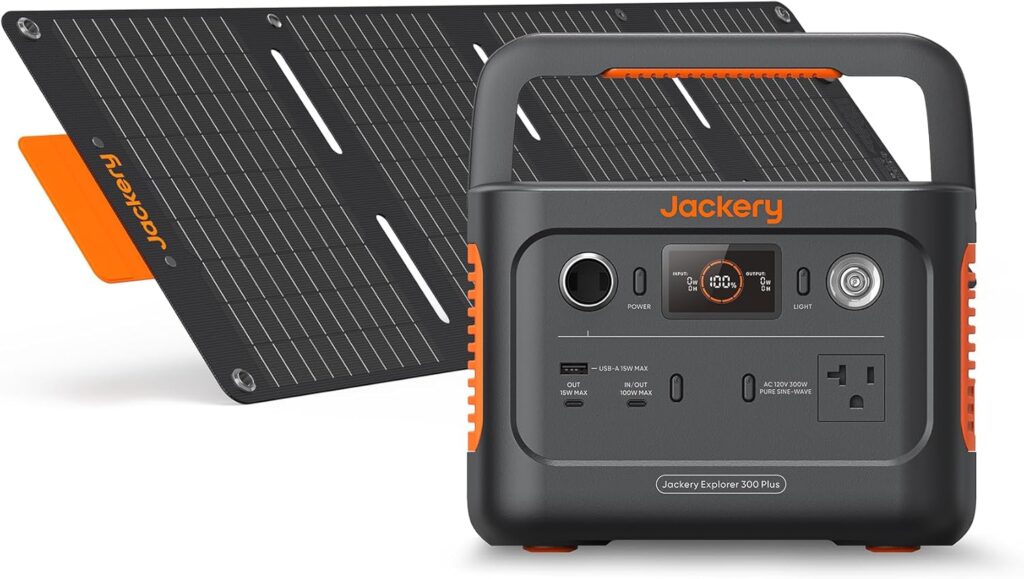
You’ll want a quick snapshot before committing, and this unit gives you a clear idea of what to expect. The Jackery Solar Generator 300 Plus Portable Power Station with 40W Book-sized Solar Panel, 288Wh Backup LiFePO4 Battery, 300W AC Outlet, Only 5KG for RV, Outdoors, Camping, Traveling, and Emergencies (Renewed) positions itself as a compact, renewable-ready backup for travel and emergencies. It’s designed to be easy to carry, simple to use, and durable for frequent recharges.
What’s included in the box
You’ll get everything you need to get started with basic charging and solar support right away. The package includes:
- 1 Jackery Solar Generator 300 Plus Portable Power Station
- 1 SolarSaga 40W Solar Panel (book-sized, foldable)
- 1 AC charge cable
- 1 DC7909 to USB-C adapter
- 1 User manual
These items mean you can charge from AC out of the box and begin testing solar charging with the supplied panel.

Key specifications
You’ll want to compare the raw numbers quickly. This table breaks down the main specs so you can decide if the capacity and outputs match your needs.
| Feature | Specification |
|---|---|
| Battery chemistry | LiFePO4 (LFP) |
| Usable capacity | 288 Wh |
| AC output | 300 W (continuous) |
| Peak/surge power | Typically ~600 W (check manual for exact surge rating) |
| USB-C PD ports | 1x 100 W (input/output), 1x 15 W (output) |
| USB-A ports | Standard USB-A ports (check model for count) |
| DC output | DC 12V car-style output available |
| Solar input | Supports SolarSaga 40W included; up to 100W panels supported for faster charging |
| Full solar recharge time (with 100W) | About 4 hours |
| Weight | ~5 kg (about 11 lbs) |
| Battery cycle life | Long-lasting LiFePO4 with up to 10 years of use when recharged every 3 days (per Jackery estimates) |
| Protections | 52 protective mechanisms, 12 BMS algorithms, 4 physical protections |
| Connectivity | Wi‑Fi & Bluetooth app control |
| Renewed status | Refurbished unit (renewed) |
Design and portability
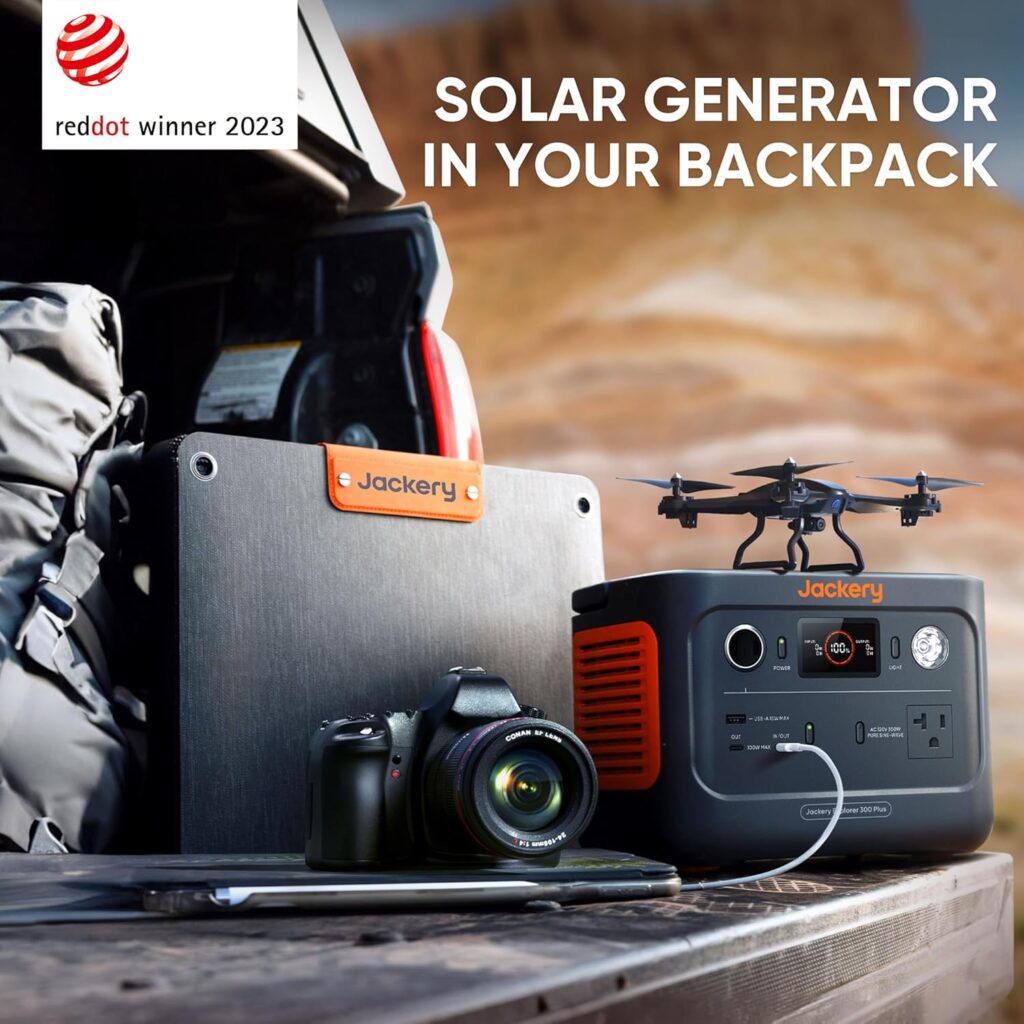
You’ll notice the unit is intentionally compact and light for what it does. At about 5 kg, you can carry it comfortably for short hikes or move it around your campsite without stressing your back. The included SolarSaga 40W panel folds down to a pad-sized form, so you can pack it into a trunk or the back of your RV easily.
The handle and overall footprint are designed for handheld carrying, and the materials give a solid feel that still looks modern. If you prioritize minimal weight and compact storage, this is one of the more portable options in its capacity class.
Build quality and materials
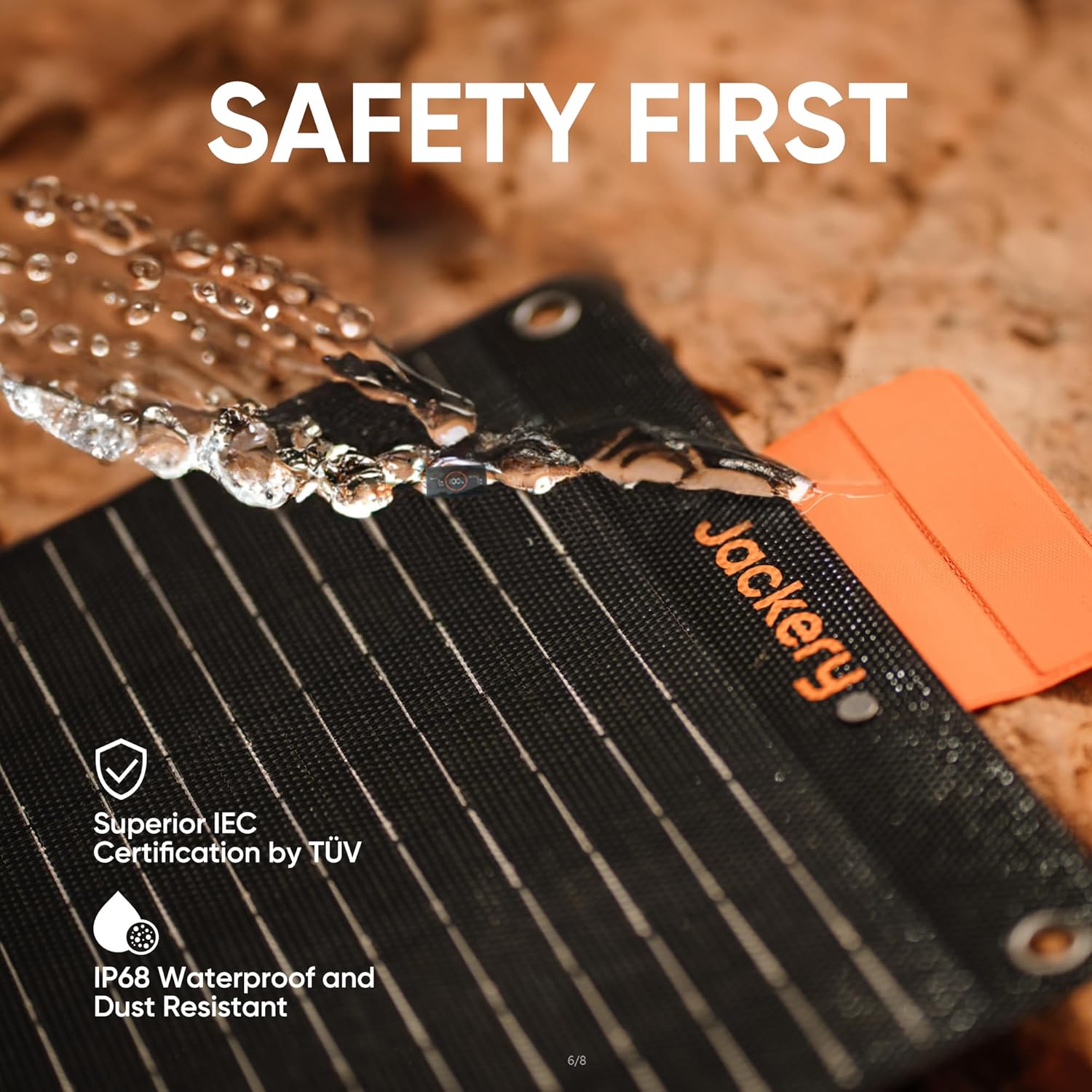
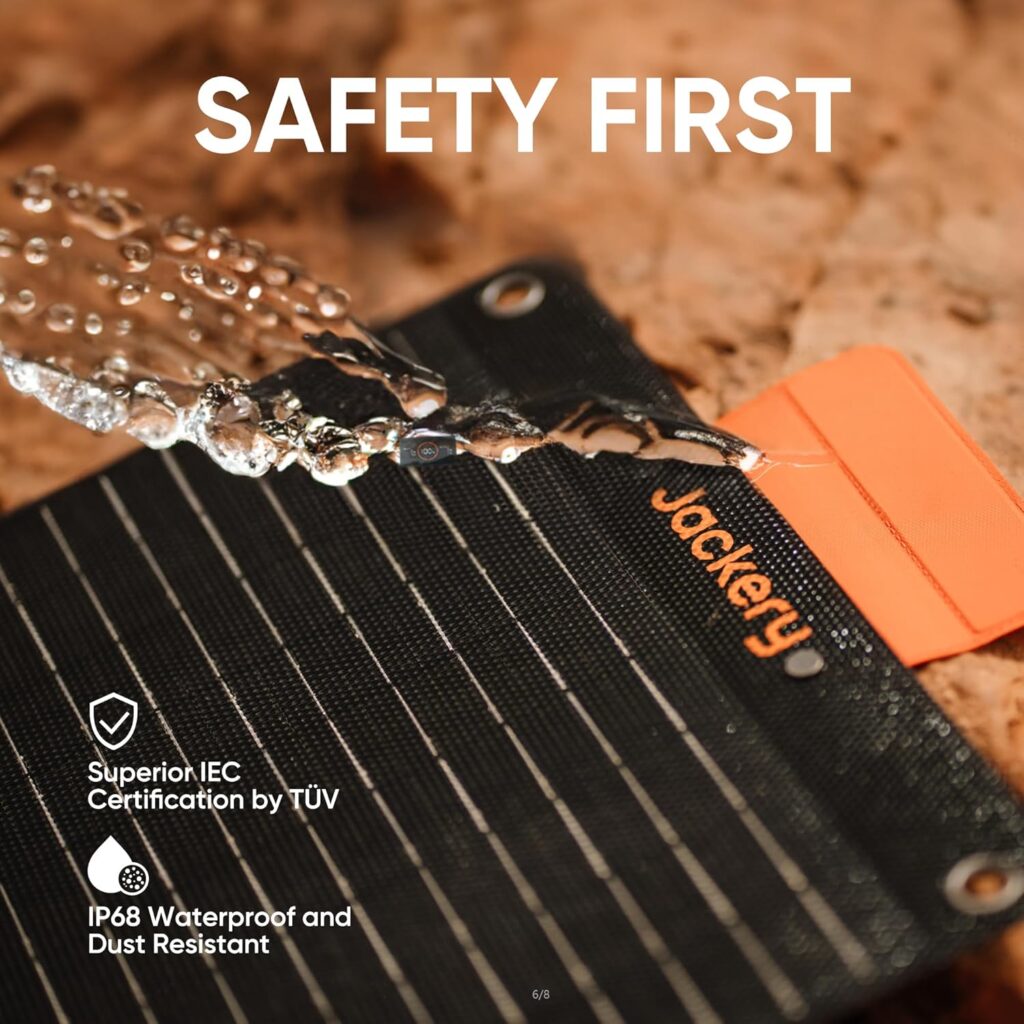
You’ll see a focus on durability and safety in the build. The casing is sturdy and the ports are well-seated; the product includes multiple layers of physical protection to guard against shocks and environmental stresses. The foldable solar panel uses reinforced hinges and a fabric shell that resists normal wear. For a renewed unit, you should still expect tight tolerances and good assembly.
That said, treat the unit like any electronics: avoid prolonged exposure to heavy rain and store it where it won’t be knocked around.
Battery chemistry and lifespan
You’ll get the benefit of LiFePO4 (LFP) battery chemistry, which is one of the most resilient and long-lived options for portable power. LFP offers improved thermal stability and a much longer cycle life compared with typical NMC chemistries. Jackery claims the ChargeShield technology and LFP cells boost battery life by about 50% and support up to a decade of reliable use if you recharge every three days.
In practical terms, that means you can expect many more full charge-discharge cycles before the battery degrades to a lower capacity, making this a better long-term investment if you plan frequent use.
Thermal performance
You’ll appreciate that LiFePO4 handles heat much better than older chemistries. Jackery states cells operate efficiently and safely even at 45°C, which matters if you’re using the unit in hot climates or sealed compartments. The BMS (battery management system) and physical protections help keep temperatures and voltages in safe ranges while you use or charge the device.
Charging speeds and options
You’ll be able to charge the unit in multiple ways, which adds flexibility depending on where you are.
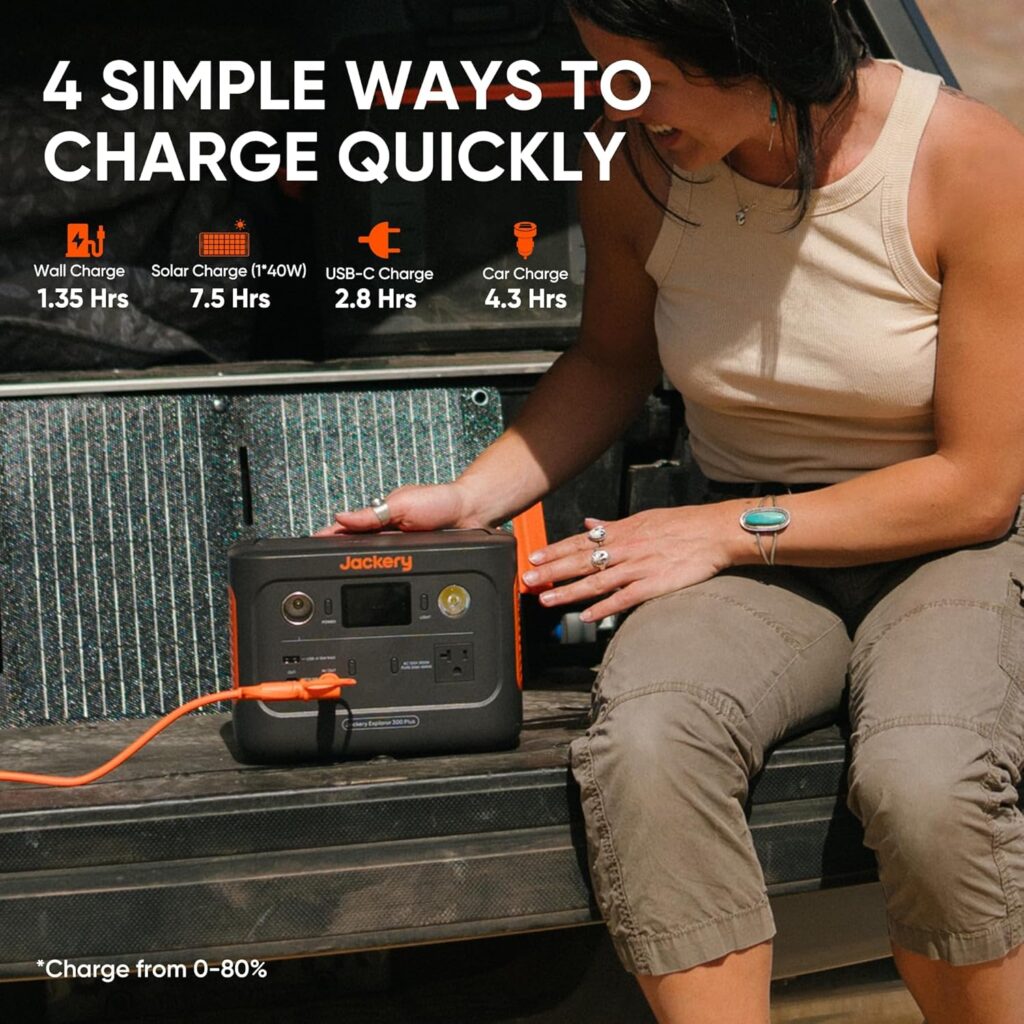
- AC charging: Plug into a wall outlet for a reliable, relatively fast full charge.
- Solar charging: Use the included 40W SolarSaga panel for sunny-day trickle or supplemental charging, or use a larger SolarSaga 100W panel to reach full charge in about four hours.
- USB-C PD: The 100W PD port supports input and output. You can top up quickly from PD-capable sources and also power laptops or other power-hungry devices.
In short, you have multiple pathways to get power into the battery, and the PD port gives the unit modern, fast-charging flexibility.
Realistic solar performance with the included panel
You’ll find the included 40W solar panel useful for slow charging and topping off while you’re away from AC. Under ideal sun conditions, the 40W panel will charge the unit but expect many hours — significantly longer than the quoted four hours that assume a 100W panel. The included panel is most convenient when you need continuous slow input while camping or when you want a very lightweight solar option.
Outputs and device compatibility
You’ll be able to run a wide range of devices, but you’ll need to match devices to the station’s limits. The 300W AC outlet is fine for small appliances, laptops, lights, phone chargers, small fans, and camera gear. It’s not intended for high-draw appliances like full-size refrigerators, hair dryers, or microwave ovens.
The 100W USB-C PD port will power most modern laptops, while the 15W USB-C port and USB-A ports handle phones, tablets, cameras, and accessories. The 12V DC output gives you car-accessory compatibility.
Typical runtime examples
You’ll find these runtimes useful to estimate how long the power station can keep devices running. These are approximate and depend on real-world conditions and conversion losses:
- Phone (15W charge): many full charges (several times)
- Laptop (45–65W average): 3–6 hours
- LED camp lights: 20–40 hours depending on wattage
- Portable fridge (small, efficient models): a few hours to over a day depending on power draw
Always check your device’s wattage to estimate runtime accurately and leave a buffer for inverter losses and inefficiencies.

Solar charging details and setup tips
You’ll want to know how to get the best solar performance if you plan frequent off-grid use. Start by placing the 40W solar panel in direct sun and angle it perpendicular to the sun for the day’s best yield. Keep the connectors and panel surfaces clean for optimal output. If you want faster recharges, pair the station with a 100W solar panel (sold separately) and connect via the DC7909 adapter.
It’s also wise to monitor charge status when cloud cover changes; output can fluctuate quickly. The app helps you see incoming solar wattage and battery state, which lets you adjust panel placement during the day.
Safety systems and protections
You’ll benefit from an extensive safety stack that protects both the unit and your devices. The generator includes:
- 52 protective mechanisms covering over-current, over-voltage, over-temperature, short-circuit, and more
- 12 BMS algorithms that manage charging, discharging, balancing, and thermal algorithms
- Four types of physical protection that guard against shocks and environmental stress
These measures reduce the risk of battery damage or device faults and help the unit remain reliable for long-term use. You’ll notice fewer shutdowns and more consistent performance under stress.
App control and connectivity
You’ll find app control convenient if you like monitoring and customization. The unit supports Wi-Fi and Bluetooth control through the Jackery app. Once connected, you can monitor the battery level, check input/output power, and adjust some settings. The app is handy if you keep the unit in a vehicle or out of sight and want to see status remotely.
Connectivity also allows firmware updates, which can improve compatibility and performance over time. You’ll want to keep the app handy for diagnostics and to confirm firmware is current.
Use cases: camping and outdoors
You’ll enjoy how the unit fits into typical outdoor scenarios. For camping, it powers lights, small fridges, phone chargers, and other small electronics without the noise and smell of a gas generator. The light weight and included solar panel let you manage days off-grid for a small group, especially if you supplement with additional solar panels.
Set the unit near your campsite in shaded areas during charging to protect it from excessive heat and use the solar panel in open sun. For quiet evenings and charging devices overnight, it’s very convenient.
Use cases: road trips and RVs
You’ll find the unit useful as an auxiliary power source for small RV systems or as a clean backup when you’re parked without shore power. It can charge laptops and run small appliances while you’re parked. It’s not a full RV house battery replacement, but it’s great as a portable, low-maintenance supplement for short trips or as an emergency backup.
For RV use, ensure you check inverter and surge ratings before attempting to run any starter motors or air conditioners.
Use cases: emergencies and home backup
You’ll appreciate that this is a practical emergency backup for keeping lights, phones, medical devices (within wattage limits), and routers running during short outages. Because it’s rechargeable via solar, you can maintain essential power for longer than a single battery-only unit if you have sunny days and the right panels.
Plan which devices you need to prioritize and consider combining multiple power stations if you need extended runtime for several high-wattage devices.
Maintenance and storage tips
You’ll want to protect the longevity of your battery with a few simple habits. Store the unit in a cool, dry place and avoid leaving it at full charge for long periods if you won’t use it for weeks—LiFePO4 is forgiving, but moderate storage levels are best. Charge it to around 50–80% for long-term storage and check every few months.
Keep the solar panel clean and fold it carefully. Check cables and connectors for wear. The app can help you identify any abnormal conditions that need attention.
Pros — why you might choose this model
You’ll like this model for several reasons:
- Very portable at ~5 kg, making transport easy.
- LiFePO4 battery chemistry offers long cycle life and safer thermal performance.
- 100W PD input/output gives modern fast-charging flexibility.
- Multiple protections and smart BMS provide confidence in safety and longevity.
- Included foldable 40W solar panel adds basic off-grid capability out of the box.
- App connectivity lets you monitor and manage the unit conveniently.
These features make it a practical choice if you want a balance of portability, safety, and modern charging options.
Cons — potential drawbacks to consider
You’ll want to be aware of some limitations:
- 288 Wh capacity is modest — it’s not meant for running high-wattage appliances for long periods.
- The included 40W solar panel is useful, but slow; for quick solar recharges, you’ll need to buy a 100W panel separately.
- Renewed status means it’s refurbished; check the seller’s warranty and return policy to ensure you’re comfortable with the condition and support.
- If you need heavy duty or long-term home backup, you’ll need multiple units or a larger station.
Make sure the unit’s capacity and output match your intended devices before purchasing.
Comparing alternatives
You’ll likely weigh this unit against other portable stations in the 250–500 Wh range. When comparing, consider:
- Battery chemistry: LiFePO4 is preferable for lifecycle and thermal safety.
- Weight: This unit is lighter than many competitors in the same capacity.
- Output ports: PD 100W input/output is a strong advantage for modern devices.
- Solar input compatibility: Check how easily you can add external solar panels and whether adapters are needed.
If you prioritize long cycle life and portability, this unit competes well. If you need more capacity or continuous high-wattage output, look at larger models.
Practical tips for maximizing runtime
You’ll get the most out of the unit with a few practical habits:
- Use energy-efficient devices and low-power modes.
- Turn off devices when not in use and dim displays.
- Use the 100W USB-C PD for more efficient DC charging of laptops rather than using the inverter.
- Prioritize critical loads to extend useful runtime during outages.
- If relying on solar, position panels for peak sun and monitor performance via the app.
These small steps will stretch the 288 Wh capacity further and give you more reliable performance.
Warranty, support, and buying considerations
You’ll want to confirm warranty details for a renewed unit. Check the seller’s stated warranty length and what’s covered before buying. Also verify return policies and whether Jackery customer support is available in your region for firmware updates and troubleshooting. Renewed units can be a good value, but confirm that you have adequate protection if anything goes wrong.
Frequently asked questions
You’ll probably have a few common questions when deciding. These brief answers address typical concerns:
- Can it run a mini-fridge? Yes, many efficient mini-fridges for camping can run for several hours, but check the fridge’s wattage and duty cycle.
- Is the included solar panel sufficient? The 40W panel provides slow charging; for fast recharging you’ll want a 100W panel.
- How long will the battery last? With LiFePO4 chemistry and good practices, you can expect many years — Jackery cites up to 10 years under certain usage patterns.
- Is it safe to leave charging in hot environments? The unit handles heat better than many because of LFP chemistry, but avoid extreme temperatures and direct, prolonged heat exposure.
Final verdict
You’ll find the Jackery Solar Generator 300 Plus Portable Power Station a strong option if your priorities are portability, safety, and modern charging flexibility. The LiFePO4 battery, robust BMS, and 100W PD port give you real-world advantages for travel, camping, and short emergency situations. The included 40W solar panel adds immediate solar capability, though you should plan to invest in a higher-power panel if you need fast solar recharges. For a renewed model at this capacity, it represents solid value—just confirm warranty and seller support before purchase.
Quick checklist before you buy
You’ll want to make these checks to ensure the unit fits your needs:
- Confirm your essential devices’ wattages and estimate runtimes.
- Decide if you’ll need a faster solar panel (100W) in addition to the included 40W.
- Check warranty and seller return policy for the renewed unit.
- Make sure the weight and dimensions match how you’ll carry and store it.
Follow these steps and you’ll be ready to use the station confidently for trips, backup power, and daily portable energy needs.
Disclosure: As an Amazon Associate, I earn from qualifying purchases.