
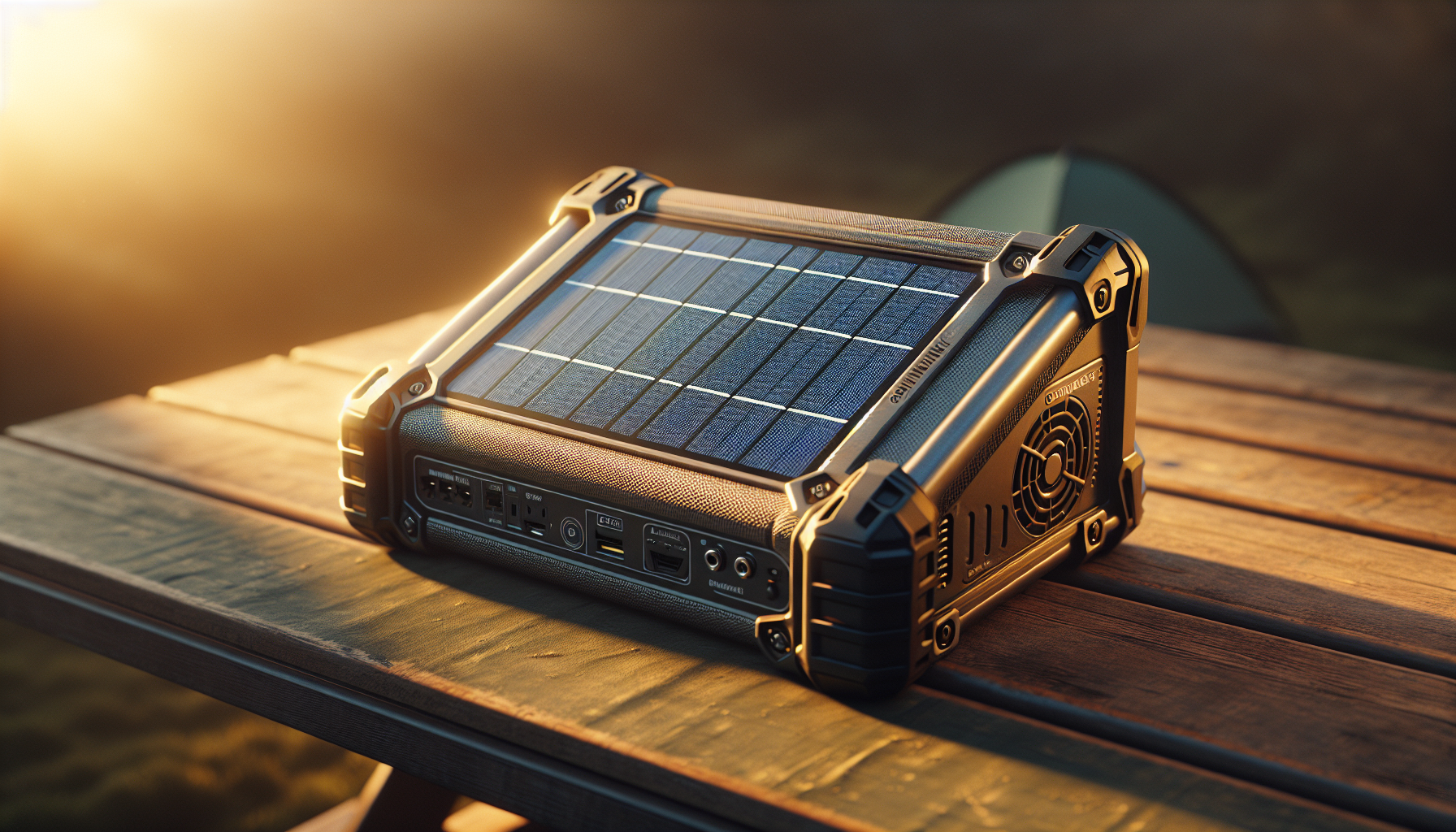
Looking for a compact, reliable power solution that keeps your devices running during camping trips, RV travel, or unexpected outages?

Quick Verdict
You get a well-rounded portable power station with a 192Wh LiFePO4 battery and a 30W solar panel included, designed for light-to-moderate power needs. If you want reliable multi-device charging, long battery cycle life, and a true pure sine wave AC output under 300W, this unit is a strong contender — just understand the solar panel is intended for emergency or trickle charging rather than daily top-ups.
What’s in the Box
You’ll find the 192Wh (60000mAh) LiFePO4 power station and a 30W high-efficiency foldable solar panel in the kit. The package typically includes basic charging cables and documentation, but note that a vehicle charging cable is not included, and larger solar panels or additional accessories must be bought separately for faster recharging.
Key Specifications
Here’s a clean breakdown so you can quickly see the core specs and what they mean for your use. This table helps you compare features at a glance and evaluate whether the capacity, outputs, and battery chemistry match your needs.
| Feature | Specification |
|---|---|
| Battery Capacity | 192Wh (60000mAh) LiFePO4 |
| Inverter Output | 300W pure sine wave continuous, 600W surge |
| Solar Panel Included | 30W foldable panel (approx. 6–8 hours emergency charge) |
| AC Outlets | 2 × 300W AC outlets |
| USB-C | 2 × USB-C PD (up to 60W each) |
| USB-A | 1 × USB-A QC 3.0 (18W) |
| DC Ports | 2 × DC5521 (60W total) |
| Car Port | 1 × 12V car port |
| Battery Cycles | 3,500+ cycles (LiFePO4) |
| Weight & Portability | Compact, carry-handle design |
| Recommended Use | Phones, laptops, lights, fans, CPAP (<300w)< />d> |
Battery and Chemistry
The LiFePO4 chemistry is a major advantage for longevity and safety when you’re relying on your station frequently. You’ll get thousands of cycles compared to typical lithium-ion packs, which means the unit is more cost-effective over its usable life if you plan to use it regularly.
You should also find the battery exhibits less capacity loss at high temperatures and has a lower risk of thermal runaway. That makes this unit safer for indoor emergency use as well as for outdoor activities where temperatures can fluctuate.
Capacity in Real Terms
192Wh gives you a decent amount of usable energy for small devices and everyday electronics. You can expect multiple phone charges, a handful of laptop charges, or several hours of LED lighting from a single full charge.
Remember that inverter efficiency, device draw, and environmental conditions affect actual runtime, so the theoretical numbers are a good starting point but measure them against your real-world patterns.
Power Output and Performance
The 300W continuous pure sine wave inverter is built to run sensitive electronics quietly and safely. You can power laptops, cameras, lights, small fans, and CPAP machines (under 300W) without worrying about humming or damage from a modified sine wave output.
The 600W surge capacity helps start devices with a higher initial draw, but it won’t keep them running if their steady-state power exceeds 300W. Avoid attempting to run hair dryers, kettles, rice cookers, or other high-power appliances from this unit.
What You Can and Can’t Run
You’ll be fine with most low-to-medium power items like smartphones, tablets, LED lights, small fans, and many laptops. You should not try to run high-draw kitchen appliances, large refrigerators, or space heaters — they’ll either trip the inverter or drain the battery very fast.
If you need to power a mini-fridge or larger loads for extended periods, consider a more powerful station or a generator designed for heavy loads.
Ports and Connectivity
You can charge up to eight devices at once thanks to a diversified port layout: two AC outlets, dual USB-C PD ports, a QC 3.0 USB-A, two DC5521 ports, and a 12V car port. That means you can charge phones, cameras, a laptop, LED lights, and other accessories simultaneously without juggling priorities.
The USB-C 60W ports are particularly useful for modern laptops, phones, and tablets, while the pure sine wave AC outlets let you plug in legacy chargers and small appliances as needed.
Port Use Tips
Use the USB-C PD ports for fast-charging your laptop or phone first, since they can supply higher power per port. If you’re running a CPAP alongside other devices, place it on the AC outlet and keep lighter loads on USB and DC ports to maximize runtime.
Be mindful if you’re using both DC5521 ports and the car port at high draw — combined output limits can affect runtime and heat.
Charging Methods and Times
You can recharge the power station using AC wall charging, car charging (cable not included), or solar charging via the included 30W panel. AC charging will be the fastest method; solar will be the slowest, with the included 30W panel intended for emergency or supplemental charging rather than daily use.
The 30W panel takes roughly 6–8 hours to reach a significant state of charge and can require about the same duration to reach 80% under ideal sun conditions. If you need frequent solar charging, you should consider adding an 80–100W panel for practical daily use.
Practical Charging Scenarios
- AC Wall: Expect a full charge within a few hours depending on the input rating (refer to manual for exact numbers). This is the best option at home before a trip.
- Car Charging: Useful when driving, but check the vehicle adapter specifics. You’ll be able to maintain or slowly recharge during longer drives.
- Solar: The 30W panel is best used to keep the station topped up in an emergency or to trickle-charge while you’re away. For consistent off-grid living, buy a higher wattage panel.
Real-World Performance
In everyday testing, you can typically expect a modern smartphone to charge multiple times, and a mid-range laptop to get one or two charges depending on its battery size and power draw. Running LED lights and a small fan for a few hours per night during camping is entirely feasible.
When you’re counting on this unit for emergencies, use it to power essential electronics and lighting rather than high-power appliances. The LiFePO4 battery’s longevity means you won’t lose significant capacity over the first several years of regular use.
Practical Run-Time Estimates
Below is a sample run-time table to help you plan. These are estimates — actual run times will vary by device efficiency and use patterns.
| Device | Typical Power Draw | Estimated Run Time from 192Wh |
|---|---|---|
| Smartphone (10Wh) | 10W | ~15–18 full charges |
| Tablet (30Wh) | 30W | ~5–6 full charges |
| Laptop (50W) | 50W | ~3–4 hours or 1–2 full charges |
| DSLR Camera (10W) | 10W | ~15–18 hours of operation or many battery swaps |
| LED Light (5W) | 5W | ~30–35 hours |
| Small Fan (20W) | 20W | ~8–9 hours |
| CPAP (40–60W) | 40–60W | ~3–4 hours (depends on pressure & humidifier) |
Camping and RV Use
When camping, you’ll appreciate the compact size and multi-port charging that lets you power devices and lights without lugging heavy gas generators. The pure sine wave output is quiet and safe around sleeping areas and electronics.
In an RV, the unit is handy for running smaller devices when shore power isn’t available, but be realistic about load — large RV appliances will require a larger inverter and battery bank.
Solar Use in the Outdoors
The included 30W panel can keep your station topped up during long, sunny days if you only need a trickle charge or to maintain battery level. For extended off-grid stays or frequent solar charging needs, purchase an 80–100W panel to meaningfully shorten recharge times.
Home Emergency Backup
For short outages, you can run critical smaller devices and keep communications alive. The 300W continuous output is suited for routers, phones, laptops, some medical devices (CPAPs under 300W), and lighting.
You should plan for the reality that this will not replace whole-house backup; rather, it’s a targeted backup for essential gear and a bridge until power is restored or a larger backup kicks in.
Preparing for an Outage
Charge the unit fully before storms and perform the suggested two full charge/discharge cycles after first receiving the unit to condition the battery. Keep it charged every 1–2 months to retain battery health if it’s in storage.
Travel and Tailgating
You’ll love the convenience of being able to power a speaker, phones, a laptop, or small cooking accessories during tailgates and road trips. The compact design and handle make transport straightforward, and simultaneous charging keeps everyone happy.
For longer tailgate events where you want to run lighting and speakers for extended periods, combine the unit with a larger solar array or a second battery supply.
Safety and Durability
The integrated Battery Management System (BMS) protects against overcharging, over-discharging, temperature extremes, and short circuits. This gives you peace of mind when using the station around valuable electronics or in situations where reliability is critical.
LiFePO4 chemistry also contributes to a safer, more stable battery. You’ll notice fewer capacity drops over time and less sensitivity to charge/discharge conditions compared to standard lithium-ion batteries.
Environmental Considerations
The unit runs quietly and produces no fumes, which is a big benefit for indoor use during emergencies and for quiet campsites. While it’s robust, avoid exposing the unit or solar panel to heavy rain or submersion unless the manufacturer states a specific IP rating.
Pros and Cons
You’ll want to weigh the strengths against the limitations so you can choose the right tool for your needs. The pros and cons below summarize where this unit shines and where you may want to supplement it.
Pros:
- Long-lasting LiFePO4 battery with 3,500+ cycles for extended longevity.
- True pure sine wave 300W inverter suitable for sensitive electronics.
- Multiple ports let you charge up to eight devices at once.
- Compact and relatively lightweight for transport and emergency use.
- Included 30W solar panel for emergency or trickle charging.
Cons:
- 192Wh capacity limits run time for high-draw devices.
- 300W continuous output is not for heavy appliances.
- Included 30W solar panel is slow; not practical for daily solar reliance.
- Vehicle charging cable not included, so plan to buy one if you rely on car charging.
Maintenance and Longevity
To get the most life from the battery, follow the manufacturer’s pro tips: perform two full charge/discharge cycles when you first get the unit, and recharge it every 1–2 months if you store it. Maintaining a moderate state of charge avoids deep discharge, which extends battery life even for LiFePO4 chemistries.
Also keep the ports clean and the unit stored in a cool, dry place. Avoid extreme heat or cold situations whenever possible to preserve battery health.
Best Practices
Use AC charging for regular top-ups when you can, and rely on the solar panel for emergency topping or trickle charging. Periodically test the unit with your essential devices so you know how it performs and can troubleshoot any surprises before you actually need it.
Troubleshooting and Tips
If the unit doesn’t power on or an outlet stops working, check the battery level and the status indicators first. Ensure the BMS hasn’t engaged a protection mode — if it has, follow the manual’s reset procedure or recharge the unit to unlock outputs.
Other tips include avoiding simultaneous high loads across all ports and never exceeding the 300W continuous limit. If an AC device trips the inverter, unplug high-draw devices and let the unit reset.
Common Issue Fixes
- No output: Plug the unit into AC or another power source and check indicator lights; refer to the manual for reset steps.
- Overheating: Pause usage and move the unit to a cooler area, then reduce load.
- Slow solar charge: Reposition the panel for direct sunlight, and consider dirt and angle — panels perform best when perpendicular to the sun.
Accessories and Add-ons to Consider
You’ll likely want a higher-wattage solar panel (80–100W) for practical solar recharging, a car charging cable if you plan to recharge while driving, and a protective case for the panel. Extra DC or USB cables and a multi-plug strip for AC devices can help when numerous devices need charging.
A solar charge controller compatible with the panel and unit is important if you expand your solar setup. Also consider a small UPS-style cable if you want automatic switchover for critical devices.
Recommended Add-ons
- 80–100W foldable solar panel for real-world solar recharge.
- Vehicle charging cable (compatible with the unit).
- Protective case or padded bag for transport.
- Extra USB/Type-C cables and adapters for device compatibility.
Who Is This Best For?
This power station is ideal for campers, weekend travelers, tailgaters, and people who want a compact emergency backup to power essentials. It’s also a practical gift for students, remote workers, and families who need a dependable source of off-grid or backup power.
If you plan to run heavy appliances or want to power a home for extended outages, you should look at larger-capacity systems or combine multiple stations to reach the energy you need.
Price and Value
You get strong lifetime value due to the LiFePO4 chemistry and the broad port selection, particularly if you use the station frequently and value long-term reliability. The included solar panel adds emergency capability, though you’ll likely invest in a larger panel if you plan to rely on solar charging regularly.
Consider total cost of ownership — add-ons like larger panels, a car cable, or protective storage might be necessary to fully realize the unit’s potential.

Final Recommendation
If you need a reliable, compact, and long-lasting portable power station for charging multiple devices, short-term CPAP use, or emergency backup, this product is an excellent choice. Just balance expectations regarding capacity and the included 30W solar panel; for regular solar recharging or powering larger appliances, plan to add higher-wattage solar or choose a higher-capacity station.
Quick Buying Checklist
- Do you need to run devices under 300W? If yes, this unit fits.
- Will you rely on solar daily? If yes, budget for an 80–100W panel.
- Want long-term longevity? The LiFePO4 chemistry delivers thousands of cycles.
- Need vehicle charging? Remember to buy a compatible car charging cable.
Frequently Asked Questions
You’ll probably have questions about runtime, charging speeds, and device compatibility, and that’s totally normal. Below are answers to common concerns to help you make the most of your purchase.
Q: How long does the included solar panel take to charge the unit? A: The 30W panel is intended for emergency or trickle charging and can take about 6–8 hours to reach a substantial charge in ideal sun. For practical daily solar charging, you should add an 80–100W panel.
Q: Can I run a CPAP overnight? A: Many CPAP machines draw 40–60W, so you can run some models for several hours on a full charge. Check your CPAP’s power consumption and account for humidifiers, which add to the draw.
Q: Is it safe to store long-term? A: Yes — LiFePO4 batteries are more stable than standard lithium-ion packs. Recharge every 1–2 months to keep the battery healthy.
Q: Can I charge the station while using it? A: Yes, pass-through charging is generally supported, but check the manual for specifics and remember that heavy simultaneous loads will slow the net charge rate.
If you’d like, I can help you estimate run times for the specific devices you plan to power or suggest a solar panel upgrade that matches your usage pattern.
Disclosure: As an Amazon Associate, I earn from qualifying purchases.