
?Are you trying to decide whether the Champion Power Equipment 4000-Watt Dual Fuel RV Ready Portable Inverter Generator with Quiet Technology and CO Shield is the right generator for your RV trips, home backup, or outdoor projects?

Product overview: what this generator is and who it’s for
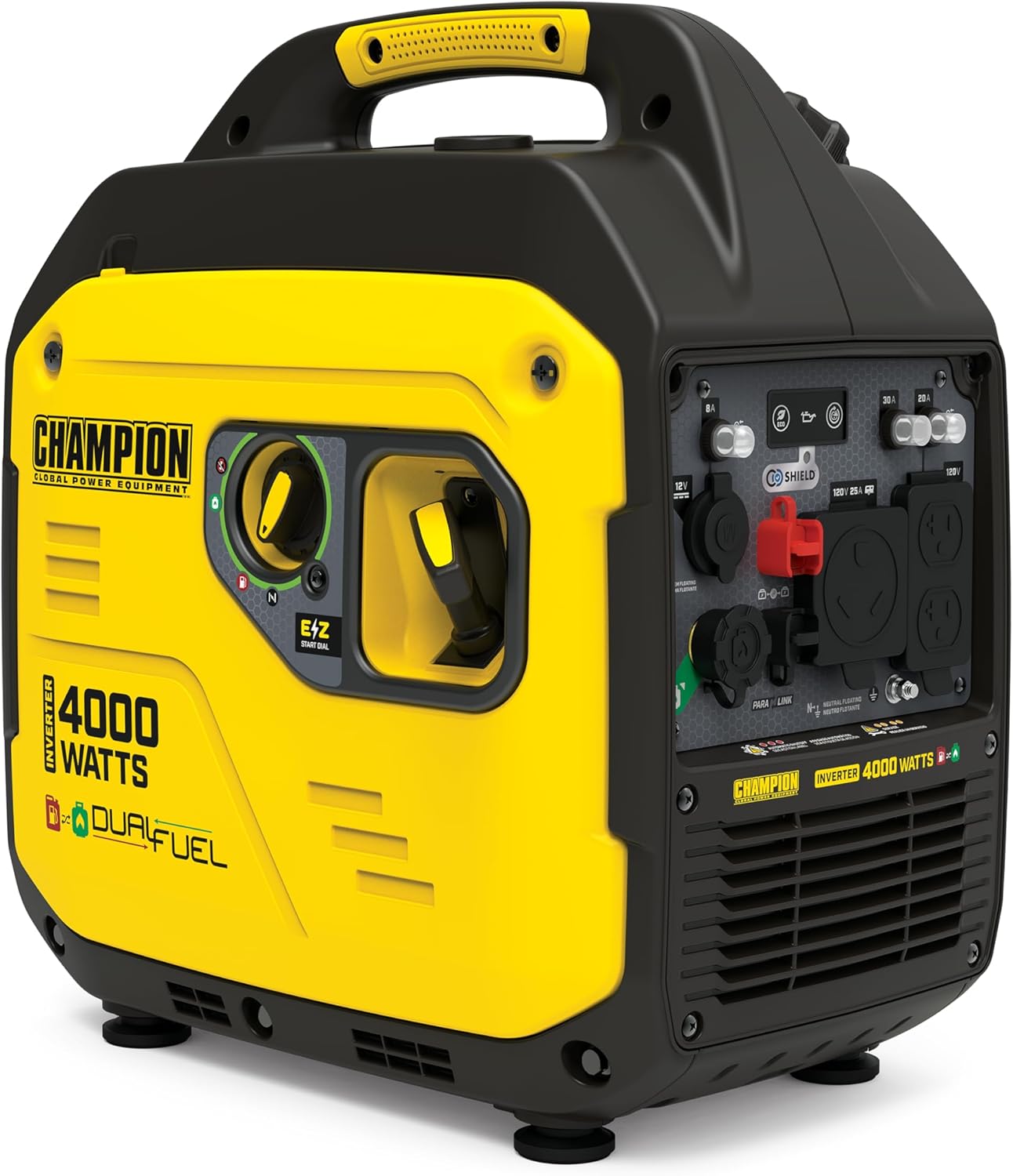
You can think of this Champion generator as a mid-size, portable inverter that balances power, quiet operation, and safety features tailored for RV users and homeowners who need reliable backup power. It’s designed to run on either gasoline or propane, giving you flexibility depending on what fuel you have available and how long you need it to run.
Why “dual fuel” matters to you
Running on gasoline or propane means you can switch fuels based on availability, storage preferences, or runtime needs. Propane often stores longer and burns cleaner, while gasoline typically provides higher starting and running wattage.
Key selling points at a glance
This model gives you 4,000 starting watts and 3,000 running watts on gasoline, with an ultra-quiet 64 dBA measured at 23 feet, plus a CO Shield carbon monoxide auto shutoff feature. You also get RV-ready connectivity (a 120V 25A TT-30R outlet), household outlets, clean inverter power (less than 3% THD), and a 3-year limited warranty with lifetime technical support.
Quick specifications table
This table breaks down the main specs so you can quickly compare them to other options on your shortlist. It’s a compact snapshot that helps when you’re weighing capacity, runtime, noise, and ports.
| Specification | Details |
|---|---|
| Model | Champion Power Equipment 4000-Watt Dual Fuel RV Ready Portable Inverter Generator with Quiet Technology and CO Shield |
| Starting Watts (Gasoline) | 4,000 W |
| Running Watts (Gasoline) | 3,000 W |
| Running Watts (Propane) | 2,700 W |
| Noise Level | 64 dBA at 23 feet |
| Gasoline Run Time | Up to 10 hours (tank capacity/load dependent) |
| Propane Run Time | Up to 25 hours (with 20 lb propane tank at 25% load) |
| Outlets | 120V 25A TT-30R (RV), 120V 20A duplex (5-20R), 12V DC automotive-style, Parallel ready outlets |
| Inverter THD | <3% (clean power suitable for sensitive electronics)< />d> |
| Safety Feature | CO Shield carbon monoxide auto shutoff |
| Parallel Capability | Optional sold-separately parallel kit (connects to another parallel-ready Champion inverter) |
| Warranty & Support | 3-year limited warranty, FREE lifetime technical support |

Performance and power delivery
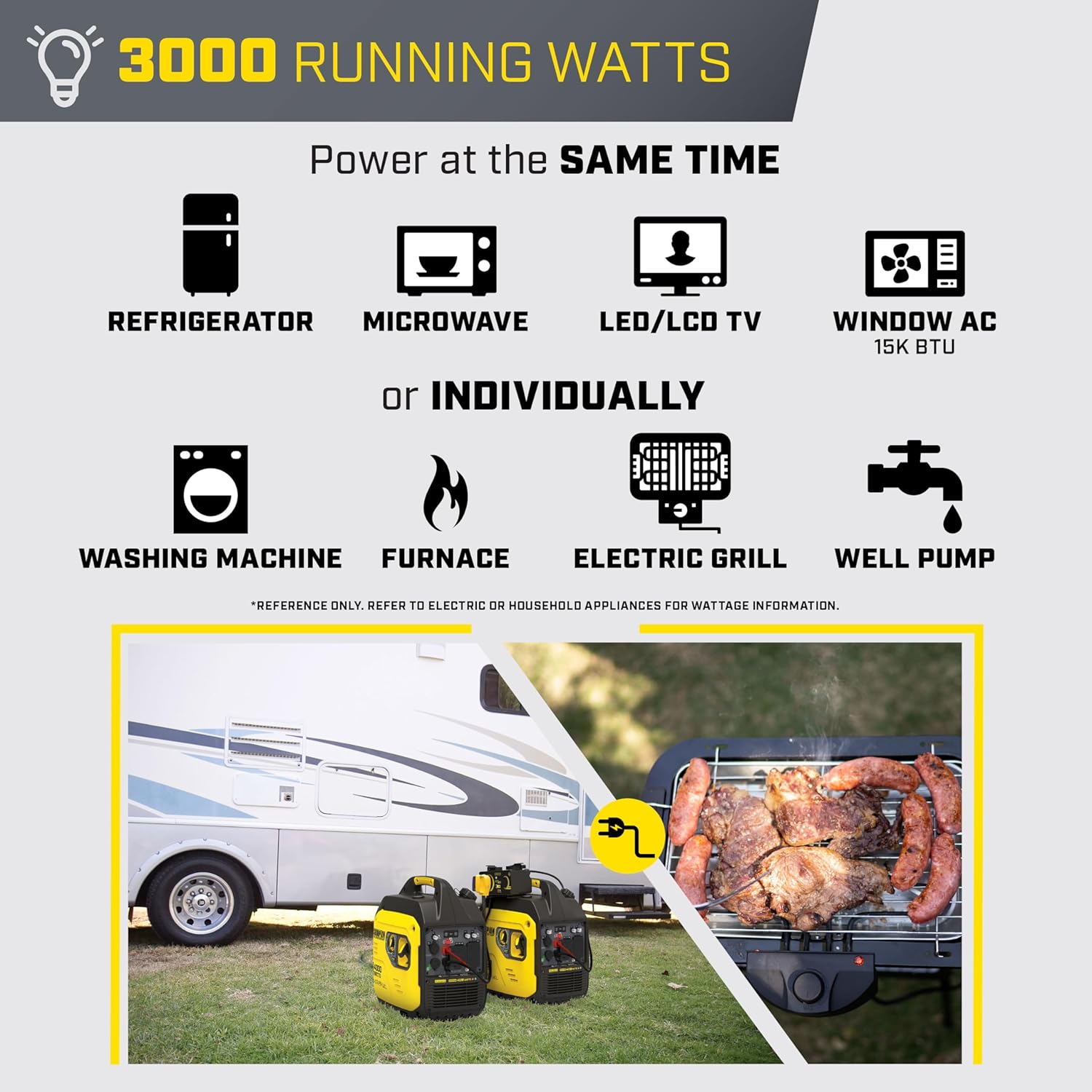
You’ll get dependable short-term bursts and sustained running power for most mid-size needs, like powering an RV air conditioner (with limits), refrigerators, lights, pumps, and electronics. The inverter design helps keep output stable and clean, so your sensitive devices like laptops and TVs are protected from voltage spikes.
Starting and running watts explained
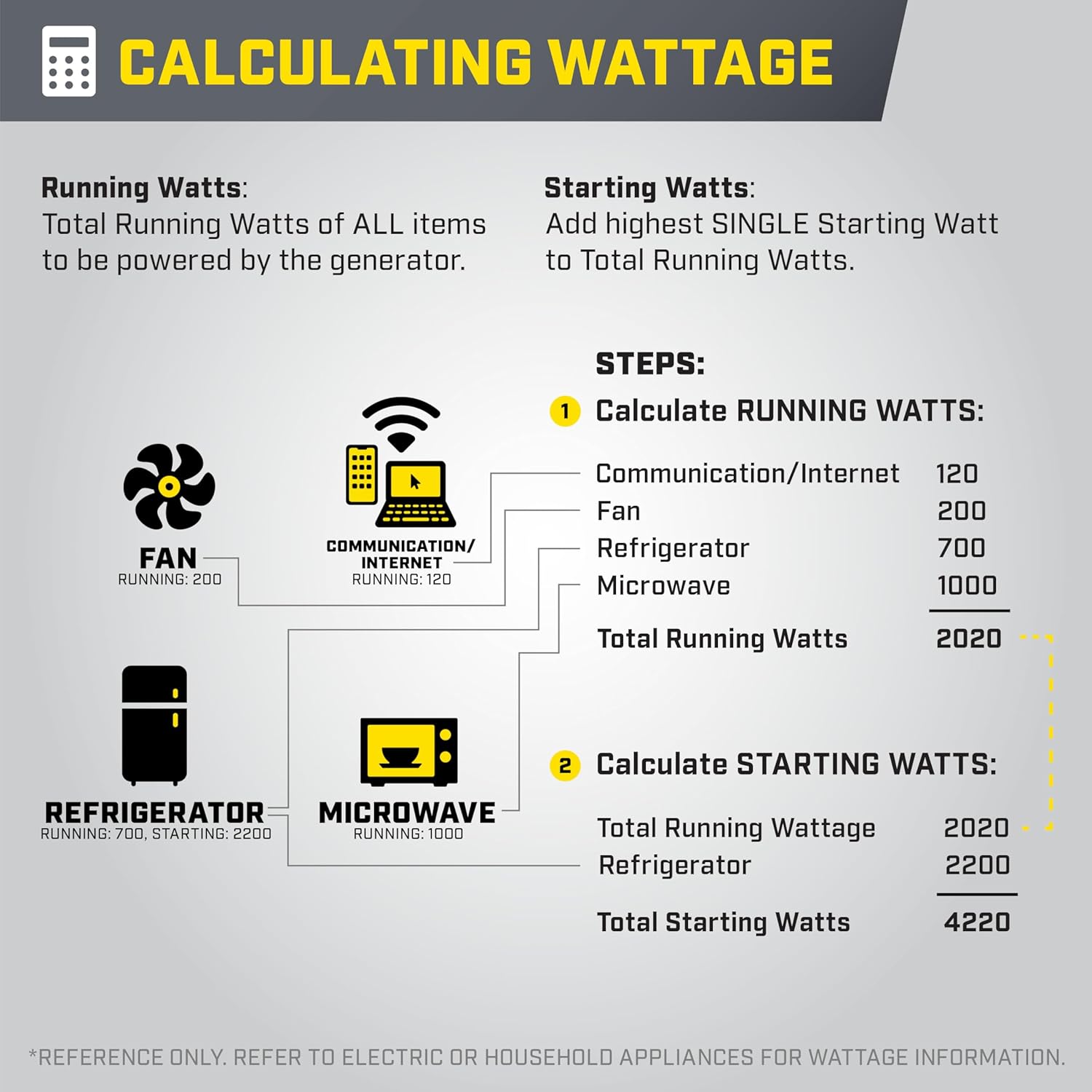
Starting watts are the surge available to start motors and compressors, while running watts are what the generator supports continuously. With 4,000 starting watts and 3,000 running watts on gasoline, you’ll be able to start and run many common RV appliances—though two big AC units would likely push you beyond capacity.
How clean is the electricity?
Champion states less than 3% THD (total harmonic distortion), which is good for electronics. That level means you can safely run computers, TVs, and other sensitive devices without worrying about damage or erratic behavior.
Noise levels and quiet technology
The 64 dBA rating at 23 feet places this generator in the quieter category for portable units, so you won’t feel like you’re living next to a jet engine. In real use, sound levels depend on load and placement, but the Quiet Technology helps you enjoy a more tolerable noise profile for campsite and neighborhood use.
What 64 dBA actually feels like
At 64 dBA from 23 feet, you’ll hear it but it won’t overwhelm conversation or quieter outdoor settings. For reference, normal conversation is roughly 60 dBA at 3 feet, so placed a bit farther away, the generator becomes background noise more than a distraction.
Noise management tips
You can reduce perceived volume by placing the generator downwind, using a stable, level surface, and adding a small sound barrier (without obstructing airflow). Avoid enclosing the generator — that increases danger and can impede cooling.
Dual fuel options: gasoline vs propane
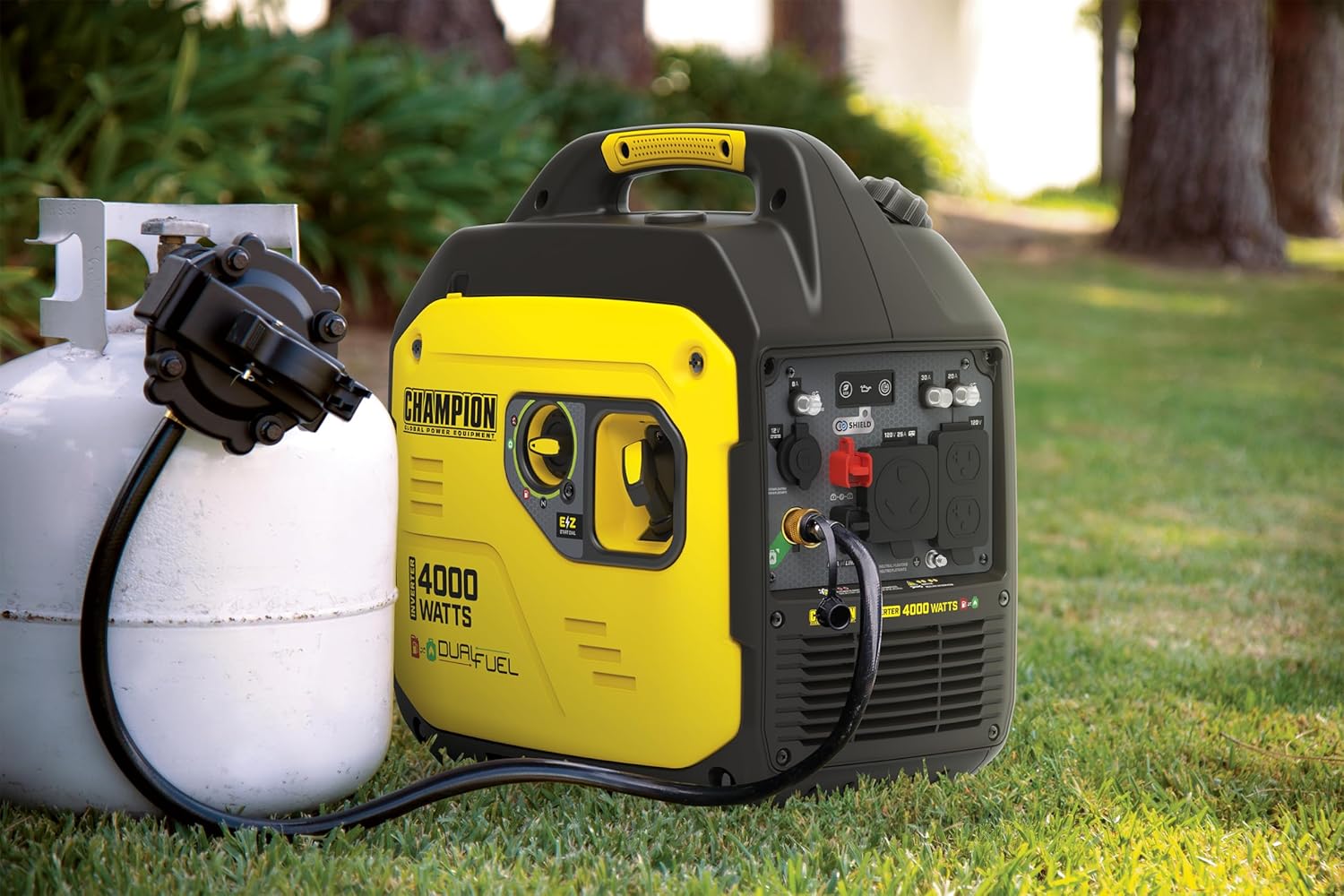
You have choices, and each fuel brings advantages. Gasoline gives you higher starting and running wattage, while propane offers longer storage life, less engine maintenance, and extended run times when paired with a 20 lb tank.
Gasoline: immediate power, shorter storage
Gasoline typically provides higher peak and continuous output, which helps with heavy loads. Expect up to about 10 hours of runtime on gasoline at a moderate load, but remember gasoline doesn’t store well for months unless treated.
Propane: longevity and cleaner burning
Propane can give you up to about 25 hours of runtime with a 20 lb tank at light loads, and it stores indefinitely without the same degradation issues as gasoline. Running on propane often produces fewer odors and may reduce carburetor gunk over long-term storage.
Outlets, connectivity, and practical use
Champion included a thoughtful set of outlets for RV and household needs. You get a 120V 25A TT-30R outlet for direct RV hookup, a 120V 20A household duplex outlet, a 12V DC port, and parallel-ready outlets for expanding capacity.
RV-ready features
The TT-30R outlet takes the guesswork out of hooking up to many travel trailers and RVs. That means you can plug your RV directly into the generator without needing an extra transfer switch, provided your total load stays within the generator’s capacity.
Household and DC power
The household duplex outlet is great for lamps, coffee makers, and small kitchen appliances. The 12V DC automotive-style outlet helps when you want to charge batteries or run 12V devices directly without an inverter loss (when applicable).
Parallel capability and expansion
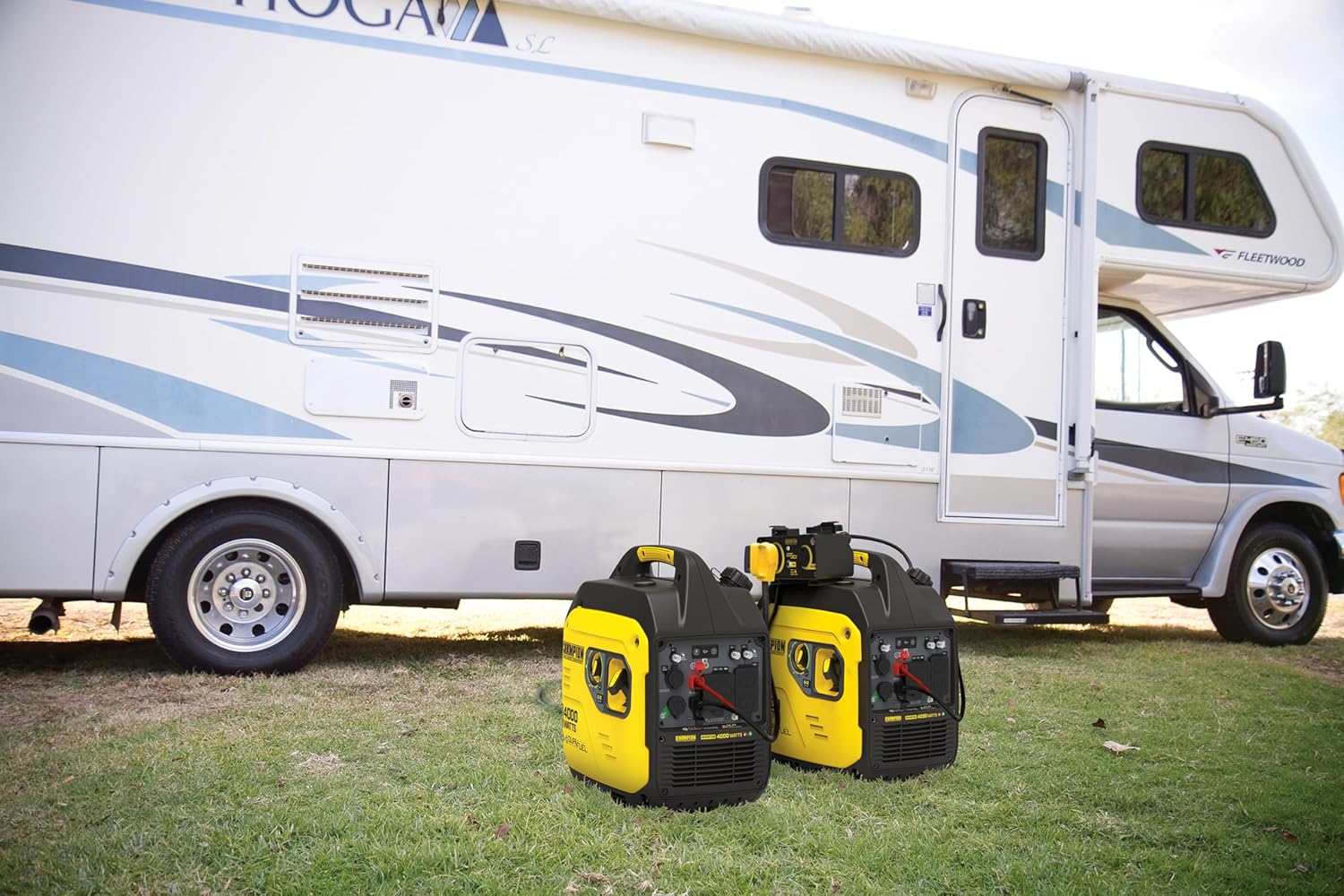
If you want more power or redundancy, you can connect this generator to another parallel-ready Champion inverter using an optional parallel kit (sold separately). That gives you the flexibility to increase total available wattage for heavier loads.
Why you might use parallel mode
You’d use the parallel option when you need more than 3,000 running watts but still prefer smaller, transportable units. For example, two identical units run in parallel can support a larger RV air conditioner or multiple heavy appliances at once.
Practical considerations for parallel use
Parallel operation requires two matching units and the proper kit; mismatching models or attempting DIY hookups can be unsafe. Also remember that parallel operation doubles weight and fuel needs, so plan logistics and fuel storage accordingly.
Safety features: CO Shield and other protections
Champion equipped this generator with a CO Shield carbon monoxide auto shutoff system to protect you from dangerous CO buildup. That’s an important feature if you plan to use the generator near an RV or in an area where exhaust could collect.
How CO Shield helps you
CO Shield senses elevated carbon monoxide levels and automatically turns the generator off before levels become dangerous. You should still follow best practices for placement: keep it at least 20 feet away from doors, windows, and vents, and never run it inside an enclosed space.
Other built-in protections
The unit’s inverter setup provides consistent voltage and frequency, reducing the risk to sensitive devices. The generator also typically includes low-oil shutoff to protect the engine and warning indicators for overloads.
Design, portability, and build quality
Champion built this generator with portability in mind, but it’s not a featherweight. The frame includes carrying handles and a compact layout that makes it manageable for two people to lift and for transporting in a truck bed or trailer.
Dimensions, weight, and handling
While the generator is portable, you’ll want to consider that most units in this class weigh a few dozen pounds (often 90–100+ lbs depending on configuration). The frame and handle placement help you move it, but plan vehicle placement and storage accordingly.
Durability and materials
Champion uses a metal frame and sturdy housing for the motor and inverter components, which improves durability and protection from bumps and vibration. Regular care and proper storage will keep the finish and components in good shape over years of use.
Starting, controls, and user interface
Starting is straightforward: you’ll use the recoil or electric start (depending on the exact configuration) and switch between gas and propane using the fuel selector. The control panel groups outlets and switches logically so you can quickly connect devices and monitor status.
What you’ll interact with daily
Expect a fuel selector, choke (for certain starting modes), outlets, and indicator lights for oil, overload, and CO Shield status. The panel is easy to read, and the inverter display or indicators help you understand load and runtime status.
Maintenance-related controls
You’ll find oil fill and dipstick access, air filter access, and spark plug locations for routine maintenance. Champion’s owner manual covers service intervals, and lifetime technical support can guide you through troubleshooting.
Maintenance, fuel storage, and long-term care
You’ll get the best longevity by following the owner’s manual: change oil at recommended intervals, keep the air filter clean, and drain fuel if you plan long storage. Proper fuel stabilizer use for gasoline and periodic exercise runs will preserve engine health.
Routine tasks to keep it running
Plan oil changes after the first 20–30 hours and then every 100 hours or annually, depending on use. Check the air filter every 50 hours and replace it as needed to prevent dust and debris from affecting performance.
Winter and storage advice
If you store the unit for months, run the fuel out or treat gasoline with stabilizer and run it for a few minutes to circulate. Store the generator in a dry place, cover it to protect from dust, and disconnect the battery (if equipped) to prevent drain.
Real-world use cases and scenarios
You can rely on this generator for weekend RV trips, short-term home backup, outdoor events, and light construction tools. It balances convenience and capability, making it versatile for many everyday power tasks.
RV camping and mobile living
If you use your RV for camping, this generator’s TT-30R outlet and quiet operation make it a solid choice for powering an A/C at partial loads, fridge, lights, and outlets. Keep in mind that a single large rooftop AC may start but could push you close to limits depending on the unit’s start-up draw.
Home backup and emergency power
For outages, you’ll be able to keep lights, a fridge, essential electronics, and small appliances running. Use a transfer switch or manual transfer method for safer home integration, and prioritize critical loads since the generator won’t support an entire home at once.
Pros and cons
You should weigh the benefits and trade-offs before buying; here’s a friendly summary so you can decide if the unit fits your needs.
Pros
- Dual fuel flexibility (gasoline and propane) gives you options for fuel availability and storage.
- Quiet technology at 64 dBA makes it campsite- and neighborhood-friendly.
- RV-ready TT-30R outlet and clean inverter power (<3% thd) are ideal for sensitive electronics and rv use.< />i>
- CO Shield auto shutoff adds an important safety layer against carbon monoxide.
- Parallel capability lets you scale power when needed.
- 3-year limited warranty with lifetime technical support gives you peace of mind.
Cons
- While quieter than some, 64 dBA can still be noticeable in very quiet campsites.
- Propane running watts are lower than gasoline (2,700 W), which limits heavy-load propane use.
- Parallel kit is optional and sold separately, adding cost if you want more power.
- Weight and bulk mean you’ll need a plan for transport and storage.
Comparison with similar models (what sets it apart)
Compared to basic portable generators, this Champion stands out for quieter operation and inverter-quality power. Against larger conventional generators, it trades absolute power for portability and cleaner output suitable for electronics.
Compared to non-inverter gasoline-only models
Gasoline-only units often offer comparable power but without the clean sine wave inverter output; they can be louder and less friendly to electronics. This Champion gives you better electronics protection and quieter operation.
Compared to larger standby or whole-house generators
Whole-house units provide continuous, high-capacity power but require professional installation, a dedicated fuel source, and are far less portable. This Champion is for mobility and smaller-scale backup rather than powering an entire home seamlessly.
Tips for buying, setup, and first use
You’ll make the most of your purchase by planning for fuel, accessories, and safety right away. Consider spare oil, stabilizer, a heavy-duty extension cord or RV power cord, and the optional parallel kit if you think you’ll need more power later.
What to unpack and check before first start
Inspect for shipping damage, check the oil level, and make sure the spark plug and air filter are installed correctly. Read the quick-start section of the manual so you understand choke, fuel selector, and CO Shield indicators.
Accessories you might want
A proper TT-30R RV power cable, a 20 lb propane tank and hose adapter, a fuel stabilizer for gasoline, and a maintenance kit (oil, spare air filter, spark plug) are practical first buys. If you want more power, budget for the parallel kit and another matching Champion inverter.
Troubleshooting common issues
If the generator won’t start, check fuel selection, fuel level, oil level, and choke position. For overload or sudden shutoff, reduce connected loads and inspect for any tripped indicators.
If it won’t start
Verify the fuel is fresh, oil is at the correct level, and the fuel valve is open. If the engine turns over but won’t fire, inspect the spark plug and air filter for fouling.
If you get CO Shield shutoff
CO Shield activates if it senses elevated carbon monoxide—move the generator outdoors and to a better-ventilated spot. After it cools and you’re sure CO is dissipated, the system should allow you to restart; if it persists, contact technical support.
Warranty and support
Champion includes a 3-year limited warranty on many of its inverter models and offers free lifetime technical support. You can reach out to their support team for setup guidance, parts, or troubleshooting help.
What the warranty covers
The limited warranty typically covers defects in materials and workmanship during normal use. Keep your purchase receipt and register the product if required to streamline service.
Lifetime technical support
Champion’s lifetime technical support can help you through setup, maintenance questions, and diagnosing issues you may encounter. That’s useful when you’re out camping or preparing for seasonal use and need quick guidance.
Final verdict: is this the right choice for you?
If you want a portable inverter generator that balances quiet operation, clean power, and dual-fuel flexibility for RVing or small to medium backup tasks, this Champion model is a strong contender. It’s particularly attractive if you value CO safety features, RV-ready connectivity, and the option to scale power later with a parallel kit.
Who should buy it
You should consider this unit if you own an RV and want a quieter, reliable generator for weekend trips and emergencies. It’s also a good fit if you need clean power for electronics and like the flexibility of using either gasoline or propane.
Who might look elsewhere
If you need whole-house backup or continuous power for multiple heavy appliances, a higher-capacity standby generator or multiple parallel units might serve you better. Also, if absolute silence is essential, look into larger inverter models designed specifically for ultra-low noise.
If you want, I can help you compare this Champion generator to specific competitor models or calculate whether one unit plus a parallel setup will meet your exact RV load or home-backup needs.
Disclosure: As an Amazon Associate, I earn from qualifying purchases.