
Thinking about a reliable portable generator that can power your RV, run tools on a job site, or keep essential circuits alive during an outage?

Quick summary
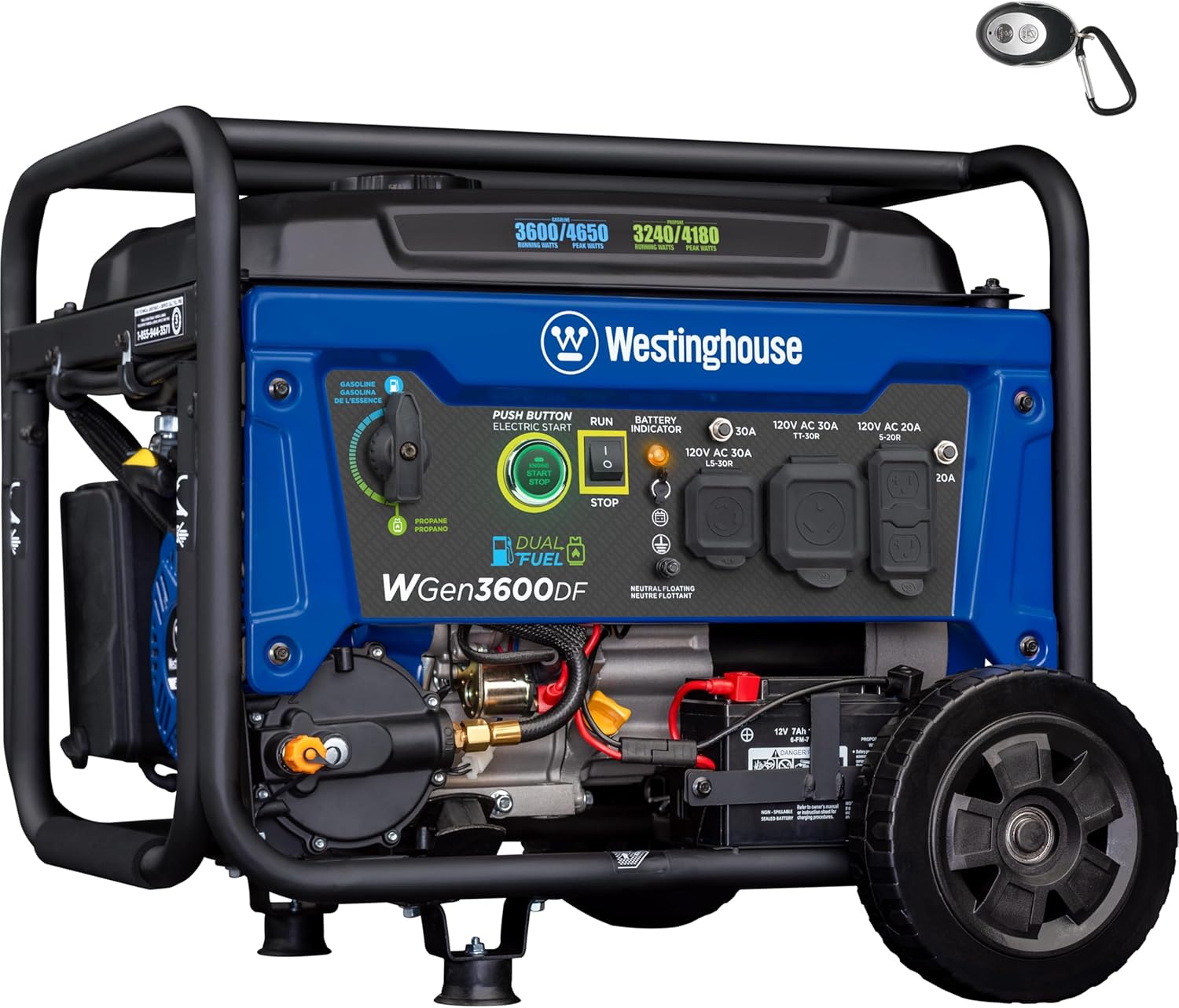
You get a dual-fuel portable generator that can run on gasoline or propane, giving you flexibility depending on availability and storage needs. The Westinghouse 4650 Peak Watt Dual Fuel Portable Generator, Remote Electric Start with Auto Choke, RV Ready 30A Outlet, Gas & Propane Powered delivers solid starting watts, multiple outlet options, and a few user-friendly features that make it practical for camping, RVing, job sites, and emergency backup.
Product at a glance
This generator offers 3600 rated watts on gasoline and 3240 rated watts on propane, with a 4650 watt surge capacity to handle motor-starting loads. You’ll find an electric push-button and remote start, an RV-ready 30A TT-30R outlet, and a compact, portable design with never-flat tires and an included propane hose for immediate use.
Key specifications
Here are the headline specs so you can quickly see whether the unit matches your needs. The table below breaks down power outputs, engine specs, fuel capacity, noise, and included accessories to make comparison easier.
| Feature | Specification |
|---|---|
| Model | Westinghouse 4650 Peak Watt Dual Fuel Portable Generator |
| Rated Power (Gasoline) | 3600 Watts |
| Peak Power (Gasoline) | 4650 Watts |
| Rated Power (Propane) | 3240 Watts |
| Peak Power (Propane) | 4650 Watts |
| Engine | 212cc Westinghouse 4-stroke OHV |
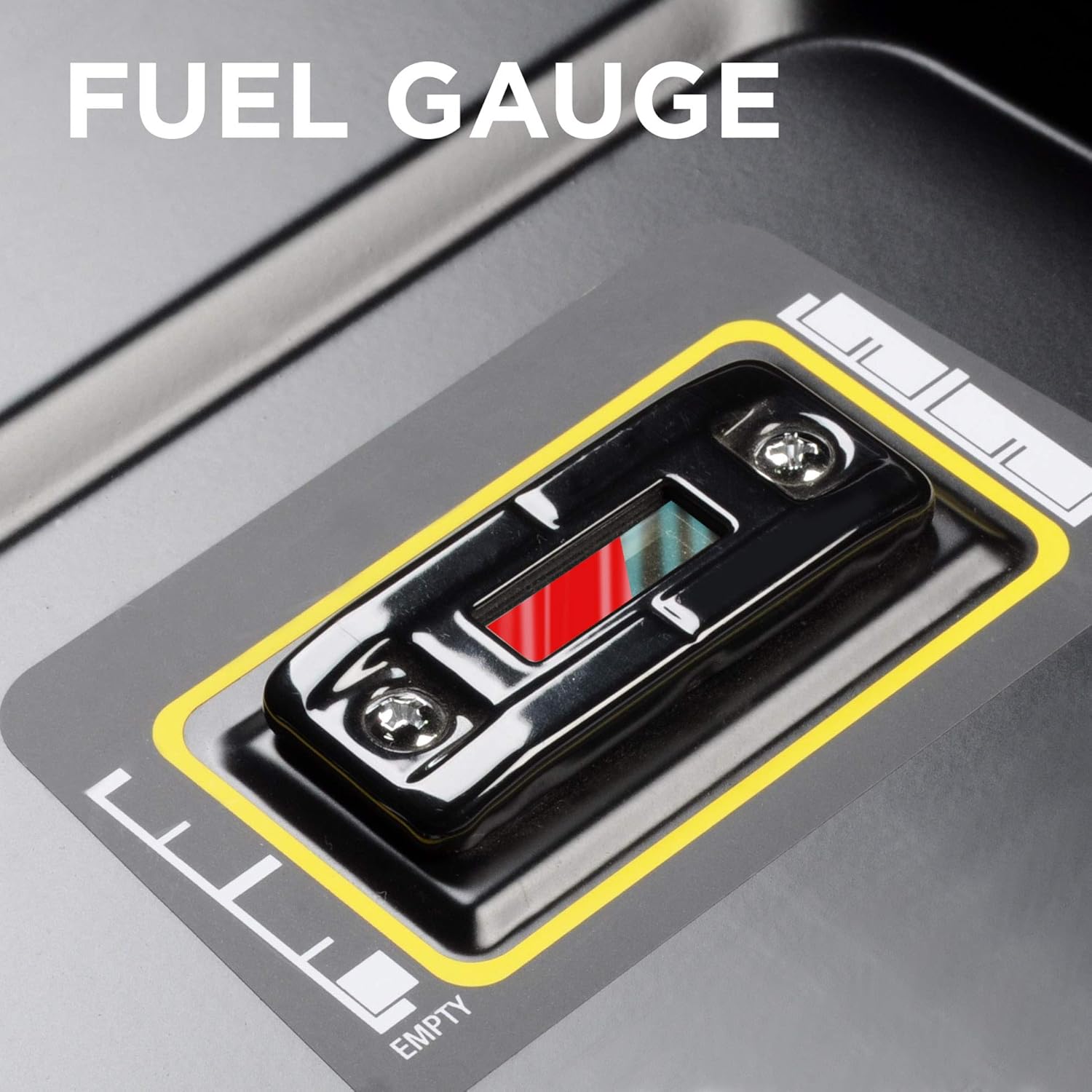
| Fuel Tank Capacity | 4 gallons (with fuel gauge) |
| Run Time | Varies by load and fuel type; economy mode not specified |
| Start Methods | Electric push-button, remote start, recoil pull-start |
| Outlets | 5-20R 120V Duplex, TT-30R 30A RV (30A), L5-30R 30A twist-lock |
| Included Accessories | Propane regulator hose, handle, never-flat polyurethane wheeled kit, oil, funnel, tool kit, user manual |
| Noise Level | 68 dBA (typical measurement) |
| Safety | Automatic low oil shutdown |
| Compliance | EPA and CARB compliant |
| Warranty | 3-year limited (service, labor, parts) and nationwide customer service |
You can use the specs table to compare this model against other generators quickly, and it highlights the practical balance between portability and output that this Westinghouse model aims to deliver.
What’s in the box
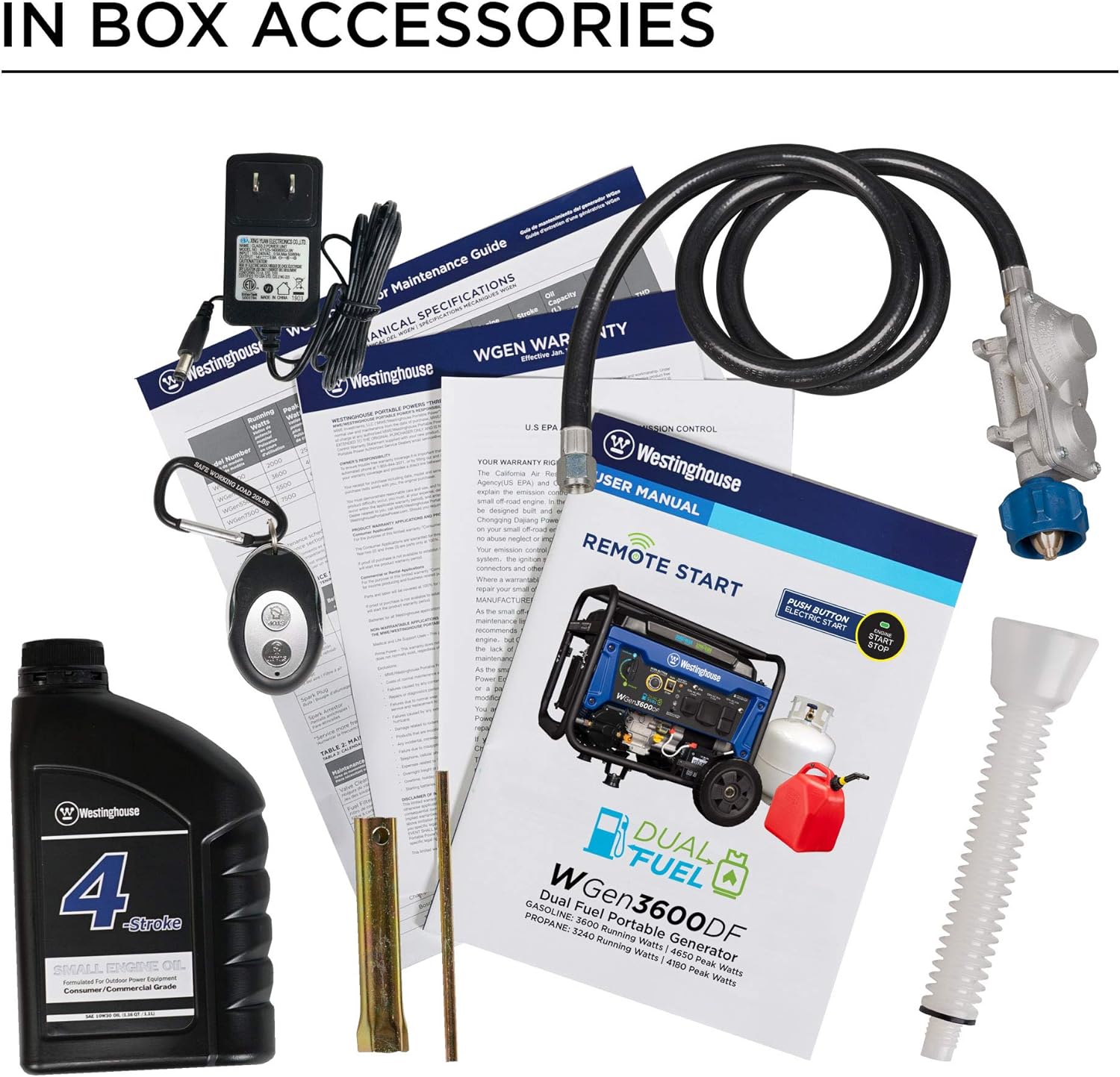
You’ll receive the generator largely assembled with most accessories included so you can get started right away. The package includes a propane regulator hose, funnel, oil, a basic tool kit, and the wheeled handle kit to make transportation easier.

Performance
Performance is where you’ll judge whether this generator matches your real-world needs, whether for RV air conditioners, power tools, or home backup. In short, the unit gives you a reliable surge capacity plus steady running watts that handle small to medium loads well.
Starting and running power
With 4650 peak watts you’ll have the surge power to start motors for appliances, sump pumps, and power tools, while the 3600 (gas) or 3240 (propane) rated watts handle sustained loads. That means you can run a small refrigerator, lights, a TV, and a few other essentials comfortably, or run an RV A/C if it’s within the A/C’s running requirements and you keep other loads minimal.
Fuel consumption and run time
Run time depends on load and the fuel you pick; gasoline gives you maximum rated output and typically longer runtime at full loads, whereas propane offers cleaner storage and simpler long-term availability but slightly lower running watts. Because the tank is 4 gallons, you should expect several hours at moderate load on gasoline; propane runtime will vary based on tank size and BTU draw, but the included regulator hose makes switching fuels straightforward.
Noise level and real-world sound
Rated at about 68 dBA, this generator is not whisper-quiet, but it’s reasonable for a portable unit of this size and output. You’ll hear it running in close proximity, but at typical campsite distances or with some placement planning it shouldn’t be overly intrusive, and the noise level is similar to other 3–4 kW class generators.
Design and build quality
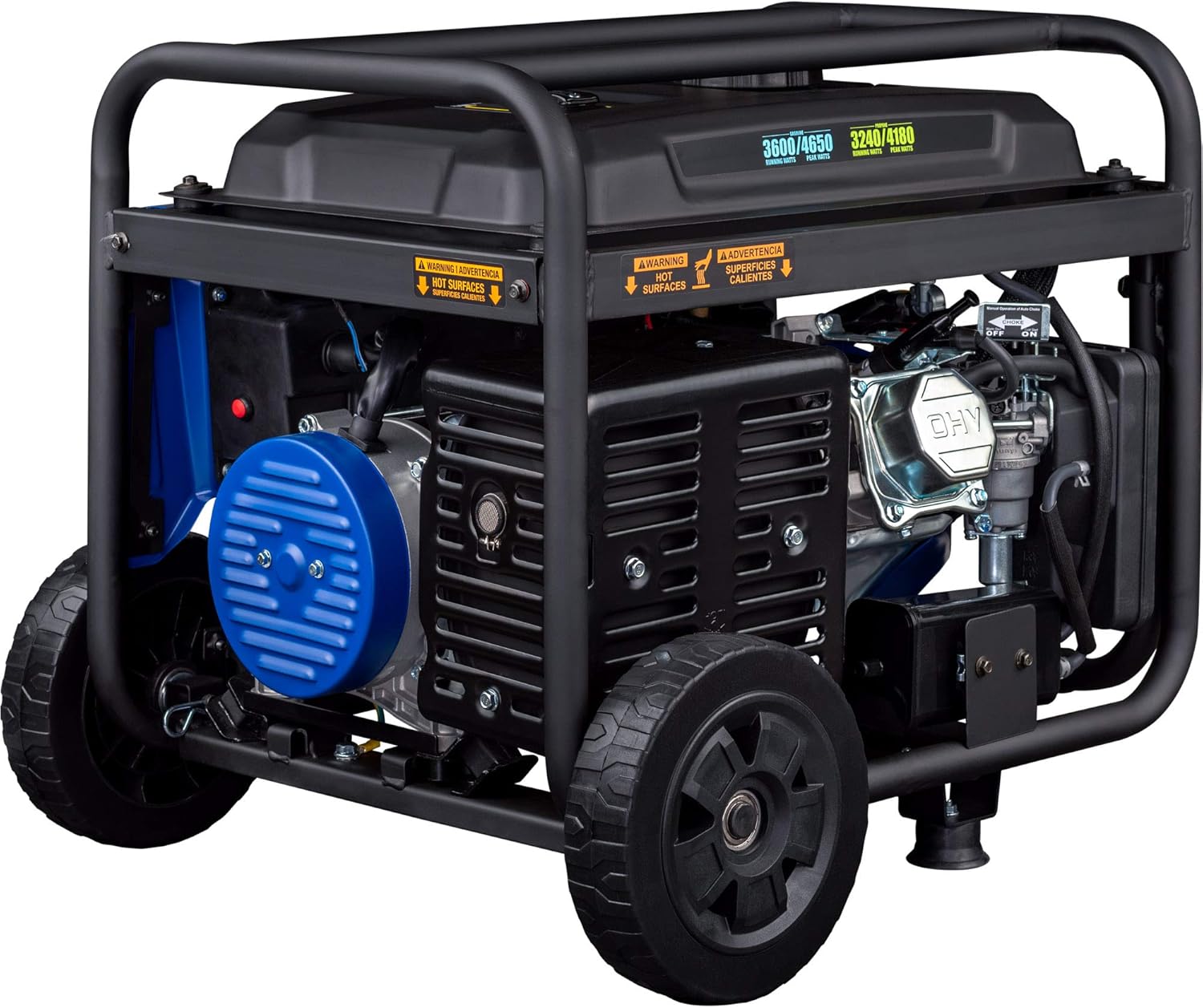
Westinghouse designed the unit with a roll cage frame, a convenient control panel layout, and corrosion-resistant finishes to handle field use. The build balances portability with durability; you won’t mistake it for a heavy-duty industrial machine, but it’s robust enough for occasional professional use and regular recreational use.
Engine and reliability
The 212cc Westinghouse 4-stroke OHV engine features a cast iron sleeve to help with longevity and heat resistance. You’ll also get automatic low-oil shutdown to protect the engine during accidental low-oil conditions, which is a helpful safeguard if you’re not monitoring oil frequently.
Frame, wheels, and portability
The unit includes a handle and never-flat polyurethane tires so you can move it across driveways, campgrounds, or sites without worrying about flats. It’s still a heavy item, so you’ll need two people or a ramp to lift it into a truck, but the wheeled kit and fold-down handle make transportation far easier than a static generator.
Control panel and outlets
You’ll appreciate a control panel that keeps things simple while giving you the connections most RVers and homeowners need. The panel groups standard 120V outlets and 30A options close together so you can plug in multiple devices safely.
Outlets and RV-ready features
The generator provides a 5-20R 120V duplex outlet for household items, an L5-30R 30A twist-lock outlet for heavier connections, and a TT-30R 30A RV outlet so you can plug your RV directly without an adapter. That RV-ready outlet is especially convenient because it removes one step in hookup and lets you safely connect shore-power equipment or an RV A/C when the generator can support it.
Starting options and auto choke
You have three starting options: remote electric start, push-button electric start, and a manual recoil pull start. The auto choke system helps during cold starts so you don’t have to manually adjust choke settings, which simplifies operation when you’re tired or dealing with less-than-ideal conditions.
Setup and first use
Setting the unit up for the first time is straightforward but you’ll want to follow the manual and perform a few checks before first run. You should add oil, check fuel, attach the wheels and handle if not pre-assembled, and plan where you’ll place the generator for safe operation.
Steps for first use:
- Add the recommended engine oil to the correct level and double-check the dipstick.
- Fill the gasoline tank if you plan to use gasoline, or connect the propane hose if you’ll use propane.
- Ensure the area is well-ventilated and on level ground away from doors and windows.
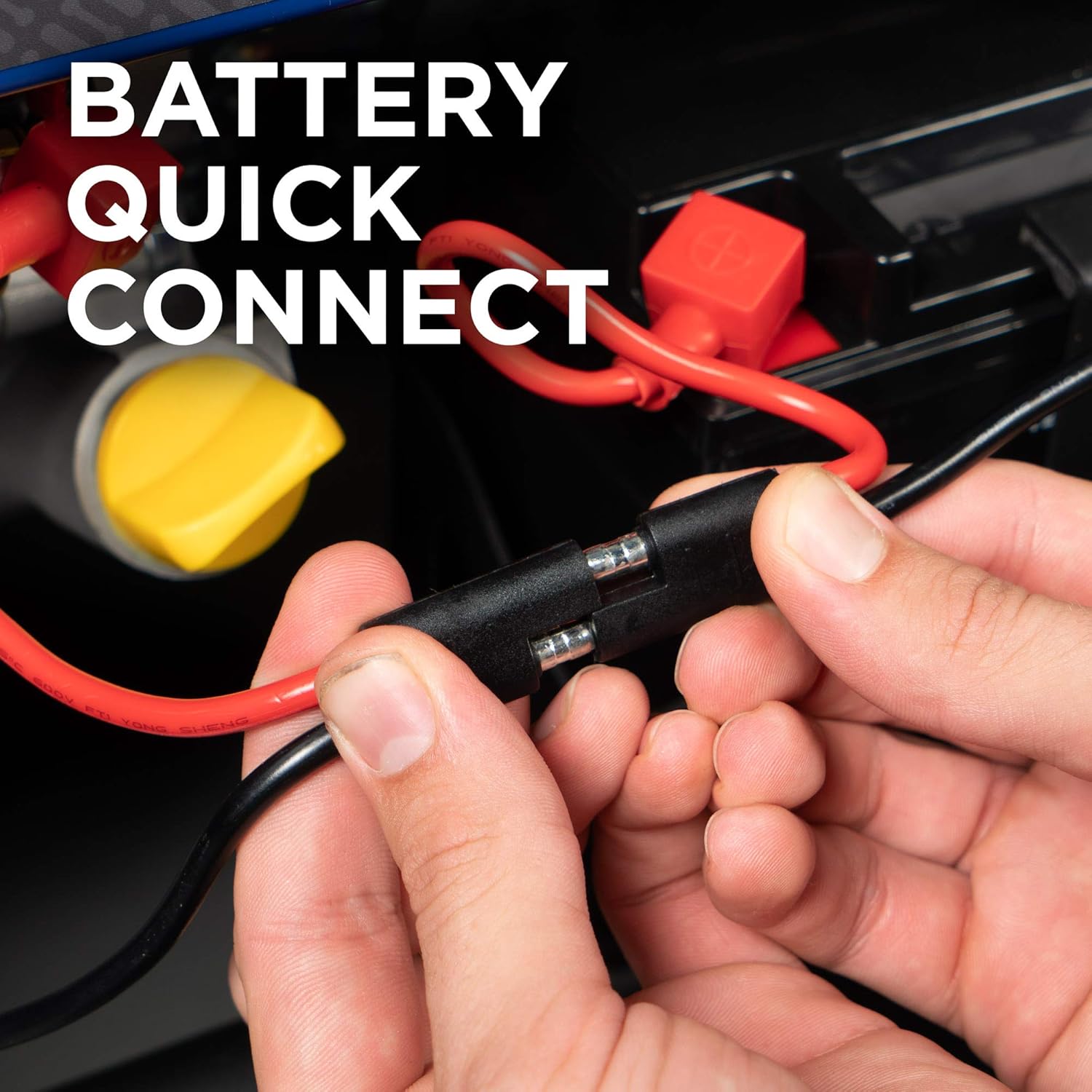
- Test the electric and remote start functions to confirm battery and connection health.
- Run the generator under a moderate load for a short break-in period and recheck oil and fasteners.
You’ll find these setup steps simple, and taking a few extra minutes for the first run helps prevent early issues and establishes a baseline for normal operation.
Maintenance and longevity
If you keep on top of routine maintenance—oil changes, air filter cleaning, spark plug checks, and occasional carburetor attention—this engine can provide many years of service. Using high-quality fuel, draining carburetor bowls when storing gasoline long-term, and running the generator periodically when not in heavy use will preserve seals and fuel systems.
Routine items you’ll do:
- Oil change after the initial break-in and then every 50–100 hours or per manual.
- Clean or replace the air filter as recommended.
- Inspect the spark plug and replace if fouled or worn.
- Verify tire and frame fasteners, and check the battery on models with electric start.
Routine maintenance is manageable for most DIYers and important to keep the 212cc engine running reliably for season after season.
Safety features
The unit includes automatic low-oil shutdown, which protects the engine by stopping it before damage occurs from insufficient lubrication. You’ll still need to operate it outdoors with proper ventilation, maintain safe distances from living spaces, and use correct extension cords or transfer switches to avoid carbon monoxide or electrical hazards.
Additional safety reminders:
- Never run the generator indoors or in an attached garage.
- Use a transfer switch when connecting to home wiring to prevent backfeed into utility lines.
- Keep fuel stored away from the generator and only refuel when the engine is cool.
Following standard generator safety practices will keep you and your family safe while the unit provides power.
Fuel types: Gasoline vs. Propane
Using gasoline gives you the highest running watts and often longer run times per refill, while propane presents a cleaner-burning option with long-term storage benefits. You’ll pick the fuel based on convenience, availability, and whether you’re preparing for long-term storage (propane) or want maximum output per tank (gasoline).
Advantages of gasoline
Gasoline allows the generator to reach its higher rated wattage (3600W) and is typically less expensive at first fill for small tanks. You’ll also get slightly better run time per onboard tank versus an equivalent propane cylinder, which can matter if you’re away from supplemental fuel sources.
Advantages of propane
Propane won’t go stale the way gasoline can, and you can keep tanks on hand for emergencies without the same degradation concerns as stored gas. Propane is also cleaner-burning which can mean fewer deposits in the carburetor and easier long-term storage and maintenance when you run the generator infrequently.
Noise considerations and placement tips
At roughly 68 dBA this generator is noticeable, so thinking about placement and orientation will improve comfort for you and anyone nearby. Placing it downwind of your camp or home, using a sound-dampening fence or barrier, and mounting it on a firm, stable surface will reduce perceived noise and vibration.
Practical placement tips:
- Position the generator at least 20 feet from doors, windows, and vents.
- Locate it on a flat, gravel or concrete surface to reduce vibration and ensure stability.
- Use a manufactured canopy or building if permitted and ventilated correctly to reduce noise while maintaining airflow.
These steps make operating the generator more pleasant and safer for your surroundings.
Portability and storage
You’ll appreciate the never-flat polyurethane tires and folding handle, which make moving the unit easier than carrying a non-wheeled generator. For storage, consider lifting it into a truck bed for trips or leaving it in a dry, ventilated location that’s protected from freezing temperatures if you live in a cold climate.
Storage tips:
- Drain or stabilize gasoline if storing for more than a month.
- Cover the unit with a breathable tarp to keep dust and detritus out while avoiding moisture traps.
- Run the generator occasionally to circulate oil and prevent seals from drying out.
These small practices increase the lifespan and readiness of your generator when you need it.
Electrical connections and using with an RV
The built-in TT-30R 30A RV outlet lets you plug an RV directly without an adapter, making campsite hookups simpler. You should still confirm the A/C’s running watt requirement and consider whether you’ll need a soft start or load management to prevent overloading the generator when running an RV air conditioner.
Tips for RV use:
- Check your RV A/C running watt and starting surge; many A/Cs require significant surge current.
- Consider running only essential circuits or using a load management device to prevent tripping the generator.
- Use a proper RV power cord rated for generator use and keep cords off the ground and away from traffic.
If you plan frequent RV use, matching your RV’s electrical demands against the generator’s output ensures smooth operation and fewer interruptions.
Common use cases and real-world scenarios
This generator shines for weekend RVers, homeowners needing backup for essentials, and contractors who occasionally need a reliable power source on a small-to-medium job. It’s versatile enough to be the primary power source for a campsite or the emergency backup for a sump pump, refrigerator, or lighting at home.
Real-world examples:
- You can run a refrigerator, a few lights, and a TV during an outage while preventing food spoilage.
- On an RV trip, you can power the air conditioner if the model’s running load fits within the generator’s capabilities, or you can run lights, microwave, and lights if you don’t run A/C.
- At a small job site, you can operate hand tools and a compressor intermittently while moving the generator as needed.
These use cases show how the generator supports both recreational and practical needs.
Pros and cons
You’ll want to weigh benefits like dual-fuel flexibility and included accessories against limitations like the noise level and weight. The pros and cons below summarize key decision points so you can decide whether this model is the right fit for your needs.
Pros:
- Dual-fuel capability provides flexibility and longer-term storage options.
- Remote and push-button electric start with auto choke for easy starting.
- RV-ready 30A outlet and multiple outlet types for versatile connections.
- Never-flat tires and included wheels make transport easier.
- 3-year limited warranty with nationwide support offers peace of mind.
Cons:
- At 68 dBA, noise can be noticeable in quiet campgrounds and residential areas.
- Slightly lower rated wattage on propane compared to gasoline.
- Still a heavy unit to lift for one person despite the wheels.
- No fully enclosed, ultra-quiet housing compared to inverter models designed for low noise.
Weighing these factors will help you decide if the generator matches your priorities for portability, noise tolerance, and fuel flexibility.
Comparison with similar generators
Compared to inverter-style portable generators, this Westinghouse is heavier and louder but offers higher starting watts for the price and rugged simplicity for handling motor loads. When compared to single-fuel propane generators, the dual-fuel capability gives you added flexibility and backup options in uncertain supply conditions.
How it stacks up:
- Against small inverters: More raw power and better motor-starting surge, but less fuel efficiency at light loads and higher noise.
- Against single-fuel propane units: You gain gasoline option for higher rated output and longer per-tank run times.
- Against higher-capacity portable generators: You get better portability and lower cost but less continuous wattage for large homes or bigger appliances.
Choose based on whether you prioritize quiet operation and clean power (inverter) or raw starting capacity and fuel flexibility (this Westinghouse).
Warranty and support
Westinghouse backs this generator with a 3-year limited warranty covering service, labor, and parts, which is a solid offering in the portable generator market. You’ll also have access to a nationwide customer service network for parts and repair, which matters if you rely on the unit during emergencies.
Using the warranty:
- Register the product if required to activate warranty benefits and save receipts.
- Keep a maintenance log in case you need warranty service; following the manual’s maintenance schedule preserves coverage.
Warranty coverage and accessible service networks reduce the anxiety of long-term ownership.
Price considerations and value
You’ll find this generator priced competitively for its feature set—dual fuel, remote start, RV outlet, and included wheeled kit. When you factor in the convenience of included accessories and the 3-year warranty, the generator offers strong value for users needing flexible power without stepping up to a much larger, costlier model.
Value observations:
- The included propane hose and wheels reduce initial setup costs and make the unit road-ready.
- The balance of surge watts and rated watts provides practical capability for many common needs without paying for oversized capacity.
If you want a balance of price, capability, and convenience, this model is worth serious consideration.
Who should buy this generator?
You should consider this generator if you need a mid-range portable unit capable of powering RVs, small job sites, or home essentials during outages. It’s a particularly good fit if you value dual-fuel flexibility, need RV-ready connectivity, and want remote start convenience.
Not ideal if:
- You demand ultra-quiet operation for quiet campgrounds.
- You require inverter-level clean power for sensitive electronics without additional conditioning.
- You need continuous power for a whole-house setup beyond the specified running watts.
Match the generator’s strengths—start surge, portability, and dual-fuel—to your most common uses to get the most value.
Final verdict
If you want a portable generator that balances power, convenience, and fuel flexibility, the Westinghouse 4650 Peak Watt Dual Fuel Portable Generator is a solid pick. You’ll appreciate the RV outlet, the remote start with auto choke, and the included accessories, though you should plan for the noise and weight inherent to a unit of this capacity.
Frequently asked questions (FAQ)
Q: Can you run an RV air conditioner on this generator? A: You can run an RV air conditioner if its running watts and starting surge fit within the generator’s rated and peak capacities; verify your A/C’s data plate and consider load management to avoid overloads. Many A/C units have high startup currents, so limit other loads when attempting to run an A/C.
Q: How long will it run on a full 4-gallon tank of gasoline? A: Run time varies by load, but at moderate loads you can expect several hours on a full tank; heavy loads will shorten runtime proportionally. For longer runtimes, consider a larger external fuel source or switching to a connected propane cylinder for steady supply.
Q: Is the generator CARB and EPA compliant? A: Yes, the unit is EPA and CARB compliant, so you can use it in most states including those with stricter emissions standards. Compliance helps ensure it meets regulatory requirements for recreational and backup uses.
Q: How loud is 68 dBA in real terms? A: Measured at a standard distance, 68 dBA is comparable to background office noise or a dishwasher; it’s noticeable but not excessively loud for a portable generator. At close range you’ll clearly hear it, so placement matters if you’re using it near people.
Q: Do you need special tools to assemble the wheeled kit? A: Minimal assembly is required and the included tool kit should cover the basic steps like installing the wheels and handle. Most people complete assembly in a short time without needing extra tools.
Q: Does the generator require synthetic oil? A: The manufacturer’s manual will specify recommended oil types; you should follow the manual’s guidance for oil viscosity and whether synthetic is recommended for your climate and expected operating intervals. Using the recommended oil helps maintain engine health and warranty compliance.
Q: Can you use the remote start from your RV or only close range? A: The remote start provides convenient starting at short range and is helpful when you don’t want to be right at the generator; check the included remote’s range in the manual for exact distances. It’s designed for nearby operation rather than long-range control.
Q: Is a transfer switch required to connect the generator to home circuits? A: Yes, for safe connection to home wiring a transfer switch or an interlock kit is recommended to prevent backfeeding the utility lines. Using a proper transfer switch ensures safety for utility workers and prevents damage to your electrical system.
If you have more specific scenarios in mind—like exact RV model compatibility, continuous runtime at a particular load, or comparison to a specific competing model—tell me your priorities and I’ll tailor the guidance to your situation.
Disclosure: As an Amazon Associate, I earn from qualifying purchases.