
Are you searching for a reliable portable power station that can keep your devices running through a weekend trip, a blackout, or a long day of outdoor work?

Quick verdict
You get a compact, rugged portable power station in the Anker 521 Portable Power Station Upgraded with LiFePO4 Battery, 256Wh 6-Port PowerHouse, 300W (Peak 600W) Solar Generator (Solar Panel Optional). It balances real-world capacity, modern battery chemistry with long lifespan, and a thoughtful set of outputs so you can charge multiple devices at once without fuss.
What’s in the box
You’ll unpack the Anker 521 PowerHouse 256Wh, a DC adapter, a car charging cable, and a welcome guide. The package also includes a worry-free 5-year warranty and access to Anker’s customer service, which gives you a safety net if you run into issues.
Included accessories
You can expect:
- DC adapter for AC wall charging. This is your primary and fastest included charging method.
- Car charging cable for on-the-road recharging.
- Welcome guide with basic setup and safety info. These accessories cover the core ways you’ll keep the unit topped up without needing extras right away.

Key features overview
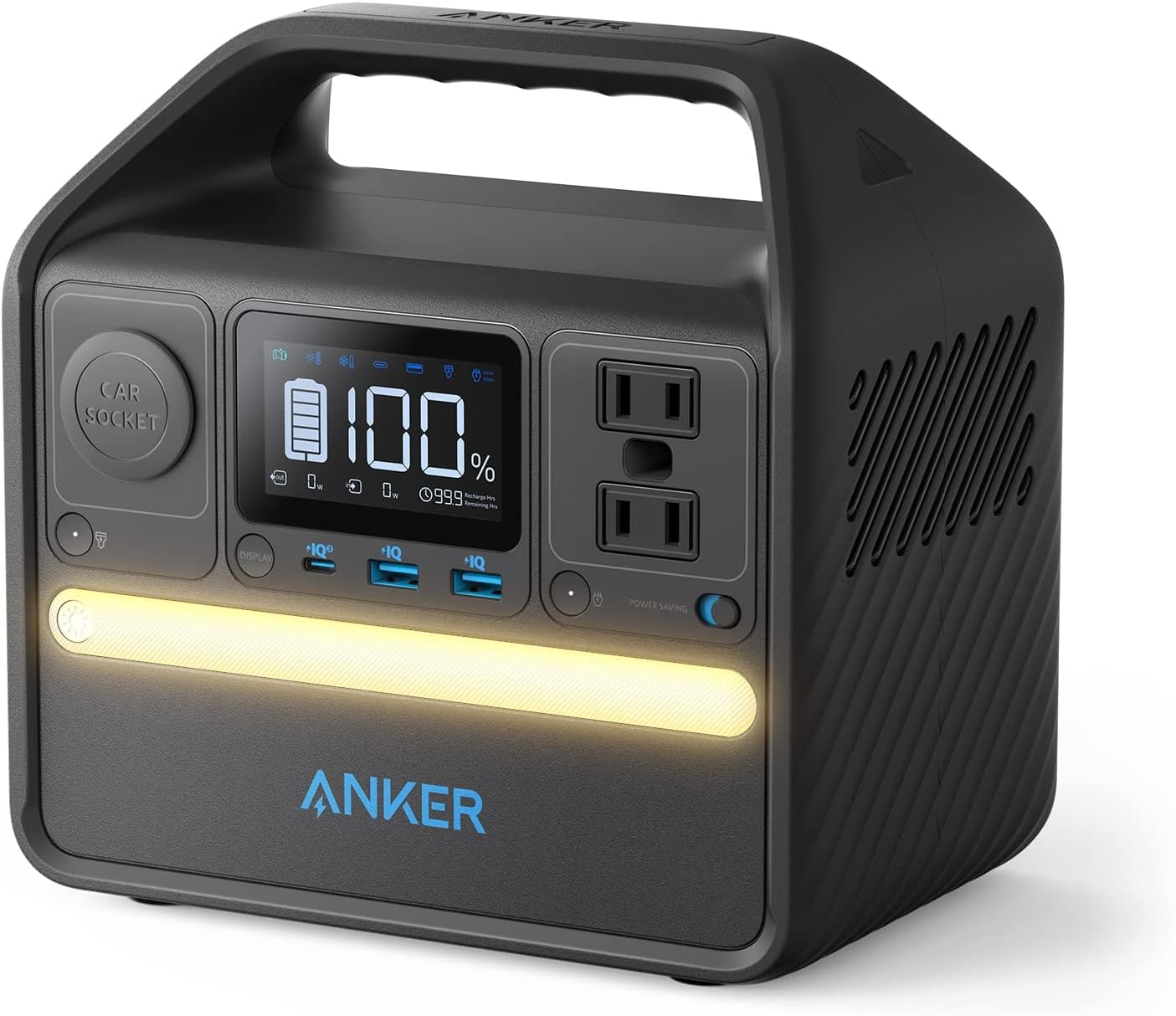
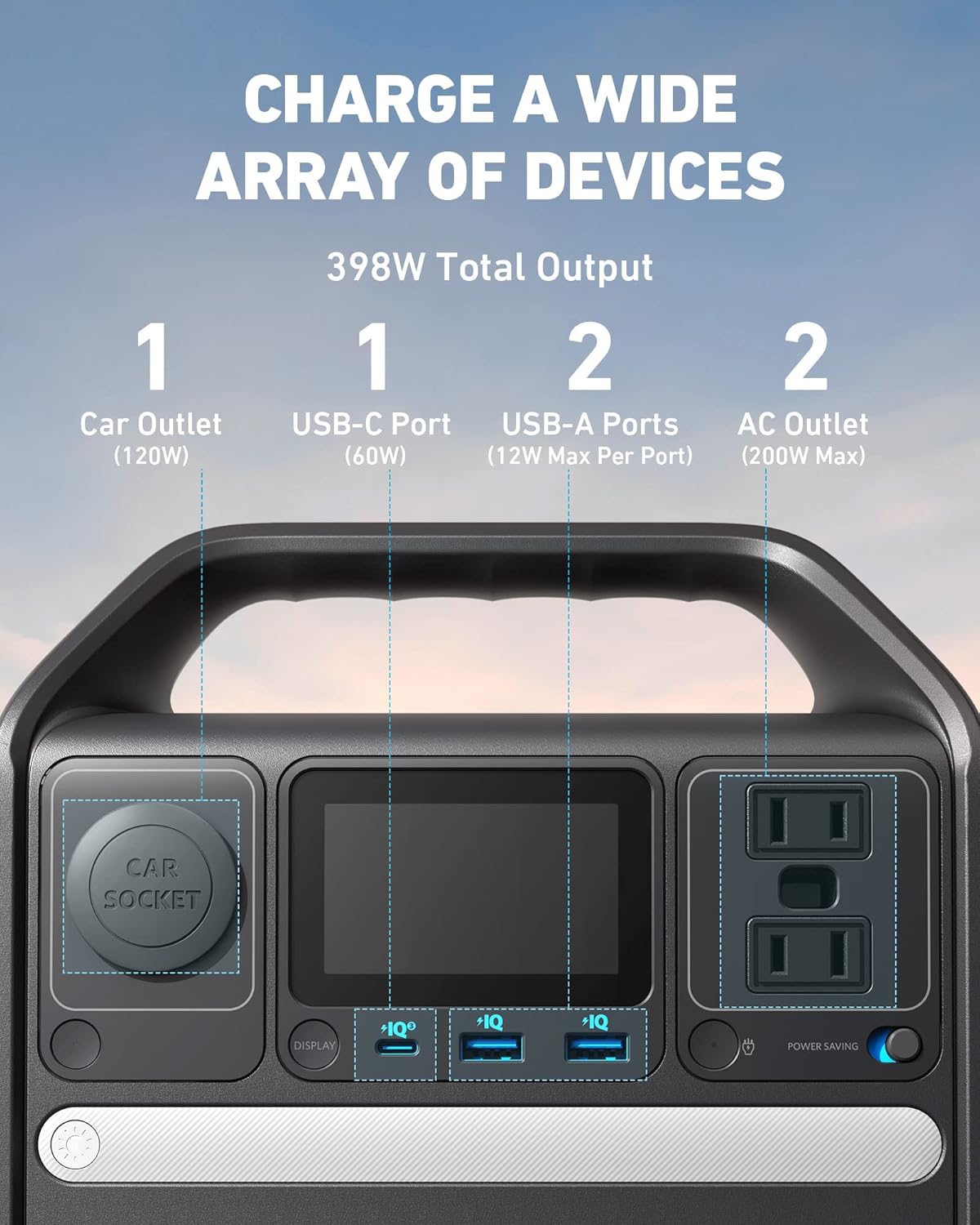
This unit blends a 256Wh LiFePO4 battery with Anker’s SurgePower and InfiniPower technologies to offer durability, better thermal control, and an ability to support higher startup loads. Its six ports — including 2 AC outlets, 2 USB-A, 1 USB-C PD (60W), and 1 car outlet — let you charge a mix of laptops, phones, small appliances, and accessories simultaneously.
Battery technology: LiFePO4 and InfiniPower
You benefit from LiFePO4 chemistry, which is known for longer cycle life and greater thermal stability than typical lithium-ion cells. InfiniPower technology in this model aims to give you up to a decade of usable life under normal usage patterns, so you can expect fewer replacements and more consistent capacity over time.
SurgePower and output capability
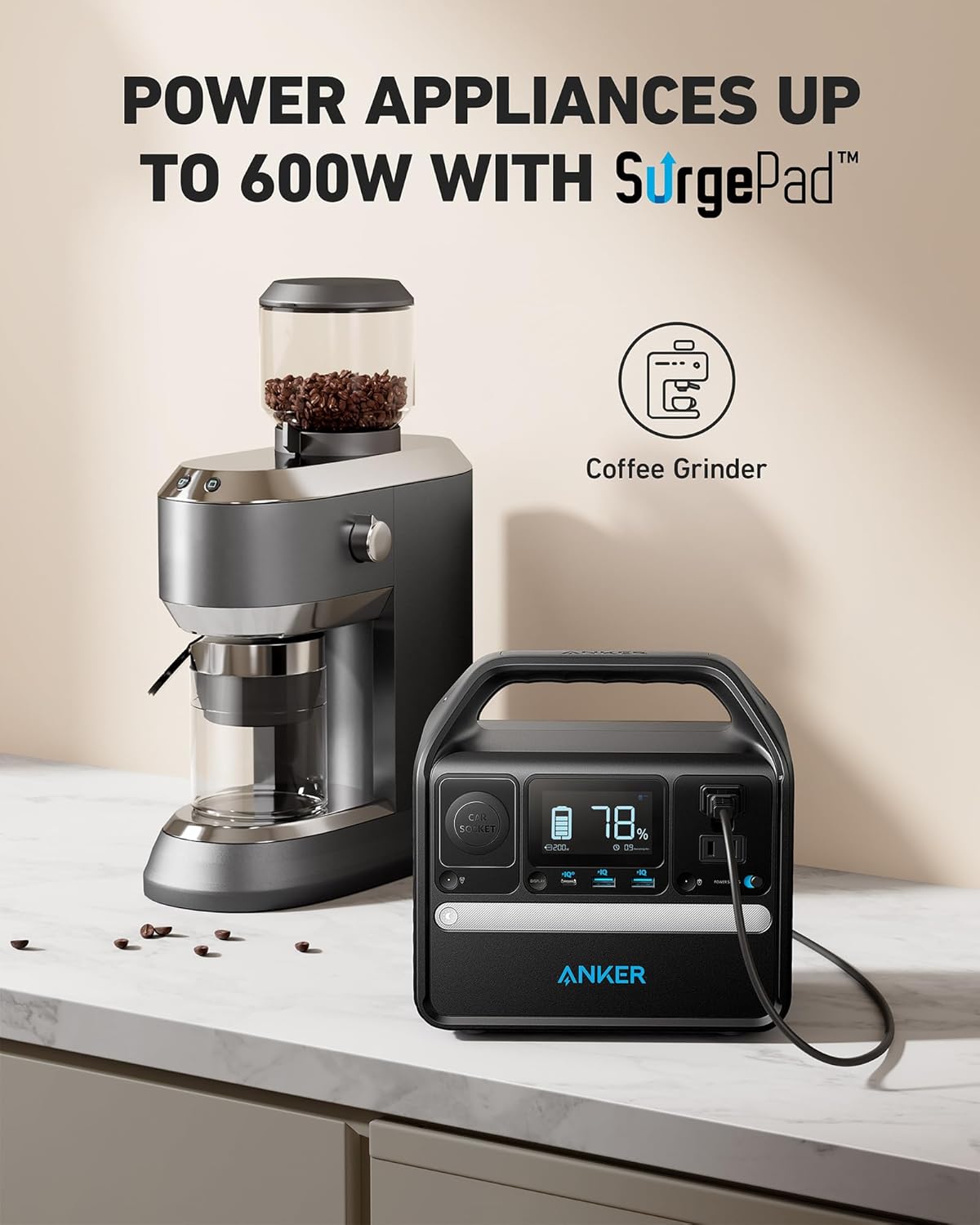
SurgePower provides the short-term boost necessary to start devices with motors or compressors by supporting peaks up to 600W, while the continuous inverter rating is 300W. That means you can run many mid-power devices like mini-fridges, lights, and most laptops, but you’ll want to avoid sustained high-wattage appliances such as full-size electric heaters or ovens.
Ports and connectivity
With six ports you’ll find a mix that suits modern needs: two grounded AC outlets for larger devices, two USB-A ports for older or lower-power gadgets, a 60W USB-C PD port that charges laptops and newer phones quickly, and a 12V car-style outlet for inverters, pumps, or other vehicle-style accessories.
Capacity and what it powers
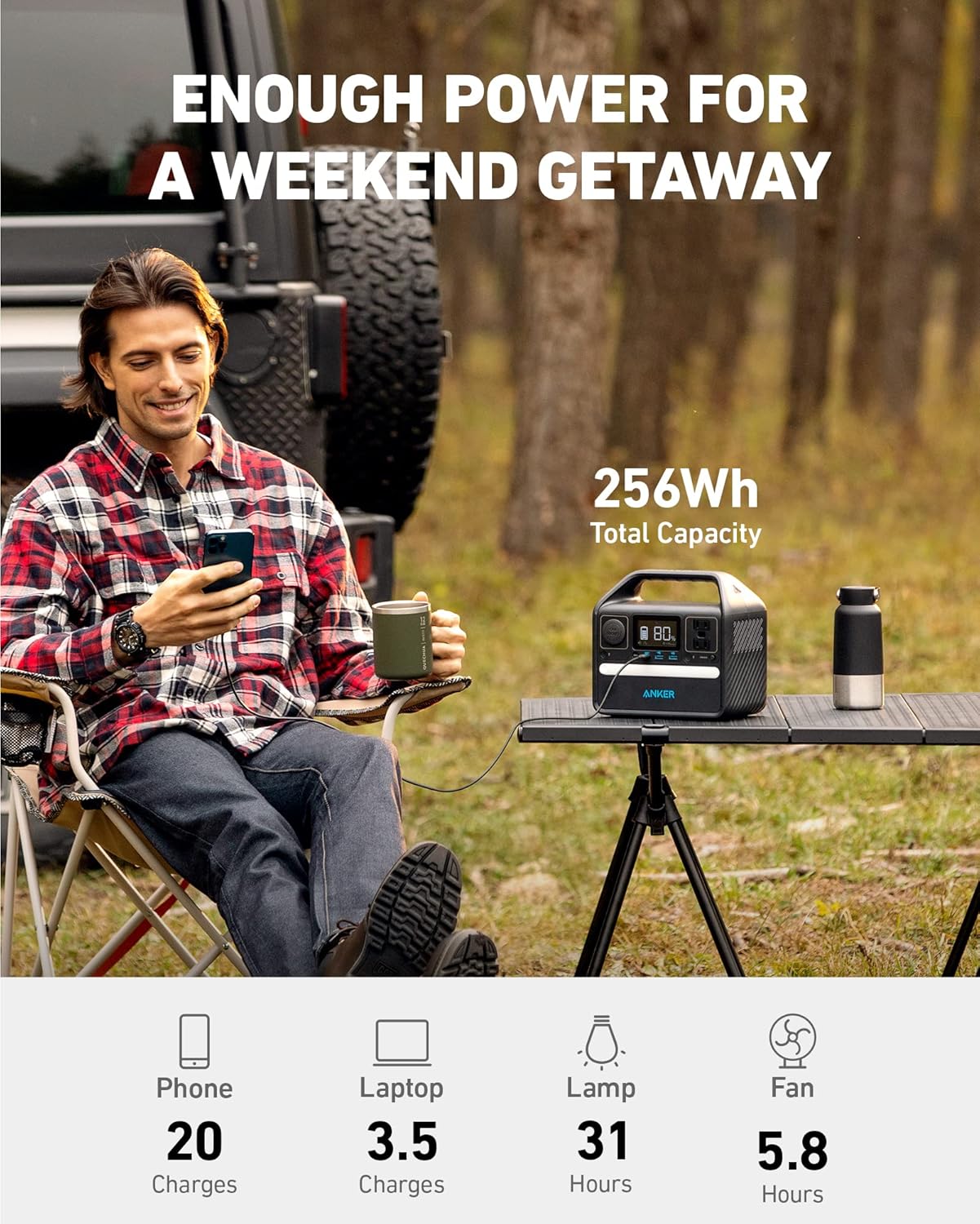
At 256Wh you have a robust reserve for short to medium-length outings and emergency use. That capacity translates into plenty of phone recharges, several hours of laptop use, or overnight power for low-draw medical devices and camping appliances when used wisely.
Product specifications (quick reference)
| Feature | Details |
|---|---|
| Product name | Anker 521 Portable Power Station Upgraded with LiFePO4 Battery, 256Wh 6-Port PowerHouse, 300W (Peak 600W) Solar Generator (Solar Panel Optional), 2 AC Outlets, 60W USB-C PD Output, Outdoor Generator |
| Battery capacity | 256Wh |
| Battery type | LiFePO4 (Lithium Iron Phosphate) |
| Continuous output | 300W |
| Peak/surge output | 600W |
| AC outlets | 2 (pure sine wave inverter) |
| USB-C PD | 1 (60W) |
| USB-A | 2 |
| Car outlet | 1 (12V) |
| Charging methods | AC adapter, car charger, compatible solar panel (optional) |
| Included accessories | DC adapter, car charging cable, welcome guide |
| Warranty | 5-year warranty |
| Target use | Camping, emergency backup, outdoor work, device charging |
Estimated real-world runtimes
You’ll want to know what 256Wh can realistically handle. Below are approximate run times based on the device power draw. Remember that inverter efficiency and environmental factors will affect these numbers, so treat them as a practical guide rather than exact guarantees.
| Device | Typical wattage | Estimated runtime on 256Wh |
|---|---|---|
| Smartphone (charging) | 10W | ~20–24 full phone recharges (≈20–25 hours of charging in total) |
| Laptop (work) | 45–60W | ~4–5 hours |
| Tablet | 10–15W | ~10–15 hours |
| LED camp light | 5–10W | ~25–50 hours |
| Portable fan | 10–25W | ~10–25 hours |
| Mini fridge (small, efficient) | 40–60W (duty cycle) | ~4–6 hours of active running time; actual runtime longer due to compressor duty cycles |
| CPAP (no humidifier, typical) | 30–60W | ~4–8 hours depending on settings and model |
| Projector (small) | 30–50W | ~5–8 hours |
| Electric kettle | 1000–1500W | Not supported (exceeds 300W continuous) |
These estimates assume an inverter and system efficiency; you’ll typically see around 85–90% usable energy after conversion and losses. Lower-draw devices last proportionally longer, and devices with motor or compressor starts can require the surge capacity.
Real-world performance and reliability
You’ll likely appreciate how consistent the power output feels during use. The pure sine wave inverter provides stable AC power that’s safe for sensitive electronics like laptops and audio equipment. The 60W USB-C PD port is particularly handy for fast-charging many modern laptops and phones, so you won’t be tethered to slow USB-A charging speeds.
Handling motors and surge loads
If you’re running devices with motors — small pumps, some mini-fridges, or power tools — the 600W peak will help handle initial startup currents. However, the continuous ceiling is 300W, so frequent or prolonged use of heavy motor-driven appliances may trip the system. You’ll want to check the running wattage of your device and avoid sustained loads near or above 300W.
Thermal management and durability
InfiniPower and LiFePO4 combine for better thermal performance and longer usable cycles. You’ll notice the unit stays relatively stable under standard loads, and the advanced temperature control helps prevent early degradation. That’s particularly important if you store the unit in a car or use it in environments with fluctuating temperatures.
Charging options and how long they take
How quickly you recharge depends on the input method and the power available. Charging times will vary with AC adapter capacity, car charging amperage, and solar panel output and conditions.
AC wall charging
Using the included DC adapter, you’ll recharge the unit from a wall outlet. Typical recharge times for a 256Wh LiFePO4 power station with a dedicated AC adapter commonly fall in the 2–4 hour range under ideal conditions, but actual times depend on the adapter wattage and any simultaneous output usage.
Car charging
You can recharge via the car charging cable while driving, making it convenient for road trips and overland adventures. Expect slower charges compared to an AC wall outlet; time will depend on your vehicle’s alternator output and the charger’s rating.
Solar charging (optional)
Pair the station with a compatible solar panel (sold separately) and you’ll gain renewable recharge capability. Solar charge times are highly variable, influenced by panel wattage, angle, weather, and the presence of an MPPT controller in the system. In full sun using a high-output panel, you can reasonably expect several hours to reach a meaningful charge, but don’t rely on solar alone unless you size the panel appropriately for your needs.
Portability and design
You’ll find the form factor compact and easy to transport for weekend trips or as a household emergency backup. Its build is solid without being overly heavy, and the carry handle makes short-haul transport straightforward.
Ergonomics and layout
The ports are grouped logically so you can run multiple devices without tangling cables, and the display (if present on model variants) gives clear status updates. The straightforward interface means you won’t wrestle with confusing menus when you need power quickly.
Safety features
Anker builds protective systems into the product: overcharge, over-discharge, short-circuit, and thermal protection are typical in this class. LiFePO4 cells add an extra margin of chemical stability compared to some other lithium chemistries, reducing fire risk and giving you confidence for indoor or car-based storage.
Long-term reliability
Because LiFePO4 has a long cycle life, you’ll likely see less capacity fade over years of light to moderate use. Anker’s 5-year warranty also indicates a level of confidence in both build quality and long-term performance that benefits you as the owner.
Use cases and who should consider this
This unit suits a broad set of users who need moderate portable power:
Camping and weekend getaways
You’ll easily power lights, phones, a small fridge, and other low- to mid-draw gear for a short trip. The balance of capacity and ports means you can keep a small campsite comfortable without hauling heavy gas generators.
Emergency home backup
For sudden outages you’ll cover essential devices — phones, laptops, lights, and small medical devices — through the first several hours of a blackout. It’s not designed to run multiple large household loads for days, but it keeps critical systems online while you wait for power restoration.
Remote work and photography
You can keep a laptop, camera batteries, and phones charged during long shoots or remote work sessions. The 60W USB-C PD port is particularly useful for modern laptops that accept USB-C charging.
Van life and overlanding
You’ll appreciate the car charging option and compatibility with solar panels for extended off-grid use. The compact size makes it easy to stow in a van or truck.
Small appliances and outdoor events
You can run lights, Bluetooth speakers, projectors, and other small gear during outdoor gatherings. Avoid planning on running coffee makers, large heaters, or high-wattage cooking elements.
Comparisons and buying considerations
When you compare this unit against the competition, note that LiFePO4 chemistry and a 5-year warranty are strong selling points. Many similarly sized stations use standard lithium-ion chemistry and may not offer the same cycle life.
Compared to larger capacity stations
If you need multi-day power for high-wattage appliances, you’ll want a larger capacity unit — or multiples in parallel if the manufacturer supports that. The Anker 521 is optimized for portability and moderate loads rather than long-term whole-house backup.
Compared to gas generators
You’ll enjoy quiet operation, no fumes, and instant startup with the Anker unit compared to gas generators. On the flip side, gas units supply far more continuous power and refuel quickly, so they remain useful when you need sustained high-watt output.
Pros and cons
You’ll find clear strengths and some limits in this package.
Pros:
- LiFePO4 chemistry for long life and safer thermal characteristics.
- Reliable surge capability up to 600W for motor starts.
- 60W USB-C PD port for fast laptop charging.
- Six diverse ports to cover most common needs.
- 5-year warranty and Anker customer support.
Cons:
- 256Wh is limited when you need to run several high-draw devices for extended periods.
- 300W continuous output restricts running larger appliances.
- Solar charging requires a separately purchased panel and depends on weather conditions.
Practical tips for maximizing performance
You’ll get the most out of your Anker 521 by following a few simple habits.
- Manage your loads: Add up device wattages and avoid sustained draws near the 300W limit.
- Use the USB-C PD for laptops to charge more efficiently than older USB-A ports.
- For camping or van use, pair with a high-efficiency fridge and low-watt LED lighting to stretch battery life.
- If storing long-term, keep the unit at around 50% charge and in a cool, dry place to preserve battery health.
- When using solar, place panels for optimal sun exposure and be mindful of panels’ rated output vs. real-world conditions.
Frequently asked questions
Q: Can you run a full-size fridge or power tools? A: You can run small, energy-efficient fridges and some lower-wattage power tools, but the 300W continuous limit means full-size household fridges or most power tools at full load are not supported for continuous use. Use the 600W surge for starts, but check running wattage.
Q: How many times will the battery cycle? A: LiFePO4 chemistry typically gives a much higher cycle life than standard lithium-ion. Anker’s InfiniPower claims support long-term use for up to around a decade under expected usage, but real cycles will depend on your charge/discharge patterns.
Q: Is it safe to store indoors? A: Yes. LiFePO4 batteries are more thermally stable than many alternatives, and the station has protective electronics. Still, follow manufacturer guidelines about temperature and state of charge for storage.
Q: Do you need an MPPT controller for solar? A: If you’re buying a solar panel, choose a compatible panel and confirm the input specifications. An MPPT controller helps optimize solar charging but the unit’s internal charging electronics determine compatibility and efficiency.
Q: Can you expand capacity with extra batteries? A: This model is a standalone unit and typically doesn’t support battery expansion unless the manufacturer provides an explicit parallel or expansion option. Check Anker’s product documentation for supported configurations.
Troubleshooting basics
If the unit won’t charge, first check cables and connections and ensure the AC adapter is plugged in properly. If output is interrupted, low-battery protection may have activated; try recharging. For temperature warnings, move the unit to a more moderate environment and allow it to cool or warm depending on conditions.
Who this is best for
You should consider this Anker 521 if you want a dependable portable power solution that is lightweight enough to carry and robust enough to handle short bursts of higher power. It’s ideal for campers, photographers, remote workers, and households seeking a compact emergency backup for essential electronics.
Who might want something different
If you need whole-house backup, multi-day power for high-wattage appliances, or the ability to run heavy tools continuously, look at larger-capacity or higher-output systems. If budget is your primary concern and long-term durability is less important, a lower-cost lithium-ion model may suffice, though it may not offer LiFePO4 longevity.
Final verdict
You’ll find that the Anker 521 Portable Power Station Upgraded with LiFePO4 Battery, 256Wh 6-Port PowerHouse, 300W (Peak 600W) Solar Generator (Solar Panel Optional), 2 AC Outlets, 60W USB-C PD Output, Outdoor Generator is a capable, flexible, and user-friendly power solution for short-term and portable needs. It’s especially appealing for those who value long battery life, safe chemistry, and the convenience of multiple output types in one compact package.
Disclosure: As an Amazon Associate, I earn from qualifying purchases.